Damage Restoration in Sandusky County, OH
- Damage Restoration Services Overview
- Common Damage Restoration Issues in Sandusky County, Ohio
- Neighborhoods We Serve in Sandusky County
- Seasonal Damage Patterns in Sandusky County
- Housing Characteristics & Restoration Considerations
- Environmental Conditions & Damage Implications
- Sewer Backups, Sump Failures, and Flooded Basements Along the Sandusky River
Damage Restoration Services Overview
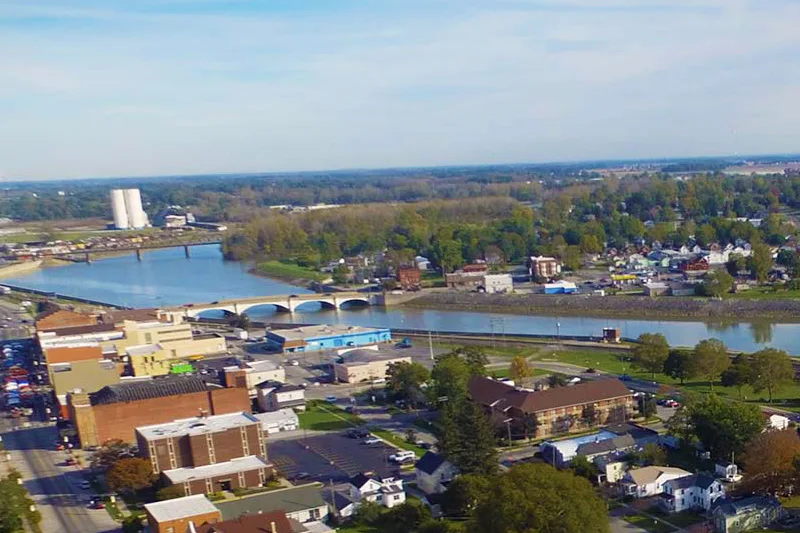
Sandusky County sits between the Sandusky River and the flat, poorly draining farmland of Ohio's Black Swamp region - a combination that puts basements, crawl spaces, and older mechanical systems under constant pressure. Property owners in Fremont, Clyde, Gibsonburg, and the surrounding townships need restoration help that understands high water tables, aging clay sewer laterals, and century-old wood-framed homes.
A full restoration response for this county covers the entire chain of events, from the first drop of standing water to final reconstruction:
- Water Damage Restoration - extraction, structural drying, moisture mapping, and monitoring of hidden cavities
- Flooded Basement Cleanup - pump-outs, contents handling, and drying of block foundations and slab floors
- Sewage Cleanup - removal of Category 3 contamination, disinfection, and safe disposal of porous materials
- Fire Damage Restoration - stabilization, board-up, debris removal, and structural cleaning after flame damage
- Smoke Damage Restoration - soot removal, thermal fogging, HVAC cleaning, and odor neutralization
- Mold Removal - containment, HEPA filtration, antimicrobial treatment, and moisture source correction
Acting quickly matters. Untreated moisture weakens joists and subfloors, soot residue etches metal and glass within days, and mold colonies can establish themselves in a basement corner long before anyone notices the smell.
Common Damage Restoration Issues in Sandusky County, Ohio
The county's flat terrain, heavy clay soils, and combined-age infrastructure create a predictable set of restoration problems that repeat year after year.
Frequent Causes of Loss
- Sandusky River and Muskellunge Creek backwater during spring thaw and heavy rain events
- Saturated clay soil pushing groundwater through foundation cracks and cove joints
- Sump pump failure or power loss during summer thunderstorms
- Sanitary sewer surcharge in older Fremont and Clyde neighborhoods, sending wastewater up floor drains
- Frozen and burst supply lines in unheated crawl spaces and vacant farmhouses
- Chimney, wood stove, and space heater fires in homes with original flue liners
- Kitchen grease fires that push smoke through open floor plans and return-air ducts
Warning Signs Worth Investigating
- Efflorescence, white chalky streaks, or dark staining low on basement block walls
- Cupping hardwood, soft spots in subflooring, or drywall that crumbles at the baseboard
- A musty odor that intensifies when the furnace or air conditioning cycles on
- Gurgling floor drains or slow-emptying fixtures after a downpour
- Yellow-brown staining on ceilings or walls weeks after a small fire
- Lingering smoke odor that returns on humid days, a sign of untreated residue in porous materials
Any of these signals hidden moisture or contamination behind finished surfaces, where a moisture meter and thermal camera find what the eye cannot.
Neighborhoods We Serve in Sandusky County
Response covers the entire county, including its cities, villages, and rural townships:
- Fremont - historic districts near Birchard Avenue, Spiegel Grove, and the riverfront neighborhoods along the Sandusky River
- Clyde - established residential streets and industrial-adjacent properties
- Bellevue - shared coverage across the Sandusky and Huron county line
- Gibsonburg, Woodville, Lindsey, Helena, Burgoon, and Vickery
- Green Springs and Clyde-Green Springs corridor properties
- Rural addresses throughout Ballville, Sandusky, Riley, Townsend, Scott, York, Jackson, Madison, Green Creek, Rice, and Washington townships
Nearby Port Clinton, Oak Harbor, Tiffin, and the Sandusky lakefront fall within the same service radius, so seasonal properties and farm outbuildings receive the same emergency attention as in-town residences and commercial buildings.
Seasonal Damage Patterns in Sandusky County
Restoration demand in northwest Ohio follows a fairly reliable rhythm:
- January - February: Frozen and burst pipes dominate. Ice damming on low-slope roofs pushes meltwater into attics and top-floor ceilings. Heating equipment and chimney fires peak during extended cold snaps.
- March - April: Snowmelt plus spring rain raises the water table. Flooded basements, sump pump failures, and sewer backups spike sharply along the river corridor.
- May - June: Severe thunderstorms bring wind-driven rain, roof leaks, and power outages that disable sump systems. Mold growth begins in basements dried improperly after spring flooding.
- July - August: High dew points feed active mold colonies in crawl spaces and finished basements. Air conditioning condensate line clogs cause slow ceiling and closet leaks.
- September - October: Remnant tropical rainfall and falling leaves clog gutters and yard drains, sending water toward foundations.
- November - December: Furnace startup circulates dormant smoke odor and mold spores. Holiday cooking and candle fires increase smoke damage calls.
Housing Characteristics & Restoration Considerations
Sandusky County's housing stock skews older than the national average, with a large share of homes built before 1960 and a meaningful number of pre-1940 farmhouses and Victorian-era residences in Fremont and Clyde. That age shapes every restoration decision.
Common Construction Types
- Stone and rubble foundations in pre-1900 homes - porous, prone to seepage, and difficult to dry without controlled airflow
- Concrete block basements from the mid-century era - water travels laterally inside hollow cores, so drilling weep holes is often necessary
- Balloon-framed walls that let water and smoke travel uninterrupted from basement to attic
- Plaster over wood lath, which absorbs smoke residue deeply and dries far slower than modern drywall
- Dirt-floor crawl spaces on rural properties, a constant humidity source feeding mold growth above
- Slab-on-grade ranches and newer subdivisions where moisture wicks upward into carpet pad and baseboard
How Age Affects the Work
- Asbestos-containing floor tile, pipe wrap, and plaster require testing before demolition in older homes
- Lead-safe practices apply to pre-1978 painted surfaces disturbed during fire or water repairs
- Knob-and-tube or ungrounded wiring must be de-energized before extraction in wet basements
- Cast iron and clay sewer laterals crack with age, making sewage backup a repeat event without line repair
- Original millwork, staircases, and trim often justify specialized cleaning rather than replacement
Environmental Conditions & Damage Implications
The physical landscape of Sandusky County works against fast drying and easy cleanup.
Soil and Groundwater
- Heavy lacustrine clay left by glacial Lake Maumee drains slowly, holding water against foundation walls for days after rainfall
- Shallow water tables across former Black Swamp farmland create persistent hydrostatic pressure on basement floors
- Clay expands when wet and shrinks when dry, stressing block walls and opening new seepage paths each season
- Agricultural runoff can carry fertilizer, manure, and bacteria into floodwater, elevating contamination categories
Climate and Air Conditions
- Roughly 35 to 38 inches of annual precipitation, concentrated in spring and summer storms
- Lake Erie moderates temperatures but drives high summer humidity - indoor levels above 60 percent support mold growth within 24 to 48 hours
- Freeze-thaw cycling from December through March damages mortar joints, foundation walls, and exterior plumbing
- Seasonal harvest dust and agricultural burning add particulate load that complicates post-fire air quality testing
Restoration Impact
These conditions mean drying plans must account for outdoor dew points, not just indoor readings. Dehumidification runs longer here than in drier climates, mold remediation requires correcting the underlying groundwater source, and sewage cleanup demands full disinfection because floodwater rarely arrives clean.
Sewer Backups, Sump Failures, and Flooded Basements Along the Sandusky River
Few problems in this county are as common - or as misunderstood - as water in the basement. Fremont's older neighborhoods rely on sewer infrastructure that was never designed for today's storm intensity, and when the Sandusky River runs high, the system has nowhere to send excess volume. The result is wastewater rising through floor drains and laundry standpipes into finished living space.
Why Sewage Backups Require Different Handling
- Sewage is classified as Category 3 water, carrying bacteria, viruses, and parasites
- Porous materials - carpet, pad, drywall, insulation, particleboard furniture - cannot be salvaged and must be removed
- Contaminated framing requires antimicrobial application after physical cleaning, not instead of it
- Negative air machines with HEPA filtration prevent airborne spread to upper floors
- Personal protective equipment and proper disposal protocols protect occupants and crews alike
A Typical Response Sequence
- Emergency dispatch and safety assessment, including electrical and gas hazards
- Extraction of standing water and pumping of deeply flooded basements
- Removal and disposal of contaminated porous contents and building materials
- Cleaning and disinfection of all remaining hard surfaces, including block cavities
- Placement of air movers and dehumidifiers with daily moisture readings until dry standards are met
- Post-remediation verification and documentation for the insurance file
Reducing Repeat Losses
- Install a backwater valve on the sewer lateral where local code permits
- Add a battery or water-powered backup sump pump for storm outages
- Extend downspouts well beyond the foundation and regrade settled soil
- Have the lateral camera-inspected for root intrusion and cracked clay sections
- Keep stored items off basement floors on shelving or pallets
Thorough documentation throughout - photos, moisture logs, and material inventories - gives adjusters what they need and keeps the claim moving.