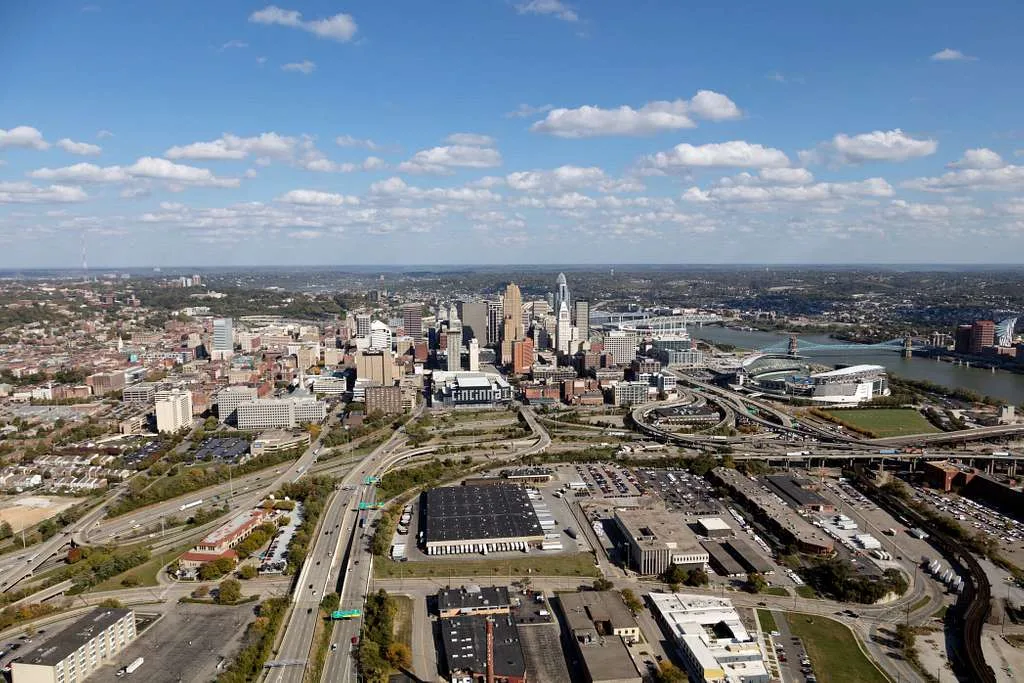
Damage Restoration in Hamilton, OH
- Damage Restoration Services Overview
- Common Damage Restoration Issues in Hamilton, Ohio
- Neighborhoods We Serve in Hamilton
- Seasonal Damage Patterns in Hamilton
- Housing Characteristics & Restoration Considerations
- Environmental Conditions & Damage Implications
- Great Miami River Flood Zone Restoration Expertise
Damage Restoration Services Overview
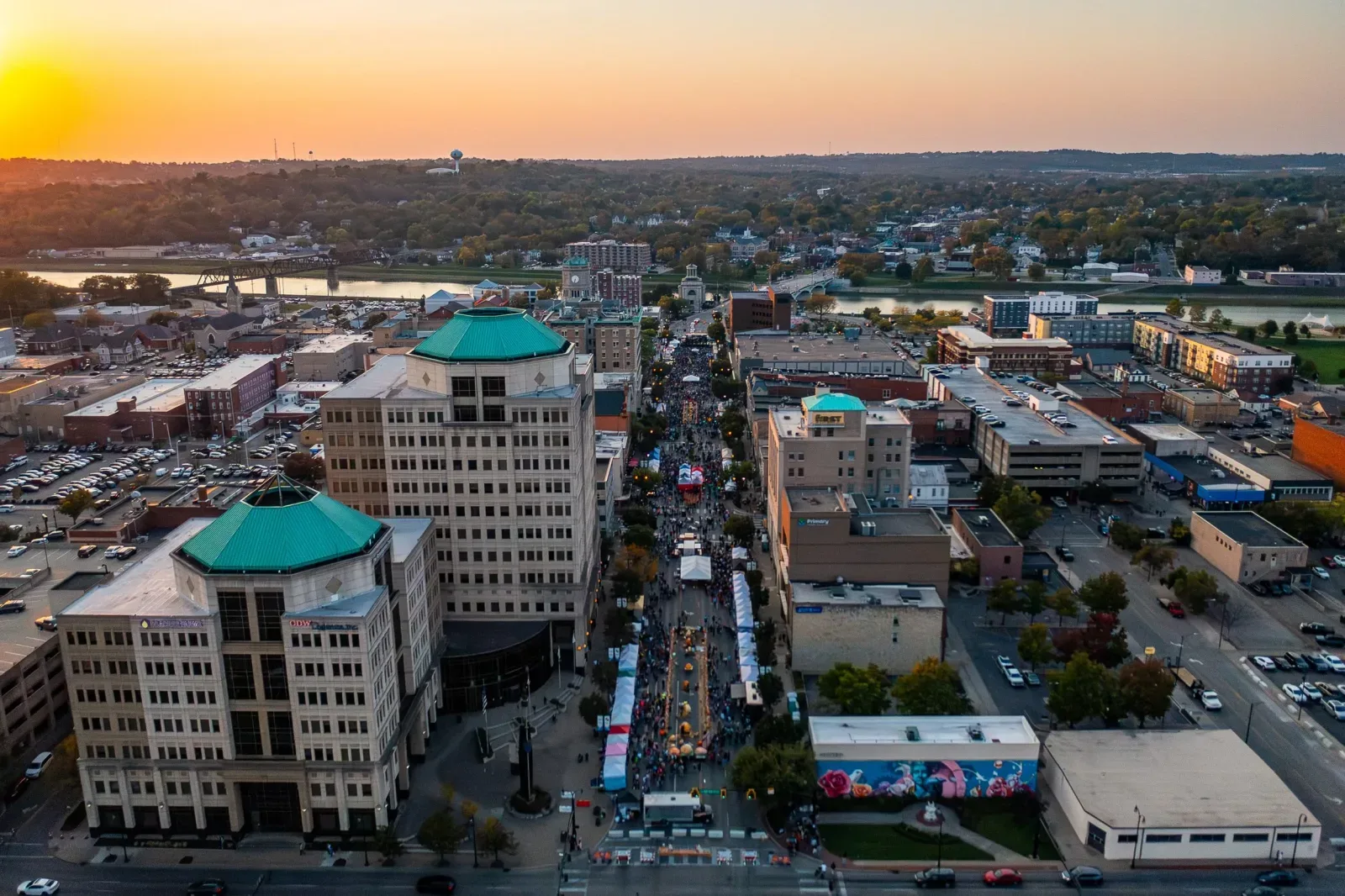
Hamilton, Ohio experiences over 40 inches of annual rainfall, making water damage one of the most frequent property emergencies in Butler County. When disaster strikes your home or business, professional restoration services become essential for protecting your investment and family's health.
Our comprehensive damage restoration services address the full spectrum of property emergencies that Hamilton residents face:
- Water Damage Restoration - From burst pipes to storm flooding, we extract water and restore affected areas
- Flooded Basement - Specialized equipment and techniques for below-grade water removal and drying
- Sewage Cleanup - Safe, sanitary removal of contaminated water and thorough disinfection
- Fire Damage Restoration - Structural repairs, content cleaning, and property reconstruction
- Smoke Damage Restoration - Odor elimination, soot removal, and air quality restoration
- Mold Removal - Professional remediation to eliminate fungal growth and prevent recurrence
Each service follows industry-standard protocols while addressing Hamilton's unique environmental challenges. Our local expertise means faster response times and restoration methods tailored to southwestern Ohio's climate conditions.
Common Damage Restoration Issues in Hamilton, Ohio
Hamilton's location along the Great Miami River and its humid continental climate create specific restoration challenges throughout the year. Understanding these local factors helps property owners recognize damage early and respond appropriately.
Water-Related Damage Patterns:
- Spring flooding from Great Miami River overflow affects downtown and Riverside areas
- Heavy summer thunderstorms cause roof leaks and basement flooding
- Winter freeze-thaw cycles burst pipes in older homes
- Poor drainage in clay-heavy soil leads to foundation water intrusion
Fire and Smoke Damage Factors:
- Older electrical systems in historic homes increase fire risk
- Wood-burning heating systems create chimney fire hazards
- Dense residential neighborhoods allow smoke spread between properties
Mold Growth Conditions:
- High humidity levels (average 70%+) during summer months
- Poor ventilation in basements and crawl spaces
- Moisture retention in older building materials
Warning Signs to Watch:
- Water stains on ceilings or walls indicating roof or plumbing leaks
- Musty odors suggesting hidden mold growth
- Discolored grout or tile indicating moisture problems
- Peeling paint or wallpaper from water damage
Neighborhoods We Serve in Hamilton
Our damage restoration services cover all Hamilton neighborhoods and surrounding Butler County communities. Each area presents unique restoration challenges based on housing age, elevation, and proximity to water sources.
Primary Service Areas:
- Downtown Hamilton - Historic buildings requiring specialized restoration techniques
- Riverside - Flood-prone area needing rapid water extraction services
- German Village - Older homes with unique architectural restoration needs
- Lindenwald - Mixed residential area with varied property types
- Fairfield Township - Newer subdivisions with modern restoration requirements
- Ross Township - Rural properties requiring specialized equipment access
Extended Service Region:
- Fairfield, Oxford, and Middletown
- West Chester and Mason communities
- Rural Butler County properties
Seasonal Damage Patterns in Hamilton
Hamilton's seasonal weather patterns create predictable damage restoration needs throughout the year. Understanding these cycles helps property owners prepare and respond quickly when emergencies occur.
Spring (March-May):
- Peak flooding season from Great Miami River and heavy rainfall
- Basement flooding increases dramatically during April storms
- Mold growth accelerates with rising humidity and temperatures
Summer (June-August):
- Severe thunderstorms cause roof damage and water intrusion
- High humidity creates ideal mold growth conditions
- Air conditioning failures lead to moisture problems
Fall (September-November):
- Heating system startups increase fire risk
- Clogged gutters from falling leaves cause water damage
- Chimney fires peak during October and November
Winter (December-February):
- Frozen pipes burst during extreme cold snaps
- Ice dam formation causes roof leaks
- Heating system malfunctions create fire hazards
- Poor ventilation increases indoor moisture and mold risk
Housing Characteristics & Restoration Considerations
Hamilton's diverse housing stock spans over 150 years, creating unique restoration challenges based on construction era and building materials. Understanding these characteristics helps determine appropriate restoration approaches for each property type.
Historic Properties (Pre-1940):
- Brick and stone construction requires specialized fire damage restoration
- Plaster walls need careful water damage assessment and repair
- Original hardwood floors demand expert smoke damage treatment
- Basement stone foundations prone to water intrusion and mold growth
- Knob-and-tube wiring increases fire restoration complexity
Mid-Century Homes (1940-1980):
- Asbestos-containing materials require specialized removal during restoration
- Concrete block basements need waterproofing after flooding
- Original ductwork may spread smoke damage throughout homes
- Tile and linoleum flooring complicates water extraction processes
Modern Construction (1980-Present):
- Synthetic materials create different smoke damage patterns
- Improved insulation can trap moisture and accelerate mold growth
- Complex HVAC systems require thorough cleaning after smoke exposure
- Laminate flooring needs immediate replacement after water damage
Each housing type requires tailored restoration protocols to address specific vulnerabilities while preserving architectural integrity and ensuring occupant safety.
Environmental Conditions & Damage Implications
Hamilton's environmental conditions significantly influence damage patterns and restoration requirements. The city's location in southwestern Ohio creates a unique combination of climate factors that affect property vulnerability.
Climate Characteristics:
- Humid continental climate with hot, humid summers and cold winters
- Average annual precipitation of 40+ inches concentrated in spring and summer
- Temperature swings from below 20°F in winter to above 85°F in summer
- Frequent severe weather including thunderstorms, tornadoes, and ice storms
Water and Soil Conditions:
- Great Miami River proximity increases flooding risk for low-lying areas
- Clay-heavy soil retains moisture and causes poor drainage
- High water table in some neighborhoods increases basement flooding
- Municipal water system generally reliable but aging infrastructure creates pipe failure risks
Air Quality Factors:
- Industrial activity contributes to particulate matter that complicates smoke damage
- High pollen counts during spring affect indoor air quality after restoration
- Seasonal temperature inversions trap pollutants and moisture
Restoration Implications:
- Extended drying times needed due to high humidity levels
- Aggressive mold prevention required in moisture-prone conditions
- Specialized filtration needed for smoke damage in polluted air conditions
- Enhanced waterproofing recommended for flood-prone areas
- Climate-controlled storage essential for salvaged contents
Great Miami River Flood Zone Restoration Expertise
Hamilton's position along the Great Miami River places numerous properties within designated flood zones, requiring specialized restoration expertise for water damage, basement flooding, and related mold issues. Understanding flood zone regulations and restoration requirements helps property owners navigate complex recovery processes while ensuring compliance with local building codes.
Flood Zone Restoration Challenges:
- FEMA compliance requirements for substantial damage determinations
- Elevated utility system restoration in basement areas
- Flood-resistant material selection for rebuilt areas
- Coordinating with Hamilton Building Department for permit requirements
- Insurance documentation needs for flood damage claims
Specialized River Flood Restoration Process:
- Emergency water extraction using truck-mounted equipment for large volumes
- Contamination assessment since river water carries debris and pollutants
- Structural drying with commercial dehumidifiers designed for high-moisture environments
- Anti-microbial treatment to prevent bacteria and mold growth from contaminated water
- HVAC system cleaning and disinfection after flood water exposure
- Content pack-out and cleaning in climate-controlled facilities
Post-Flood Mold Prevention:
- Immediate moisture monitoring in wall cavities and subfloor areas
- Enhanced ventilation installation in basements and crawl spaces
- Vapor barrier replacement in flood-affected areas
- Long-term humidity control systems to prevent future mold growth
River flood restoration requires coordination with multiple agencies and adherence to strict timelines. Our experience with Hamilton's flood patterns and local regulations ensures efficient restoration while meeting all compliance requirements for properties in designated flood zones.