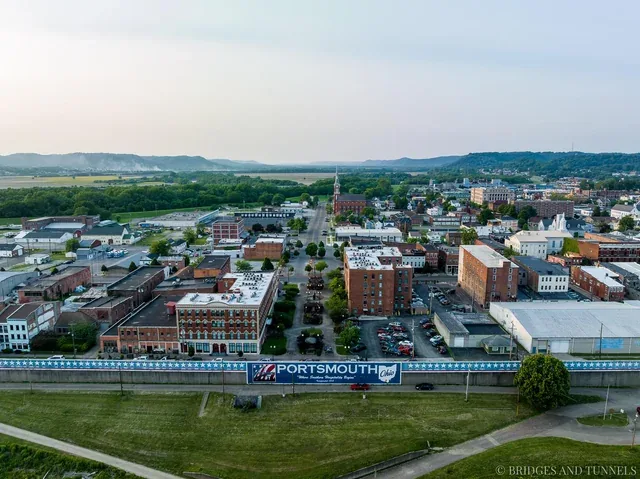
Damage Restoration in Scioto County, OH
- Damage Restoration Services Overview
- Common Damage Restoration Issues in Scioto County, Ohio
- Neighborhoods We Serve in Scioto County
- Seasonal Damage Patterns in Scioto County
- Housing Characteristics & Restoration Considerations
- Environmental Conditions & Damage Implications
- Flooding, Sewer Backups, and the Insurance Claim Process in Scioto County
Damage Restoration Services Overview
Water that sits for a weekend rarely stays a water problem. It becomes swollen subfloor, delaminated cabinetry, corroded ductwork, and colonies of mold behind drywall that release spores every time the furnace kicks on. Fire and smoke work the same way - acidic soot keeps etching metal, glass, and finishes for weeks after the flames are out.
Property owners across Scioto County rely on a connected set of restoration services that address the damage and the conditions that caused it:
- Water Damage Restoration - extraction, structural drying, moisture mapping, and controlled dehumidification
- Flooded Basement - pump-out, contents triage, foundation moisture management, and drying of block and poured walls
- Sewage Cleanup - Category 3 removal, antimicrobial treatment, and disposal of contaminated porous materials
- Fire Damage Restoration - debris removal, structural stabilization, and salvage of recoverable framing and contents
- Smoke Damage Restoration - soot removal, HVAC cleaning, thermal fogging, and odor neutralization
- Mold Removal - containment, negative air pressure, source correction, and clearance verification
Benefits for Scioto County residents include limiting secondary damage, preserving indoor air quality for children and older adults, protecting resale value in an older housing stock, and building the documentation insurers expect for a claim.
Common Damage Restoration Issues in Scioto County, Ohio
Scioto County sits where the Scioto River meets the Ohio River, and that geography shapes nearly every restoration call in the area. River-valley humidity, steep hillside runoff, and aging municipal infrastructure combine into predictable problems.
Frequent causes of damage
- Ohio River backwater and Scioto River rises pushing groundwater into basements in Portsmouth, New Boston, and Sciotoville
- Hillside runoff in Wheelersburg and Lucasville overwhelming footing drains and window wells
- Sanitary sewer surcharging during heavy rain, sending Category 3 water up floor drains
- Roof leaks around flashing, vent pipes, and wind-damaged shingles - a recurring issue given valley weather that ages roofs faster
- Failed sump pumps during power outages tied to summer thunderstorms
- Chimney, flue, wood stove, and space heater fires during long heating seasons
- Persistent humidity feeding mold in crawl spaces and unconditioned basements
Warning signs worth acting on
- Musty odor that strengthens when the HVAC system runs
- Efflorescence, chalky white staining, or bubbling paint on block foundation walls
- Cupped hardwood, soft spots underfoot, or baseboard separating from drywall
- Attic water stains, granule loss in gutters, or curled shingle edges after storms
- Gurgling floor drains or slow fixtures signaling sewer backup risk
- Yellow-brown soot ghosting above doorways or on cold exterior walls after a small fire
Neighborhoods We Serve in Scioto County
Restoration crews respond throughout Scioto County and the surrounding river communities, including:
- Portsmouth - downtown, Boneyfiddle, Sciotoville, and the East End neighborhoods
- New Boston and the U.S. 52 corridor
- Wheelersburg, Franklin Furnace, and Haverhill
- Lucasville, Minford, and Rushtown
- West Portsmouth, Otway, and McDermott
- South Webster, Stout, and Buena Vista
- Rural properties along State Routes 73, 104, 139, and 335
Service also extends to adjoining areas in Lawrence, Pike, Adams, and Jackson counties, plus the Greenup County, Kentucky riverfront across the bridge. Response planning accounts for the county's mix of dense in-town blocks, hollow roads, and ridge-top homes where access and equipment staging differ considerably.
Seasonal Damage Patterns in Scioto County
- January - February: Frozen and burst supply lines in crawl spaces and unheated basements; chimney and heating-appliance fires; ice damming along shaded north-facing roof slopes.
- March - April: Peak river and flash-flood season. Flooded basements, sump pump failures, and sanitary sewer backups requiring sewage cleanup dominate the call volume.
- May - June: Rising humidity plus lingering spring moisture triggers the first major wave of mold growth behind baseboards and in crawl spaces.
- July - August: Severe thunderstorms bring wind-driven rain, roof and flashing leaks, lightning-related fires, and power outages that disable pumps.
- September - October: Remnant tropical moisture can stall over the valley. Warm walls and cooling nights create condensation problems and hidden mold.
- November - December: Heating systems restart, circulating dust and soot; smoke damage from fireplaces, wood stoves, and kitchen fires increases, along with early freeze plumbing failures.
Housing Characteristics & Restoration Considerations
Scioto County's housing stock skews older than the state average. Portsmouth and New Boston hold large numbers of homes built during the brick, shoe, and steel boom years - many from the 1890s through the 1940s - while post-war ranches fill Wheelersburg, Lucasville, and Minford. Newer construction appears mostly on ridgelines and in outlying subdivisions.
How construction age changes the restoration approach
- Balloon-framed homes: Open wall cavities let water and smoke travel between floors, so drying and soot removal must extend well beyond the visible damage.
- Stone and unreinforced block foundations: Highly porous, they hold moisture long after standing water is gone and need extended dehumidification.
- Plaster over wood lath: Salvageable when dried quickly, but crumbles if saturation persists; drying decisions must be made early.
- Pre-1980 materials: Asbestos-containing floor tile, mastic, pipe wrap, and lead paint require testing and abatement before demolition begins.
- Dirt-floor crawl spaces: Common in rural townships and a constant moisture source that drives mold growth upward into living space.
- Finished basements: Paneling, carpet pad, and framing against concrete trap water and hide mold after flooding.
- Retrofitted HVAC and ductwork: Duct runs in damp basements distribute both spores and smoke odor throughout the house.
Older homes also complicate insurance claims, so thorough moisture readings, photographs, and material documentation matter from the first visit.
Environmental Conditions & Damage Implications
The Ohio River valley behaves like a basin. Cool air and moisture settle in overnight, keeping relative humidity elevated for much of the year and slowing natural drying inside structures.
Local conditions that influence restoration
- High ambient humidity: Open windows and box fans rarely dry a structure here. Closed-system drying with commercial dehumidifiers is the reliable method.
- Clay-heavy and alluvial soils: Slow-draining clay holds water against foundations, while river-bottom alluvium moves groundwater quickly into basements.
- Steep terrain: Hollows and hillside lots channel runoff toward homes, overwhelming gutters, downspout extensions, and drain tile.
- Seasonal river stage: Elevated Ohio and Scioto River levels raise the water table countywide, even on properties outside mapped floodplains.
- Well and septic systems: Rural properties face septic surcharge during saturated conditions, producing contaminated water that requires Category 3 protocols.
- Valley air stagnation: Temperature inversions trap smoke and combustion byproducts, prolonging odor complaints after fire events.
These conditions mean mold prevention is not an afterthought here - it is built into every water and sewage project through antimicrobial application, humidity control, and verification that materials reach dry standard before reconstruction starts.
Flooding, Sewer Backups, and the Insurance Claim Process in Scioto County
Few places in Ohio see the range of water intrusion that Scioto County does - riverine flooding, flash flooding off the hills, sewer surcharge, and groundwater seepage can all hit the same neighborhood in one storm. How the water arrived determines both the cleanup protocol and how a claim is handled.
Categories of water and what they require
- Clean water (Category 1): Supply line breaks and water heater failures. Most materials can be dried in place if addressed promptly.
- Gray water (Category 2): Appliance discharge and some seepage. Carpet pad and saturated porous materials usually come out.
- Black water (Category 3): Sewage backups and floodwater. Contaminated porous materials are removed, surfaces are cleaned and treated, and containment protects unaffected rooms.
Documentation that supports a claim
- Photograph standing water, affected contents, and the failure point before anything is moved.
- Notify the carrier and, for sewer backups, the municipal utility - Portsmouth and New Boston maintain their own systems.
- Record daily moisture readings and equipment placement throughout the drying period.
- Keep an itemized list of discarded materials and contents with photos.
- Retain lab results for any mold sampling or clearance testing.
- Confirm whether coverage exists under a standard policy, a sewer and drain backup endorsement, or a separate NFIP flood policy.
Standard homeowners policies generally exclude rising surface water, which surprises many riverfront and low-lying property owners. Sewer backup endorsements are separate as well. Clarifying coverage early prevents delays, and mitigation should begin immediately regardless - most policies require the owner to prevent further damage while a claim is being reviewed.