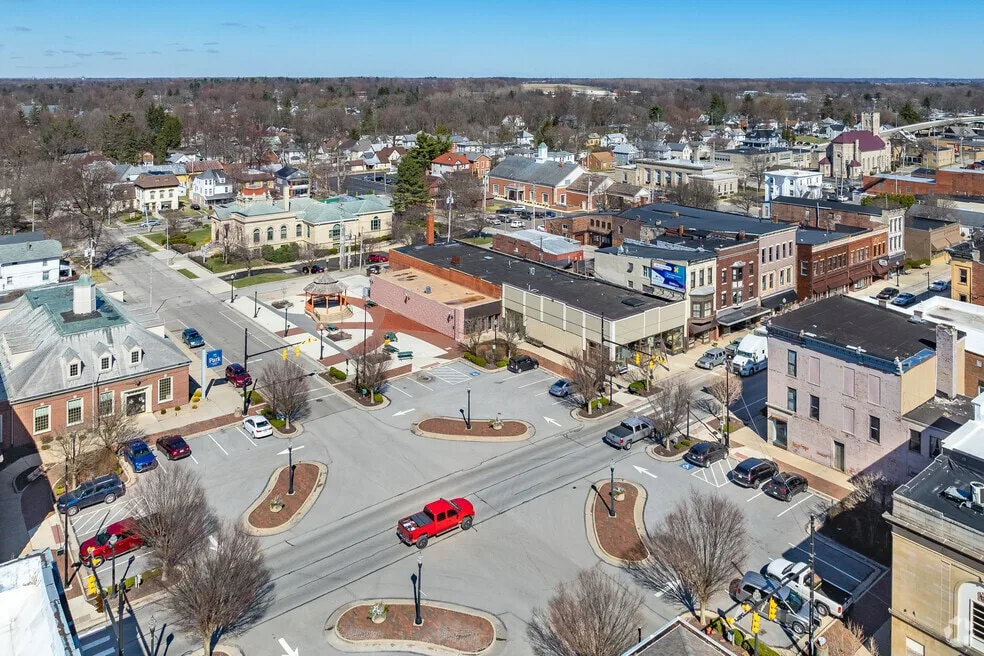
Damage Restoration in Crawford County, OH
- Damage Restoration Services Overview
- Common Damage Restoration Issues in Crawford County, Ohio
- Neighborhoods We Serve in Crawford County
- Seasonal Damage Patterns in Crawford County
- Housing Characteristics & Restoration Considerations
- Environmental Conditions & Damage Implications
- Storm Response and Insurance Documentation in Crawford County
Damage Restoration Services Overview
When severe storms swept through Crawford County, the county Emergency Management Agency documented damage to 65 homes - with two single-family units destroyed outright. Restoration crews needed days to work through hazardous conditions and downed infrastructure before properties were safe to enter.
That kind of event highlights why Crawford County households and business owners benefit from having a full-service restoration resource on call. Water intrusion, fire, and biological contamination rarely arrive one at a time - a storm that floods a basement can also knock out power, back up a sanitary line, and set the stage for mold within days.
Services available across the county include:
- Water Damage Restoration - extraction, structural drying, moisture mapping, and documentation for insurance
- Flooded Basement Cleanup - pumping standing water, drying block and poured foundations, salvaging contents
- Sewage Cleanup - removal of contaminated materials, antimicrobial treatment, and safe disposal
- Fire Damage Restoration - debris removal, board-up, structural cleaning, and rebuild coordination
- Smoke Damage Restoration - soot removal, odor neutralization, HVAC and duct cleaning
- Mold Removal - containment, air filtration, material removal, and moisture source correction
Emergency response is available 24 hours a day. Call 419-982-5575 to reach a crew.
Common Damage Restoration Issues in Crawford County, Ohio
Crawford County's flat glacial terrain, aging municipal sewer infrastructure, and freeze-thaw winters combine to make basement water and mold the two most frequent restoration calls in the region.
Local Conditions That Trigger Damage
- Heavy spring rainfall saturating clay-heavy soils that drain slowly, forcing water through foundation walls
- Combined and aging sewer lines in older sections of Bucyrus and Galion that surcharge during downpours
- Sump pump failures during storm-related power outages - one of the leading causes of flooded basements countywide
- Frozen and burst supply lines in unheated crawl spaces, garages, and vacant farmhouses during January and February
- Wood stoves, space heaters, and older furnaces contributing to winter structure fires and puff-back smoke events
- Straight-line winds and hail tearing roofing material loose, allowing rain into attics and upper floors
Warning Signs Worth Acting On
- White chalky efflorescence or dark staining along basement block walls
- A musty, earthy smell in the lower level that intensifies after rain
- Floor drains gurgling or backing up when appliances discharge
- Peeling paint, cupping hardwood, or soft drywall near baseboards
- Soot film on window glass, lampshades, or above doorways after a furnace issue
- Recurring allergy symptoms that ease when occupants leave the house
Catching any of these early narrows the scope of work considerably and often keeps a drying job from becoming a mold remediation project.
Neighborhoods We Serve in Crawford County
Coverage extends across the entire county, from city neighborhoods to farmsteads on township roads.
- Bucyrus - downtown historic district, Sandusky Avenue corridor, and surrounding residential streets
- Galion - including older brick homes near the historic depot and newer subdivisions on the north side
- Crestline - railroad-era housing stock and adjoining neighborhoods
- Bucyrus Township, Whetstone, Liberty, Holmes, and Dallas townships
- New Washington, Chatfield, North Robinson, Tiro, and Sulphur Springs
- Rural properties along US 30, SR 4, SR 19, SR 98, and the Sandusky River corridor
Crews also respond to nearby communities in Richland, Wyandot, Seneca, Huron, and Marion counties. Rural addresses with long lanes, septic systems, and well water receive the same response priority as in-town properties - equipment is staged for both.
Seasonal Damage Patterns in Crawford County
Restoration demand in north-central Ohio follows a predictable annual rhythm, and knowing it helps property owners prepare before the calls start.
- January - February: Peak season for frozen and burst pipes, ice dam leaks into ceilings, and heating-related fire and smoke damage. Furnace puff-backs coat interiors in oily soot.
- March - April: Snowmelt over still-frozen ground plus spring rain drives groundwater into basements. Sump pumps run continuously and fail. Sewer backups spike.
- May - June: Severe thunderstorms, hail, and straight-line winds damage roofs, leading to attic and upper-floor water intrusion. Storm outages disable pumps.
- July - August: Humidity above 70 percent turns previously wet basements and crawl spaces into active mold growth zones. Air conditioning condensate line clogs cause hidden leaks.
- September - October: Remnants of tropical systems bring prolonged rain. Harvest-season equipment and barn fires occur on rural properties.
- November - December: Heating systems restart after months idle, releasing smoke odors. Early freezes catch outdoor spigots and hose bibs unprotected.
Housing Characteristics & Restoration Considerations
Much of Crawford County's housing stock predates 1960, and a substantial share was built before 1940 - which shapes nearly every restoration decision made here.
Common Construction Types
- Late 1800s and early 1900s brick and frame homes in Bucyrus, Galion, and Crestline with stone or hand-laid block foundations
- Post-war ranches and Cape Cods with poured concrete basements and original plaster or early drywall
- Century farmhouses featuring balloon framing, fieldstone cellars, and dirt or partial crawl spaces
- 1970s - 1990s subdivisions with finished basements, carpeted lower levels, and vinyl siding
- Manufactured and modular housing in rural pockets, where floor cavity saturation is difficult to detect
How Age Affects Restoration Work
- Balloon framing lets fire, smoke, and moisture travel vertically inside wall cavities from basement to attic - inspection must extend well beyond the visible damage area
- Plaster and lath holds moisture far longer than drywall and requires slower, monitored drying rather than quick demolition
- Stone and unsealed block foundations wick groundwater continuously, so drying plans include vapor management, not just extraction
- Asbestos and lead paint are realistic possibilities in pre-1980 homes, and testing precedes demolition
- Knob-and-tube or updated-over wiring demands careful power isolation before water extraction begins
- Finished basements hide saturated insulation behind paneling - moisture meters and thermal imaging locate it without tearing out sound material
Environmental Conditions & Damage Implications
Crawford County sits on heavy glacial till and lakebed clay soils that shed water rather than absorb it - the single biggest environmental driver of basement flooding in the region.
Soil and Groundwater
- Clay-rich soils hold water against foundation walls for days after rainfall, sustaining hydrostatic pressure
- Seasonal high water tables sit close to basement floor elevation in low-lying areas near the Sandusky River and Broken Sword Creek
- Clay expansion and contraction opens hairline foundation cracks that widen over successive freeze-thaw cycles
- Rural properties on septic systems face saturated leach fields during wet periods, raising sewage backup risk
Climate and Air Quality
- Roughly 38 inches of annual precipitation, distributed heavily across spring and summer
- Summer dew points regularly in the upper 60s to low 70s - conditions that support mold germination within 24 to 48 hours on wet materials
- More than 100 freeze-thaw cycles per year stressing masonry, mortar joints, and buried water lines
- Agricultural dust and field burning during planting and harvest seasons add particulate load, which complicates post-fire air scrubbing
Practical Impact on Restoration
- Drying plans must account for outdoor humidity - open windows often slow progress rather than help
- Desiccant or low-grain refrigerant dehumidification is frequently needed in humid months
- Well water on rural properties requires testing after sewage or flood events before the home is reoccupied
- Post-fire smoke odor lingers longer in tight, well-insulated homes and demands hydroxyl or ozone treatment plus HVAC cleaning
Storm Response and Insurance Documentation in Crawford County
The county EMA's storm damage assessments - like the survey that counted 65 damaged homes and multiple destroyed structures - become the backbone of insurance and assistance claims. Restoration documentation needs to align with that record, and local crews know how to build it.
What Happens After a Countywide Storm Event
- Emergency stabilization - board-up, roof tarping, and water extraction begin first, often while utilities are still being restored
- Hazard assessment - structural integrity, live electrical, gas, and contaminated water are evaluated before crews enter
- Moisture mapping and photo documentation - every affected room is measured, photographed, and logged with meter readings
- Controlled drying - air movers and dehumidifiers placed per calculated load, with daily readings recorded
- Remediation and cleaning - sewage decontamination, soot removal, or mold containment as the situation requires
- Reconstruction coordination - drywall, flooring, trim, and finish work to return the property to pre-loss condition
Why Local Experience Matters Here
- Familiarity with Bucyrus and Galion sewer behavior helps distinguish a backup from groundwater seepage - a distinction that changes coverage
- Knowledge of rural road access, long farm lanes, and generator needs where power restoration lags
- Working relationships with area adjusters, plumbers, electricians, and septic contractors shortens the chain of scheduling
- Understanding of century-home construction so that irreplaceable original trim, flooring, and plaster get salvage attention rather than automatic demolition
After a large storm, restoration across a county can extend for days as crews work through hazardous conditions. Calling early puts your property in the queue and gets stabilization measures in place before secondary damage sets in. Emergency lines are staffed around the clock at 419-982-5575, with statewide dispatch available at 877-377-1274.