Damage Restoration in Warren, OH
Damage Restoration Services Overview
Delaying damage restoration can lead to catastrophic consequences for Warren homeowners and businesses. Water damage spreads rapidly through building materials, creating structural instability and health hazards. Fire and smoke residues become permanently embedded in surfaces, while mold colonies establish themselves within 24-48 hours of moisture exposure.
Professional restoration services address these critical issues before they escalate into major disasters. Warren residents have access to comprehensive damage restoration solutions that protect both property value and occupant safety.
- Water Damage Restoration - Rapid extraction, drying, and structural repair
- Flooded Basement - Complete water removal and moisture control systems
- Sewage Cleanup - Safe sanitization and contamination elimination
- Fire Damage Restoration - Structural repair and content restoration
- Smoke Damage Restoration - Odor elimination and surface cleaning
- Mold Removal - Professional remediation and prevention strategies
These services work together to restore properties to pre-loss condition while preventing secondary damage. Warren's humid continental climate and aging infrastructure make professional restoration particularly valuable for maintaining property integrity and protecting family health.
Common Damage Restoration Issues in Warren, Ohio
Warren's location in the Mahoning Valley creates specific challenges for property owners. The area's industrial history and proximity to waterways contribute to unique damage patterns that require specialized restoration approaches.
Basement flooding occurs frequently due to Warren's clay-heavy soil and aging storm drainage systems. Heavy spring rains and snowmelt overwhelm municipal systems, causing sewage backups in older neighborhoods.
- Water damage warning signs:
- Musty odors in basements or crawl spaces
- Water stains on foundation walls
- Peeling paint or wallpaper near ground level
- Increased utility bills from hidden leaks
- Fire and smoke damage indicators:
- Persistent odors after minor fires
- Discoloration on walls and ceilings
- Soot residue on surfaces
- HVAC system contamination
- Mold growth factors:
- High humidity from Lake Erie influence
- Poor ventilation in older homes
- Condensation issues in basements
- Previous water damage history
Industrial emissions and seasonal temperature fluctuations accelerate material deterioration, making prompt restoration even more critical for Warren properties.
Neighborhoods We Serve in Warren
Our damage restoration services cover all Warren neighborhoods and surrounding communities throughout Trumbull County. Each area presents unique restoration challenges based on housing age, topography, and infrastructure conditions.
- Central Warren neighborhoods:
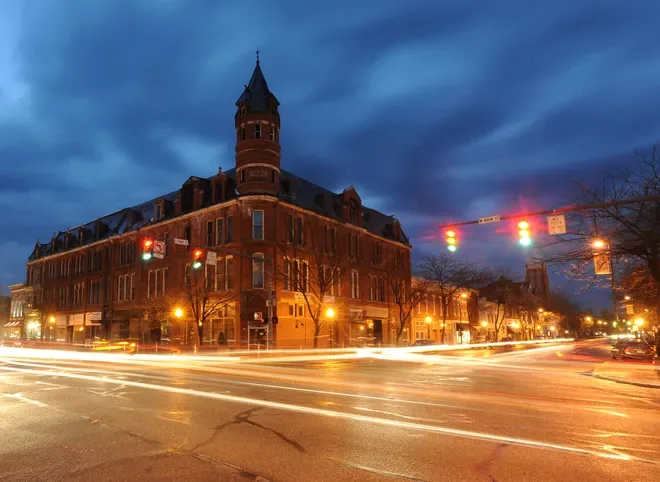
- Downtown Warren commercial district
- Oak Hill residential area
- Mahoning Avenue corridor
- McGuffey Center vicinity
- Surrounding communities:
- Howland Township
- Champion Township
- Weathersfield Township
- Liberty Township
- Lordstown
- Niles
Each location receives the same rapid response and professional restoration services, with technicians familiar with local building codes and environmental conditions specific to the Mahoning Valley region.
Seasonal Damage Patterns in Warren
Warren's four-season climate creates predictable patterns of property damage throughout the year. Understanding these seasonal risks helps property owners prepare for and prevent common restoration issues.
- Spring (March-May):
- Basement flooding from snowmelt and heavy rains
- Sewage backups from overwhelmed storm systems
- Mold growth in damp basements and crawl spaces
- Summer (June-August):
- Storm-related water damage from severe weather
- HVAC-related water damage from condensation
- Increased fire risk during dry periods
- Fall (September-November):
- Heating system fires from seasonal startup
- Chimney-related smoke damage
- Leaf-clogged gutters causing water intrusion
- Winter (December-February):
- Frozen pipe bursts and water damage
- Ice dam formation causing roof leaks
- Heating system malfunctions leading to fires
Professional restoration teams adjust their response strategies based on these seasonal patterns, ensuring appropriate equipment and techniques for each type of damage.
Housing Characteristics & Restoration Considerations
Warren's housing stock reflects over a century of development, with significant implications for restoration approaches. The majority of homes were built between 1920-1960, creating specific challenges for modern restoration techniques.
- Typical construction features:
- Brick and frame construction with plaster walls
- Basement foundations with stone or early concrete
- Hardwood floors throughout main levels
- Knob-and-tube electrical systems in older homes
- Restoration considerations for older homes:
- Plaster walls require specialized drying techniques
- Lead paint concerns during fire damage cleanup
- Asbestos materials in pre-1980 construction
- Limited access for modern equipment in tight spaces
- Modern home challenges:
- Synthetic materials create toxic smoke during fires
- Engineered lumber requires different drying methods
- Complex HVAC systems spread contamination quickly
- Open floor plans allow rapid damage spread
Professional restoration teams understand these construction variations and adapt their methods accordingly. Water damage restoration in a 1940s brick home requires different approaches than in a modern frame construction, particularly regarding moisture removal and structural stability concerns.
Environmental Conditions & Damage Implications
Warren's environmental conditions significantly influence damage patterns and restoration requirements. The city's humid continental climate, combined with industrial legacy issues, creates unique challenges for property restoration professionals.
- Climate factors affecting restoration:
- Average humidity levels of 65-75% promote mold growth
- Annual precipitation of 38 inches increases water damage risk
- Temperature swings from -10°F to 85°F stress building materials
- Lake Erie influence creates moisture-laden air masses
- Soil and geological considerations:
- Clay-heavy soils retain water and cause foundation settling
- Poor drainage leads to chronic basement moisture issues
- Expansive soils create foundation cracks allowing water entry
- High water table in some areas complicates basement restoration
- Air quality impacts:
- Industrial emissions accelerate material deterioration
- Particulate matter settles in HVAC systems during fires
- Chemical residues complicate smoke damage restoration
- Seasonal allergens compound indoor air quality issues
These environmental factors require specialized restoration approaches. Mold removal projects must account for persistent humidity, while fire damage restoration addresses both structural damage and complex chemical contamination from industrial air pollution.
Industrial Legacy and Specialized Restoration Needs
Warren's industrial heritage creates unique restoration challenges that require specialized knowledge and equipment. The city's steel production history has left environmental residues that complicate standard restoration procedures, particularly for fire and smoke damage situations.
Properties built during Warren's industrial boom often contain materials that react differently to damage and restoration processes. Steel mill emissions have deposited metallic particles throughout the area, affecting how smoke damage spreads and adheres to surfaces.
- Industrial contamination factors:
- Metallic dust embedded in building materials
- Chemical residues from decades of industrial emissions
- Soil contamination affecting foundation restoration
- Groundwater quality issues impacting water damage cleanup
- Specialized restoration approaches:
- Enhanced air filtration during all restoration projects
- Chemical-specific cleaning agents for smoke damage
- Soil testing before basement restoration projects
- Water quality analysis for sewage cleanup situations
- Health and safety considerations:
- Respiratory protection during mold removal
- Hazardous material protocols for older buildings
- Environmental testing before and after restoration
- Specialized disposal methods for contaminated materials
Professional restoration teams working in Warren must understand these industrial legacy issues to provide safe, effective service. Water damage restoration projects may encounter contaminated groundwater, while fire damage situations require analysis of complex chemical residues that standard cleaning methods cannot address.
This specialized knowledge ensures that restoration work not only addresses visible damage but also protects occupants from hidden environmental hazards unique to Warren's industrial history.