Damage Restoration in Knox County, OH
- Damage Restoration Services Overview
- Common Damage Restoration Issues in Knox County, Ohio
- Neighborhoods We Serve in Knox County
- Seasonal Damage Patterns in Knox County
- Housing Characteristics & Restoration Considerations
- Environmental Conditions & Damage Implications
- Working With Insurance and Documentation in Knox County
Damage Restoration Services Overview
What would you do if you walked into your basement tomorrow morning and found three inches of standing water covering the floor? For Knox County property owners, that scenario plays out more often than most people expect - and the clock starts ticking the moment water, smoke, or sewage enters a structure.
Restoration work covers a wide span of emergencies, and each one demands a different approach:
- Water Damage Restoration - extraction, structural drying, and moisture mapping after burst pipes, appliance failures, or roof leaks
- Flooded Basement Cleanup - pumping, sump system evaluation, and drying of below-grade spaces in older Knox County homes
- Sewage Cleanup - removal of contaminated material, antimicrobial treatment, and safe disposal after backups
- Fire Damage Restoration - debris removal, structural stabilization, and content recovery
- Smoke Damage Restoration - soot removal from surfaces, HVAC cleaning, and odor neutralization
- Mold Removal - containment, affected material removal, and correction of the moisture source
The benefit of acting quickly goes beyond a dry floor. Rapid response limits secondary damage to framing, drywall, and flooring, protects indoor air quality for families and employees, and preserves the value of a property that may have taken generations to build.
Common Damage Restoration Issues in Knox County, Ohio
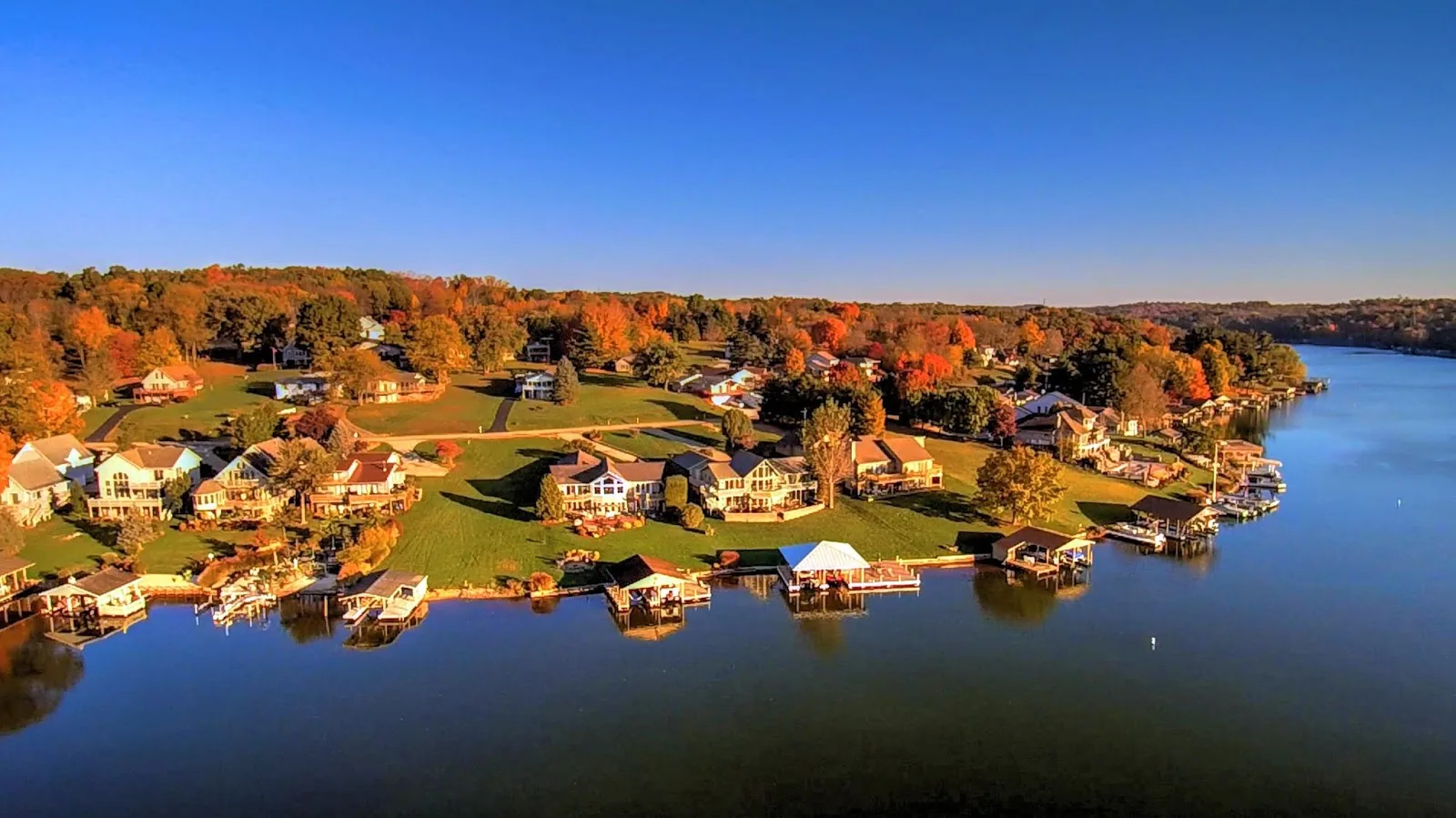
Knox County sits in a landscape of rolling farmland, wooded ridges, and river valleys - beautiful terrain that also channels stormwater straight toward foundations. The Kokosing River and its tributaries influence groundwater levels across a wide area, and Knox Soil & Water Conservation District resources regularly address urban and residential storm runoff for good reason.
Frequent causes of damage across the county include:
- Frozen and burst supply lines in unheated crawl spaces, garages, and older farmhouse walls during deep January cold
- Sump pump failure during spring thaw when groundwater rises faster than a single pump can handle
- Sewer and septic backups - a heavy mix of aging municipal lines in town and private septic systems in rural townships
- Toilet overflows and supply hose ruptures from washing machines, water heaters, and dishwashers
- Wood stove, fireplace, and space heater fires common in rural heating setups
- Lightning strikes and electrical fires during summer thunderstorm season
- Hidden mold colonies behind paneling, under carpet pad, and in fieldstone basements
Warning signs worth investigating right away:
- A musty smell that intensifies after rain or when the furnace runs
- Efflorescence - white chalky residue - on basement block or stone walls
- Floor tiles lifting, baseboards cupping, or drywall darkening near the floor line
- Soot filming on window glass, light fixtures, or vent registers after a small fire
- Slow drains throughout the house, often the first hint of a main line problem
Neighborhoods We Serve in Knox County
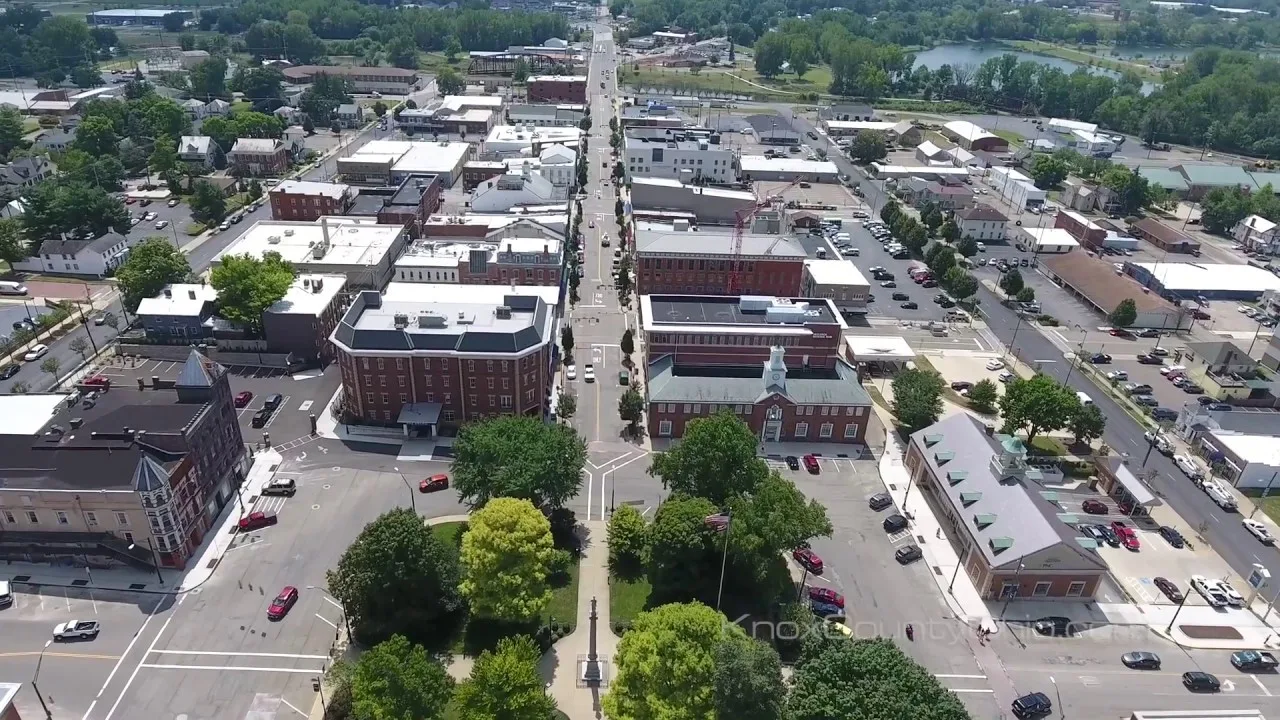
Restoration crews cover the full county, from the historic districts of the county seat to farmsteads far down township roads.
- Mount Vernon - including the downtown historic district, East High Street neighborhoods, and residential streets near Mount Vernon Nazarene University
- Fredericktown - village homes and surrounding Wayne Township properties
- Centerburg - homes near the Highland school corridor and Hilliar Township
- Danville and Howard - properties near Apple Valley Lake and the Mohican area
- Gambier - Kenyon College area residences and rental housing
- Martinsburg, Bladensburg, Utica edge communities, and Millwood
- Rural townships - Clinton, Pleasant, Berlin, Monroe, Union, and Jefferson
Coverage extends into neighboring Richland, Morrow, Licking, Holmes, and Coshocton County communities where travel routes along US-36, SR-3, and SR-13 make rapid response practical.
Seasonal Damage Patterns in Knox County
Ohio's four distinct seasons each bring a signature type of loss.
- December - February: Frozen pipes lead the call volume. Heating equipment, wood stoves, and holiday cooking drive fire and smoke damage. Ice damming on north-facing roof slopes pushes meltwater into attics and ceilings.
- March - April: Snowmelt combined with steady rain saturates clay soil, producing the year's heaviest wave of flooded basements and sump pump overloads. Sewage backups increase as saturated ground infiltrates aging lines and septic fields.
- May - July: Thunderstorms bring wind-driven rain, roof leaks, and lightning-related fires. Rising humidity turns any missed moisture into mold growth within days.
- August - September: Peak mold season. Air conditioning condensate lines clog, crawl spaces sweat, and dew points stay high enough to sustain growth in closed basements.
- October - November: Furnace startup releases dust and puff-back soot from oil systems. Leaf-clogged gutters redirect water toward foundations, and outdoor burning occasionally spreads to structures.
Housing Characteristics & Restoration Considerations
Knox County's housing stock leans older than the national average, with a large share of homes built before 1970 and a meaningful number of nineteenth-century farmhouses and in-town Victorians still in daily use. That age shapes every restoration plan.
- Fieldstone and rubble foundations - porous, irregular, and prone to seepage; drying requires patience and careful monitoring rather than simple surface extraction
- Balloon-framed walls - open cavities let water travel down and smoke travel up between floors, so inspection has to extend well beyond the visible damage
- Plaster and lath - holds moisture longer than modern drywall and can often be dried in place when addressed early
- Knob-and-tube or early wiring - demands electrical safety checks before equipment is placed in wet areas
- Vinyl or asbestos floor tile - pre-1980 flooring requires testing before removal
- Post-2000 subdivisions in Mount Vernon and Centerburg - poured foundations with finished basements where carpet, pad, and framed walls trap water quickly
- Manufactured and modular homes - underbelly insulation soaks and holds water, so belly wrap inspection is a required step
Rural properties add another layer. Private wells and septic systems mean sewage cleanup involves coordination with a septic contractor, and well contamination testing may follow surface flooding. Outbuildings, pole barns, and attached workshops often store chemicals or equipment that change how fire and smoke residue must be handled.
Environmental Conditions & Damage Implications
The county's humid continental climate delivers roughly 40 inches of precipitation annually along with summer dew points that sit uncomfortably high for weeks at a time. Those conditions directly influence how restoration is planned and executed.
- Soil composition: Glacial till with heavy clay content across much of the county drains slowly, holding water against foundation walls and increasing hydrostatic pressure after storms
- Topography: Rolling terrain and river valleys near the Kokosing concentrate runoff into low-lying yards and basements
- Groundwater: Seasonally high water tables in bottomland areas keep sump systems running for weeks in spring
- Humidity: Summer relative humidity regularly exceeds levels that support mold germination, meaning dehumidification matters as much as water extraction
- Water hardness: Mineral-rich groundwater common to central Ohio accelerates scale buildup and pinhole leaks in older copper plumbing
- Agricultural air: Field dust, pollen, and seasonal burning add particulate load that complicates post-fire air scrubbing and HVAC cleaning
These realities inform equipment decisions. Drying a fieldstone basement in August requires far more dehumidification capacity than the same job in dry October air. Post-fire cleaning near agricultural operations often involves multiple filtration stages because soot binds with existing dust in duct systems. Moisture readings are compared against unaffected areas of the same structure rather than generic benchmarks, since a Knox County farmhouse baseline differs sharply from a new build.
Working With Insurance and Documentation in Knox County
One of the most stressful parts of any loss is not the water or smoke itself - it is the paperwork that follows. Clear documentation from the first hour protects property owners throughout the claim process.
What thorough documentation should include:
- Initial photo and video record of every affected room before any material is moved or removed
- Moisture mapping with meter readings recorded by location and repeated daily until drying goals are met
- Written scope of work describing what will be extracted, removed, cleaned, treated, and rebuilt
- Equipment logs noting the number and placement of air movers, dehumidifiers, and air scrubbers
- Category and class designation for water losses, which determines whether materials can be dried or must be discarded
- Content inventory for fire and smoke losses, separating salvageable items from total losses
- Final verification readings confirming the structure reached dry standard before rebuilding begins
Transparency should run through the entire job. Property owners deserve to know why a section of drywall is being cut at a specific height, what the containment barrier around a mold remediation area accomplishes, and what happens between the drying phase and reconstruction.
A few practical points for Knox County residents:
- Sewage backups and groundwater flooding are frequently excluded from standard policies unless a specific endorsement is in place - worth reviewing before an emergency
- Septic system failures on rural properties may involve separate coverage from the dwelling itself
- Photographing the loss on your own phone before crews arrive costs nothing and strengthens your record
- Restoration companies communicate directly with adjusters, but the property owner remains the decision maker at every step
Honest conversation about what can be saved, what cannot, and what the rebuild will involve turns a chaotic situation into a manageable sequence of steps.