
Damage Restoration in Apple Valley, OH
- Damage Restoration Services Overview
- Common Damage Restoration Issues in Apple Valley, Ohio
- Neighborhoods We Serve in Apple Valley
- Seasonal Damage Patterns in Apple Valley
- Housing Characteristics & Restoration Considerations
- Environmental Conditions & Damage Implications
- Advanced Drying and Restoration Technology for Lake-Area Homes
Damage Restoration Services Overview
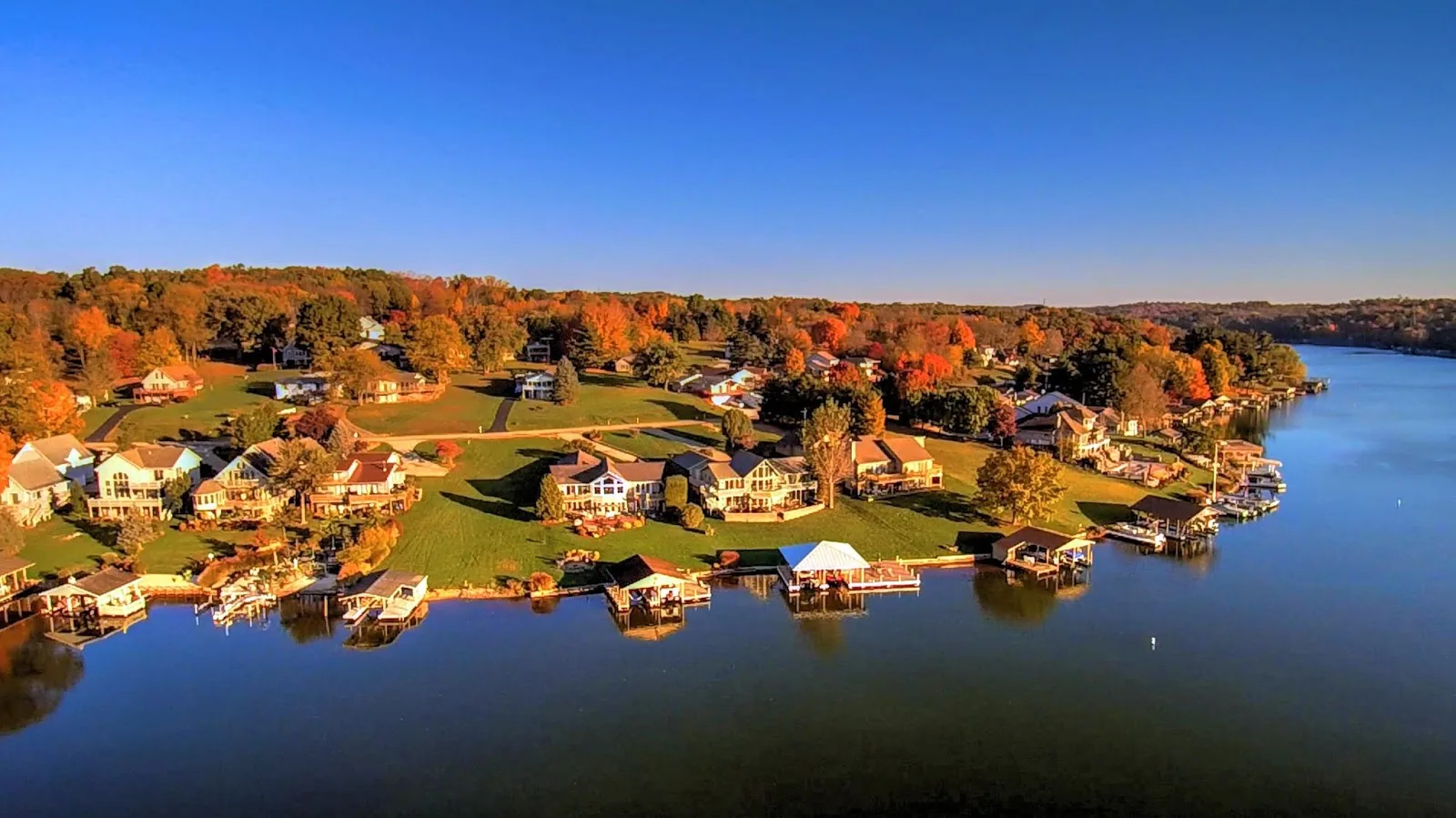
Apple Valley wraps around a 511-acre private lake - one of the largest man-made lakes in Ohio - and that single feature shapes nearly every restoration call in this Knox County community. Homes built on sloped lots above the water, seasonal cabins converted to year-round residences, and a high water table close to the shoreline combine to create moisture challenges you simply do not see in flatter parts of the state.
Property owners around the lake, in Howard, and throughout the surrounding townships rely on a full range of restoration work:
- Water Damage Restoration - extraction, structural drying, and moisture mapping after burst pipes, roof leaks, and appliance failures
- Flooded Basement - pump-outs, sump pump failure response, and drying of finished lower levels and walkout basements
- Sewage Cleanup - safe removal of contaminated water from septic backups and failed drain lines, followed by antimicrobial treatment
- Fire Damage Restoration - board-up, debris removal, structural cleaning, and reconstruction
- Smoke Damage Restoration - soot removal, thermal fogging, and odor neutralization in framing, ductwork, and contents
- Mold Removal - containment, HEPA filtration, material removal, and correction of the moisture source
Fast intervention protects framing, insulation, and belongings while limiting secondary damage that turns a small loss into a full rebuild.
Common Damage Restoration Issues in Apple Valley, Ohio
The terrain around the lake sends stormwater downhill quickly, and many homes sit at the bottom of that path. Combine that with private septic systems, well water, and older wood-frame construction, and a predictable set of problems shows up year after year.
What Causes Most Losses Here
- Sump pump failure during spring rain events, leaving finished basements and walkouts under several inches of water
- Frozen and burst supply lines in crawl spaces, exterior walls, and unheated seasonal cabins
- Septic backups when saturated soil prevents leach fields from draining properly
- Roof and window leaks after high winds move through the ridgelines above the lake
- Chimney, woodstove, and fireplace fires in homes that heat with wood through the winter
- Kitchen grease fires that spread soot and odor through open floor plans and HVAC systems
- Hidden mold behind paneling, under carpet padding, and inside crawl space insulation
Warning Signs Worth Acting On
- Musty odor that returns when the humidity climbs, especially in lower levels
- Cupping or darkening hardwood near exterior doors and slider thresholds
- Efflorescence - white chalky residue - on block foundation walls
- Gurgling drains or slow toilets, often the first hint of a septic issue
- Persistent smoke smell weeks after a small fire, indicating soot in ductwork or wall cavities
- Peeling paint or rusted fasteners in a crawl space, both signs of chronic vapor problems
Neighborhoods We Serve in Apple Valley
Response covers the lake community and the wider Knox County area, including the lakefront lots, ridge-top subdivisions, and rural properties on township roads.
- Apple Valley Lake shoreline and dock-access properties
- The Village of Howard and nearby Apple Valley Drive corridors
- Monroe Township and Union Township rural addresses
- Mount Vernon and the Kokosing River corridor
- Danville, Gambier, and Fredericktown
- Millwood, Bladensburg, and Brinkhaven
- Loudonville and the Mohican area to the northeast
Crews familiar with these back roads and gated entry points reach properties without the delays that slow down contractors dispatched from larger metro areas. That local routing knowledge matters most during overnight calls and winter weather, when every hour of standing water increases the risk of mold growth and material loss.
Seasonal Damage Patterns in Apple Valley
Restoration work in Knox County follows a fairly reliable annual rhythm.
- December through February: Frozen and burst pipes dominate, particularly in vacation homes left at low heat. Furnace, woodstove, and space heater fires peak, along with smoke damage from backdrafting chimneys.
- March and April: Snowmelt plus heavy rain saturates hillsides, overwhelming sump pumps and footing drains. Flooded basements and septic backups spike.
- May and June: Thunderstorms bring wind-driven rain, roof leaks, and downed limbs. Mold growth accelerates in anything left damp from spring.
- July and August: High dew points push indoor humidity up. Crawl space condensation, air conditioning line clogs, and hidden mold behind furniture become common findings.
- September and October: Remnants of tropical systems can drop several inches of rain. Grill and fire pit incidents rise, and first-use furnace fires appear as heating season starts.
- November: Early freezes catch outdoor spigots and unwinterized cabins, producing the season's first water losses.
Housing Characteristics & Restoration Considerations
Apple Valley's housing stock is unusually varied for a community of its size. Original lake cottages from the 1960s and 1970s sit beside custom homes finished in the last decade, and each type responds differently to water, fire, and mold.
Construction Types and Their Restoration Implications
- Wood-frame cottages on block foundations: Porous block wicks moisture upward, so drying requires wall cavity ventilation rather than surface fans alone
- Walkout basements built into slopes: Hydrostatic pressure pushes water through cove joints; extraction must be paired with drainage evaluation
- Homes on crawl spaces: Vapor barriers, insulation, and floor joists trap humidity and are frequent mold sources
- Finished lower levels with carpet and drywall: Category 2 and 3 water usually means removing padding and cutting drywall above the wet line
- Cedar, log, and knotty pine interiors: Absorb smoke odor deeply and need specialized cleaning agents rather than standard detergents
- Older knob-and-tube or aluminum wiring in mid-century homes: Increases electrical fire risk and requires careful evaluation before power is restored
Many properties also rely on private wells and septic systems. After sewage cleanup or flooding, both systems need inspection before the home is considered safe. Seasonal-use homes add another wrinkle: damage may go undiscovered for weeks, which is why documentation of hidden moisture in subfloors, insulation, and cabinetry is part of every assessment.
Environmental Conditions & Damage Implications
Knox County sits in a humid continental zone that averages roughly 40 inches of precipitation each year, spread across all four seasons. That consistent moisture, paired with clay-heavy glacial soils, keeps water near foundations far longer than sandy soils would.
Local Conditions That Drive Damage
- Clay subsoil: Drains slowly, holds water against block and poured walls, and swells during wet periods - a primary contributor to basement seepage
- Sloped lakeside lots: Concentrate surface runoff toward downhill structures and window wells
- High summer dew points: Indoor relative humidity above 60 percent supports mold colonization within 24 to 48 hours of a water event
- Freeze-thaw cycling: Repeated expansion cracks foundation walls, mortar joints, and exterior spigot lines
- Proximity to the lake: Elevated ambient moisture slows natural drying in boathouses, docks, garages, and lower levels
- Well water and septic reliance: Contaminated backups require full sanitization protocols rather than simple extraction
Air quality inside affected homes deserves equal attention. Soot particles from a fire are small enough to travel through return ducts and settle in bedrooms far from the origin point. Mold spores behave similarly. Both call for containment barriers, negative air machines, and HEPA filtration during cleanup so that the rest of the home is not cross-contaminated while work is underway.
Advanced Drying and Restoration Technology for Lake-Area Homes
Drying a home near Apple Valley Lake is not the same as drying a home in a dry inland climate. Higher ambient humidity means air movers alone will not finish the job, and guessing at dryness is how mold problems begin.
Equipment Used on Local Losses
- Thermal imaging cameras that reveal moisture migration behind drywall, under stair stringers, and inside chases without demolition
- Penetrating and non-penetrating moisture meters to establish dry standards in framing, subfloor, and masonry
- Low-grain refrigerant dehumidifiers engineered to pull moisture in humid conditions where standard units stall
- Desiccant dehumidification for cold-weather losses and dense materials like hardwood and plaster
- Injectidry systems that force air into wall cavities and under hardwood, saving flooring that would otherwise be removed
- Truck-mounted extraction for high-volume basement flooding and sewage removal
- HEPA negative air machines and containment for mold remediation and smoke particulate control
- Hydroxyl generators and ozone treatment for deep smoke odor in log, cedar, and open-beam interiors
How a Typical Project Moves Forward
- Emergency call taken around the clock, with crews dispatched and arrival details confirmed
- Source control - stopping the leak, securing the structure, or tarping the roof
- Full inspection with moisture mapping, water category classification, and photo documentation
- Extraction, contaminated material removal, and antimicrobial application where sewage or mold is present
- Equipment placement with daily monitoring readings until dry standards are met
- Cleaning of contents, ductwork, and surfaces affected by soot or spores
- Reconstruction of drywall, flooring, trim, and cabinetry, with insurance documentation supplied throughout
Daily readings are logged rather than estimated, which gives homeowners and adjusters a clear record that the structure reached a genuinely dry, stable condition before rebuilding started.




