Damage Restoration in Medina County, OH
- Damage Restoration Services Overview
- Common Damage Restoration Issues in Medina County, Ohio
- Neighborhoods We Serve in Medina County
- Seasonal Damage Patterns in Medina County
- Housing Characteristics & Restoration Considerations
- Environmental Conditions & Damage Implications
- Why the First 24 Hours Matter Most in Medina County
Damage Restoration Services Overview
You head downstairs to grab laundry and step into two inches of cold water. The sump pump quit sometime overnight, and the storm that rolled across Medina County didn't let up until morning. Situations like this rarely announce themselves, and the clock starts running the moment water touches drywall, subfloor, or insulation.
BTN Restoration Group handles the full range of property damage across Medina County, Ohio - residential and commercial alike:
- Water Damage Restoration - extraction, moisture mapping, and controlled structural drying
- Flooded Basement Cleanup - pump-out, content handling, and dehumidification below grade
- Sewage Cleanup - containment, removal of contaminated materials, and sanitizing of affected surfaces
- Fire Damage Restoration - stabilization, debris removal, and structural cleaning after flame damage
- Smoke Damage Restoration - soot removal, odor neutralization, and HVAC decontamination
- Mold Removal - containment barriers, air scrubbing, and removal of colonized materials
The benefit of one team across all six services is simple: water problems become mold problems, and fires leave behind both smoke residue and firefighting water. Addressing everything under a single response plan keeps the damage from multiplying while you wait on separate contractors.
Common Damage Restoration Issues in Medina County, Ohio
Medina County Emergency Management Agency records point to 15-20 major flood events per decade, which puts water at the top of the list for local property owners. Add aging sanitary lines, clay-heavy soils, and older housing stock, and the patterns become predictable.
What Drives Damage Locally
- Heavy spring rain saturating yards that drain slowly through clay subsoil
- Sump pump failure and power outages during summer thunderstorm cells
- Frozen and burst supply lines in unheated crawl spaces and garages
- Sanitary sewer surcharge pushing wastewater back through floor drains
- Roof and window failures during high-wind storm events
- Kitchen fires and heating equipment fires - county fire reports show roughly 5-7 residential incidents per year
Warning Signs Worth Acting On
- A musty smell in the basement that gets stronger after rainfall
- Efflorescence, white chalky streaking, on foundation walls
- Discoloration or bubbling along baseboards and drywall seams
- Floor drains that gurgle or drain slowly during storms
- Soot film on light-colored walls or a lingering campfire odor after a small kitchen fire
- Cupping hardwood or lifting vinyl plank in areas that were previously dry
Mold risk climbs sharply within 48-72 hours of a water event, and FEMA guidance recommends prompt drying and air quality attention rather than waiting to see whether materials recover on their own. In most cases, they don't - they simply hide the moisture until odor or visible growth appears weeks later.
Neighborhoods We Serve in Medina County
Crews respond across the county and into surrounding communities, covering both the historic core and newer subdivisions:
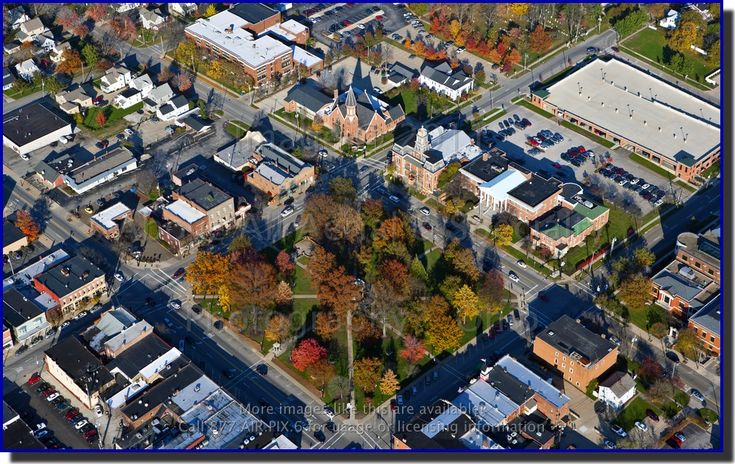
- City of Medina - including the Public Square historic district, Weymouth, and neighborhoods off Lafayette Road
- Brunswick - dense residential blocks along Center Road and Substation Road
- Wadsworth - older housing near downtown plus newer builds along Ridge Road
- Hinckley, Granger, and Sharon Township - rural properties on well and septic systems
- Seville, Lodi, Rittman, and Chippewa Lake - southern county communities
- Valley City, Litchfield, Spencer, and Westfield Center
- Montville, Lafayette, and Guilford Townships
Properties near the Rocky River east branch, Killbuck Creek, and Chippewa Creek corridors see repeat water intrusion, and we plan drying strategies with those drainage patterns in mind.
Seasonal Damage Patterns in Medina County
Damage types rotate through the calendar in a fairly consistent rhythm here.
- January - February: Frozen pipe bursts, ice damming along north-facing rooflines, and heating equipment fires that leave heavy smoke residue throughout ductwork.
- March - April: Snowmelt combined with spring rain produces the season's heaviest flooded basement volume. Sump pumps run continuously and often fail under load.
- May - June: Sewer surcharge events increase as storm volume overwhelms older combined lines, driving sewage cleanup calls.
- July - August: Humidity holds high, so mold removal work peaks. Any moisture left from spring resurfaces as visible growth. Storm damage from wind-driven rain adds roof and window intrusion.
- September - October: Cooling temperatures cause condensation on foundation walls and cold-water lines, feeding hidden growth behind finished basement walls.
- November - December: Fireplace, wood stove, and holiday cooking fires push smoke damage restoration demand upward.
Because moisture from one season often surfaces as a problem in the next, moisture readings taken during a spring water event help predict where summer mold inspection should focus.
Housing Characteristics & Restoration Considerations
Medina County housing spans nearly two centuries of construction, and each era responds differently to water, fire, and smoke.
Pre-1940 Homes
- Common around Medina's Public Square district, Seville, and Lodi
- Stone or brick foundations with lime mortar that absorbs and holds water
- Plaster-and-lath walls that need slower, gentler drying than modern drywall
- Balloon framing that lets smoke and fire travel vertically between floors
- Local building codes emphasize non-invasive drying methods in historical structures, which shapes our equipment placement and demolition decisions
1950s - 1980s Homes
- Block foundations prone to lateral seepage under saturated clay soil
- Original cast iron and clay sewer laterals vulnerable to root intrusion and backup
- Asbestos-containing floor tile and pipe wrap requiring careful handling
1990s - Present Construction
- Finished basements with carpet, padding, and framed walls that trap moisture behind vapor barriers
- Tighter building envelopes that hold humidity and smoke odor longer
- Engineered wood subfloor and laminate that delaminate quickly once saturated
Restoration planning starts with identifying the construction era, because the drying approach for plaster over lath has almost nothing in common with the approach for a 2005 subdivision basement.
Environmental Conditions & Damage Implications
Northeast Ohio's climate and geology work against dry buildings for much of the year.
Climate Factors
- Roughly 38-40 inches of annual precipitation, distributed fairly evenly across seasons
- Summer relative humidity frequently above 70 percent, slowing evaporative drying
- Repeated freeze-thaw cycles that open foundation cracks and mortar joints
- Lake-influenced snowfall adding to spring melt volume
Soil and Groundwater
- Glacial till and silty clay loam soils with low permeability
- Water perches against foundation walls rather than draining away, raising hydrostatic pressure
- Elevated seasonal water tables in low-lying areas near creek corridors
- Rural properties on septic systems face backup risk when drain fields saturate
Indoor Air Implications
- Humid summer air entering cool basements creates condensation on every surface below dew point
- Smoke and soot particles bond more aggressively to surfaces in humid conditions, complicating cleaning
- Well water in rural townships may carry iron and sulfur that stain materials during water events
- Mold spores are always present - the difference between background levels and a problem is available moisture
Dehumidification specifications are set against these local conditions rather than generic averages, since a drying plan built for a dry climate will stall out in a Medina County August.
Why the First 24 Hours Matter Most in Medina County
Prompt action within the first day determines whether a water event becomes a cleanup or a reconstruction project. That window shrinks further when sewage is involved or when a fire has left both soot and firefighting water in the structure.
What Happens Hour by Hour
- Hours 0-2: Water migrates through subfloor, wicks up drywall, and saturates insulation. Contents in contact with water begin to stain and swell.
- Hours 2-12: Particleboard furniture delaminates, hardwood begins cupping, and odor develops. Category 3 water from sewer backup contaminates every surface it touches.
- Hours 12-24: Moisture moves into wall cavities and under cabinet toe kicks where surface fans cannot reach.
- Hours 24-48: Bacterial activity intensifies and odor becomes persistent.
- Hours 48-72: Mold colonization begins on cellulose materials, matching FEMA's guidance on post-flood air quality attention.
Steps to Take Before Crews Arrive
- Shut off the water supply at the main valve if the source is a broken line
- Cut power to affected areas at the breaker only if the panel can be reached safely and dry
- Stay out of any space with standing water suspected of sewage contamination
- Photograph damage and standing water levels for your insurance file
- Move undamaged contents and documents to a dry upper level
- Avoid running the HVAC system after a fire - it circulates soot into clean areas
- Leave wet carpet in place rather than pulling it up and spreading contamination
BTN Restoration Group answers 24/7 for emergency response across Medina, Brunswick, Wadsworth, and surrounding communities. We assess conditions, explain what comes next, document findings for your claim, and get drying equipment running - moving the property Back to Normal. Call (330) 618-5321 anytime, or submit the form for a free inspection and a quick callback.