Damage Restoration in Huron County, OH
- Damage Restoration Services Overview
- Common Damage Restoration Issues in Huron County, Ohio
- Neighborhoods We Serve in Huron County
- Seasonal Damage Patterns in Huron County
- Housing Characteristics & Restoration Considerations
- Environmental Conditions & Damage Implications
- Storm Response and Insurance Documentation for Huron County Property Owners
Damage Restoration Services Overview
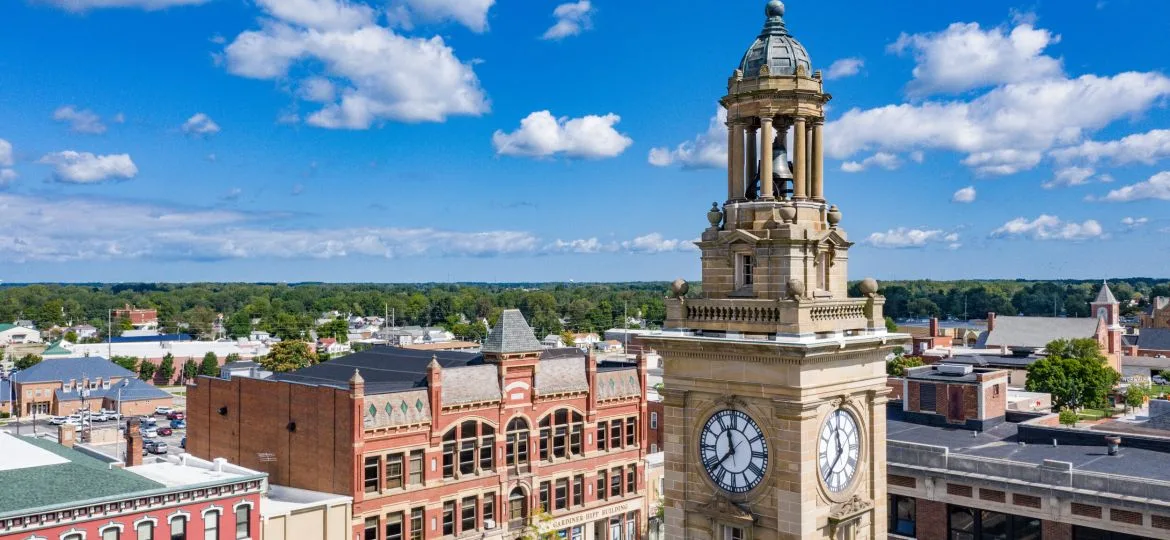
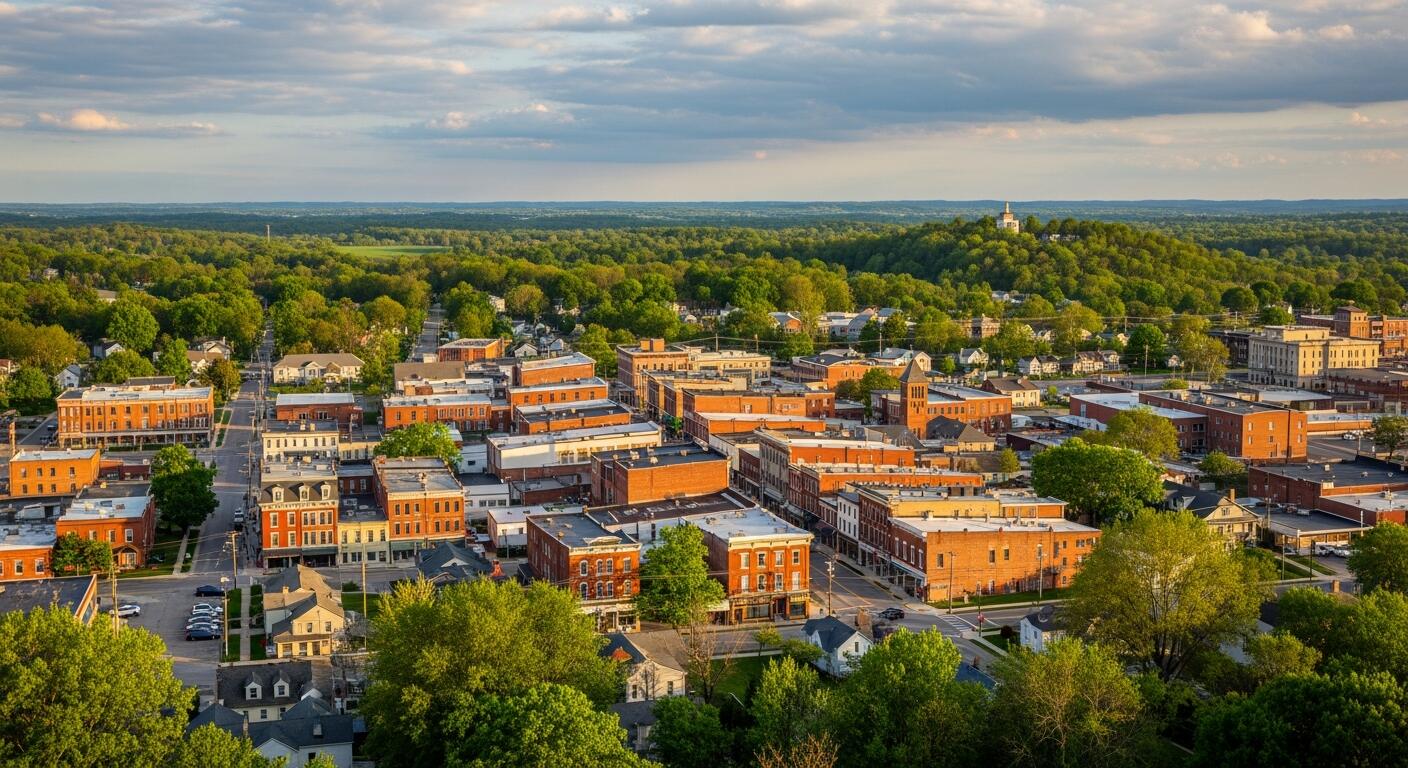
Huron County sits in that stretch of north-central Ohio where Lake Erie weather, flat farmland drainage, and a housing stock built across more than a century all meet. That combination produces water intrusion, basement flooding, and mold growth patterns that differ noticeably from other parts of the state.
Property owners in Norwalk, Willard, Bellevue, Monroe Township and the surrounding rural areas rely on a full range of restoration work, including:
- Water Damage Restoration - extraction, structural drying, moisture mapping, and monitoring after burst pipes, roof leaks, or appliance failures
- Flooded Basement Cleanup - pumping standing water, drying block and stone foundations, and salvaging finished lower levels
- Sewage Cleanup - safe removal of contaminated material, disinfection, and odor control after backups or septic failures
- Fire Damage Restoration - debris removal, structural stabilization, soot cleaning, and content recovery
- Smoke Damage Restoration - treating residue on walls, ductwork, textiles, and porous surfaces that fire crews cannot address
- Mold Removal - containment, source correction, affected material removal, and air scrubbing
The benefit of coordinated restoration is simple: one team handles water extraction, drying, contamination control, and rebuild-ready cleanup, so problems are not passed between contractors while moisture keeps spreading. Round-the-clock response matters here, since storms often arrive overnight - reach a local crew at (419) 451-4500 any day.
Common Damage Restoration Issues in Huron County, Ohio
The Huron County Risk Assessment identifies flooding and severe storms among the hazards most likely to affect local properties, and restoration call volume reflects that.
Frequent Causes of Loss
- Heavy rainfall and lake-effect systems that overwhelm gutters, window wells, and rural ditch drainage
- Huron River and Vermilion River watershed flooding in low-lying properties near creeks and tributaries
- Sump pump failures during power outages, a leading cause of flooded basements in Norwalk and Willard
- Frozen and burst supply lines in unheated crawl spaces, farmhouse additions, and vacant properties
- Sanitary sewer backups and septic surcharge when saturated clay soil prevents leach field absorption
- Heating equipment, wood stove, and chimney fires during long heating seasons
- Hidden mold behind paneling, under carpet pad, and inside stone foundation walls
Warning Signs Worth Acting On
- Musty odor in the basement or from floor registers, even when surfaces look dry
- Efflorescence, white chalky staining, or flaking paint on foundation walls
- Cupped hardwood, soft subfloor, or baseboard separation
- Gurgling floor drains or slow toilets - often the first hint of a sewer issue
- Persistent smoke odor that returns on humid days after a small kitchen or furnace fire
- Recurring allergy symptoms that improve when occupants leave the house
Acting on these signs within the first day or two limits how far moisture wicks into framing and drywall.
Neighborhoods We Serve in Huron County
Coverage extends across the county and into adjoining communities, including:
- Norwalk - historic districts along West Main Street, Benedict Avenue, and surrounding older residential blocks
- Willard - rail-adjacent neighborhoods and newer subdivisions on the south side
- Bellevue - properties straddling the Huron and Sandusky county line
- Monroeville, Wakeman, Greenwich, New London, North Fairfield, and Plymouth
- Collins, Olena, Havana, Steuben, and Fitchville - rural homes on wells and septic systems
- Huron and Berlin Heights - lakeshore-influenced properties north of the county line
- Township properties throughout Ripley, Peru, Bronson, Fairfield, and Norwich
Rural response is planned around road access and farm lane conditions, so equipment reaches remote properties without delay.
Seasonal Damage Patterns in Huron County
Winter (December - February)
- Frozen and split pipes in crawl spaces and unheated additions
- Ice damming on older roofs, pushing meltwater into attics and top-floor ceilings
- Peak season for furnace, space heater, and chimney fires - and the smoke residue that follows
Spring (March - May)
- Snowmelt combined with saturated clay soil produces the year's heaviest basement flooding
- Sump pumps run continuously and frequently fail
- Sewer backups increase as groundwater infiltrates aging lines
Summer (June - August)
- Fast-moving thunderstorms bring wind-driven rain, roof damage, and power outages
- High humidity accelerates mold growth in any space that stayed damp through spring
- Air conditioning condensate line clogs cause slow, hidden ceiling leaks
Fall (September - November)
- Clogged gutters from heavy leaf fall redirect water toward foundations
- First furnace startups reveal cracked heat exchangers and produce puff-back soot
- Ideal window for waterproofing, drainage correction, and mold remediation before freeze-up
Housing Characteristics & Restoration Considerations
Huron County's housing stock skews older than the national average, with a large share of homes built before 1970 and a meaningful number of pre-1940 farmhouses and Victorian-era residences in Norwalk and Monroeville.
Construction Types and What They Mean
- Stone and rubble foundations - porous, irregular, and slow to dry; require extended structural drying and often benefit from targeted cavity drying
- Hollow concrete block basements - water travels laterally inside the cores, so surface drying alone leaves moisture trapped
- Balloon-framed older homes - open wall cavities allow water, smoke, and odor to travel from basement to attic
- Plaster and lath walls - hold moisture far longer than drywall and demand careful moisture readings before closing up
- Post-1990 subdivisions - finished basements with carpet, drywall, and framing that are highly vulnerable to flooding
- Farmhouses with additions - mismatched foundations and grade transitions create chronic water entry points
Restoration Implications
- Older homes may contain asbestos-containing floor tile, pipe wrap, or plaster - testing guides safe removal
- Knob-and-tube or early wiring requires electrical assessment before drying equipment is deployed
- Original woodwork and trim are frequently salvageable with controlled drying rather than demolition
- Fire and smoke work in older homes calls for gentle cleaning methods that protect historic surfaces
- Mold remediation often requires correcting exterior grading and gutter discharge, not just removing material
Environmental Conditions & Damage Implications
Local ground and climate conditions shape how quickly damage develops and how long drying takes.
Soil and Groundwater
- Heavy clay and silty loam soils typical of the former Black Swamp region drain slowly
- Saturated clay exerts hydrostatic pressure against foundation walls, forcing water through cracks and cove joints
- Shallow water tables in flatter townships keep basements damp long after storms pass
- Septic leach fields in rural areas surcharge during wet seasons, raising sewage cleanup demand
Climate and Humidity
- Roughly 36 to 40 inches of annual precipitation, spread across all four seasons
- Summer dew points regularly push indoor relative humidity above the 60 percent threshold where mold thrives
- Lake Erie moderates temperatures but adds moisture and lake-effect snow in the northern townships
- Freeze-thaw cycling widens foundation and mortar cracks year after year
Air and Water Quality Factors
- Agricultural dust and pollen load HVAC filters, which then trap smoke residue and mold spores
- Hard well water leaves mineral scale that shortens the life of water heaters and supply lines
- Post-fire smoke particles bond aggressively to cool surfaces during winter losses, requiring thermal fogging and duct cleaning
Drying plans account for these conditions with dehumidification sized to real local humidity, not textbook averages.
Storm Response and Insurance Documentation for Huron County Property Owners
Huron County maintains a storm damage reporting process and a county risk assessment precisely because severe weather events here tend to affect many properties at once. When a line of storms crosses the county, restoration demand spikes within hours - and the households that document quickly tend to move through claims with less friction.
What to Do in the First Hours
- Address safety first - shut off power to flooded areas, avoid contact with sewage-contaminated water, and leave the structure if fire damage compromised framing
- Stop the source - close the main water valve, cover roof breaches, or shut off the failed appliance
- Photograph everything - wide shots of each room, close-ups of damaged materials, and the water line height on walls
- Call for extraction - mold can begin colonizing damp organic material within a day or two
- Notify your insurer and request the claim number before removing damaged contents
- Keep an inventory of discarded items with photos, approximate age, and condition
Documentation That Supports a Claim
- Daily moisture readings from affected materials, logged through the drying process
- Equipment placement records showing air movers and dehumidifiers in each room
- Thermal imaging that reveals moisture behind plaster, cabinets, and stone foundations
- Category classification for water losses - clean, gray, or black - which determines approved cleanup scope
- Written scope of work aligned with industry standards recognized by adjusters
Working With Local Resources
- File a storm damage report with the county when a widespread weather event causes loss
- Verify contractor credentials through BBB listings for fire and water damage restoration serving Huron and Norwalk
- Confirm that mold remediation includes a moisture source correction plan, not just surface treatment
- Ask whether the same team handles sewage decontamination, drying, and smoke odor work to avoid gaps in scope
Coordinated documentation and a single point of contact keep restoration moving while adjusters review the file.