Damage Restoration in Richland County, OH
- Damage Restoration Services Overview
- Common Damage Restoration Issues in Richland County, Ohio
- Neighborhoods We Serve in Richland County
- Seasonal Damage Patterns in Richland County
- Housing Characteristics & Restoration Considerations
- Environmental Conditions & Damage Implications
- Emergency Response Timelines and Insurance Documentation in Richland County
Damage Restoration Services Overview

Water spreads through drywall, subfloor, and framing within minutes, and smoke residues begin etching metal and glass within hours. In Richland County, the gap between discovering damage and starting extraction often decides whether flooring is dried in place or torn out entirely.
Restoration work here covers the full range of property emergencies homeowners and business owners face across Mansfield, Ontario, Shelby, and the surrounding townships:
- Water Damage Restoration - burst supply lines, failed water heaters, roof leaks, and appliance overflows, addressed with extraction, structural drying, and moisture mapping.
- Flooded Basement - sump pump failures, hydrostatic pressure through block walls, and storm surcharge backing into below-grade living space.
- Sewage Cleanup - Category 3 contamination requiring containment, removal of porous materials, and antimicrobial treatment of all affected surfaces.
- Fire Damage Restoration - structural stabilization, debris removal, and reconstruction planning after kitchen, electrical, or heating system fires.
- Smoke Damage Restoration - soot removal, thermal fogging, HVAC cleaning, and odor neutralization in rooms far from the burn area.
- Mold Removal - containment barriers, negative air pressure, HEPA filtration, and removal of colonized materials.
Companies such as Mid-Ohio Cleaning & Restoration maintain around-the-clock emergency response, with crews reachable at (567) 241-6393, (419) 687-0789, (330) 825-1803, 419-982-5575, or 877-377-1274 for fast dispatch across the county.
Common Damage Restoration Issues in Richland County, Ohio
Richland County sits on the glaciated Allegheny Plateau, where clay-heavy soils shed water slowly and hillside drainage funnels runoff toward foundations. That geography drives a predictable set of restoration calls.
Frequent Causes of Loss
- Frozen and split supply lines in unheated crawl spaces during January and February cold snaps
- Sump pump failures during spring thaw when the pit cycles continuously for days
- Sanitary sewer surcharge in older Mansfield neighborhoods with combined or aging clay laterals
- Roof and flashing leaks after ice damming on steep, older rooflines
- Chimney and wood stove fires in rural homes using supplemental heat
- Kitchen grease fires that push smoke through open floor plans and return ducts
- Mold colonization behind finished basement paneling and beneath vinyl flooring
Warning Signs Worth Acting On
- Musty odor that intensifies when the furnace or air conditioning cycles on
- Efflorescence - white crystalline residue - on block basement walls
- Baseboards that swell, cup, or separate from the wall
- Slow floor drains or gurgling fixtures, both early indicators of a lateral problem
- Soot film on light fixtures, window glass, or the tops of door casings
- Persistent smoke odor returning on humid days after a small fire
- Staining on ceiling tiles that darkens or spreads between inspections
Documenting these signs with photos and dates supports the insurance claim and helps technicians target hidden moisture before secondary damage sets in.
Neighborhoods We Serve in Richland County
Coverage extends across the county's cities, villages, and rural townships:
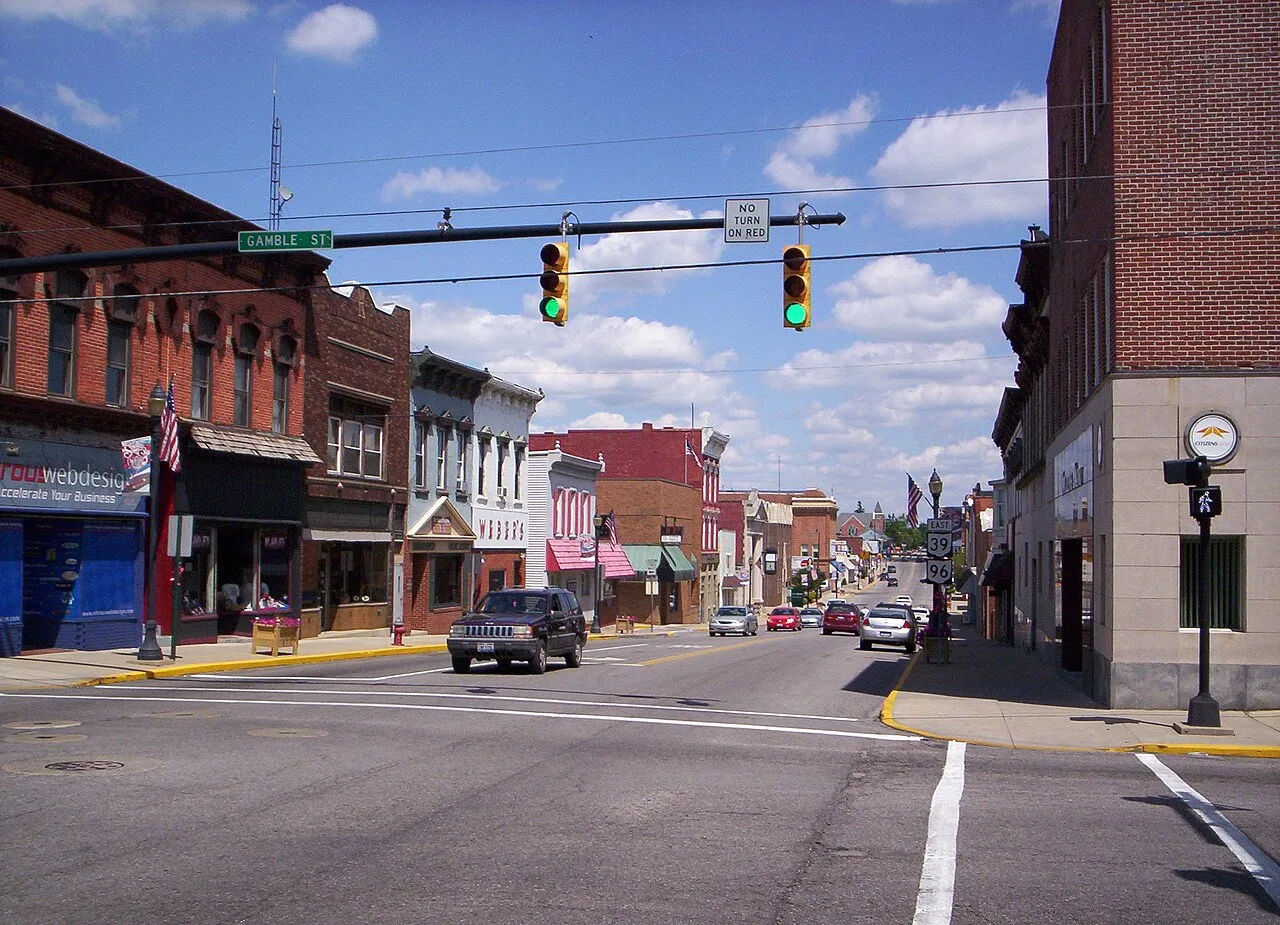
- Mansfield - downtown, Woodland, Johns Park, Sherman-Reed, and the North End
- Ontario - Lexington-Springmill corridor and surrounding subdivisions
- Shelby - Black Fork neighborhoods and adjacent farmsteads
- Lexington - Clear Fork Valley properties and lakeside homes
- Bellville and Butler - Clear Fork Reservoir and Mohican-area residences
- Crestline, Plymouth, and Lucas - village centers and outlying acreage
- Township communities - Madison, Springfield, Mifflin, Washington, Weller, and Perry
Service also reaches into neighboring Ashland, Crawford, Morrow, and Knox County lines when a call comes in. Because dispatch runs from within the county, crews reach most addresses quickly - an advantage when Category 3 water or active smoke residue is on the clock.
Seasonal Damage Patterns in Richland County
- December through February - Frozen pipe ruptures peak. Heating equipment, space heaters, and chimney fires drive fire and smoke damage calls. Ice dams push meltwater under shingles.
- March and April - Snowmelt combined with spring rain saturates clay soil, producing the heaviest flooded basement volume of the year. Sump pumps fail under continuous load.
- May and June - Severe thunderstorms and heavy downpours overwhelm sewer laterals, triggering sewage backups. Wind-driven rain enters through damaged roofs and window seals.
- July and August - High dew points push indoor humidity up. Mold growth accelerates in basements, crawl spaces, and behind wall cavities never fully dried in spring.
- September and October - Remnants of tropical systems bring sustained rainfall. Furnace startup circulates settled dust and any lingering smoke odor throughout the house.
- November - First hard freezes catch outdoor spigots and unwinterized lines. Fireplace and wood stove use resumes, raising fire risk.
Scheduling gutter cleaning, sump pump testing, and dryer vent inspection ahead of each transition point reduces the odds of an emergency call.
Housing Characteristics & Restoration Considerations
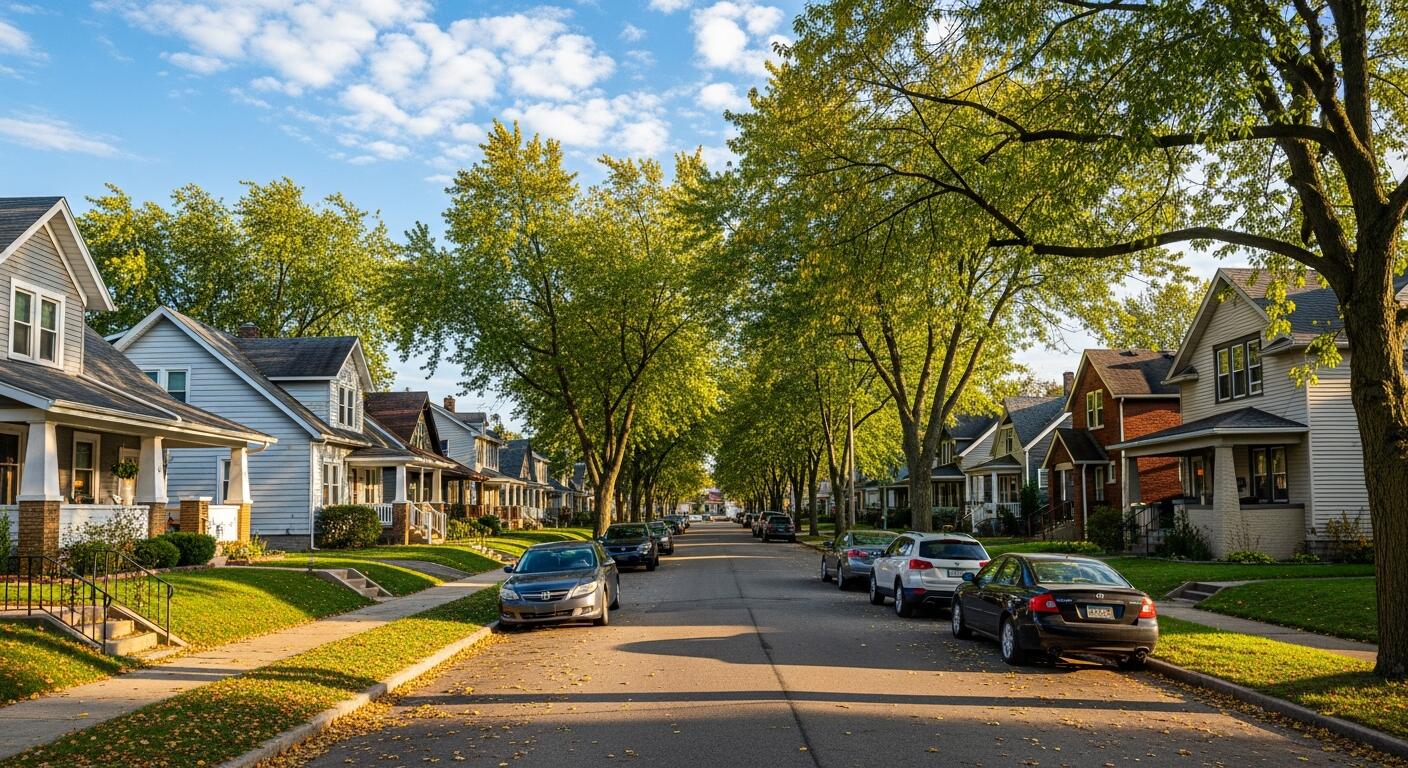
Much of Richland County's housing stock predates 1970, with substantial inventory from the early 1900s in Mansfield and Shelby. Construction style shapes nearly every restoration decision.
Common Building Types
- Early-century frame homes - plaster over wood lath, balloon framing, and full-height basements with stone or block foundations
- Postwar ranches - poured slab or block basements, hardwood over plank subfloor, minimal wall insulation
- 1970s-90s split levels - partially below-grade family rooms that flood readily and hold moisture
- Rural farmhouses - crawl spaces, cellar-style basements, private wells, and septic systems
- Newer subdivisions - engineered joists, vinyl plank flooring, and tighter envelopes that trap humidity
How Age Affects the Work
- Balloon framing lets fire, smoke, and water travel vertically inside wall cavities, so inspection must extend well past visible damage.
- Plaster holds moisture longer than drywall and requires extended drying with careful monitoring before refinishing.
- Pre-1980 materials may contain asbestos in floor tile, mastic, or pipe wrap - testing precedes demolition.
- Stone foundations weep continuously, making dehumidification and drainage correction part of any basement project.
- Finished basements built over block walls without vapor barriers are the most common site of hidden mold growth.
- Original single-pane windows and uninsulated rims create condensation points that feed recurring microbial issues.
Environmental Conditions & Damage Implications
Richland County averages roughly 40 inches of precipitation annually, with humid summers and freeze-thaw winters. Those conditions interact directly with how buildings hold and shed moisture.
Climate and Soil Factors
- Clay-rich glacial till - drains poorly, expands when saturated, and presses against foundation walls, forcing water through cracks and cove joints
- Elevated terrain - the county's high point near Bellville means many properties sit on slopes where surface runoff concentrates at downhill foundations
- Summer dew points in the 60s and 70s - keep unconditioned basements above the 60 percent relative humidity threshold where mold thrives
- Freeze-thaw cycling - widens mortar joints and concrete cracks each winter, creating new entry points every spring
- Hard groundwater - mineral content leaves scale that accelerates water heater and supply line failures
Impact on Restoration Approach
- Drying plans account for ambient humidity - open-window drying is ineffective from June through September and often makes conditions worse.
- Sewage cleanup on properties with private septic systems requires evaluating whether the leach field itself has failed.
- Smoke odor lingers longer in tightly built homes, so HVAC cleaning and hydroxyl or ozone treatment are standard follow-ups.
- Mold remediation pairs removal with humidity control, since untreated basements re-colonize within a season.
- Post-fire runoff from suppression water frequently creates a secondary water loss that must be addressed simultaneously.
Emergency Response Timelines and Insurance Documentation in Richland County
Restoration outcomes track closely with response speed. Clean water becomes contaminated as it contacts building materials, and mold can begin establishing within a day or two under warm conditions.
What Happens in the First Hours
- Call and dispatch - reach a live crew at (567) 241-6393, (419) 687-0789, (330) 825-1803, 419-982-5575, or 877-377-1274. One-hour emergency response is standard for water losses in the Mansfield area.
- Source control - shut off the water main, isolate the failed appliance, or tarp and board the structure after a fire.
- Safety assessment - evaluate electrical hazards, structural integrity, and contamination category before anyone enters.
- Documentation - photograph every affected room, log moisture readings, and record contents before anything is moved.
- Extraction and containment - remove standing water, set containment for sewage or mold work, and begin negative air where needed.
- Drying setup - place air movers and dehumidifiers, then monitor daily until materials reach dry standard.
Working With Your Insurer
- Report the loss promptly and request your claim number before demolition begins.
- Keep receipts for temporary lodging, replacement essentials, and emergency mitigation.
- Ask whether sewer backup and sump pump failure endorsements are on your policy - standard homeowner coverage frequently excludes both.
- Request that moisture logs and drying certificates be included in the file, since adjusters rely on them to approve reconstruction scope.
- Do not discard damaged contents until they have been inventoried and photographed.
Restoration firms familiar with Richland County adjusters and building departments can move paperwork alongside the physical work, which keeps reconstruction from stalling once drying finishes.