
Damage Restoration in Portsmouth, OH
- Damage Restoration Services Overview
- Common Damage Restoration Issues in Portsmouth, Ohio
- Neighborhoods We Serve in Portsmouth
- Seasonal Damage Patterns in Portsmouth
- Housing Characteristics & Restoration Considerations
- Environmental Conditions & Damage Implications
- 24/7 Emergency Response Across Portsmouth and Scioto County
Damage Restoration Services Overview
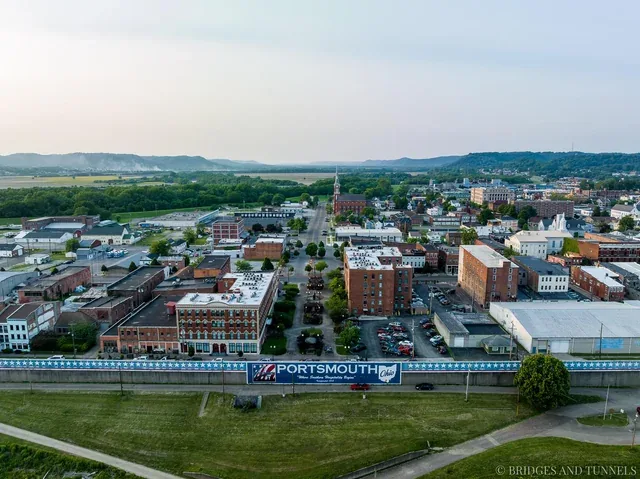
Water that sits for a day becomes a mold problem in a week and a structural problem in a month. Smoke residue left on walls etches paint and metal, sewage backups drive bacteria into subfloor seams, and untreated basement moisture quietly rots joists above it. In Portsmouth, Ohio, where many homes sit on older foundations near the Ohio and Scioto rivers, the gap between damage and response shapes the entire repair bill.
RestorationRX handles the full range of property emergencies for Portsmouth homeowners and business owners:
- Water Damage Restoration - burst supply lines, appliance failures, roof leaks, and hidden pipe seepage inside walls
- Flooded Basement Recovery - extraction, structural drying, and moisture mapping below grade
- Sewage Cleanup - containment, removal of contaminated materials, antimicrobial treatment, and odor control
- Fire Damage Restoration - debris removal, soot cleanup, salvage sorting, and stabilization of affected areas
- Smoke Damage Restoration - residue removal from framing, HVAC systems, textiles, and porous surfaces
- Mold Removal - containment barriers, HEPA filtration, affected material removal, and humidity correction
Benefits for Scioto County property owners include faster drying times, documented moisture readings for insurance carriers, reduced material loss, and cleaner indoor air once the work is finished.
Common Damage Restoration Issues in Portsmouth, Ohio
Portsmouth sits at the confluence of the Ohio and Scioto rivers, and that geography drives much of the local damage pattern. High river stages push groundwater up against foundations, storm cells rolling through the valley overwhelm older drainage, and humid summer air keeps basements and crawl spaces damp long after the rain stops.
Local Causes We See Most
- Hydrostatic pressure forcing water through basement wall cracks and cove joints
- Combined or aging sanitary lines backing up during heavy rainfall events
- Failed sump pumps during multi-day storm systems
- Frozen and split pipes in uninsulated crawl spaces and unheated additions
- Kitchen and chimney fires in older homes with dated wiring or unlined flues
- Space heater and wood stove incidents during cold snaps
- Persistent crawl space moisture feeding mold growth under floors
Warning Signs Worth Acting On
- Musty odor that intensifies on humid days or after running the HVAC
- Efflorescence, chalky white deposits, or dark staining on block basement walls
- Cupping hardwood, bubbling paint, or soft spots in flooring
- Gurgling floor drains or slow drainage in lower-level fixtures
- Yellow-brown staining that reappears on ceilings after cleaning
- Lingering smoke odor weeks after a small fire, especially when heat runs
- Unexplained allergy symptoms that improve when occupants leave the building
Any of these signals a moisture or contamination source that is still active. Documentation early in the process also strengthens an insurance claim.
Neighborhoods We Serve in Portsmouth
Our crews cover the city and the surrounding Scioto County communities, including:
- Downtown Portsmouth and the Boneyfiddle historic district
- The East End and Sciotoville
- West Portsmouth and Rosemount
- Hillview, Highland Bend, and the hillside neighborhoods above Grandview Avenue
- New Boston, Wheelersburg, and Franklin Furnace
- Lucasville, Minford, and Otway
- South Webster, Stout, and Friendship
- South Shore and Greenup, Kentucky, across the river
Each area presents different challenges. Boneyfiddle's brick commercial buildings need careful masonry drying after water intrusion. Hillside properties in Hillview deal with slope runoff pushing water toward foundations. Riverbottom areas in Sciotoville and New Boston face high water tables that keep basements and crawl spaces damp year-round.
Seasonal Damage Patterns in Portsmouth
Restoration demand in the Ohio River valley follows a predictable rhythm:
- January - February: Frozen and burst pipes lead the calls, along with heating-related fire and smoke damage from furnaces, space heaters, and wood stoves. Ice dams push water into upper-floor ceilings.
- March - April: Snowmelt combined with spring rain raises river and groundwater levels. Flooded basements, sump pump failures, and sewage backups spike sharply during this window.
- May - June: Severe thunderstorms bring wind-driven rain, roof leaks, and sudden basement water intrusion. Mold growth begins accelerating as temperatures climb.
- July - August: Humidity keeps crawl spaces and basements above safe moisture thresholds. This is peak season for mold removal and condensation-related damage on ductwork and cold surfaces.
- September - October: Remnants of tropical systems occasionally reach southern Ohio, producing heavy rainfall and drainage overloads. Grilling and early heating fires appear.
- November - December: Holiday cooking fires, chimney fires, and the first hard freezes drive water and smoke damage calls back up.
Housing Characteristics & Restoration Considerations
Portsmouth has one of the older housing stocks in southern Ohio. A large share of homes were built before 1950, with plenty of turn-of-the-century frame houses, brick foursquares, and post-war bungalows still occupied. That age affects nearly every restoration decision.
Construction Types and What They Mean
- Stone and unreinforced block foundations: porous and prone to seepage, requiring longer drying cycles and moisture readings taken deep into the material
- Plaster over wood lath: holds water and smoke residue far longer than drywall and needs specialized cleaning rather than replacement wherever possible
- Balloon framing: open wall cavities that let water and smoke travel between floors, so inspection must extend beyond the visible damage
- Dirt-floor crawl spaces: constant vapor source feeding mold growth in floor joists and subfloor
- Cast iron and clay sewer laterals: cracked or root-invaded lines that back up under heavy rain
- Knob-and-tube or early cloth wiring: a recognized fire origin point in unrenovated homes
How We Adjust
- Cavity drying with injection systems instead of unnecessary demolition of original plaster and trim
- Careful documentation of pre-1980 materials that may contain asbestos or lead before disturbance
- Vapor barriers and dehumidification sized for open crawl spaces
- Soot removal methods matched to substrate - dry sponge for plaster, chemical sponge for painted wood, HEPA vacuuming for insulation
- Contaminated material removal after sewage events, since porous flooring and drywall in older homes rarely cleans safely
Environmental Conditions & Damage Implications
Portsmouth's location in a river valley creates conditions that shape how damage develops and how drying must be handled.
Climate and Humidity
- Warm, humid summers with dew points that regularly sit in the upper 60s and low 70s
- Roughly 42 inches of annual precipitation, concentrated in spring and early summer
- Valley fog and stagnant air that slow natural evaporation
- Freeze-thaw cycling through winter that widens foundation cracks year over year
Water and Soil
- High water table in bottomland areas near the Ohio and Scioto rivers
- Clay-heavy and silty alluvial soils that hold water against foundation walls rather than draining
- Hillside runoff from the surrounding ridges concentrating at the base of slopes
- Older storm and sanitary infrastructure that can surcharge during intense rainfall
What This Means for Restoration
- Mold: ambient humidity alone can sustain growth, so drying targets must account for outdoor dew point, not just surface moisture
- Basements: extraction is only step one - correcting the water path and controlling humidity prevents repeat flooding
- Sewage: saturated soil raises the odds of lateral line backup, making containment and disinfection non-negotiable
- Smoke: humid air keeps acidic soot residues active on metal, glass, and finishes, so early cleaning limits permanent etching
- Crawl spaces: encapsulation and dehumidification are often the only lasting fix in valley properties
24/7 Emergency Response Across Portsmouth and Scioto County
The first hours after water enters a building determine how much of it can be saved. Drywall wicks moisture upward within minutes, particleboard cabinetry swells in hours, and microbial growth can begin within a day or two under the right conditions. Sewage contamination and fire residues carry their own clock - bacteria multiply, and soot becomes progressively harder to remove as it settles and reacts with surfaces.
What Happens When You Call
- Immediate dispatch - crews respond around the clock across Portsmouth, New Boston, Wheelersburg, Lucasville, and the surrounding county
- Source control - stopping active water, isolating sewage, or securing a fire-damaged structure before anything else
- Assessment and documentation - moisture meters, thermal imaging, and photographic records for your insurance carrier
- Extraction and removal - standing water pulled out, unsalvageable and contaminated materials removed under containment
- Structural drying - commercial air movers and dehumidifiers placed to match the load, with daily readings tracked to dry standard
- Cleaning and treatment - antimicrobial application, soot and odor removal, HEPA air scrubbing
- Verification - confirmation that materials have returned to normal moisture levels before rebuild discussion begins
Steps to Take Before Crews Arrive
- Shut off the water main if a supply line has failed
- Cut power to affected areas only if the panel can be reached safely and dry
- Keep everyone clear of standing water that may contain sewage
- Do not run the HVAC after a fire - it spreads smoke residue through the ductwork
- Photograph conditions before moving anything
- Lift small furnishings off wet flooring if it is safe to do so
Certified technicians, calibrated equipment, and direct experience working with insurance adjusters mean less back-and-forth and a faster path to a dry, clean, usable property.





