
Damage Restoration in Fremont, OH
- Damage Restoration Services Overview
- Common Damage Restoration Issues in Fremont, Ohio
- Neighborhoods We Serve in Fremont
- Seasonal Damage Patterns in Fremont
- Housing Characteristics & Restoration Considerations
- Environmental Conditions & Damage Implications
- Sump Pumps, Sewer Backups, and Basement Protection in Fremont
Damage Restoration Services Overview
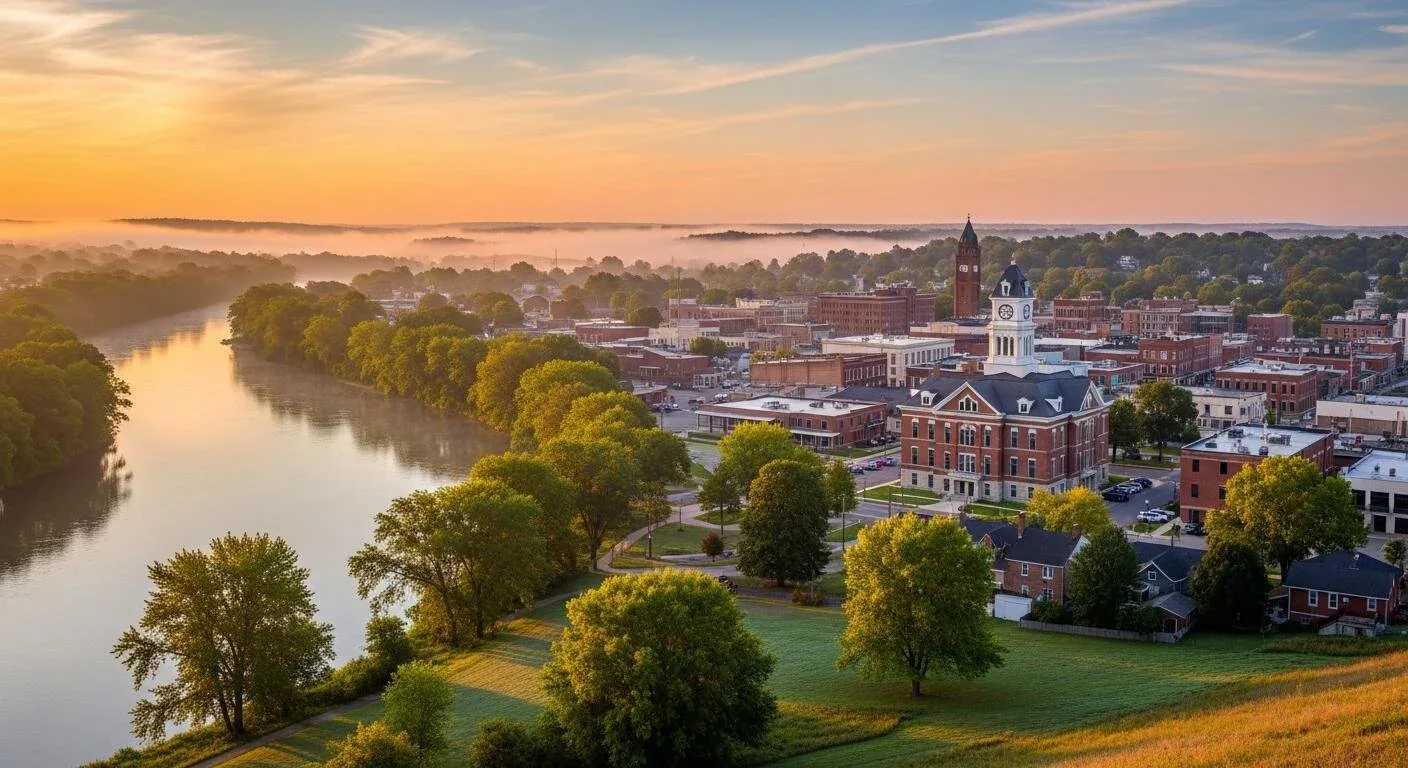
Fremont sits on ground that was once part of the Great Black Swamp - a 1,500-square-mile wetland that was drained by tile and ditch systems in the 1800s. That history still shapes property damage here, because the heavy clay left behind sheds water sideways instead of absorbing it downward, sending it toward basement walls along Croghan Street, Birchard Avenue, and the neighborhoods flanking the Sandusky River.
Our restoration teams handle the full range of emergency and recovery work Sandusky County properties need:
- Water Damage Restoration - extraction, structural drying, moisture mapping, and controlled dehumidification after supply line breaks, roof leaks, and appliance failures
- Flooded Basement Cleanup - pump-outs, content removal, and drying for below-grade spaces after sump pump failures or groundwater intrusion
- Sewage Cleanup - containment, removal, and disinfection of Category 3 contamination from backed-up floor drains and failed laterals
- Fire Damage Restoration - site stabilization, debris removal, soot cleaning, and structural rebuild coordination
- Smoke Damage Restoration - surface cleaning, air scrubbing, and odor neutralization for areas the flames never touched
- Mold Removal - containment barriers, HEPA filtration, affected material removal, and moisture source correction
Benefits for Fremont homeowners include faster drying that limits secondary mold growth, documentation that supports insurance claims, and a single crew managing the project from assessment through reconstruction.
Common Damage Restoration Issues in Fremont, Ohio
Weather, aging infrastructure, and clay soils combine to create predictable damage patterns across Fremont and Ballville Township.
Leading Causes We Respond To
- Sump pump failures during heavy spring rain events, especially when power outages accompany storms
- Frozen and burst pipes in uninsulated crawl spaces, exterior walls, and unheated basements from mid-December through March
- Sanitary sewer backups when high groundwater and inflow overwhelm older laterals and combined drainage sections
- Sandusky River rises that saturate soils and raise the water table across low-lying riverfront properties
- Kitchen and laundry appliance leaks - supply hoses, ice maker lines, and water heaters that fail without warning
- Chimney, furnace, and electrical fires in older homes with legacy wiring and heavily used heating systems
Warning Signs Worth Acting On
- Efflorescence, white chalky streaks, or dark staining along basement block walls
- A musty smell that intensifies when the HVAC system cycles on
- Floor drains that gurgle or drain slowly during rainfall
- Buckling hardwood, cupped floorboards, or soft spots near exterior walls
- Yellowish soot film on ceilings and above door frames after a small kitchen fire
- Persistent smoke odor that returns on humid days even after cleaning
Small signals often precede large losses. A slow drip behind drywall can support mold colonization within days, and a single sewage backup contaminates porous materials that cannot be cleaned in place.
Neighborhoods We Serve in Fremont
Our crews cover Fremont proper and the surrounding Sandusky County and Firelands communities:
- Downtown Fremont and the Front Street business corridor
- The Spiegel Grove and Hayes Avenue historic district
- Birchard Avenue, Croghan Street, and Buckland Avenue neighborhoods
- Ballville Township and the riverfront properties south of the former dam site
- Sandusky Avenue, Napoleon Street, and the near-west residential blocks
- North Fremont, State Route 53 and State Route 20 corridors
We also respond throughout Sandusky County and neighboring areas including Clyde, Gibsonburg, Green Springs, Lindsey, Woodville, Bellevue, Vickery, Helena, Burgoon, and Oak Harbor. Properties near the river, on clay-heavy lots, and in older platted sections tend to see repeat basement water issues, so our technicians know the drainage quirks of these streets before they arrive.
Seasonal Damage Patterns in Fremont
Winter (December - February)
- Frozen and burst pipes during extended sub-freezing stretches
- Ice damming that pushes meltwater under shingles and into ceilings
- Heating-related fire and smoke damage from furnaces, space heaters, and chimneys
Spring (March - May)
- Peak season for flooded basements as snowmelt meets saturated clay soils
- Sump pump overload and failure during multi-day rain events
- Sewage backups when groundwater infiltrates aging collection lines
Summer (June - August)
- Mold growth accelerating in humid basements and closed-up crawl spaces
- Storm-driven roof and window water intrusion from fast-moving thunderstorms
- Air conditioning condensate line clogs causing hidden ceiling and wall damage
Fall (September - November)
- Clogged gutters and downspouts directing water against foundations
- First-use furnace and fireplace incidents producing smoke and soot deposits
- Mold discoveries as seasonal properties and closed rooms are reopened
Housing Characteristics & Restoration Considerations
Fremont's housing stock skews older than the Ohio average, with a large share of homes built before 1960 and a meaningful cluster of late-1800s and early-1900s residences near the historic core.
Construction Types and What They Mean for Restoration
- Stone and rubble foundations - common in pre-1920 homes, porous and prone to seepage, requiring extended drying and often interior treatment after flooding
- Concrete block basements - hollow cores hold water invisibly, so we drill weep holes or remove base courses of drywall to dry cavities properly
- Balloon-framed walls - open stud bays let fire, smoke, and water travel vertically between floors, expanding the affected area beyond what is visible
- Plaster and wood lath - holds moisture far longer than drywall and needs different assessment before removal decisions are made
- Cast iron and galvanized drain lines - corrosion and root intrusion contribute to recurring sewage backups
- Finished basements added later - carpet, paneling, and framing installed without vapor barriers trap moisture and support mold
Additional Factors
- Knob-and-tube or early wiring in some historic homes raises fire risk and complicates post-fire electrical assessment
- Asbestos-containing floor tile, pipe wrap, and plaster may be present in pre-1980 construction and requires proper handling
- Lead-based paint considerations apply during demolition in older homes
- Original woodwork, trim, and built-ins are often salvageable with careful controlled drying and soot cleaning rather than replacement
Environmental Conditions & Damage Implications
Fremont's environment sits at the intersection of Lake Erie moisture, flat lakebed topography, and dense clay - a combination that shapes nearly every restoration project in the area.
Soil and Groundwater
- Poorly draining clay loam soils hold water at the surface and against foundation walls
- Flat terrain with limited natural slope means downspout extensions and grading matter enormously
- Shallow water tables rise quickly after rain, increasing hydrostatic pressure on basement floors and cove joints
- Historic agricultural tile drainage can fail or become blocked, redirecting water toward structures
Climate and Humidity
- Summer dew points frequently support mold growth in unconditioned basements and crawl spaces
- Freeze-thaw cycling opens foundation cracks that later admit water
- Annual precipitation distributed across all seasons keeps soil moisture high year-round
- Lake-influenced storms can deliver heavy rainfall totals in short windows
Air and Water Quality Implications
- Mold spore counts rise indoors when relative humidity stays above 60 percent - we target drying below that threshold
- Smoke residues bond aggressively to cool surfaces in winter, requiring solvent-specific cleaning rather than general washing
- Sewage-contaminated water carries bacterial and viral hazards, so containment, PPE, and antimicrobial application are non-negotiable
- Agricultural runoff nearby can add nutrient load to floodwater, accelerating microbial growth on wet materials
Sump Pumps, Sewer Backups, and Basement Protection in Fremont
Most Fremont basements depend on a single sump pump and a single power source. That arrangement works fine until a spring storm knocks out electricity or the pump's float switch sticks - and then a finished lower level takes on inches of water in under an hour.
Why Fremont Basements Flood
- Clay soil sheds rainfall toward the foundation instead of absorbing it
- Hydrostatic pressure builds against walls and the floor slab
- Water enters through the cove joint, wall cracks, or block cores
- The sump pit fills faster than the pump can discharge
- Discharge lines that terminate too close to the house recirculate the same water
Practical Prevention Steps
- Install a battery backup or water-powered secondary pump
- Test the primary pump by pouring water into the pit before spring rains arrive
- Extend discharge lines and downspouts well away from the foundation
- Add a backwater valve to reduce sewer backup risk on older laterals
- Regrade soil so it slopes away from the house on all sides
- Keep stored belongings on shelving rather than directly on the slab
What Happens When We Arrive
- Safety assessment - electrical hazards, contamination category, structural concerns
- Water extraction using truck-mounted and portable equipment
- Removal of unsalvageable porous materials, particularly after sewage exposure
- Antimicrobial application and full sanitization of affected surfaces
- Placement of air movers and dehumidifiers with daily moisture monitoring
- Documentation and photographs prepared for your insurance carrier
- Reconstruction of removed drywall, flooring, and finishes
The same discipline applies to fire and smoke losses, where firefighting water often lands in the basement and creates a combined water, soot, and odor problem that has to be sequenced correctly. Handling drying, cleaning, and deodorization in the right order keeps Fremont properties from facing a second restoration project months later.





