
Damage Restoration in Steubenville, OH
- Damage Restoration Services Overview
- Common Damage Restoration Issues in Steubenville, Ohio
- Neighborhoods We Serve in Steubenville
- Seasonal Damage Patterns in Steubenville
- Housing Characteristics & Restoration Considerations
- Environmental Conditions & Damage Implications
- Sewer Backups and Basement Flooding in Steubenville's Older Drainage System
Damage Restoration Services Overview
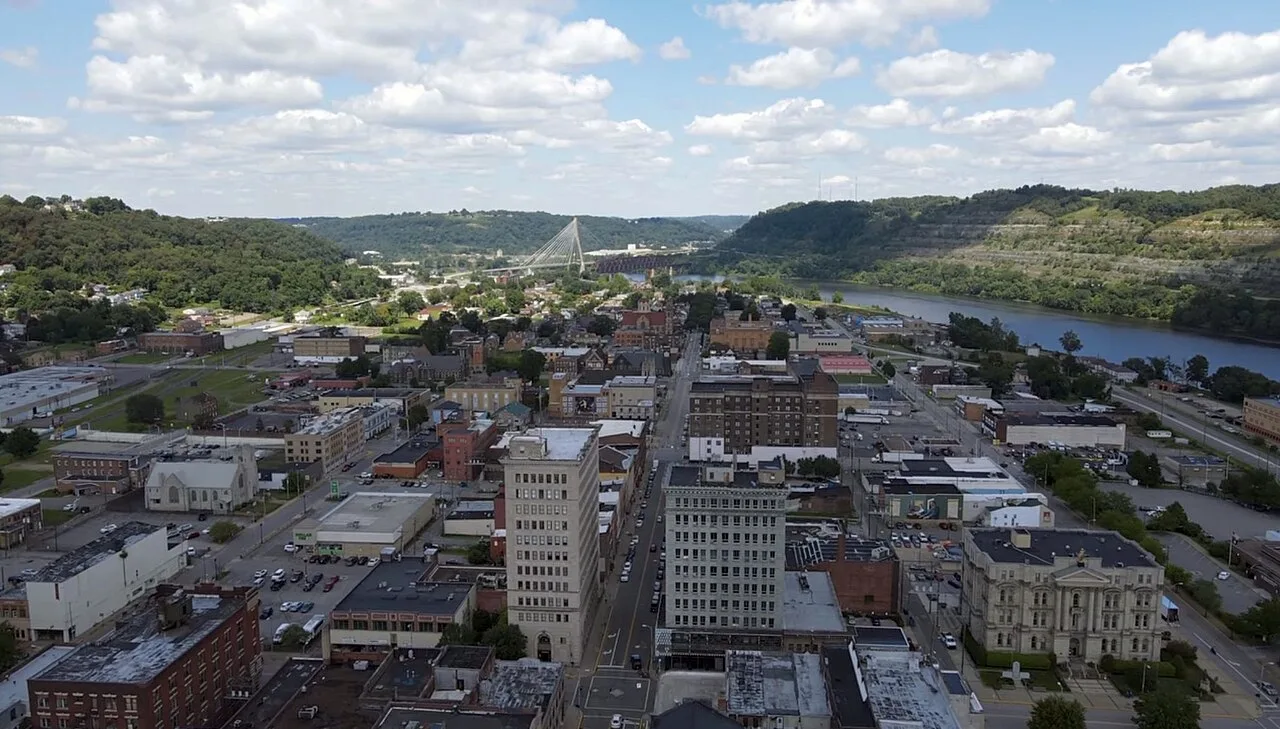
A burst pipe at 2 a.m., a basement filling with water during a Ohio Valley downpour, or the smell of smoke lingering after a kitchen fire - property damage arrives without warning and leaves homeowners scrambling. In Steubenville, where hillside homes, aging infrastructure, and Ohio River weather patterns all play a role, fast and knowledgeable response makes the difference between a manageable repair and a full reconstruction.
Restoration work in this area typically covers six connected problem areas:
- Water Damage Restoration - extraction, structural drying, moisture mapping, and repair of saturated building materials
- Flooded Basement - pumping standing water, drying foundation walls, and addressing sump pump or drainage failures
- Sewage Cleanup - removal of contaminated water, disinfection, and safe disposal of porous materials touched by Category 3 water
- Fire Damage Restoration - securing the structure, debris removal, soot cleaning, and rebuilding damaged framing and finishes
- Smoke Damage Restoration - odor neutralization, HVAC cleaning, and treatment of walls, textiles, and contents affected by residue
- Mold Removal - containment, air filtration, removal of colonized materials, and correction of the moisture source
The benefit for Steubenville property owners is straightforward: contained damage, healthier indoor air, preserved belongings, and documentation that supports an insurance claim from the first day forward.
Common Damage Restoration Issues in Steubenville, Ohio
Steubenville sits on steep terrain above the Ohio River, and that topography shapes nearly every water-related call. Runoff moves downhill fast, collecting against foundations on lower-lying streets and overwhelming drains that were built for a different era of rainfall.
Frequent Causes of Damage
- Heavy spring and summer thunderstorms sending sheet flow toward hillside basements
- Combined and aging sewer lines that back up during sustained rain, creating sewage cleanup emergencies
- Sump pump failures during power outages, a leading cause of flooded basements
- Frozen and burst supply lines in unheated crawl spaces and older additions
- Cast iron and galvanized plumbing corrosion in homes built before the 1960s
- Kitchen grease fires, chimney and flue fires, and space heater incidents during cold months
- Roof leaks and ice dams feeding slow, hidden moisture into attic insulation
Warning Signs Worth Acting On
- Musty or earthy odors in basements, closets, or near baseboards
- Efflorescence - white chalky residue - on block foundation walls
- Bubbling paint, cupping hardwood, or soft drywall low on a wall
- Gurgling floor drains or slow-draining fixtures before a storm
- Persistent smoke odor that returns on humid days after a small fire
- Unexplained allergy symptoms that ease when occupants leave the house
Waiting even a day or two allows clean water to migrate into wall cavities, and mold colonization can begin quickly in a warm, closed basement.
Neighborhoods We Serve in Steubenville
Restoration crews cover the full city and the surrounding Jefferson County communities, including hillside neighborhoods where access and drainage both present challenges.
- Downtown Steubenville and the Historic Fort Steuben district
- North End and the University District near Franciscan University
- South End and Pleasant Heights
- LaBelle and Belleview Boulevard corridor
- Brady Estates, Sunset Boulevard, and West Steubenville
- Wintersville, Mingo Junction, Toronto, and Richmond
- Bloomingdale, Wells Township, and Cross Creek Township
- Neighboring Weirton and Follansbee, WV, across the river
Response includes single-family homes, older brick duplexes, rental properties near campus, churches, restaurants, offices, schools, and healthcare facilities. Commercial work is scheduled around business hours where possible to limit downtime and revenue loss.
Seasonal Damage Patterns in Steubenville
Each season brings its own predictable pattern of restoration calls across the Ohio Valley.
- December through February - Frozen pipe breaks peak during hard freezes, especially in vacant rentals and unheated basements. Heating equipment, fireplaces, and candles drive fire and smoke damage calls.
- March and April - Snowmelt combined with spring rain saturates hillside soils, pushing groundwater through foundation cracks and producing the year's heaviest flooded basement volume.
- May through July - Fast-moving thunderstorms overwhelm storm drains and sewer laterals, leading to backups that require sewage cleanup and full disinfection.
- July through September - High humidity keeps basements and crawl spaces damp, and mold removal requests climb sharply, often stemming from spring water intrusion never fully dried.
- October and November - Leaf-clogged gutters and downspouts redirect roof water against foundations. Chimney and furnace startup issues begin generating smoke damage calls.
Scheduling gutter cleaning, sump pump testing, and dryer vent inspection ahead of these windows prevents a large share of avoidable emergencies.
Housing Characteristics & Restoration Considerations
Steubenville's housing stock skews older than the national average, with a large share of homes built between the 1900s and 1950s during the steel and industrial boom. That age directly shapes how restoration is planned and executed.
Construction Features That Affect Restoration Work
- Stone and unreinforced block foundations - porous, absorbent, and slow to dry, requiring extended dehumidification after a flooded basement
- Plaster over wood lath - holds moisture and soot differently than drywall and often needs specialized cleaning rather than replacement
- Balloon framing in older two-story homes - open wall cavities allow water, smoke, and fire to travel vertically between floors
- Hardwood flooring over plank subfloor - salvageable with early extraction and targeted drying mats, but prone to cupping if left wet
- Coal chutes, cisterns, and converted basements - hidden voids where moisture and mold hide from casual inspection
- Knob-and-tube or partially updated wiring - demands careful power isolation before extraction equipment is deployed
- Vinyl siding over original wood clapboard - traps smoke residue and moisture behind the surface layer
Homes on Steubenville's steep lots frequently have walkout or partially buried basements, meaning one wall sits fully below grade while another is exposed. That imbalance creates uneven drying rates and hydrostatic pressure at specific points. Older brick masonry also absorbs soot deeply during a fire, so smoke damage restoration often requires chemical sponging, abrasive cleaning, and sealing rather than simple washing.
Environmental Conditions & Damage Implications
The local climate and geology have a measurable effect on how quickly damage spreads and how long drying takes.
Climate and Moisture
- Roughly 40 inches of annual precipitation, distributed across all four seasons
- Summer relative humidity frequently exceeding 70 percent, slowing evaporation and feeding mold growth
- Repeated freeze-thaw cycles that widen foundation cracks and mortar joints year after year
- River valley fog and temperature inversions that keep surfaces damp longer than surrounding uplands
Soil and Water Conditions
- Clay-heavy and shale-derived soils with poor percolation, holding water against foundation walls
- Steep hillside grading that channels runoff toward downslope structures
- Perched groundwater emerging seasonally through basement floor joints
- Hard water with mineral content that leaves scale in plumbing and accelerates fixture failures
Air Quality Factors
- Industrial and river-valley particulate that settles into HVAC systems, compounding smoke odor problems
- Inversion conditions that hold smoke odor inside a structure longer after a fire
- High pollen and mold spore counts in late summer, worsening symptoms in homes with existing moisture issues
Because of these conditions, drying plans here typically run longer than textbook estimates, and mold removal almost always includes a permanent moisture-source correction rather than surface cleaning alone.
Sewer Backups and Basement Flooding in Steubenville's Older Drainage System
Few restoration situations rattle a homeowner more than sewage surfacing through a basement floor drain. In parts of Steubenville, older combined lines carry both stormwater and sanitary waste, and a heavy summer storm can pressurize the system until the nearest low point - often a basement - becomes the relief valve.
Why It Happens Here
- Aging clay and cast iron laterals cracked by root intrusion and soil movement
- Combined stormwater and sanitary flow overwhelmed during high-intensity rainfall
- Basements set below the street main, leaving gravity working against the homeowner
- Missing or failed backwater valves in homes never retrofitted
- Downspouts and sump discharge tied into the sanitary line, adding volume during storms
How the Response Is Handled
- Isolate power and ventilate the space, then confirm the water category before anyone enters
- Extract standing sewage with dedicated pumps and containment
- Remove and dispose of porous materials - carpet, pad, drywall bottoms, insulation, particleboard furniture
- Clean and pressure wash hard surfaces, then apply antimicrobial treatment to floors, walls, and framing
- Set air movers, dehumidifiers, and HEPA air scrubbers, monitoring moisture readings daily
- Verify dryness and clearance before rebuild work begins
- Document every step with photos, moisture logs, and material inventory for the insurance file
Preventing the Next Event
- Install or service a backwater valve on the main lateral
- Add a battery backup or water-powered sump pump for outage protection
- Extend downspouts well away from the foundation and regrade low spots
- Schedule camera inspection of laterals in homes with mature trees near the sewer run
- Store belongings on shelving rather than directly on basement floors
Each Steubenville property drains differently, so the drying plan, containment layout, and rebuild scope are built around that specific structure rather than a fixed template.




