
Damage Restoration in Sunbury, OH
- Damage Restoration Services Overview
- Common Damage Restoration Issues in Sunbury, Ohio
- Neighborhoods We Serve in Sunbury
- Seasonal Damage Patterns in Sunbury
- Housing Characteristics & Restoration Considerations
- Environmental Conditions & Damage Implications
- Storm Response and Insurance Documentation for Sunbury Property Owners
Damage Restoration Services Overview
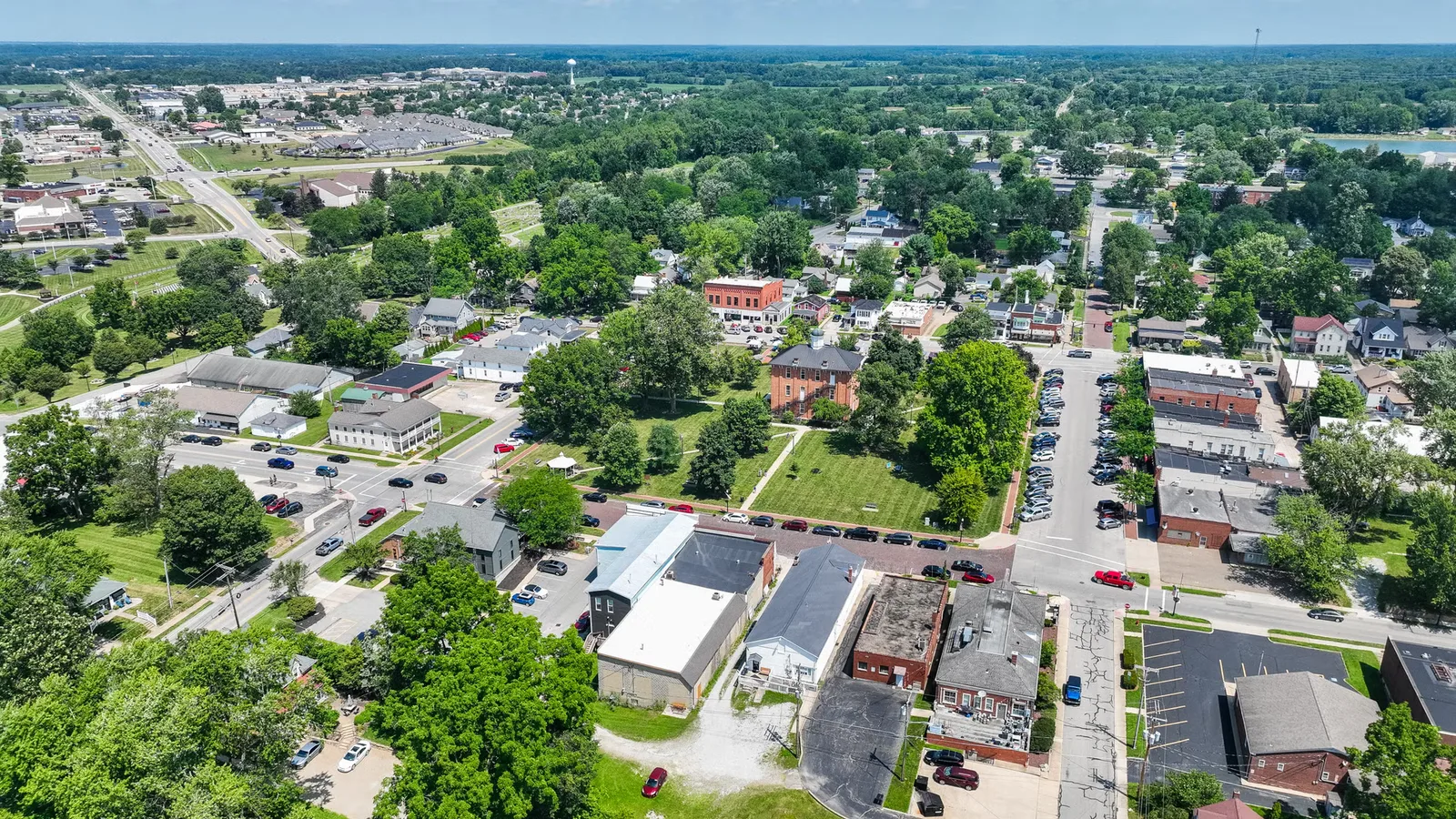
Sunbury sits at the northern edge of Delaware County, where older village homes around the square meet fast-growing subdivisions built on former farmland. That mix creates restoration challenges you won't find in a uniform suburb - a 19th-century frame house with a stone foundation needs a very different drying plan than a 2018 build with a poured basement and finished lower level.
Restoration work in this area generally falls into six connected categories:
- Water Damage Restoration - extraction, structural drying, and moisture mapping after supply line breaks, appliance failures, and roof leaks
- Flooded Basement - pump-outs, saturated content removal, and drying of finished lower levels after sump failure or groundwater intrusion
- Sewage Cleanup - containment, removal of contaminated porous materials, and antimicrobial treatment after backups or septic failures
- Fire Damage Restoration - board-up, debris removal, structural cleaning, and rebuild coordination
- Smoke Damage Restoration - soot removal from surfaces and HVAC systems, odor neutralization, and content cleaning
- Mold Removal - containment, affected material removal, air scrubbing, and moisture source correction
The benefit for Sunbury property owners is straightforward: faster response limits secondary damage, and documented moisture readings and photo records make insurance claims far less frustrating for homeowners and commercial decision-makers alike.
Common Damage Restoration Issues in Sunbury, Ohio
Local geography drives most of the calls. Big Walnut Creek and its tributaries run through and around the village, and the flat-to-rolling farmland surrounding Sunbury sheds water quickly during heavy rain events.
Frequent Causes of Damage
- Sump pump failure or power loss during summer thunderstorms, leading to flooded basements in newer subdivisions
- Groundwater seepage through foundation walls and cove joints in older homes near the village center
- Frozen and burst supply lines in unheated crawl spaces, garages, and vacant properties during January cold snaps
- Sanitary sewer backups when stormwater overwhelms the system, plus septic system failures on properties outside village limits
- Kitchen fires, wood stove and fireplace incidents, and electrical faults in older knob-and-tube or aluminum-era wiring
- Roof and flashing failures after high-wind and hail events moving across Delaware County
Warning Signs Worth Acting On
- Musty odors that intensify after rain, especially near basement stairwells
- Efflorescence, bubbling paint, or dark staining along the bottom foot of finished basement drywall
- Cupping or gapping in hardwood floors above crawl spaces
- Persistent smoke odor that returns on humid days after a small kitchen fire - a sign soot has settled inside ductwork
- Slow floor drains or gurgling toilets, which often precede a full sewage backup
- Visible mold growth behind furniture on exterior-facing basement walls
Catching these early usually means drying rather than demolition.
Neighborhoods We Serve in Sunbury
Service extends across the village and the surrounding townships, with a local presence at 267 W Granville St, Ste 76, Sunbury, OH 43074.
- Historic Sunbury village center - homes surrounding the square along Granville, Columbus, and Vernon streets
- Communities at North Orange, Sunbury Meadows, and Rolling Meadows - newer subdivisions with finished basements
- Northstar and the golf course communities along the US 36/SR 37 corridor
- Berkshire Township and Trenton Township rural properties on well and septic systems
- Hoover Reservoir and Big Walnut Creek waterfront and near-water properties
- Surrounding areas - Galena, Centerburg, Condit, Kilbourne, Ashley, Delaware, and Westerville's northern edge
Coverage along the I-71 corridor also includes commercial buildings, churches, schools tied to the Big Walnut district, and small businesses near the interchange.
Seasonal Damage Patterns in Sunbury
Winter (December - February)
- Frozen pipe bursts in crawl spaces, exterior walls, and unheated outbuildings
- Ice dams forcing meltwater under shingles and into ceilings
- Peak season for heating-related fire and smoke damage from furnaces, space heaters, and fireplaces
Spring (March - May)
- Snowmelt combined with saturated ground drives the year's heaviest flooded basement volume
- Sewage backups rise as heavy rain loads the sanitary system
- Mold growth accelerates as temperatures climb into the 60s with high humidity
Summer (June - August)
- Severe thunderstorms, straight-line wind, and hail create roof leaks and storm damage
- Power outages disable sump pumps at the worst possible moment
- Air conditioning condensate line clogs cause slow, hidden ceiling and closet leaks
Fall (September - November)
- Clogged gutters from heavy leaf fall push water against foundations
- First furnace startups reveal cracked heat exchangers and produce soot puffbacks
- Ideal window for mold remediation and drainage corrections before winter
Housing Characteristics & Restoration Considerations
Sunbury's housing stock splits roughly into three eras, and each one responds differently to water, fire, and mold.
Pre-1940 Village Homes
- Stone, block, or rubble foundations that wick moisture and resist conventional drying
- Plaster and lath walls that hold water far longer than drywall and require careful cavity drying
- Balloon framing that lets smoke and fire travel vertically between floors, spreading odor throughout the structure
- Original hardwood and trim worth restoring rather than replacing when addressed quickly
1970s - 1990s Ranches and Splits
- Block basements with paneling or early drywall finishes that trap moisture behind them
- Aging galvanized or polybutylene supply lines prone to sudden failure
- Crawl spaces with degraded vapor barriers, a common source of persistent mold odor
2000s - Present Subdivision Homes
- Poured concrete basements, often fully finished with carpet, drywall, and mechanical rooms
- Tight building envelopes that hold humidity in and make dehumidification essential
- Engineered wood flooring and MDF trim that delaminate rapidly once wet
- Second-floor laundry rooms and refrigerator ice lines that can flood multiple levels before anyone notices
Homes outside village limits on septic systems face a distinct sewage cleanup risk, since a saturated leach field during spring rain can push contaminated water back into the lowest fixtures in the house.
Environmental Conditions & Damage Implications
Central Ohio's humid continental climate keeps restoration work steady year-round. Sunbury sees roughly 39 to 41 inches of annual precipitation, with summer dew points frequently in the upper 60s and relative humidity that regularly exceeds 70 percent.
Climate Effects
- Summer humidity means untreated wet materials support mold growth within 24 to 48 hours
- Winter temperature swings between thaw and hard freeze stress plumbing and foundation walls
- Long shoulder seasons keep basement humidity elevated without dehumidification
Soil and Groundwater
- Glacial till soils across Delaware County carry high clay content with slow percolation
- Clay expands when wet and contracts when dry, creating hydrostatic pressure and foundation cracks
- Shallow water tables near Big Walnut Creek and Hoover Reservoir raise seepage risk in low-lying lots
- Clay also limits septic drainage, contributing to backups on rural properties
Water and Air Quality
- Hard water from area wells and municipal supply accelerates corrosion in fittings and water heaters
- Well-served homes may lose pressure and pump function during outages, complicating cleanup
- Agricultural dust and seasonal pollen load HVAC filters, which then trap and recirculate smoke particulate after a fire
These conditions shape the drying strategy - equipment placement, dehumidifier sizing, and containment all get adjusted for local moisture loads rather than applied from a generic template.
Storm Response and Insurance Documentation for Sunbury Property Owners
Most large-loss calls in Sunbury trace back to a storm, and most disputes with carriers trace back to thin documentation. Building a defensible record from hour one matters as much as the drying equipment itself.
What Thorough Documentation Includes
- Photo and video capture of conditions before any material is removed or moved
- Moisture meter and thermal imaging readings mapped by room and recorded daily
- Structured scope-of-work notes tied to industry-standard line items adjusters recognize
- Psychrometric logs showing temperature, humidity, and grain depression through the drying cycle
- Written justification for any demolition, particularly with sewage cleanup and mold removal where porous materials must go
- Content inventories for items sent out for cleaning or deemed non-salvageable
Steps to Take After Storm or Water Damage
- Shut off power to affected areas if water has reached outlets or mechanicals - never wade into a flooded basement with live circuits
- Stop the source where safely possible, whether that's a main water valve or a tarp over a wind-damaged roof section
- Photograph everything before moving furniture or pulling carpet
- Contact your insurer to open a claim and note the claim number
- Call a restoration team for an inspection so drying begins before mold takes hold
- Keep receipts for temporary repairs, lodging, and emergency purchases
Commercial Properties
Businesses along the SR 37 and US 36 corridors have added pressure - every closed day costs revenue. Phased drying that isolates affected zones with containment barriers lets portions of a building stay operational while restoration proceeds. Restoration teams working locally since 2010 understand which Delaware County permits apply, how the Big Walnut school calendar affects access, and how to sequence fire and smoke damage restoration so rebuild work starts the moment cleaning wraps up.





