
Damage Restoration in Fostoria, OH
- Damage Restoration Services Overview
- Common Damage Restoration Issues in Fostoria, Ohio
- Neighborhoods We Serve in Fostoria
- Seasonal Damage Patterns in Fostoria
- Housing Characteristics & Restoration Considerations
- Environmental Conditions & Damage Implications
- Modern Drying Technology and Documentation for Fostoria Properties
Damage Restoration Services Overview
You come home from work on a February evening, open the basement door, and hear water running where no water should be. A supply line behind the washing machine has split, and three inches of water now covers the floor, the storage totes, and the furnace platform. Every hour that passes pushes moisture deeper into drywall, subfloor, and framing.
Fostoria property owners face a wide range of damage events, and each one calls for a different response. Restoration work in Seneca, Hancock, and Wood County homes typically covers:
- Water Damage Restoration - extraction, structural drying, and moisture mapping after burst pipes, appliance failures, roof leaks, and storm intrusion
- Flooded Basement - pump-out, content triage, and drying for below-grade spaces affected by groundwater, sump pump failure, or foundation seepage
- Sewage Cleanup - removal of contaminated material, antimicrobial treatment, and safe disposal after backups and drain line failures
- Fire Damage Restoration - emergency board-up, debris removal, structural cleaning, and rebuild coordination
- Smoke Damage Restoration - soot removal from surfaces and HVAC systems, plus odor neutralization through thermal fogging and hydroxyl treatment
- Mold Removal - containment, air filtration, affected material removal, and moisture source correction
The benefit of moving quickly is straightforward: fewer materials get discarded, fewer belongings are lost, and repair scopes stay smaller. Emergency response teams serving the Fostoria area operate around the clock because damage does not wait for business hours.
Common Damage Restoration Issues in Fostoria, Ohio
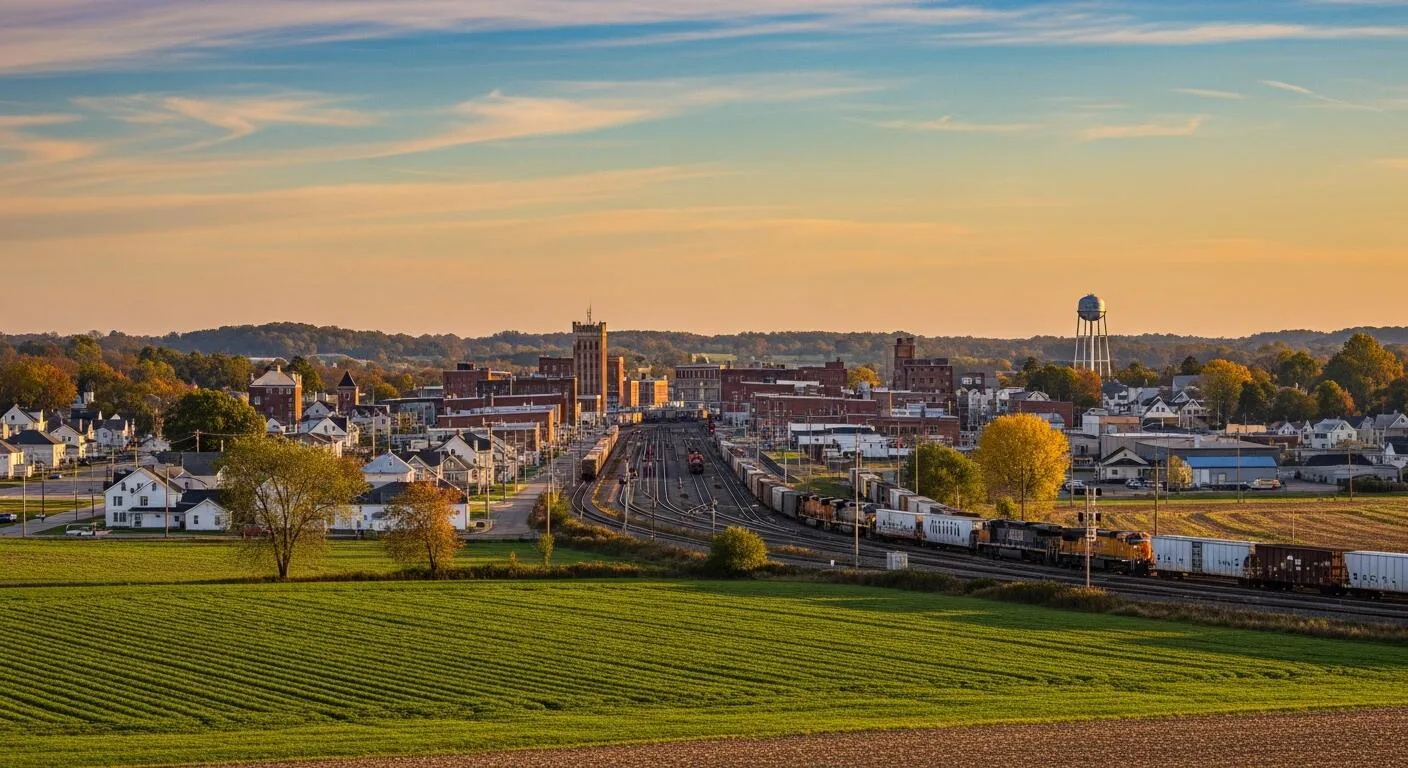
Fostoria sits on the flat glacial plain of northwest Ohio, where water drains slowly and clay soil holds moisture against foundations for days after heavy rain. That geography drives most of the local restoration calls.
Frequent Causes of Damage
- Sump pump failures during spring thaw and summer thunderstorm clusters
- Combined and aging sanitary lines that surcharge during high-volume rain events, pushing sewage into floor drains
- Frozen and burst supply lines in unheated crawlspaces, garages, and porch walls during January cold snaps
- Foundation seepage through cracked block walls in older east-side homes
- Kitchen fires from unattended cooking - still the leading residential ignition source statewide
- Electrical faults in knob-and-tube or early aluminum wiring found in pre-1960 housing stock
- Condensation and mold growth behind vinyl wall coverings and inside finished basements
Warning Signs Worth Acting On
- A musty odor that intensifies when the furnace or air conditioner runs
- Efflorescence - white chalky residue - on basement block walls
- Floor drains that gurgle when the washing machine discharges
- Paint bubbling or drywall tape lifting near baseboards
- Soot streaks above outlets, doorframes, or return air vents after a small fire
- Smoke odor that returns on humid days even after surface cleaning
- Recurring allergy symptoms that ease when occupants leave the house
Catching any of these early keeps a mitigation project from becoming a full reconstruction.
Neighborhoods We Serve in Fostoria
Restoration crews respond throughout the city and the surrounding rural townships, including:
- Downtown Fostoria and the Main Street corridor, with its brick commercial buildings and upper-floor apartments
- The Fostoria Junction rail district and adjacent older residential blocks
- Neighborhoods around Fostoria High School, Longfellow Elementary, and Fostoria Community Hospital
- Sandusky Street, Perry Street, County Line Street, and Tiffin Street corridors
- Newer subdivisions on the north and west edges of the city
- Loudon, Jackson, Perry, and Washington Township properties outside city limits
Service also extends to nearby communities such as Tiffin, Findlay, Fremont, Bascom, Arcadia, New Riegel, Bloomdale, North Baltimore, Risingsun, and Kansas. Because Fostoria straddles three counties, crews stay familiar with the permitting, utility, and municipal water department contacts in each - a practical advantage when a project requires shutoffs, inspections, or documentation for an insurance carrier.
Seasonal Damage Patterns in Fostoria
Winter (December - February)
- Frozen and burst pipes during subzero stretches and rapid refreezes
- Ice damming on low-slope roofs, driving water into ceilings and wall cavities
- Peak heating-season fires from furnaces, space heaters, and wood stoves
- Smoke odor circulating through closed-up houses with no ventilation
Spring (March - May)
- Highest volume of flooded basement calls as snowmelt saturates clay soil
- Sewage backups when storm volume overwhelms sanitary capacity
- Sump pumps failing after running continuously for days
- First mold colonies appearing on materials wet since winter
Summer (June - August)
- Wind-driven rain and hail damage from severe thunderstorm lines
- Power outages that idle sump pumps and dehumidifiers
- Rapid mold growth in humid, poorly ventilated basements and attics
- Air conditioning condensate line clogs saturating ceilings and closets
Fall (September - November)
- Clogged gutters and downspouts redirecting roof water toward foundations
- Chimney and flue fires as fireplaces return to service
- Slab and crawlspace moisture as ground temperatures drop and dew points climb
Housing Characteristics & Restoration Considerations
Fostoria's housing stock skews older than the national median, with a large share of homes built between the 1890s and the 1950s during the city's glass, rail, and manufacturing boom. That age shapes nearly every restoration decision.
What Local Construction Means for Restoration
- Stone and hollow block foundations - porous by nature, so basement water wicks upward into sill plates and joist ends, requiring targeted drying rather than surface extraction alone
- Balloon framing in pre-1930 homes - open wall cavities let water, smoke, and odor travel from basement to attic, so inspection has to extend well beyond the visible damage
- Plaster and wood lath - holds moisture far longer than drywall and needs slower, controlled drying to avoid cracking and delamination
- Layered flooring - hardwood over subfloor over decades of vinyl and adhesive traps water underneath and often requires selective removal
- Asbestos and lead concerns - older floor tile, pipe insulation, and painted trim require testing before demolition begins
- Finished basements added later - paneling, carpet pad, and studs set directly against block create ideal mold conditions after any flooding
- Newer subdivision homes - tighter envelopes and engineered materials dry differently, and OSB subfloor tolerates far less saturation than old-growth plank
Restoration technicians document moisture readings in each material type, then build a drying plan matched to the assembly rather than applying a single approach to the whole structure. That distinction protects original woodwork, trim, and historic detail that would otherwise be torn out.
Environmental Conditions & Damage Implications
Northwest Ohio's environment works against drying structures in ways that are easy to underestimate.
Climate and Humidity
- Summer dew points regularly climb into the upper 60s and low 70s, meaning outdoor air alone cannot dry a wet basement - it adds moisture
- Annual precipitation near 37 inches falls in concentrated bursts, overwhelming drainage
- Freeze-thaw cycling widens foundation and mortar cracks each winter, creating new water entry points
Soil and Groundwater
- Heavy lacustrine clay from the old Black Swamp region drains slowly and expands when saturated, pressing against foundation walls
- High seasonal water tables keep hydrostatic pressure on basement floors and cove joints
- Flat terrain limits natural runoff, so yards pond and grades settle toward the house over time
Air Quality and Contamination
- Agricultural runoff and field tile discharge can introduce bacteria into floodwater entering basements
- Sewage backups carry Category 3 contamination requiring full removal of porous materials, not cleaning
- Smoke residue combines with humid indoor air to reactivate odor months after a fire
- Mold spores concentrate quickly in closed basements where relative humidity exceeds 60 percent
Effective work in this climate depends on closed-loop drying - sealed containment, low-grain refrigerant dehumidifiers, and controlled airflow - rather than simply opening windows and running fans.
Modern Drying Technology and Documentation for Fostoria Properties
The difference between a property that dries completely and one that develops mold six weeks later usually comes down to measurement. Guesswork fails in clay-soil basements and plaster-walled houses where moisture hides behind finished surfaces.
Equipment That Changes Outcomes
- Thermal imaging cameras - reveal temperature differentials that map water migration inside walls and ceilings without opening them
- Penetrating and non-invasive moisture meters - establish dry standards from unaffected areas and track daily progress in each material
- Low-grain refrigerant and desiccant dehumidifiers - pull moisture in humid Ohio conditions where standard units stall
- Injectidry and cavity drying systems - force air behind baseboards, into wall voids, and under hardwood so original materials can be saved
- Truck-mounted and portable extraction units - remove standing water and weighted moisture from carpet and pad
- Negative air machines with HEPA filtration - contain mold and sewage contaminants during removal
- Hydroxyl generators and thermal fogging - neutralize smoke odor at the molecular level instead of masking it
- Ultrasonic cleaning systems - restore soot-covered contents, hardware, and household items
How a Documented Project Typically Progresses
- Emergency contact and dispatch, with source containment as the first priority
- Full inspection using imaging and meters, with photo documentation of every affected area
- Water extraction or contaminated material removal, depending on the category involved
- Antimicrobial application and containment where sewage or mold is present
- Equipment placement calculated to the room's cubic footage and material load
- Daily monitoring readings logged and shared with the property owner and carrier
- Equipment removal once dry standard is verified, followed by repair and reconstruction
That written moisture record supports insurance claims and gives Fostoria homeowners proof that the structure reached a verified dry state - not just a surface that felt dry to the touch.





