
Damage Restoration in Tiffin, OH
- Damage Restoration Services Overview
- Common Damage Restoration Issues in Tiffin, Ohio
- Neighborhoods We Serve in Tiffin
- Seasonal Damage Patterns in Tiffin
- Housing Characteristics & Restoration Considerations
- Environmental Conditions & Damage Implications
- Standards, Documentation, and the Insurance Claim Process in Seneca County
Damage Restoration Services Overview
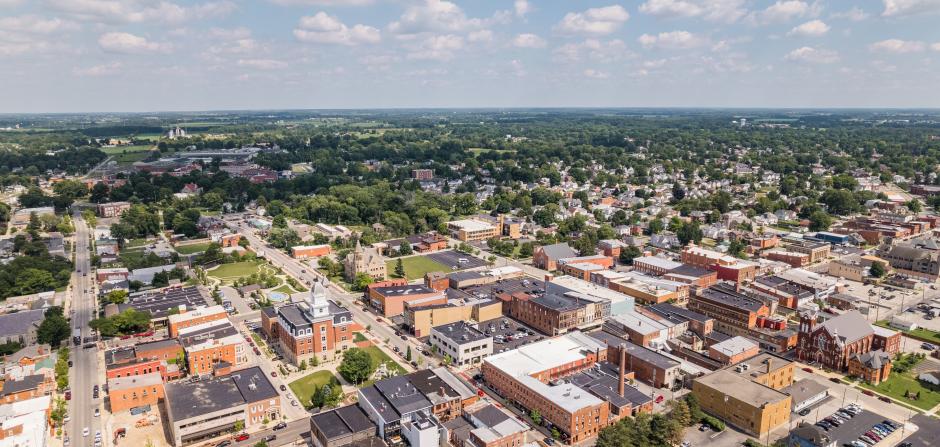
Tiffin sits at the confluence of the Sandusky River and Rock Creek - a defining geographic feature that has shaped the city since 1817 and continues to influence how water moves through basements, crawl spaces, and older foundations across Seneca County. That river proximity, combined with Ohio's position between Great Lakes moisture and continental storm tracks, means restoration work here is a year-round reality rather than a rare emergency.
Property owners in Tiffin rely on a connected set of restoration disciplines, each addressing a different failure point in a building:
- Water Damage Restoration - extraction, structural drying, and moisture mapping after supply line breaks, appliance failures, roof leaks, and river-driven flooding.
- Flooded Basement Recovery - pump-out, sump system evaluation, and drying of below-grade spaces common in Tiffin's older housing stock.
- Sewage Cleanup - Category 3 water handling, including backups from municipal main surcharges and failed lateral lines.
- Fire Damage Restoration - structural stabilization, debris removal, and content recovery after residential and commercial fires.
- Smoke Damage Restoration - soot removal, HVAC decontamination, and odor neutralization for areas untouched by flame.
- Mold Removal - containment, remediation, and moisture-source correction in humid basements and attics.
Acting quickly protects framing, drywall, flooring, and indoor air quality - and gives insurance documentation a cleaner starting point.
Common Damage Restoration Issues in Tiffin, Ohio
Local geography, aging infrastructure, and Ohio's freeze-thaw cycles combine to produce a predictable set of restoration calls in Tiffin.
Frequent Causes of Damage
- Sandusky River flooding - spring snowmelt and heavy rain events push water into low-lying neighborhoods and riverside commercial properties.
- Combined and overloaded sewer capacity - intense downpours can surcharge lines and force sewage back through floor drains and basement fixtures.
- Frozen and burst pipes - uninsulated lines in stone-foundation basements and unheated crawl spaces split during January and February cold snaps.
- Sump pump failure - power outages during storms leave below-grade spaces without protection.
- Heating and electrical fires - older wiring, wood stoves, and space heaters in century homes drive winter fire calls.
- Ice damming - meltwater backs up under shingles and saturates attic insulation and ceilings.
Warning Signs Worth Investigating
- Musty odors in basements that intensify after rain
- Efflorescence, white chalky residue, or dark staining on foundation walls
- Cupping or buckling hardwood and lifting vinyl seams
- Slow floor drains or gurgling fixtures - often the first sign of a sewer issue
- Soot film on window glass, light switches, or HVAC registers after a small fire
- Persistent smoke odor that returns during humid weather
- Peeling paint, sagging drywall tape, or visible mold at rim joists
Documenting these signs with photos before cleanup begins strengthens any eventual insurance claim.
Neighborhoods We Serve in Tiffin
Restoration teams respond throughout Tiffin and the surrounding Seneca County communities, with familiarity ranging from historic districts to newer subdivisions.
- Downtown Tiffin and the Washington Street corridor - historic commercial buildings with basements and shared party walls
- Heritage Drive and the east side - mixed residential and service corridors near US-224
- The Heidelberg University area - dense student and faculty housing in older frame homes
- Tiffin University neighborhoods - rentals and multi-unit conversions along Miami Street
- Riverside and Hedges-Boyer Park areas - properties closest to Sandusky River floodplain influence
- North Tiffin and Sycamore Street - post-war ranches and split-levels
Service extends outward to Fostoria, Bloomville, Republic, Attica, Green Springs, Bettsville, New Riegel, Old Fort, and rural Seneca County properties on private well and septic systems - which carry their own contamination considerations during sewage and flood events.
Seasonal Damage Patterns in Tiffin
Northwest Ohio's calendar produces distinct restoration seasons, and knowing what is coming helps property owners prepare.
- December through February - peak frozen pipe season. Fire and smoke damage rise alongside heating system use, wood stoves, and holiday cooking. Ice dams begin forming during thaw-refreeze cycles.
- March through May - snowmelt combines with spring rain to saturate soil. Flooded basements, sump pump overload, and Sandusky River backwater are most common. Sewage backups spike during high-volume rain events.
- June through August - humidity often stays high enough to sustain mold growth on basement framing and behind wall cavities. Severe thunderstorms bring wind-driven rain, roof breaches, and lightning-related fires.
- September through November - remnant tropical moisture and steady autumn rain test gutters and grading. Clogged downspouts push water toward foundations, and the first furnace runs release smoke odors from dormant systems.
Preventive Checkpoints
- Test the sump pump and backup battery each spring and fall
- Clear gutters and extend downspouts away from the foundation
- Insulate exposed pipes before the first hard freeze
- Service the furnace and inspect the chimney annually
- Run a dehumidifier in basements through the summer months
Housing Characteristics & Restoration Considerations
Tiffin's housing stock skews older than the national average, with a substantial share of homes built before 1940 and another large group from the post-war expansion decades. Construction methods from those eras shape every restoration decision.
Common Construction Types and Their Impact
- Stone and rubble foundations - porous mortar joints wick groundwater, making basement drying slower and mold prevention more demanding.
- Balloon-frame walls - open stud cavities let water travel down between floors and allow fire and smoke to spread vertically with little resistance.
- Plaster and lath - holds moisture longer than drywall and requires careful cavity drying rather than immediate demolition.
- Hardwood over subfloor - salvageable with controlled drying, but prone to cupping if extraction is delayed.
- Knob-and-tube or early wiring remnants - a recognized fire risk in unrenovated attics and walls.
- Post-1950 block foundations - typically drier, though cracks and failed waterproofing still admit hydrostatic water.
- Newer subdivisions with finished basements - carpet, padding, and drywall create large-scale removal decisions after Category 3 events.
Materials That Require Extra Care
- Asbestos-containing floor tile, pipe wrap, and joint compound in pre-1980 homes
- Lead-based paint on trim and window sashes in historic districts
- Vermiculite attic insulation that complicates fire and water cleanup
Testing before demolition keeps abatement compliant and protects occupants during the restoration process.
Environmental Conditions & Damage Implications
Conditions in and around Tiffin influence how quickly damage develops and how restoration must be sequenced.
Climate
- Roughly 35-38 inches of annual precipitation, distributed across all seasons
- Summer relative humidity frequently above 70 percent - well within the range that supports mold colonization within 24 to 48 hours of wetting
- More than 100 freeze-thaw cycles per year, which widens foundation cracks and stresses plumbing
- Lake Erie influence adds moisture and unsettled conditions, particularly in late autumn
Soil and Groundwater
- Glacial till and lakebed clay soils drain slowly and hold water against foundation walls
- High seasonal water tables in floodplain areas increase hydrostatic pressure on basement slabs
- Clay expansion and contraction opens gaps at cove joints and around pipe penetrations
Water and Air Quality Factors
- Sandusky River watershed runoff carries agricultural nutrients and bacteria - floodwater entering a home should be treated as contaminated
- Rural properties on septic systems face additional pathogen exposure during backups and saturation events
- Hard water contributes to appliance and supply line failures over time
- Smoke residues bond faster in humid conditions, making prompt soot removal and HVAC cleaning important after any fire
These realities push toward containment, antimicrobial application, and verified drying rather than surface-level cleanup.
Standards, Documentation, and the Insurance Claim Process in Seneca County
Restoration in Tiffin follows recognized industry practice, and the quality of documentation often determines how smoothly a claim moves.
Industry Standards That Guide the Work
- IICRC S500 - governs water damage restoration, including the classification of water into Category 1 (clean), Category 2 (gray), and Category 3 (black, including sewage).
- IICRC S520 - defines mold remediation containment, negative air pressure, and clearance expectations.
- IICRC S700 - addresses fire and smoke damage cleaning methods matched to residue type.
- EPA and Ohio Department of Health guidance - shapes handling of lead, asbestos, and biohazardous materials.
How a Restoration Project Typically Proceeds
- Emergency contact and dispatch - crews gather details on the source, affected area, and safety concerns.
- Inspection and moisture mapping - thermal imaging and penetrating meters locate hidden saturation behind plaster and under flooring.
- Water extraction or debris removal - standing water is pumped out; fire debris and unsalvageable materials are removed.
- Containment and safety controls - negative air machines, HEPA filtration, and barriers protect unaffected areas.
- Drying and dehumidification - air movers and desiccant or refrigerant dehumidifiers run until documented dry standards are met.
- Cleaning, sanitizing, and deodorization - antimicrobial treatment for Category 3 events, soot cleaning and thermal fogging or hydroxyl treatment for smoke.
- Reconstruction - drywall, flooring, trim, and paint returned to pre-loss condition.
What Strengthens a Claim
- Daily moisture readings logged and shared with the adjuster
- Photographic records taken before, during, and after mitigation
- Itemized inventories of damaged contents
- Written scope aligned with standard insurance estimating platforms
Local restoration providers serving Tiffin, including operations along Heritage Drive, coordinate directly with adjusters so property owners are not left translating technical findings on their own.





