
Damage Restoration in Seguin, TX
- Damage Restoration Services Overview
- Common Damage Restoration Issues in Seguin, Texas
- Neighborhoods We Serve in Seguin
- Seasonal Damage Patterns in Seguin
- Seasonal Damage Patterns in Seguin
- Housing Characteristics & Restoration Considerations
- Environmental Conditions & Damage Implications
- The Seguin Water Damage Restoration Process, Step by Step
Damage Restoration Services Overview
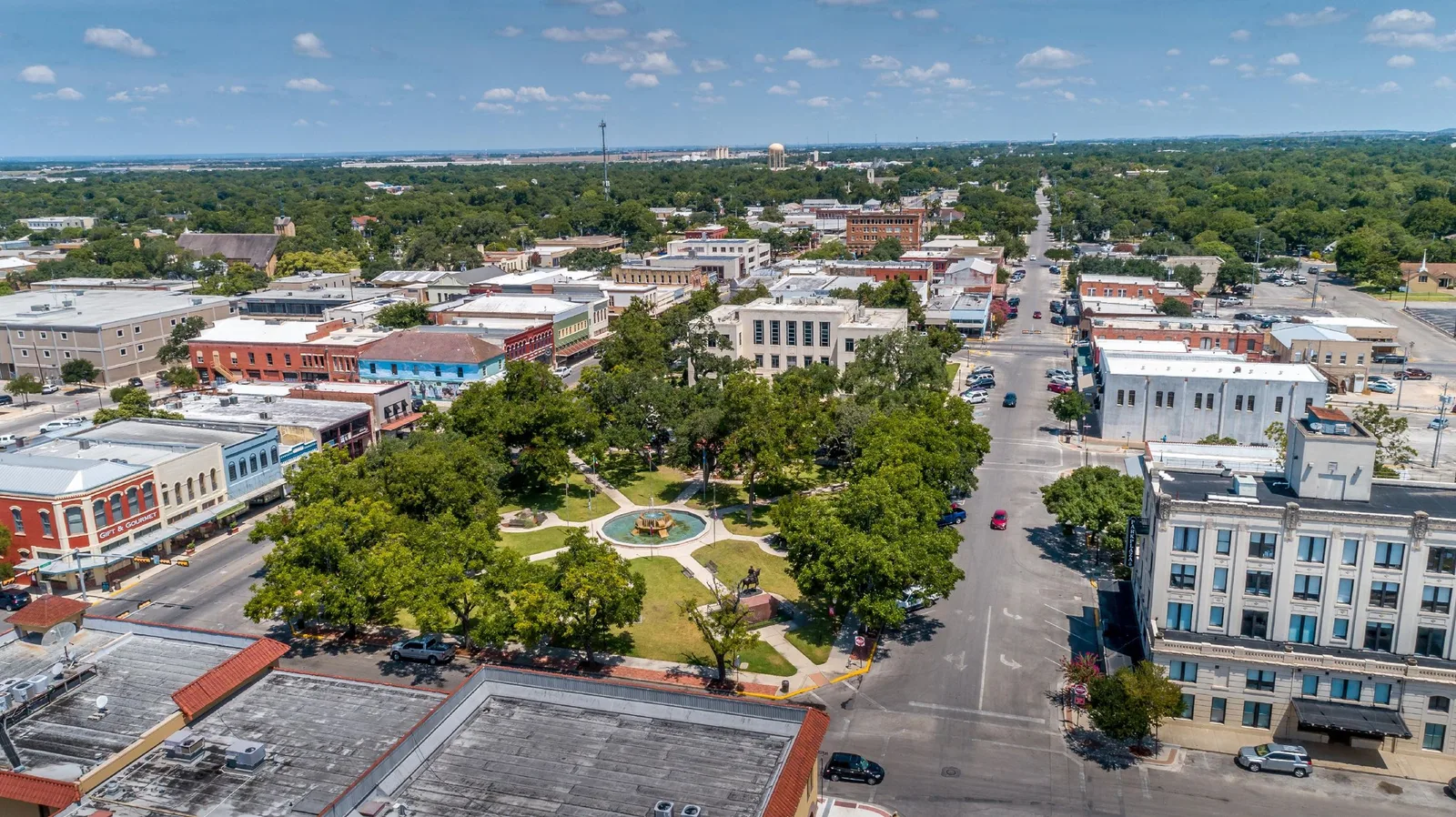
Few things rattle a homeowner like walking into standing water, smelling smoke long after the flames are out, or spotting black speckles creeping across drywall. Property damage in Seguin rarely announces itself politely - it shows up after a Guadalupe River rise, a burst supply line, or a kitchen fire on a Sunday evening.
Restoration work exists to shorten that emergency and protect what can still be saved. The faster water leaves a structure and the sooner soot is neutralized, the smaller the repair bill and the lower the health risk.
Services available to Seguin property owners include:
- Water Damage Restoration - extraction, structural drying, and moisture monitoring after leaks, appliance failures, and storm intrusion
- Flooded Basement Cleanup - pump-out and drying for basements, cellars, storm shelters, and sunken slab areas
- Sewage Cleanup - removal of Category 3 contaminated water, disinfection, and safe disposal of porous materials
- Fire Damage Restoration - debris removal, structural stabilization, content cleaning, and rebuild coordination
- Smoke Damage Restoration - soot removal, thermal fogging, HVAC cleaning, and odor neutralization
- Mold Removal - containment, air filtration, affected material removal, and moisture source correction
Benefits for Guadalupe County residents include reduced secondary damage, documented moisture readings for insurance claims, and a clear path back to a livable home.
Common Damage Restoration Issues in Seguin, Texas
Seguin sits along the Guadalupe River with clay-heavy soils and a humid subtropical climate. That combination creates predictable damage patterns that local technicians recognize quickly.
Local Causes of Damage
- River and creek flooding - Guadalupe River rises, Geronimo Creek, and Walnut Branch overflow during heavy rainfall events
- Expansive clay soils - seasonal swelling and shrinking that stresses slab foundations and underground plumbing
- Flash flooding - intense spring and fall downpours that overwhelm storm drains and low-lying driveways
- Sewer backups - saturated ground and aging lateral lines pushing contaminated water into floor drains and tubs
- Hard water buildup - mineral-rich supply water accelerating water heater and supply line failure
- Electrical and cooking fires - older wiring in mid-century homes and holiday cooking accidents
- Lightning strikes - spring storms igniting attic spaces and damaging surge-sensitive equipment
Warning Signs Worth Acting On
- Musty odors in closets, laundry rooms, or along exterior walls
- Baseboards that feel soft, cupped wood flooring, or bubbling paint
- Unexplained spikes in the water bill with no visible leak
- Gurgling drains or slow tub drainage after a hard rain
- Persistent smoke odor that returns when the air conditioning runs
- Dark staining around HVAC vents, window frames, or under sinks
- Respiratory irritation, headaches, or allergy symptoms that ease when you leave the house
Early response matters more here than in drier regions. Humidity levels in Guadalupe County allow mold colonies to establish within a day or two of a water event, which turns a simple drying job into a containment and remediation project.
Neighborhoods We Serve in Seguin
Restoration crews cover Seguin proper and the surrounding Guadalupe County communities, including properties well outside city limits.
- Downtown Seguin and the Historic District - century-old homes near Central Park with plaster walls and pier-and-beam construction
- Starcke Park and riverfront areas - properties closest to Guadalupe River flood stages
- Navarro and North Seguin - established residential streets with mature trees and older sewer laterals
- Mill Creek Crossing and Riverwood Ranch - newer slab-on-grade subdivisions
- Cordova, Mid-Town, and Walnut Springs areas
- Highway 46 and FM 725 corridors - rural acreage with wells and septic systems
Service also extends to McQueeney, Lake Dunlap, Geronimo, Kingsbury, Marion, New Berlin, Zorn, Cibolo, Gonzales, and the eastern edges of New Braunfels. Lakefront and riverfront properties near McQueeney and Dunlap receive particular attention during release events and heavy runoff.
Seasonal Damage Patterns in Seguin
Seasonal Damage Patterns in Seguin
Damage types in Seguin cycle with the weather. Knowing the calendar helps homeowners prepare before the phone call becomes urgent.
- January - February: Hard freezes cause burst pipes in uninsulated attics, exterior walls, and outdoor spigots. Space heaters and fireplaces drive winter fire and smoke damage calls.
- March - May: Peak severe storm season. Flash flooding, hail-damaged roofs, wind-driven rain intrusion, and flooded basements dominate. Lightning strikes trigger attic fires.
- June - August: Humidity and constant air conditioning produce condensation problems, clogged HVAC drain pans, and rapid mold growth in closets and crawl spaces. Water heater failures spike with heavy usage.
- September - October: Tropical moisture from the Gulf brings heavy rainfall events, river rises, and sewer backups when the ground is already saturated.
- November - December: Cooking fires, holiday decorations, and early cold snaps generate fire and smoke restoration work, along with the first pipe failures of the season.
Mold removal requests follow water events by roughly two to six weeks, once odors develop and hidden moisture surfaces behind cabinets and baseboards.
Housing Characteristics & Restoration Considerations
Seguin's housing stock spans well over a century, from Victorian-era homes near downtown to subdivisions built in the last decade. Each construction era responds differently to water, fire, and mold.
Older Homes (pre-1970)
- Pier-and-beam foundations with crawl spaces that trap moisture and hide leaks
- Lath and plaster walls that absorb water and hold smoke odor deep in the material
- Original shiplap and hardwood floors requiring specialized drying rather than replacement
- Cast iron and galvanized plumbing prone to corrosion and sewage line failure
- Knob-and-tube or early wiring that raises electrical fire risk
- Possible asbestos or lead paint requiring testing before demolition
Mid-Century and Modern Homes
- Slab-on-grade construction over expansive clay, where under-slab leaks go undetected for months
- Drywall and fiberglass batt insulation that wick water upward and must be cut out at documented heights
- Attic-mounted HVAC systems with condensate lines that flood ceilings when they clog
- Engineered flooring and laminate that delaminate quickly and rarely survive saturation
- Tighter building envelopes that hold humidity and smoke odor inside longer
Basements and Sub-Grade Spaces
True basements are uncommon on Central Texas clay, but Seguin has partial basements, cellars, storm shelters, and split-level designs. These spaces collect groundwater through foundation cracks and demand sump pumping, hydrostatic pressure evaluation, and extended dehumidification. Rural properties on septic systems face additional sewage backup risk when saturated drain fields cannot accept flow.
Environmental Conditions & Damage Implications
Environmental factors in Guadalupe County shape how quickly damage spreads and how restoration is approached.
Climate
- Humid subtropical with average summer relative humidity that keeps indoor moisture elevated
- Annual rainfall arriving in concentrated bursts rather than steady precipitation, producing flash flood conditions
- Long warm seasons that accelerate microbial growth on wet cellulose materials
- Occasional hard freezes that homes are not built to withstand, causing widespread pipe failures
Soil and Water
- Expansive Blackland and clay soils - poor drainage keeps water against foundations and slows natural evaporation
- Soil movement that cracks slabs, shears plumbing connections, and opens paths for groundwater intrusion
- Hard, mineral-rich water - scale buildup shortens the life of water heaters, valves, and supply lines
- High water table conditions near the Guadalupe River after sustained rainfall
Air Quality Implications
- Regional pollen and dust loads that combine with mold spores to worsen indoor air during remediation
- Smoke particulates from structure fires bonding to surfaces faster in humid air, requiring prompt cleaning
- Odor migration through ductwork, which is why HVAC cleaning accompanies most smoke restoration projects
- Sewage events releasing bacteria and aerosolized contaminants that call for containment and negative air machines
These conditions push drying timelines longer than in arid regions. Dehumidifier sizing, air mover placement, and daily moisture readings all account for the ambient humidity a Seguin property fights against.
The Seguin Water Damage Restoration Process, Step by Step
Understanding what happens after the call reduces anxiety and helps homeowners cooperate effectively with technicians. The process in Seguin follows an established sequence tuned to local building types and climate.
- Inspection and assessment - Technicians walk the property, use moisture meters and thermal imaging to map affected areas, and document damage severity for the insurance file.
- Water classification - Water is categorized as clean, gray, or contaminated. Sewage and river floodwater fall into Category 3 and require protective equipment, containment, and disposal of porous materials.
- Extraction - Submersible pumps and truck-mounted or portable extraction units remove standing water from slabs, carpet pads, and sub-grade spaces.
- Material removal - Saturated carpet pad, wet insulation, and unsalvageable drywall are cut out at documented heights to open wall cavities for airflow.
- Drying equipment placement - Air movers and commercial dehumidifiers are positioned throughout the affected footprint, with specialty systems for hardwood, crawl spaces, and wall cavities.
- Daily monitoring - Moisture readings are logged each day and equipment is repositioned until materials reach dry standard, not simply until surfaces feel dry.
- Cleaning and sanitizing - Antimicrobial application on all affected surfaces prevents mold and bacterial growth, especially after sewage exposure.
- Reconstruction - Drywall, flooring, trim, and paint are restored, coordinated with the insurance adjuster.
Why Local Knowledge Changes the Outcome
- Clay soil behavior explains recurring foundation seepage that a moisture reading alone would not reveal
- Guadalupe River flood patterns predict which neighborhoods need contaminated-water protocols
- Familiarity with local construction - pier-and-beam downtown, slab-on-grade in newer subdivisions - speeds accurate assessment
- Regional humidity levels inform realistic drying plans and dehumidifier capacity
The same disciplined sequence applies to fire, smoke, and mold projects: assess, contain, remove, clean, verify, rebuild.





