
Damage Restoration in Wharton, TX
- Damage Restoration Services Overview
- Common Damage Restoration Issues in Wharton, Texas
- Neighborhoods We Serve in Wharton
- Seasonal Damage Patterns in Wharton
- Housing Characteristics & Restoration Considerations
- Environmental Conditions & Damage Implications
- Flood-Zone Response and Restoration Standards in Wharton County
Damage Restoration Services Overview
When water pours through a ceiling or smoke settles into every room, the fastest path back to normal starts with trained hands and calibrated equipment. Professional restoration in Wharton, Texas gives property owners a clear plan instead of guesswork.
Certified technicians document conditions, control contamination, dry structures to measurable standards, and coordinate the details insurance carriers expect.
Services Available in Wharton
- Water Damage Restoration - extraction, structural drying, and moisture mapping after supply line breaks, roof leaks, and storm intrusion
- Flooded Basement Cleanup - pump-out and drying for below-grade rooms, storm shelters, crawlspaces, and sunken slab areas
- Sewage Cleanup - Category 3 remediation for backups from septic systems, lateral line failures, and municipal surcharge events
- Fire Damage Restoration - debris removal, structural stabilization, and rebuild coordination after kitchen, electrical, or wildfire-related losses
- Smoke Damage Restoration - soot removal, thermal fogging, HVAC cleaning, and odor neutralization down to the substrate
- Mold Removal - containment, HEPA filtration, and removal of colonized materials with post-remediation verification
Why Rapid Response Matters
- Mold colonies can establish within 24 to 72 hours in Gulf Coast humidity
- Soot becomes acidic as it ages, permanently etching metal, glass, and finishes
- Sewage contamination spreads through porous materials faster than most owners realize
- Documented moisture readings strengthen claim files from the first day
Common Damage Restoration Issues in Wharton, Texas
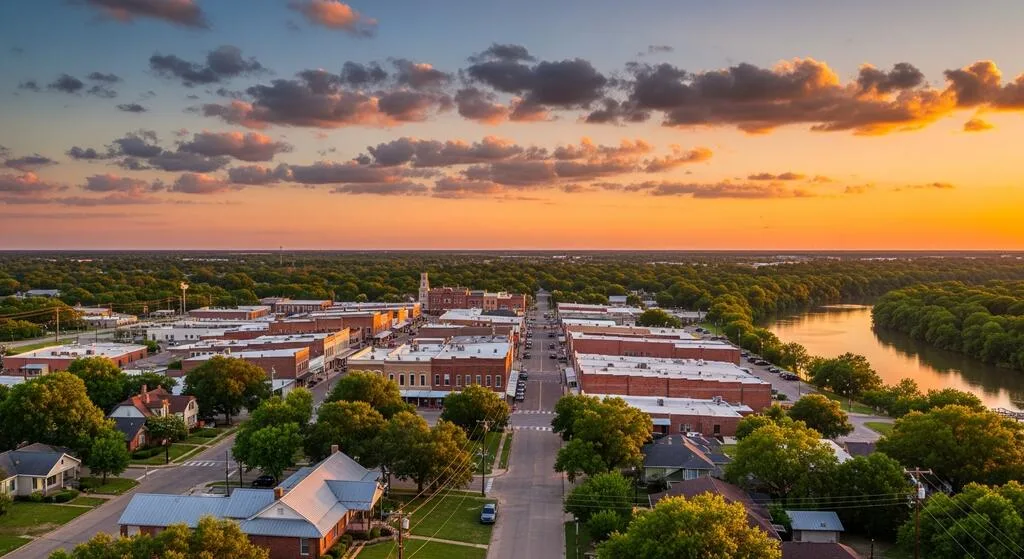
Wharton sits along the Colorado River in a flat, low-lying stretch of the coastal plain. That geography shapes nearly every loss local crews respond to.
Leading Causes of Property Damage Locally
- River and flash flooding - Colorado River rises and heavy rainfall bands from tropical systems push water into homes and outbuildings
- Hurricane and tropical storm remnants - wind-driven rain enters through compromised roofing, soffits, and window flashing
- Slow plumbing failures - aging galvanized and polybutylene lines leak behind walls for weeks before discovery
- Septic and sewer backups - saturated soils reduce drain field capacity across rural properties outside city limits
- Electrical and cooking fires - older panels, space heaters, and outdoor fryers account for a large share of structure fires
- Persistent humidity - condensation on ductwork and cool surfaces feeds mold in closets, attics, and behind furniture
Warning Signs Worth Acting On
- Musty odor that intensifies when the air conditioner cycles on
- Cupping or darkening at the edges of wood and laminate flooring
- Tape seams lifting or nail pops appearing along ceiling lines
- Slow drains in multiple fixtures at once - often the first sign of a main line problem
- Yellow-brown staining that returns after painting
- Soot film on vents, lampshades, or the tops of door casings after a small fire
Neighborhoods We Serve in Wharton
Response teams cover the city of Wharton and the wider county, including rural acreage and small communities where response times often stretch longer with other providers.
- Downtown Wharton and the historic district near the courthouse square
- Residential streets north of Business 59 and the Alabama Road corridor
- Neighborhoods along Milam Street, Richmond Road, and Sunset Drive
- Properties bordering the Colorado River levee system
- Rural homes and ranch buildings along FM 102, FM 640, and FM 1301
- Surrounding communities including East Bernard, El Campo, Hungerford, Louise, Boling, and Glen Flora
- Nearby service reach into Rosenberg, Richmond, Needville, and southwest Fort Bend County
Local crews know which streets hold water after a heavy rain and which subdivisions sit on tight clay soils that shift under foundations.
Seasonal Damage Patterns in Wharton
Spring - March through May
- Severe thunderstorms with hail and straight-line winds open roof systems
- Wind-driven rain leads to attic and ceiling water damage
- Rising humidity restarts dormant mold growth
Summer - June through September
- Peak hurricane season brings flooding, flooded basements, and sewage backups
- Air conditioning condensate line clogs saturate ceilings and closets
- Saturated ground overwhelms septic drain fields
- Outdoor cooking and grease fires increase
Fall - October through November
- Late-season tropical systems still produce major water losses
- Mold discovered during post-storm repairs and inspections
- First heater cycles release dust and burn-off odors
Winter - December through February
- Hard freezes burst exposed and uninsulated supply lines
- Space heater and fireplace fires drive smoke damage calls
- Closed-up homes trap moisture and concentrate odor
Housing Characteristics & Restoration Considerations
Wharton's housing stock spans more than a century, from Victorian-era homes near the square to newer slab-on-grade construction on the edges of town.
Common Construction Types
- Pier-and-beam homes - crawlspaces trap standing water and invite mold on floor joists and subfloor decking
- Slab-on-grade ranch homes - water wicks into bottom plates and drywall, requiring flood cuts and cavity drying
- Historic wood-frame properties - shiplap, plaster, and original millwork demand careful drying and specialized soot cleaning
- Manufactured and modular homes - underbelly insulation holds water long after visible surfaces dry
- Rural outbuildings and barns - metal panels and exposed framing after storm or fire damage
How Age and Materials Affect the Work
- Pre-1980 homes may contain asbestos-bearing materials and lead paint, which changes demolition protocols
- Plaster over wood lath dries far slower than modern drywall and often needs injection drying
- Original hardwood floors may be salvaged with mat drying systems rather than replaced
- Older knob-and-tube or aluminum wiring requires electrical evaluation after any water or fire loss
- Below-grade storm shelters and sunken rooms need dedicated pumping and dehumidification
- Cellulose and vermiculite attic insulation loses value once wet and typically requires removal
Matching drying strategy to construction type protects historic character and limits unnecessary tear-out.
Environmental Conditions & Damage Implications
Wharton's humid subtropical climate keeps outdoor dew points elevated for much of the year. That single factor influences how every restoration project is planned.
Climate and Moisture Load
- High ambient humidity means open windows rarely help drying - closed-drying with dehumidification is the standard
- Annual rainfall well above the national average keeps soils near saturation
- Long warm seasons accelerate microbial growth on wet cellulose materials
Soil and Groundwater
- Expansive clay soils swell and shrink, cracking slabs and creating entry paths for water
- Low infiltration rates cause yard ponding and hydrostatic pressure against foundations
- Shallow water tables near the Colorado River slow drain field recovery after heavy rain
Water Quality and Contamination Categories
- Floodwater is treated as Category 3 - it may carry agricultural runoff, fuel, pesticides, and sewage
- Rural septic systems introduce pathogens that require antimicrobial application and porous material removal
- Standing water crossing farmland can deposit silt that must be removed before drying begins
Air Quality Factors
- Agricultural dust and pollen already load indoor air, compounding post-fire particulate problems
- Smoke odor bonds to textiles and porous surfaces more aggressively in humid conditions
- HEPA filtration and negative air machines protect occupants during mold and fire cleanup
Flood-Zone Response and Restoration Standards in Wharton County
Few Texas communities have a longer flood history than Wharton. Repeated Colorado River events have shaped how experienced restorers approach every water loss here.
What Certified Restoration Follows
- IICRC S500 - the standard for professional water damage restoration, including water categories and drying classes
- IICRC S520 - the standard for mold remediation, containment, and post-remediation verification
- IICRC S700 - guidance for fire and smoke damage restoration and odor control
- EPA and OSHA requirements for antimicrobials, respiratory protection, and hazardous material handling
How a Flood Response Sequences
- Emergency contact and dispatch, with safety assessment for electrical and structural hazards
- Water source identification and contamination category determination
- Standing water extraction, silt removal, and contents inventory with photo documentation
- Controlled demolition - flood cuts, insulation removal, and carpet pad disposal where materials cannot be salvaged
- Antimicrobial application on affected framing and subfloor surfaces
- Placement of air movers and dehumidifiers with daily moisture readings against dry standards
- Verification drying is complete, followed by reconstruction planning
Documentation That Supports Your Claim
- Moisture maps recorded from the first visit forward
- Daily psychrometric logs showing temperature, humidity, and grain depression
- Photographic records of pre-existing conditions and removed materials
- Equipment placement diagrams and drying chamber calculations
Flood insurance and homeowner policies handle these losses differently, and clean records help separate covered causes. Local crews stage equipment ahead of forecast events so Wharton properties are not waiting behind a regional backlog.





