
Damage Restoration in Brookshire, TX
- Damage Restoration Services Overview
- Common Damage Restoration Issues in Brookshire, Texas
- Neighborhoods We Serve in Brookshire
- Seasonal Damage Patterns in Brookshire
- Housing Characteristics & Restoration Considerations
- Environmental Conditions & Damage Implications
- Emergency Response Along the I-10 Corridor: Why the First Hours Matter
Damage Restoration Services Overview
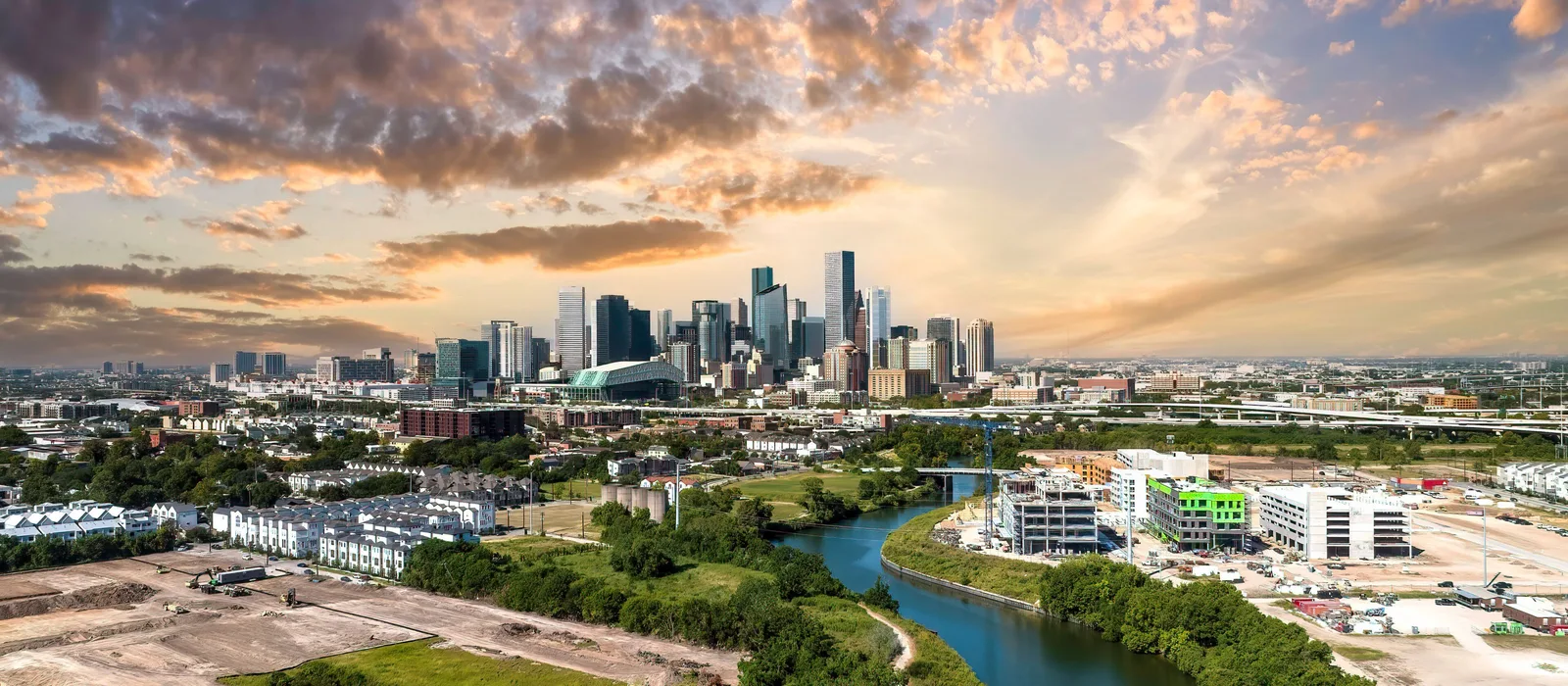
Brookshire sits on the flat, clay-heavy prairie of western Harris and eastern Waller County, where the ground absorbs roughly a fraction of an inch of rain per hour before water starts moving sideways instead of down. That single soil trait explains why a two-hour thunderstorm can push water under a garage door on Cardiff Road while the sun is still out three miles away.
Property owners here face a mix of storm-driven flooding, plumbing failures, and post-fire cleanup that rarely arrives on schedule. Restoration work covers a full range of emergencies:
- Water damage restoration - extraction, structural drying, and moisture mapping after burst supply lines, roof leaks, or appliance failures
- Flooded basement and below-grade cleanup - pumping out crawl spaces, storm shelters, sunken garages, and cellar storage areas
- Sewage cleanup - containment and disinfection after septic backups, lift station overflows, and blocked laterals
- Fire damage restoration - debris removal, structural stabilization, and rebuild of burned areas
- Smoke damage restoration - soot removal from framing and contents, plus odor neutralization
- Mold removal - containment, source correction, and treatment of affected surfaces
The benefit of a single restoration team is continuity: the crew that documents the loss also dries the structure and rebuilds it, which keeps insurance paperwork consistent and shortens the gap between demolition and repair.
Common Damage Restoration Issues in Brookshire, Texas
Brookshire's position along I-10 between the Brazos River bottomlands and the Katy Prairie creates a specific damage profile. Rain arrives fast, drains slowly, and humidity keeps everything damp long after the visible water is gone.
What Drives Losses Locally
- Sheet flooding - flat terrain and shallow roadside ditches send stormwater across lots and into slab-on-grade homes
- Septic and aerobic system failures - saturated clay soil prevents drain fields from absorbing effluent, forcing backups into tubs and floor drains
- Freeze breaks - uninsulated attic runs and exterior hose bibs split during hard freezes, then release water for hours before anyone notices
- Electrical and kitchen fires - older rural wiring, space heaters, and outbuilding equipment account for many structure fires in Waller County
- Chronic humidity - Gulf moisture keeps indoor relative humidity high, giving mold a foothold in wall cavities and under vinyl plank flooring
Warning Signs Worth Acting On
- Baseboards that cup, darken, or pull away from the wall
- A musty odor that strengthens when the air conditioner cycles on
- Gurgling toilets or slow tub drains during heavy rain - an early septic warning
- Yellow-brown staining on ceilings around can lights or bath fans
- Lingering smoke odor weeks after a small kitchen or grill fire, meaning soot is still embedded in porous materials
- Visible condensation on interior walls or supply registers
Catching any of these early usually means drying equipment instead of demolition, and containment instead of full remediation.
Neighborhoods We Serve in Brookshire
Response coverage spans the city limits and the surrounding rural stretches of Waller and western Harris County.
- Downtown Brookshire and the Cardiff Road corridor - older commercial buildings and mixed residential blocks near FM 359
- Neighborhoods off Business 90 and Fifth Street - mid-century frame homes with pier-and-beam or early slab foundations
- Newer subdivisions north of I-10 - master-planned sections with modern slab construction
- Rural tracts along Woods Road, Kenney Road, and FM 362 - properties on wells and septic systems
- Warehouse and light-industrial parks near the I-10 frontage - large-footprint facilities needing commercial-scale drying
Nearby communities also served include Pattison, Katy, Fulshear, Waller, San Felipe, Sealy, and the unincorporated areas toward Cypress. Crews stage equipment close to the I-10 and FM 359 interchange, which keeps travel time short for both residential emergencies and multi-building commercial losses.
Seasonal Damage Patterns in Brookshire
Restoration demand in Waller County follows a predictable rhythm, and knowing the pattern helps property owners prepare before the call is urgent.
- January - February: Freeze events dominate. Burst pipes in attics, garages, and exterior walls produce the highest volume of sudden water losses. Space heater and fireplace fires spike during the same weeks.
- March - May: Spring storm season brings wind, hail, and heavy rainfall. Roof leaks, flooded garages and below-grade spaces, and septic backups from saturated drain fields peak here.
- June - August: Heat and humidity drive mold growth behind walls and inside ductwork. Condensate line clogs flood hallways and closets. Tropical systems in late summer can push widespread flooding across the prairie.
- September - October: Peak hurricane risk. Storm surge is not the issue this far inland, but stalled rainfall and drainage overload are.
- November - December: Cooking fires and smoke damage rise with holiday activity. Early cold snaps expose unprotected plumbing.
Mold remediation runs year-round because indoor humidity rarely drops far enough to stop growth on its own.
Housing Characteristics & Restoration Considerations
Brookshire's housing stock splits between mid-century homes built from the 1950s through the 1980s and newer construction added as Katy's growth pushed west. Each type fails differently under water, fire, and mold conditions.
Older Frame and Pier-and-Beam Homes
- Crawl spaces trap standing water and stay damp for weeks, feeding rot in floor joists and subfloor
- Original cast iron or clay sewer lines crack and root-intrude, raising sewage backup risk
- Shiplap sheathing, wood paneling, and original hardwood absorb smoke odor deeply and need specialized cleaning rather than surface wiping
- Knob-and-tube remnants or aging cloth wiring increase electrical fire exposure
Slab-on-Grade Construction
- Water spreads laterally under flooring and wicks up drywall, often hiding for days
- Under-slab plumbing leaks require moisture meters and thermal imaging to locate
- Carpet pad and glued-down flooring usually must be removed to dry the slab properly
Manufactured and Rural Properties
- Belly wrap and insulation hold water against the underside of the floor
- Aerobic septic systems on clay soil back up when the field saturates
- Detached shops and barns add outbuilding fire and smoke exposure
Newer subdivisions bring tight building envelopes and engineered materials. They resist air infiltration well, which also means trapped moisture has nowhere to escape - making controlled dehumidification more important than open windows and fans.
Environmental Conditions & Damage Implications
The conditions that make Brookshire good farmland make it hard on wet buildings.
Climate and Humidity
- Average annual rainfall exceeds 50 inches, often delivered in intense bursts
- Summer dew points routinely sit in the low to mid 70s, keeping outdoor air unsuitable for drying
- Mold can begin colonizing damp organic materials within one to two days at these humidity levels
- Drying requires sealed containment and commercial dehumidifiers, not ventilation
Soil and Drainage
- Heavy Beaumont and Lake Charles clay soils shrink in drought and swell after rain, stressing foundations and underground plumbing
- Low permeability means water ponds at the perimeter and enters through slab cracks, weep holes, and door thresholds
- Saturated soil disables septic drain fields, which is the direct cause of most residential sewage backups outside city sewer service
Water and Air Quality
- Rural properties on private wells face contamination risk when floodwater reaches the wellhead - testing after any flooding event is warranted
- Floodwater crossing pasture and roadway carries bacteria, fertilizer, and fuel residue, so it is treated as contaminated regardless of appearance
- Smoke residue combines with high humidity to form acidic films that etch glass, metal, and appliance finishes if left in place
These realities shape the process: source correction first, containment second, then controlled drying and verification with moisture readings before any rebuild begins.
Emergency Response Along the I-10 Corridor: Why the First Hours Matter
Brookshire's location on Interstate 10 gives it fast highway access - and restoration crews use that to their advantage. Equipment can reach a flooded warehouse near the frontage road or a home off FM 359 quickly, which matters because damage escalates on a clock.
How Damage Escalates
- First hour: Water spreads across flooring, wicks into drywall, and saturates baseboards and cabinet toe kicks.
- Day one: Particleboard swells, laminate delaminates, and paper-faced drywall loses strength. Sewage contamination begins spreading bacteria across every surface it touches.
- Days two to three: Mold colonies establish in wall cavities. Smoke residue sets permanently into porous materials and begins corroding metal.
- Week one: Structural framing takes on moisture, odors become embedded, and repairable materials cross into replacement territory.
What a Fast Response Includes
- Emergency stabilization - water shutoff, roof tarping, board-up after fire
- Extraction with truck-mounted and portable units sized to the loss
- Moisture mapping using meters and thermal imaging to find hidden saturation under slabs and behind cabinets
- Containment barriers and negative air for sewage and mold work, protecting unaffected rooms
- Antimicrobial application and HEPA filtration on contaminated losses
- Daily monitoring with documented readings until materials test dry
- Reconstruction by the same team - drywall, paint, trim, flooring, and full room rebuilds
What Property Owners Can Do Before Crews Arrive
- Shut off water at the main and cut power to affected areas if it is safe to reach the panel
- Photograph everything before moving items
- Keep people and pets away from sewage-affected or fire-damaged spaces
- Lift furniture legs onto blocks or foil to prevent staining
- Do not run the HVAC system after a fire or suspected mold growth - it circulates contamination
Commercial properties in Brookshire's warehouse and distribution corridor get the same approach at larger scale, with drying plans built around keeping operational areas running while affected sections are isolated.





