
Damage Restoration in Hornsby Bend, TX
- Damage Restoration Services Overview
- Common Damage Restoration Issues in Hornsby Bend, Texas
- Neighborhoods We Serve in Hornsby Bend
- Seasonal Damage Patterns in Hornsby Bend
- Housing Characteristics & Restoration Considerations
- Environmental Conditions & Damage Implications
- Colorado River Proximity and Flood Risk Management
Damage Restoration Services Overview
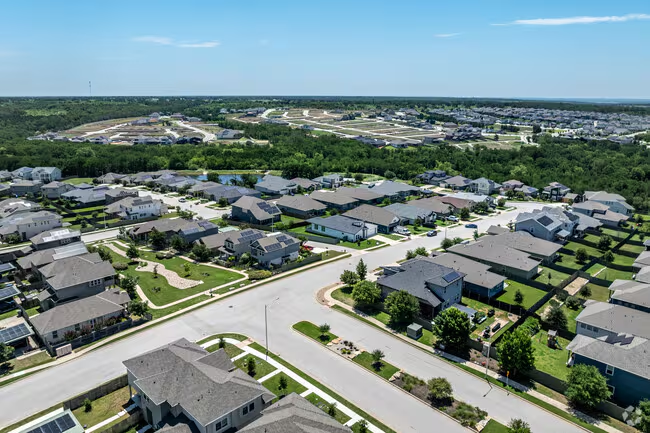
When you walk into your Hornsby Bend home to find water pooling on hardwood floors or detect the unmistakable smell of smoke lingering after a kitchen fire, quick action becomes your best defense against extensive property damage. These moments test every homeowner's resolve, but professional restoration services can transform disaster into recovery.
Texas Dry Out and Restoration provides comprehensive damage restoration services throughout the 78725 area. Our family-owned business specializes in multiple restoration disciplines:
- Water damage restoration for burst pipes, roof leaks, and appliance failures
- Flooded basement cleanup and structural drying
- Sewage cleanup with proper sanitization protocols
- Fire damage restoration including structural repairs
- Smoke damage restoration targeting odor elimination
- Mold removal with prevention strategies
Our restoration approach combines rapid response with thorough documentation. This dual focus protects both your property value and any insurance claims you need to file. Each service follows industry standards while adapting to Central Texas environmental conditions that affect drying times and mold growth patterns.
Common Damage Restoration Issues in Hornsby Bend, Texas
Hornsby Bend's location near the Colorado River creates unique moisture challenges that affect local properties year-round. The area's clay-rich soil expands and contracts with seasonal rainfall, placing stress on foundation systems and plumbing connections.
Residents frequently encounter these restoration challenges:
- Ceiling water damage from roof penetrations during heavy storms
- Basement flooding during spring rain events
- Sewage backups when aging municipal systems become overwhelmed
- Kitchen fires from cooking accidents in older homes
- Smoke damage throughout homes with poor ventilation
- Mold growth in humid crawl spaces and attics
Warning signs require immediate attention to prevent escalation. Water stains spreading across ceilings indicate active leaks that can weaken structural elements. Musty odors often signal hidden mold colonies developing behind walls or under flooring. Electrical outlets near water sources pose serious safety risks.
The area's proximity to industrial facilities along the river corridor occasionally contributes to air quality issues that can exacerbate smoke damage restoration needs. Wind patterns can carry contaminants that settle on exterior surfaces and infiltrate homes through ventilation systems.
Neighborhoods We Serve in Hornsby Bend
Our restoration services cover all residential areas throughout the Hornsby Bend community and surrounding regions. We respond to calls across the entire 78725 zip code area, including properties along the Colorado River corridor.
Service areas include:
- Hornsby Bend proper and riverside properties
- Del Valle area homes and subdivisions
- Montopolis neighborhood properties
- Pleasant Valley corridor residences
- McKinney Falls area homes
- Bergstrom vicinity properties
Each neighborhood presents distinct restoration challenges based on home age, construction methods, and proximity to water sources. Riverside properties face higher humidity levels that accelerate mold growth, while inland homes deal with foundation settlement issues that can compromise plumbing systems.
Seasonal Damage Patterns in Hornsby Bend
Central Texas weather patterns create predictable restoration demands throughout the year. Understanding these cycles helps homeowners prepare for potential damage scenarios.
Spring brings the highest risk period for water-related damage:
- March through May: Heavy rainfall events cause roof leaks and basement flooding
- April peak: Severe storms damage roofing materials and overwhelm drainage systems
- May humidity: Mold growth accelerates in areas with poor ventilation
Summer heat creates different restoration challenges:
- June through August: Air conditioning failures lead to humidity buildup
- July peak: Kitchen fires increase due to higher cooking activity
- August stress: Foundation movement affects plumbing connections
Fall and winter periods show reduced water damage but increased fire risks:
- September through November: Heating system startups can cause smoke damage
- December through February: Holiday cooking and heating equipment create fire hazards
Housing Characteristics & Restoration Considerations
Hornsby Bend features a diverse housing stock with homes ranging from 1960s ranch-style properties to modern construction. Many residences were built during the 1970s and 1980s expansion period, creating specific restoration considerations for different architectural styles.
Older homes present unique restoration challenges:
- Pier and beam foundations allow easier access for water damage repairs
- Original plumbing systems may require extensive sewage cleanup protocols
- Asbestos-containing materials need special handling during fire restoration
- Limited insulation contributes to mold growth in wall cavities
- Single-pane windows allow moisture infiltration during storms
Newer construction offers restoration advantages:
- Improved drainage systems reduce basement flooding risks
- Modern electrical systems handle water damage restoration equipment loads
- Better ventilation systems aid smoke damage restoration efforts
- Moisture barriers help prevent mold establishment
The area's foundation repair needs often intersect with restoration services. Central Texas soil conditions cause foundation movement that can crack plumbing lines, leading to water damage scenarios. Professional foundation inspections help identify potential problems before they create major restoration needs.
Environmental Conditions & Damage Implications
Hornsby Bend's environmental conditions significantly influence restoration timelines and techniques. The area's subtropical climate creates high humidity levels that affect drying processes and mold growth patterns throughout most of the year.
Climate factors affecting restoration include:
- Average humidity levels above 60% during summer months
- Temperature swings that cause building material expansion and contraction
- Seasonal rainfall averaging 32 inches annually
- Wind patterns that can spread smoke damage throughout structures
Soil composition presents specific challenges for water damage restoration. The area's clay-rich soil has low permeability, causing water to pool around foundations rather than drain naturally. This characteristic increases basement flooding risks and extends drying times for below-grade areas.
Air quality considerations affect restoration protocols:
- Pollen levels require additional filtration during mold removal
- Industrial emissions may complicate smoke damage assessment
- River proximity increases airborne moisture that slows drying
- Dust from construction activities can contaminate restoration areas
Water table levels fluctuate seasonally, affecting sewage system performance and basement moisture levels. During wet periods, higher groundwater can cause sewage backups and increase hydrostatic pressure against foundation walls.
Colorado River Proximity and Flood Risk Management
Hornsby Bend's location along the Colorado River corridor creates unique flood risks that require specialized restoration approaches. The area sits within designated floodplains that experience periodic inundation during major storm events, making flood damage restoration a recurring concern for many properties.
River-related restoration challenges include:
- Rapid water level changes that can overwhelm basement drainage systems
- Contaminated floodwater requiring extensive sewage cleanup protocols
- Silt deposits that complicate water damage restoration efforts
- Extended humidity periods that accelerate mold growth
- Debris impact damage that may require fire damage restoration techniques
Properties near the river face elevated restoration complexity due to contamination risks. Floodwater often carries sewage, chemicals, and organic matter that require specialized cleanup procedures beyond standard water damage restoration. Our restoration teams follow strict protocols when dealing with contaminated water sources.
The river's influence on local weather patterns creates microclimates that affect restoration timelines. Morning fog and elevated humidity levels near the water can extend drying times for water-damaged materials. Smoke damage restoration also requires adjusted ventilation strategies to account for moisture-laden air that can trap odors.
Preventive measures help reduce restoration needs for riverside properties. Proper drainage systems, sump pumps, and moisture barriers provide protection against routine flooding. However, when major events overwhelm these systems, rapid professional intervention becomes necessary to prevent extensive mold growth and structural damage.
Documentation becomes particularly important for flood-related restoration claims. Insurance companies require detailed evidence of damage extent and contamination levels. Our restoration process includes comprehensive photo documentation and moisture mapping to support insurance claims and ensure complete remediation.





