
Damage Restoration in Corpus Christi, TX
- Damage Restoration Services Overview
- Common Damage Restoration Issues in Corpus Christi, Texas
- Neighborhoods We Serve in Corpus Christi
- Seasonal Damage Patterns in Corpus Christi
- Housing Characteristics & Restoration Considerations
- Environmental Conditions & Damage Implications
- Hurricane Season Preparedness and Post-Storm Restoration in the Coastal Bend
Damage Restoration Services Overview
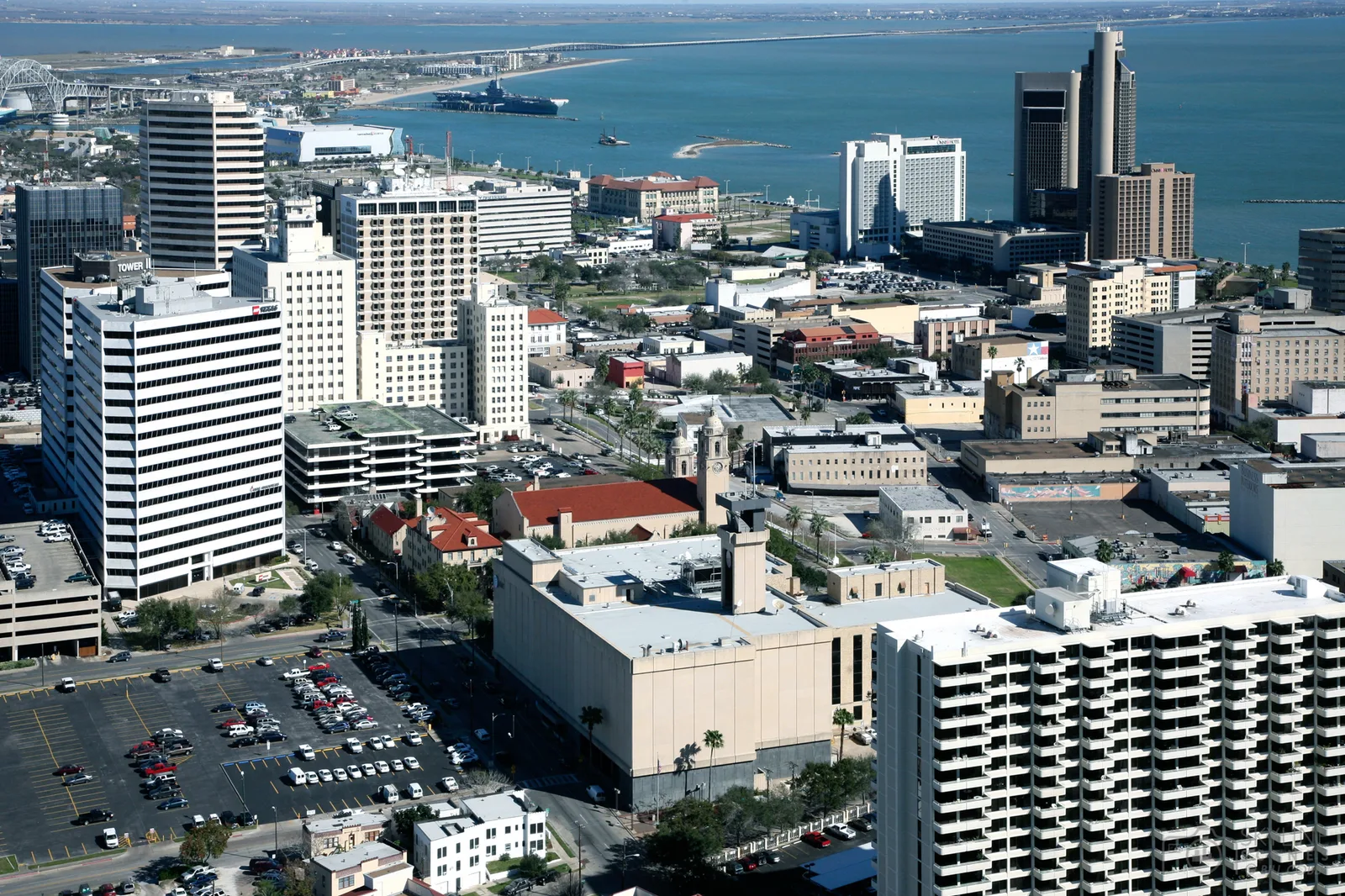
Water spreads through a Corpus Christi home in minutes, and mold can begin colonizing damp drywall within a day or two in Coastal Bend humidity. Fast action protects building materials, belongings, and indoor air quality - delays turn a contained problem into a gut-and-rebuild project.
Restoration teams serving Corpus Christi handle the full range of property emergencies:
- Water Damage Restoration - extraction, structural drying, and moisture mapping after pipe breaks, roof leaks, appliance failures, and storm intrusion.
- Flooded Basement - pump-out and drying for below-grade rooms, storm cellars, sunken slabs, and crawl spaces that trap standing water.
- Sewage Cleanup - removal of contaminated water, disinfection of affected surfaces, and safe disposal of porous materials touched by Category 3 water.
- Fire Damage Restoration - board-up, debris removal, soot cleaning, and reconstruction of charred framing and finishes.
- Smoke Damage Restoration - odor neutralization, HVAC cleaning, and treatment of surfaces holding smoke residue far from the burn area.
- Mold Removal - containment, air filtration, removal of colonized materials, and correction of the moisture source feeding growth.
Local providers including SERVPRO of Corpus Christi East, BELFOR Corpus Christi, and Restoration 1 respond around the clock, and IICRC-certified firms follow industry standards for drying and remediation documentation that insurers expect.
Common Damage Restoration Issues in Corpus Christi, Texas
Life on the Gulf brings a specific mix of moisture, salt air, and storm exposure that shapes what restoration crews see most often here.
Frequent Causes of Property Damage
- Tropical systems and hurricanes - wind-driven rain through damaged roofs and windows, as seen across the region after Hurricane Harvey.
- Street and yard flooding - flat terrain and heavy downpours overwhelm drainage in low-lying neighborhoods.
- Sewer backups - saturated ground and surcharged municipal lines push wastewater back through floor drains and low fixtures.
- Slab and plumbing failures - shifting clay soils during hot, dry stretches crack supply lines beneath slab foundations.
- Electrical and kitchen fires - aging wiring in older homes and grease fires remain leading residential fire sources.
- Chronic humidity - year-round coastal moisture supports mold on wall cavities, closets, and HVAC components.
Warning Signs Worth Acting On
- Musty odors in closets, under sinks, or near air handler closets
- Buckling laminate, cupping wood floors, or soft baseboards
- Discolored ceiling rings after a storm, even if the drip stopped
- Gurgling drains or slow toilets - an early hint of a sewer line issue
- Lingering smoke odor that returns on humid days after a small fire
- Condensation on interior walls or persistent allergy symptoms indoors
Neighborhoods We Serve in Corpus Christi
Coverage extends across the city and the wider Coastal Bend, with attention to how each area's elevation and housing stock affects response.
- Southside and Kings Crossing - newer subdivisions with slab foundations and attached garages
- Flour Bluff and Padre Island - waterfront and canal-front homes exposed to surge and salt air
- Calallen and Annaville - properties near the Nueces River floodplain
- Bay Area, Lindale, and Del Mar - mid-century homes with original plumbing and ductwork
- Downtown, North Beach, and Uptown - mixed commercial and residential structures at low elevation
- London, Rockport-adjacent rural tracts, and Chapman Ranch Road corridors
Service also reaches surrounding communities including Portland, Gregory, Aransas Pass, Ingleside, Robstown, and Port Aransas - the same footprint local firms covered while restoring hurricane-damaged schools such as A.C. Blunt Middle School in the Aransas Pass ISD.
Seasonal Damage Patterns in Corpus Christi
- January - February: Occasional hard freezes burst exposed pipes and hose bibs, producing sudden water damage and flooded ground-floor rooms. Space heater and fireplace use raises fire and smoke damage calls.
- March - May: Spring thunderstorms bring hail and wind damage to roofs, followed by water intrusion. Rising humidity restarts mold growth in areas that stayed damp over winter.
- June - August: Peak heat and dew points make mold removal the dominant service. Slab movement from dry soil cracks water lines, and electrical demand on aging systems contributes to fires.
- September - October: Height of hurricane season - storm surge, roof failures, flooded basements and crawl spaces, and widespread sewage backups when systems surcharge.
- November - December: Cooler air meets warm interior humidity, causing condensation-driven mold. Holiday cooking and decorative lighting increase kitchen fire and smoke damage incidents.
Insurance claims cluster after named storms, so documentation and moisture readings taken early carry weight later in the process.
Housing Characteristics & Restoration Considerations
Corpus Christi housing spans post-war bungalows near the bayfront to Southside subdivisions built in the last two decades, and each type responds differently to water, smoke, and microbial damage.
Construction Types and What They Mean
- Slab-on-grade foundations - the regional standard; leaks travel under flooring and wick into wall bottom plates, requiring mat drying and cavity ventilation rather than simple surface extraction.
- Pier-and-beam homes - common in older central neighborhoods; crawl spaces trap humid air and standing water, making them prime mold sites after any plumbing failure.
- Elevated coastal homes - island and canal properties with ground-level enclosures that flood during surge and need salt-water-specific cleaning to prevent corrosion.
- Brick veneer over wood frame - hides moisture behind the wall assembly, so thermal imaging and probe meters guide demolition decisions.
- Masonry and tilt-wall commercial buildings - hold smoke residue in porous block and need dedicated odor treatment.
Age-Related Factors
- Cast iron and galvanized plumbing in mid-century homes fails gradually, creating slow leaks that feed hidden mold.
- Homes built before the late 1970s may contain asbestos-bearing flooring or textured ceilings, requiring testing before demolition.
- Original knob-and-tube or aluminum branch wiring raises fire risk and often prompts electrical upgrades during reconstruction.
- Older ductwork spreads soot and spores throughout the structure, so HVAC cleaning is frequently part of both smoke and mold projects.
Environmental Conditions & Damage Implications
The Coastal Bend climate influences nearly every technical decision made on a restoration job here.
Climate and Humidity
- Relative humidity often stays above 70 percent, so outside air cannot be used to dry structures the way it can inland - dehumidification does the work.
- Long, hot summers accelerate microbial growth on cellulose materials such as drywall paper, carpet backing, and cabinet substrate.
- Mild winters mean mold activity rarely pauses, and dormant colonies revive quickly.
Soil, Water, and Air
- Expansive clay soils shrink in drought and swell after rain, stressing slabs and underground plumbing - a leading cause of unnoticed water damage.
- High water table near the bay and river keeps below-grade spaces damp and slows drying after flooding.
- Salt-laden air corrodes fasteners, ductwork, and electrical components; salt-contaminated flood water demands rinsing before drying begins.
- Industrial and refinery activity along the ship channel contributes particulates that complicate post-fire air quality testing.
- Storm-mixed floodwater commonly carries sewage, fertilizer, and hydrocarbons, pushing many events into Category 3 handling with full PPE and disinfection.
These conditions justify moisture mapping, containment barriers, HEPA filtration, and post-remediation verification rather than surface-level cleanup.
Hurricane Season Preparedness and Post-Storm Restoration in the Coastal Bend
Corpus Christi sits directly in the path of Gulf systems, and Hurricane Harvey demonstrated how quickly regional demand for restoration outstrips local capacity. Firms with multi-city support networks - including BELFOR offices in Austin, San Antonio, Houston, Dallas, Fort Worth, Belton, and Waco - can surge crews and equipment into the Coastal Bend when hundreds of properties need attention at once.
Before the Storm
- Photograph every room, roof plane, and mechanical system so pre-loss condition is documented.
- Clear gutters, yard drains, and street-side inlets to reduce ponding around the foundation.
- Move valuables and documents above expected water levels; elevate ground-floor electronics.
- Know the location of your main water shutoff and electrical panel.
- Save contact information for an IICRC-certified restoration firm before you need it.
After the Storm
- Treat all floodwater as contaminated - avoid contact and keep children and pets clear.
- Request emergency board-up and roof tarping to stop ongoing intrusion.
- Allow technicians to extract standing water and set drying equipment before removing materials yourself.
- Keep damaged items available for adjuster inspection where safety permits.
- Track moisture readings daily until the structure reaches dry standard.
Why Local Response Matters
- Crews already understand Nueces County permitting and coastal building requirements.
- Familiarity with surge-prone streets in Flour Bluff, North Beach, and Padre Island speeds triage.
- Established relationships with area adjusters streamline claim documentation.
- Combined water, mold, fire, and reconstruction capability keeps one team accountable from mitigation through rebuild.





