
Damage Restoration in Granbury, TX
- Damage Restoration Services Overview
- Common Damage Restoration Issues in Granbury, Texas
- Neighborhoods We Serve in Granbury
- Seasonal Damage Patterns in Granbury
- Housing Characteristics & Restoration Considerations
- Environmental Conditions & Damage Implications
- Lakefront and Waterfront Property Restoration Around Lake Granbury
Damage Restoration Services Overview
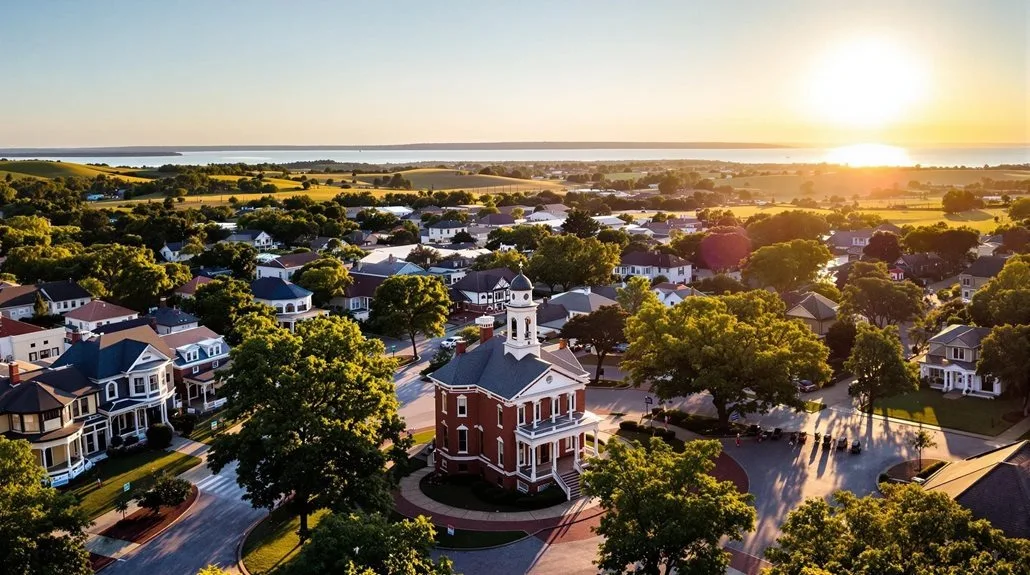
Granbury sits along the shoreline of Lake Granbury, a 8,700-acre reservoir on the Brazos River that keeps humidity high across Hood County even during dry stretches. That constant moisture, combined with expansive clay soils and older lakefront construction, means water and mold problems here behave differently than they do in drier parts of North Texas.
Restoration work in Granbury covers a wide range of property emergencies, and most jobs touch more than one category at once. A single burst supply line can lead to saturated flooring, hidden wall cavity moisture, and mold growth within days.
- Water Damage Restoration - extraction, structural drying, and moisture mapping after pipe breaks, slab leaks, roof leaks, and appliance failures
- Flooded Basement - pump-out and drying for below-grade rooms, storm shelters, walk-out lower levels, and crawl spaces along the lake
- Sewage Cleanup - containment, removal of contaminated materials, and antimicrobial treatment after backups or septic failures
- Fire Damage Restoration - debris removal, structural evaluation of framing and ceilings, and reconstruction
- Smoke Damage Restoration - soot removal from surfaces, HVAC cleaning, and odor neutralization
- Mold Removal - containment, remediation, and correction of the moisture source that allowed growth
The benefit for Granbury property owners is straightforward: damage gets traced to its full extent, not just to the edge of the visible stain.
Common Damage Restoration Issues in Granbury, Texas
Local geography and weather drive most restoration calls in Hood County. Granbury sits in a corridor that sees hail, straight-line winds, and occasional flash flooding off the Brazos, then swings into extended summer heat that stresses roofing and plumbing alike.
Frequent Causes of Damage
- Slab leaks under post-tension foundations shifting on expansive clay soil
- Frozen and burst pipes during hard freezes, especially in uninsulated garage and exterior walls
- Roof leaks after hail events common to the Granbury area
- Water heater, washing machine, and refrigerator supply line failures
- Septic system backups on larger acreage properties outside city limits
- Sewer line root intrusion in older neighborhoods near the historic square
- Electrical fires, kitchen fires, and outdoor grill or brush fires during burn ban season
- Lake-related intrusion at boat houses, docks, and low-lying waterfront structures
Warning Signs Worth Acting On
- Unexplained increases in water use with no visible leak
- Warm spots on slab flooring or the sound of running water when fixtures are off
- Buckling wood floors, cupping laminate, or baseboards pulling away from walls
- Musty odors in closets, HVAC returns, or rooms that stay closed up
- Soot film reappearing on walls after cleaning, or smoke odor returning on humid days
- Slow drains across multiple fixtures at once, which often precedes a sewage backup
- Dark staining along the base of drywall in lower-level or below-grade rooms
Catching these early usually shrinks a project from full reconstruction down to targeted drying and repair.
Neighborhoods We Serve in Granbury
Coverage extends across the city and into surrounding Hood County communities, including rural acreage properties and lakefront subdivisions.
- Historic Downtown Granbury and the courthouse square district
- Pecan Plantation and the surrounding gated waterfront communities
- Decordova Bend Estates and Decordova Ranch
- Indian Harbor and Sky Harbour
- Waters Edge, Port Ridglea, and Blue Water Shores
- Oak Trail Shores and Canyon Creek
- Rolling Creek Ranch, Stone Creek Ranch, and Mambrino area properties
- Nearby Acton, Tolar, Lipan, Cresson, and Glen Rose
Each area brings its own patterns. Lakeside subdivisions see more humidity-driven mold and dock-level water intrusion, while downtown properties often involve older plumbing and historic materials that need careful handling. Rural properties frequently need septic-related sewage cleanup and have longer response distances that require planning for equipment staging.
Seasonal Damage Patterns in Granbury
Restoration demand in Granbury follows a fairly predictable annual rhythm.
- December through February - Hard freezes drive burst pipes, split hose bibs, and flooded basements or lower levels. Heating equipment, fireplaces, and space heaters push fire and smoke damage calls to their annual peak.
- March through May - Severe storm season brings hail, wind-driven rain, and roof leaks. Flash flooding along creek drainages and the Brazos produces below-grade flooding and sewer surcharges.
- June through August - Sustained heat and humidity accelerate mold growth in any space that stayed damp after spring storms. Air conditioning condensate line clogs cause ceiling and attic water damage. Burn bans coincide with grass and brush fire risk.
- September through November - Remnant tropical moisture can bring heavy rainfall events. Cooler nights combined with warm structures create condensation issues, and the first fireplace and furnace use of the season triggers smoke damage calls.
Sewage cleanup requests cluster around heavy rain periods when groundwater infiltration overwhelms lines, and again in deep winter when frozen laterals back up.
Housing Characteristics & Restoration Considerations
Granbury's housing stock spans more than a century, and construction era heavily influences how damage spreads and how restoration is approached.
Common Construction Types
- Historic homes near the square - pier-and-beam foundations, shiplap and plaster walls, original wood framing. Water travels through crawl spaces quickly, and smoke penetrates porous plaster and old-growth wood deeply.
- 1970s-1990s lake homes - split-level and walk-out designs with true below-grade rooms, a rarity in North Texas. These are the properties most prone to flooded basement scenarios.
- 2000s-present subdivisions - slab-on-grade construction, engineered wood flooring, and tighter building envelopes that trap moisture rather than letting it dry out.
- Manufactured and modular homes - common on rural acreage, with belly wrap that holds water against subflooring after a leak.
- Rural acreage properties - private wells and septic systems that shift sewage cleanup from a municipal issue to an on-site one.
How This Shapes the Work
- Slab foundations require moisture readings through flooring layers to confirm whether a leak originated below grade.
- Below-grade rooms need pump-out plus dehumidification, since concrete holds moisture long after standing water is gone.
- Older homes may contain asbestos-era or lead-era materials that require testing before demolition.
- Tight modern envelopes make HVAC cleaning central to smoke odor removal and mold prevention.
- Pier-and-beam crawl spaces need separate drying and antimicrobial treatment from the living space above.
Environmental Conditions & Damage Implications
Hood County's climate, soil, and water conditions all influence how damage develops and how long drying takes.
Climate and Humidity
- Humid subtropical conditions with hot summers and mild but freeze-prone winters
- Roughly 34 to 36 inches of annual rainfall, often delivered in intense bursts rather than steady rain
- Elevated ambient humidity near Lake Granbury, which slows natural drying and extends equipment run time
- Mold growth can begin within 24 to 48 hours in these conditions when materials stay wet
Soil and Foundation Factors
- Expansive clay soils that swell and shrink with moisture cycles, stressing foundations and buried plumbing
- Limestone and shale layers common to the Brazos corridor that channel groundwater along unexpected paths
- Poor drainage on flat lots that directs runoff toward foundations and lower-level entries
- Soil movement that separates slab penetrations, creating entry points for water and sewer gas
Water and Air Quality
- Hard water with high mineral content, which accelerates pipe scaling and water heater failure
- Lake water intrusion classified as contaminated, requiring the same handling as category three losses
- Septic overflow on rural properties introducing pathogens that demand full containment
- Seasonal pollen, agricultural dust, and wildfire smoke that compound indoor air quality problems after a fire event
Drying plans account for these conditions rather than applying a generic equipment count.
Lakefront and Waterfront Property Restoration Around Lake Granbury
Properties along Lake Granbury's roughly 100 miles of shoreline face a distinct set of restoration challenges that inland homes never encounter. Elevated groundwater, fluctuating reservoir levels, boat house structures, and below-grade walk-out levels combine to create conditions where moisture problems recur unless the underlying cause is corrected.
What Makes Waterfront Restoration Different
- Ambient humidity stays high year-round, so standard drying targets may not be achievable without additional dehumidification capacity
- Lake water carrying bacteria, silt, and organic matter is treated as contaminated, meaning porous materials it touched typically cannot be salvaged
- Below-grade and walk-out lower levels concentrate water at the lowest point of the structure, where it sits against framing and insulation
- Hydrostatic pressure against foundation walls can force water through hairline cracks during high-water periods
- Crawl spaces beneath lake homes often become long-term mold reservoirs feeding the living space above
How Waterfront Projects Typically Progress
- Safety evaluation, including electrical shutoff and assessment of structural stability in flooded lower levels
- Water extraction and removal of standing water from below-grade areas, crawl spaces, and mechanical rooms
- Moisture mapping with meters and thermal imaging to trace migration into walls, subflooring, and insulation
- Controlled removal of contaminated and unsalvageable materials under containment when sewage or lake water is involved
- Structural drying with dehumidification sized for high ambient humidity conditions
- Antimicrobial application and mold remediation where growth has already started
- Drainage, grading, and sealing corrections to reduce the chance of repeat intrusion
- Reconstruction of flooring, drywall, trim, and finishes
Fire and smoke events on waterfront properties add another layer. Wood-frame lake houses with open floor plans and vaulted ceilings let smoke travel freely into attic spaces and HVAC systems, so odor work extends well past the room where the fire started. Documenting the full extent of both water and smoke damage from the beginning keeps repairs aligned with what insurance carriers expect to see.





