
Damage Restoration in Gun Barrel City, TX
- Damage Restoration Services Overview
- Common Damage Restoration Issues in Gun Barrel City, Texas
- Neighborhoods We Serve in Gun Barrel City
- Seasonal Damage Patterns in Gun Barrel City
- Housing Characteristics & Restoration Considerations
- Environmental Conditions & Damage Implications
- Working With Insurance and Staying Informed During Your Restoration
Damage Restoration Services Overview
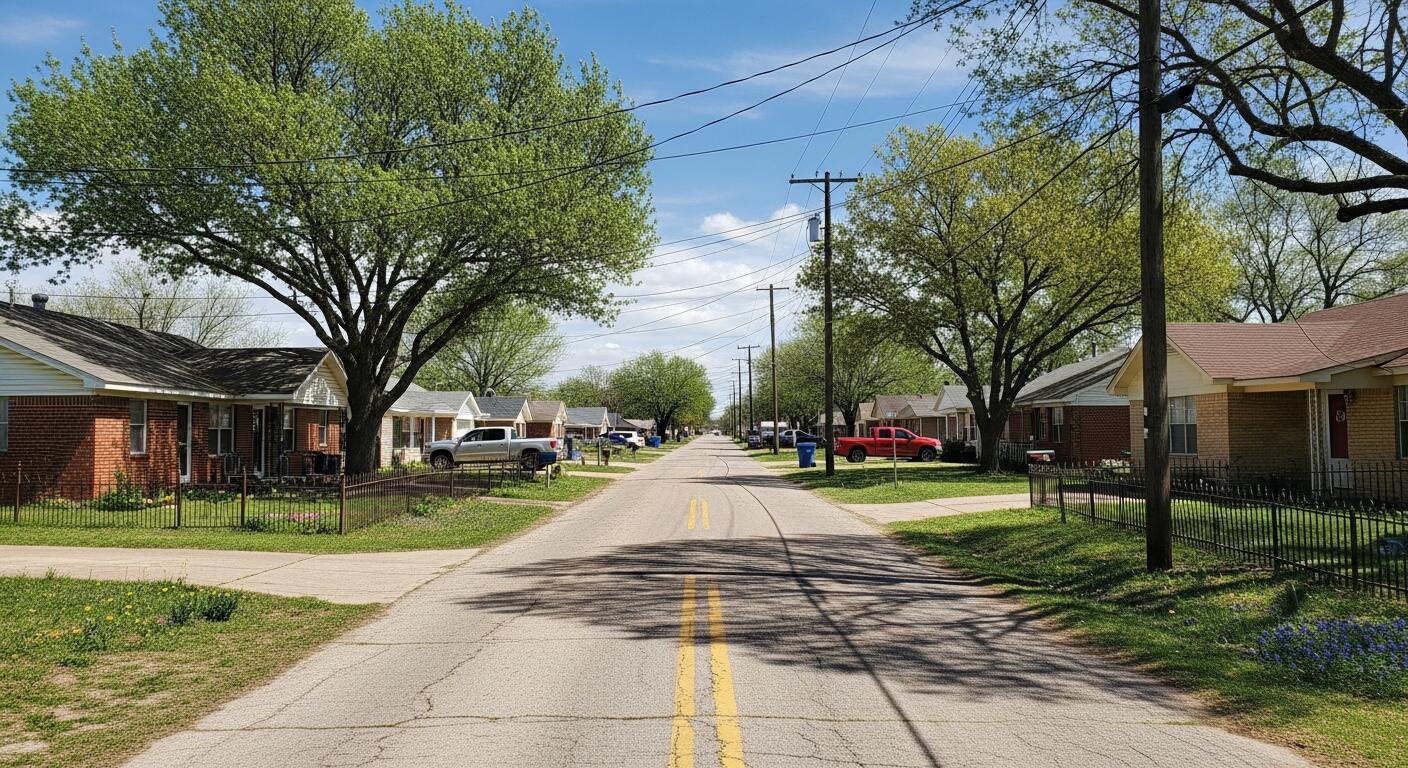
Water spreads through a Gun Barrel City home in minutes, but the damage it leaves behind can take weeks to reverse - and mold can begin colonizing damp drywall within a day or two. Acting within the first hours after a burst pipe, roof leak, sewer backup, or house fire is the single biggest factor in how much of your property can be saved.
Restoration teams serving Gun Barrel City and the greater Cedar Creek Lake area handle the full spectrum of property emergencies:
- Water Damage Restoration - extraction, structural drying, and moisture mapping after pipe failures, appliance leaks, and storm intrusion
- Flooded Basement and lower-level cleanup - pump-outs, dehumidification, and content recovery for below-grade or slab-recessed spaces
- Sewage Cleanup - containment, removal of contaminated materials, and antimicrobial treatment after septic or sewer backups
- Fire Damage Restoration - debris removal, structural stabilization, and rebuilding of charred framing and finishes
- Smoke Damage Restoration - soot removal, odor neutralization, and HVAC decontamination
- Mold Removal - containment barriers, HEPA filtration, and safe removal of colonized materials
Local providers including SERVPRO, 1st Call Restoration, and Dalworth Restoration offer 24/7 emergency response so Gun Barrel City homeowners and business owners reach a certified technician at any hour.
Common Damage Restoration Issues in Gun Barrel City, Texas
Life on Cedar Creek Lake brings humidity, severe storms, and older lakefront construction together - a combination that drives most of the restoration calls in Henderson County.
Frequent Causes of Property Damage
- Spring and fall thunderstorms - wind-driven rain, hail-punctured roofs, and toppled trees that open the building envelope
- Hard freezes - uninsulated pipes in slab homes, lake cabins, and weekend properties rupture when temperatures dip below freezing
- Septic and aerobic system failures - common on larger lots outside city sewer service, leading to sewage backups into tubs and floor drains
- Lake-level flooding and shoreline saturation - crawl spaces, boathouses, and lower-level living areas take on standing water
- Kitchen and electrical fires - grease fires, space heaters, and aging wiring in mid-century lake homes
- Chronic humidity - HVAC condensation lines, poorly ventilated bathrooms, and shaded crawl spaces feeding mold growth
Warning Signs Worth a Same-Day Call
- Musty odors in closets, under sinks, or near exterior walls
- Buckling laminate, cupping hardwood, or soft spots in flooring
- Brown ceiling rings that expand after each rainstorm
- Gurgling drains or slow toilets that signal a septic backup forming
- Lingering smoke smell that returns when the AC runs, indicating soot in the ductwork
- Visible black, green, or white patches on baseboards, grout, or insulation
Neighborhoods We Serve in Gun Barrel City
Crews cover the full Cedar Creek Lake corridor, from waterfront subdivisions to inland residential streets and the West Main Street commercial district.
- Gun Barrel City core - neighborhoods along West Main Street, Legendary Lane, and the Loop 198 corridor
- Waterfront communities - Long Cove, Pinnacle Club vicinity, Harbor Point, and canal-front streets with docks and boathouses
- Adjacent cities - Mabank, Seven Points, Tool, Payne Springs, Log Cabin, Enchanted Oaks, and Star Harbor
- Surrounding Henderson and Kaufman County areas - Kemp, Athens, Malakoff, and Trinidad
- Commercial properties - restaurants, marinas, retail centers, churches, and short-term rental properties around the lake
Because so many area homes are second residences or vacation rentals, technicians are experienced with unoccupied-property emergencies where a leak may run undetected for days before a neighbor or property manager discovers it.
Seasonal Damage Patterns in Gun Barrel City
Each season in East Texas produces its own signature damage type, and knowing the pattern helps homeowners prepare instead of react.
- December through February - freeze events burst supply lines and outdoor spigots; space heaters and fireplaces drive fire and smoke damage calls
- March through May - peak severe weather season brings hail, wind damage, roof leaks, and flash flooding into low-lying rooms and crawl spaces
- June through August - heat and humidity accelerate mold growth behind vinyl wallpaper and in over-cooled, under-ventilated spaces; AC condensate line clogs flood hallways and closets
- September through October - tropical remnants push heavy rainfall inland, saturating soils and overwhelming septic systems, which leads to sewage backups
- November - the first cold snap exposes weak plumbing insulation, while holiday cooking and decorative lighting increase kitchen fire incidents
Year-round, unoccupied lake properties remain the highest-risk category. A supply line that fails in a vacant weekend home can saturate a slab, wick up drywall several feet, and start mold colonization long before anyone notices.
Housing Characteristics & Restoration Considerations
Gun Barrel City's housing stock is a mix of 1960s-1980s lake cabins, manufactured homes, and newer slab-on-grade construction - and each type behaves differently when water or fire strikes.
Common Construction Types
- Slab-on-grade homes - water spreads laterally across the slab and wicks into bottom plates and drywall; drying often requires wall cavity injection and flooring removal
- Pier-and-beam lake cottages - vented crawl spaces trap moisture, making subfloor mold and joist rot a recurring problem
- Manufactured and modular homes - particleboard subfloors and vinyl-backed drywall absorb water quickly and rarely dry in place
- Newer builds and lakefront custom homes - engineered flooring, multi-level layouts, and finished lower levels raise both content value and drying complexity
How Age Affects Restoration Work
- Homes built before the early 1980s may contain asbestos-bearing floor tile, popcorn ceilings, or joint compound requiring testing before demolition
- Pre-1978 finishes may include lead-based paint, which changes containment procedures during fire and smoke restoration
- Original galvanized or early polybutylene plumbing remains a leading source of sudden pipe failures
- Aging aluminum branch wiring and undersized panels contribute to electrical fires in older cabins
- Additions built over decades often have mismatched vapor barriers, creating hidden moisture pockets that feed mold
Technicians document moisture readings room by room so property owners can see which materials dried successfully and which required removal.
Environmental Conditions & Damage Implications
The humid subtropical climate around Cedar Creek Lake keeps indoor materials at elevated moisture content most of the year, which shortens the window between a leak and active mold growth.
Climate and Air
- Summer dew points frequently sit in the 70s, meaning outdoor air alone cannot dry a wet structure - commercial dehumidification is required
- Annual rainfall in the 40-inch range saturates soils and keeps crawl spaces damp
- Wildfire smoke, agricultural burning, and pollen loads make HVAC filtration and duct cleaning part of many smoke restoration projects
Soil and Water Conditions
- Expansive clay soils - shrink in drought and swell with rain, stressing slabs and creating cracks that admit groundwater
- Poor drainage on flat lots - rainwater pools against foundations and enters through weep holes and door thresholds
- High water table near the shoreline - hydrostatic pressure pushes moisture into below-grade rooms and crawl spaces
- Septic reliance outside city limits - saturated drain fields fail during heavy rain, creating Category 3 sewage events requiring full containment
- Hard, mineral-rich water - scale buildup accelerates water heater and supply line failures
These conditions shape every drying plan. Equipment placement, dehumidifier sizing, and containment design are all adjusted for lakeside humidity and clay-soil moisture intrusion rather than applied from a generic template.
Working With Insurance and Staying Informed During Your Restoration
The most stressful part of a restoration project is usually not the damage itself - it is not knowing what happens next. Clear documentation and steady communication remove that uncertainty for Gun Barrel City property owners.
What a Transparent Restoration Process Looks Like
- Emergency contact - a live dispatcher takes your call any hour, gathers details, and routes a crew to your address
- On-site assessment - technicians identify the water source or fire origin, classify contamination level, and map affected materials with moisture meters and thermal imaging
- Scope review - you receive a plain-language explanation of what will be dried in place, what must be removed, and why
- Mitigation - extraction, containment, air scrubbing, soot removal, or antimicrobial application begins immediately to stop secondary damage
- Daily monitoring - readings are logged at each visit so progress is measurable, not assumed
- Reconstruction - drywall, flooring, cabinetry, and paint restore the space once target dryness is verified
Insurance Documentation That Protects You
- Photo and video records of pre-existing conditions and damaged contents
- Written moisture logs and psychrometric readings supporting equipment duration
- Itemized scope written in the estimating format most Texas carriers use
- Direct communication with your adjuster so you are not relaying technical details
- Notes on policy considerations specific to lake properties, such as separate flood coverage and sewer backup endorsements
Ask any provider whether their technicians hold IICRC certification, how they handle contents storage, and who your single point of contact will be. Straight answers to those three questions tell you a great deal about how the rest of the project will go.



