
Damage Restoration in San Marcos, TX
- Damage Restoration Services Overview
- Common Damage Restoration Issues in San Marcos, Texas
- Neighborhoods We Serve in San Marcos
- Seasonal Damage Patterns in San Marcos
- Housing Characteristics & Restoration Considerations
- Environmental Conditions & Damage Implications
- University Town Water Damage Challenges
Damage Restoration Services Overview
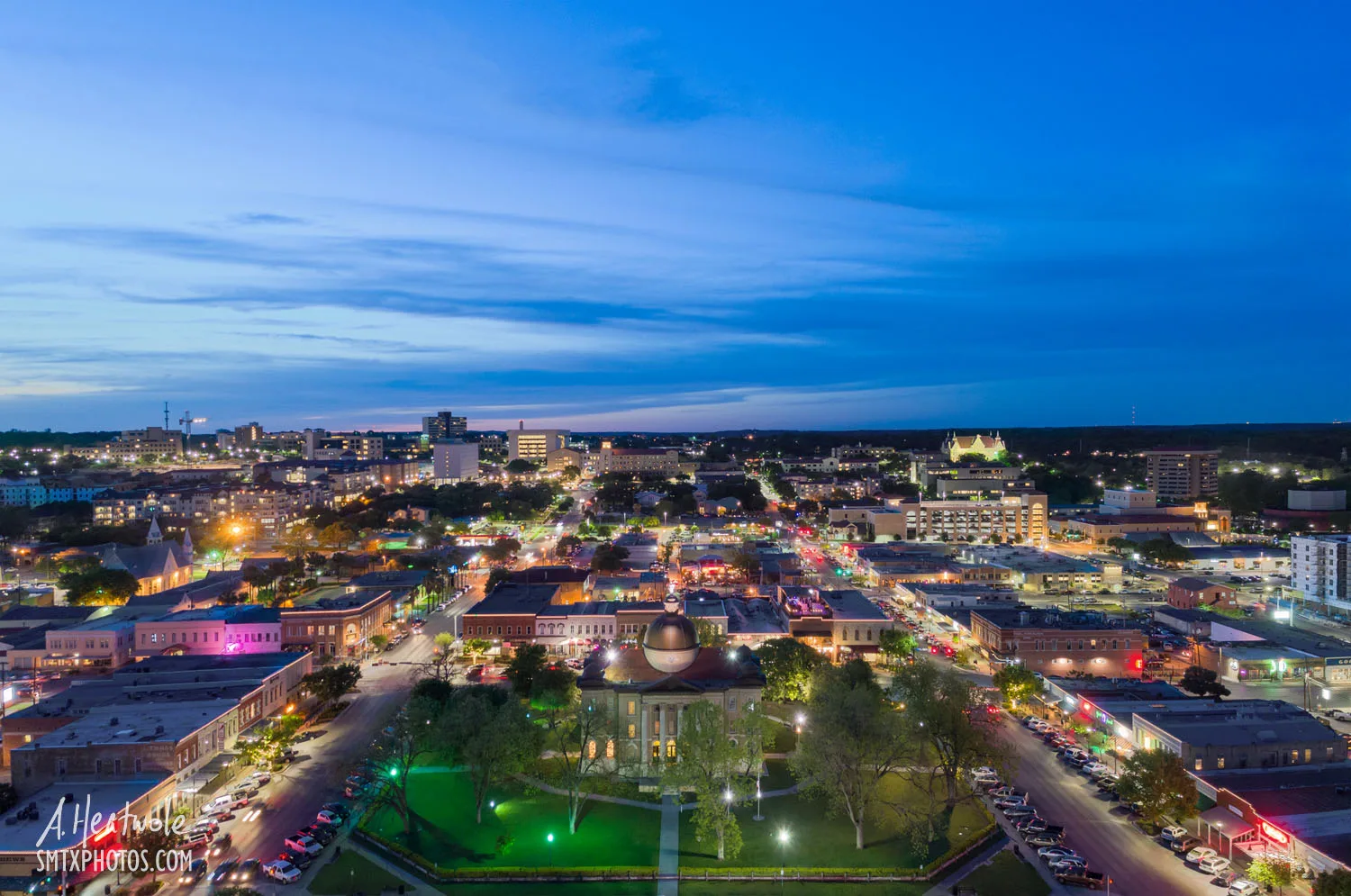
San Marcos sits directly on the Balcones Fault Zone, making it one of Texas's most geologically active areas where underground springs and shifting limestone create unique water damage challenges. This natural phenomenon, combined with the city's location along the San Marcos River, means property owners face distinctive restoration needs throughout the year.
Professional restoration services address multiple types of property damage that commonly affect San Marcos homes and businesses:
- Water Damage Restoration - Emergency extraction and drying services for burst pipes, roof leaks, and appliance failures
- Flooded Basement - Specialized basement water removal and structural drying techniques
- Sewage Cleanup - Safe removal and sanitization of contaminated water and materials
- Fire Damage Restoration - Complete structural repair and content restoration after fires
- Smoke Damage Restoration - Odor elimination and surface cleaning from smoke exposure
- Mold Removal - Professional remediation and prevention of fungal growth
Local restoration companies understand San Marcos's unique environmental conditions and provide 24/7 emergency response. These services protect property values, prevent health hazards, and restore homes to safe, livable conditions using advanced equipment and proven techniques specific to Central Texas conditions.
Common Damage Restoration Issues in San Marcos, Texas
San Marcos's position in the Texas Hill Country creates specific environmental conditions that lead to recurring property damage patterns. The area's limestone bedrock and natural springs contribute to foundation settling and unexpected water intrusion events.
Most frequent damage scenarios include:
- Spring-fed water intrusion - Underground water sources can suddenly emerge during heavy rains
- Flash flood damage - Rapid water level changes in Purgatory Creek and Cottonwood Creek
- Foundation-related water issues - Shifting limestone causes pipe breaks and basement seepage
- HVAC-related mold growth - High humidity levels create ideal conditions for fungal development
- Wildfire smoke infiltration - Hill Country brush fires affect indoor air quality
- Sewage backups - Aging infrastructure struggles during heavy rainfall events
Warning signs property owners should monitor:
- Musty odors indicating hidden moisture or mold growth
- Discolored walls or ceilings suggesting water damage
- Unusual increases in utility bills from hidden leaks
- Persistent smoke smells after nearby fires
- Basement dampness or standing water
- Gurgling sounds from drains during storms
Early detection and professional response prevent minor issues from becoming major restoration projects. Local restoration specialists understand these regional patterns and provide targeted solutions.
Neighborhoods We Serve in San Marcos
Professional restoration services cover all San Marcos residential and commercial areas, including established neighborhoods and newer developments throughout the region.
Primary service areas include:
- Downtown San Marcos - Historic properties along the San Marcos River
- Texas State University area - Student housing and academic facilities
- Blanco Gardens - Established residential community
- Stonegate - Modern subdivision with newer construction
- River Ridge - Hillside homes with unique drainage challenges
- Meadows at Cambridge Heights - Family-oriented neighborhood
- Willow Creek - Mixed residential and commercial development
Service coverage extends to surrounding communities including Kyle, Buda, Wimberley, and Dripping Springs. Rural properties and commercial facilities throughout Hays County receive the same professional response and restoration expertise as urban locations.
Seasonal Damage Patterns in San Marcos
San Marcos experiences distinct seasonal patterns that influence when different types of property damage occur most frequently. Understanding these cycles helps property owners prepare and respond appropriately.
Spring (March-May) brings the highest risk period for multiple damage types:
- Flash flooding from severe thunderstorms requires immediate water damage restoration
- Basement flooding increases due to saturated soil conditions
- Mold growth accelerates in humid conditions following rain events
Summer (June-August) creates different challenges:
- Wildfire smoke damage from Hill Country brush fires
- HVAC system failures leading to moisture problems
- Drought conditions cause foundation shifting and pipe breaks
Fall (September-November) presents transitional risks:
- Hurricane remnants bring flooding and wind damage
- Sewage backup incidents increase with storm runoff
- Fire damage from outdoor burning activities
Winter (December-February) typically shows lower activity but specific issues:
- Frozen pipe bursts during rare freeze events
- Indoor air quality problems from sealed buildings
- Holiday-related fire incidents requiring restoration services
Housing Characteristics & Restoration Considerations
San Marcos housing stock reflects the city's growth from a small college town to a major Central Texas community. This diversity in construction types and ages creates specific restoration considerations for different neighborhoods.
Housing characteristics affecting restoration needs:
- Historic downtown properties (1900s-1940s) feature pier and beam foundations susceptible to water intrusion
- Mid-century homes (1950s-1980s) often have slab foundations with embedded plumbing prone to leaks
- Modern construction (1990s-present) includes improved moisture barriers but complex HVAC systems
- Student housing complexes experience higher turnover and maintenance challenges
Construction materials common in San Marcos homes:
- Limestone and concrete block foundations requiring specialized water damage techniques
- Wood frame construction vulnerable to smoke and fire damage
- Composition shingle roofing susceptible to storm damage
- Drywall and carpet materials that absorb water and odors quickly
- HVAC ductwork that can distribute contaminants throughout properties
Restoration professionals adapt their approaches based on these construction characteristics. Older homes may require more extensive structural drying, while newer properties benefit from advanced moisture detection technology. Understanding building materials helps determine appropriate cleaning methods for smoke damage and mold removal procedures.
Environmental Conditions & Damage Implications
San Marcos sits in a unique environmental zone where the Texas Hill Country meets the coastal plains, creating specific conditions that influence property damage patterns and restoration requirements.
Climate factors affecting restoration needs:
- Humidity levels averaging 65-75% create ideal conditions for mold growth after water damage
- Temperature fluctuations between 40°F and 100°F cause building materials to expand and contract
- Annual rainfall of 33 inches concentrated in spring months increases flood risk
- Limestone bedrock affects drainage patterns and foundation stability
Water quality considerations impact restoration approaches:
- High mineral content in groundwater leaves deposits requiring specialized cleaning
- Natural springs can introduce unexpected water sources during restoration
- Edwards Aquifer protection regulations affect water extraction methods
- River proximity increases contamination risks during flood events
Soil conditions throughout San Marcos include:
- Clay-rich soils that expand and contract with moisture changes
- Rocky limestone areas with poor drainage characteristics
- Sandy loam sections that allow rapid water infiltration
- Blackland prairie remnants with high organic content
These environmental factors require restoration professionals to use specific techniques for water extraction, structural drying, and contamination control. Local expertise becomes critical for successful remediation projects that address both immediate damage and long-term prevention strategies.
University Town Water Damage Challenges
San Marcos's identity as a major university town creates unique property damage scenarios that require specialized restoration expertise. Texas State University's 38,000+ student population generates distinct patterns of water damage, fire incidents, and indoor air quality issues throughout the academic year.
Student housing complexes face recurring challenges:
- Appliance-related water damage from washing machine overflows and dishwasher malfunctions
- Bathroom flooding from clogged drains and toilet overflows
- Kitchen fires requiring smoke damage restoration and odor elimination
- HVAC system strain leading to moisture control problems and mold growth
- Delayed damage reporting allowing problems to worsen before professional intervention
Academic calendar influences damage patterns:
- Move-in periods (August/January) see increased appliance installation incidents
- Holiday breaks create opportunities for undetected leaks and freezing damage
- Spring break departures often leave water damage unnoticed for weeks
- Summer turnover periods require extensive cleaning and restoration between tenants
Property management companies and individual landlords benefit from restoration services that understand these cyclical patterns. Professional teams provide rapid response during academic transitions, comprehensive moisture detection in vacant units, and preventive maintenance programs that reduce emergency situations.
Restoration specialists familiar with university town dynamics offer flexible scheduling, detailed documentation for insurance claims, and communication protocols that work with property management workflows. This expertise helps maintain safe, healthy living environments for students while protecting property investments for owners.





