
Damage Restoration in Lufkin, TX
- Damage Restoration Services Overview
- Common Damage Restoration Issues in Lufkin, Texas
- Neighborhoods We Serve in Lufkin
- Seasonal Damage Patterns in Lufkin
- Housing Characteristics & Restoration Considerations
- Environmental Conditions & Damage Implications
- Storm Season Response and Insurance Documentation in Angelina County
Damage Restoration Services Overview
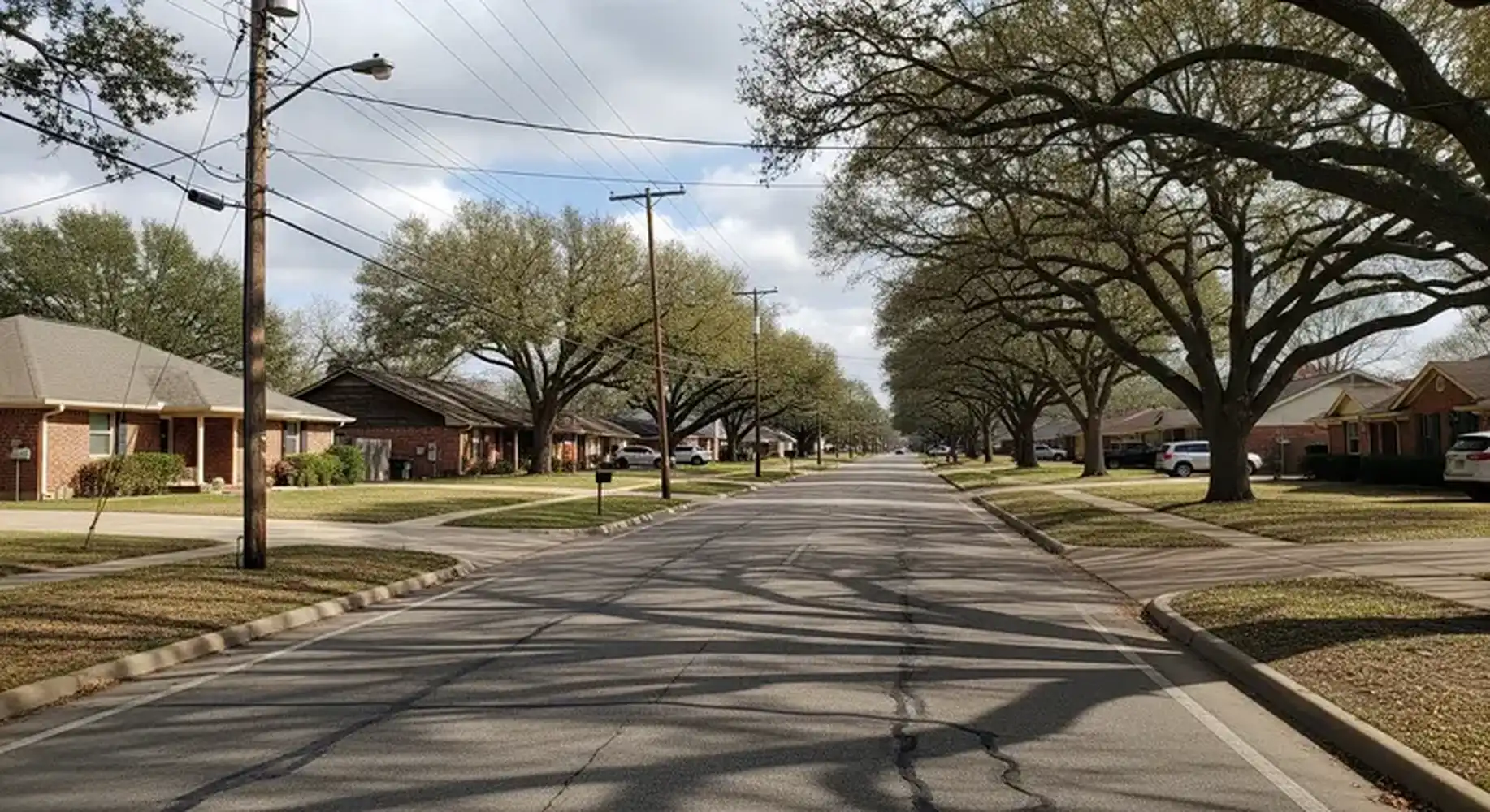
Lufkin sits in one of the wettest regions of Texas, averaging close to 50 inches of rainfall a year - more than Seattle receives. That constant moisture, combined with Piney Woods humidity that rarely drops below 70 percent, means Angelina County properties face restoration challenges that drier parts of the state never encounter.
Property damage rarely arrives politely. A supply line lets go behind a laundry wall, a grease fire scorches a kitchen, or a sewer line backs up into a finished basement during a summer downpour. Each situation demands a different response, and the first 24 to 48 hours often determine whether a property is dried and saved or gutted and rebuilt.
- Water Damage Restoration - extraction, structural drying, and moisture mapping after pipe breaks, roof leaks, and appliance failures
- Flooded Basement - pump-out, sump troubleshooting, and drying of below-grade spaces and crawl areas
- Sewage Cleanup - removal of contaminated materials, antimicrobial treatment, and safe disposal of Category 3 water
- Fire Damage Restoration - debris removal, structural stabilization, and content recovery
- Smoke Damage Restoration - soot cleaning, thermal fogging, and odor neutralization in porous materials
- Mold Removal - containment, HEPA filtration, and removal of colonized building materials
The benefit for Lufkin homeowners is simple: faster stabilization, fewer materials lost, and documentation that supports an insurance claim.
Common Damage Restoration Issues in Lufkin, Texas
East Texas weather and soil conditions drive most of the emergency calls in this area. Heavy convective storms drop several inches in an hour, overwhelming yard drainage and pushing water toward slab foundations and basement window wells.
Local Causes We See Repeatedly
- Angelina River basin flooding and flash runoff after spring thunderstorm clusters
- Overloaded municipal and private sewer lines during sustained rain, causing backups through floor drains and tub traps
- Root intrusion from mature pines and oaks crushing older clay sewer laterals
- Slab plumbing leaks that surface as warm spots or unexplained water bills
- Kitchen grease fires, chimney fires, and electrical faults in older wiring
- Lightning strikes during summer storms igniting attic spaces
- HVAC condensate overflow soaking ceilings and closet flooring
Warning Signs Worth Acting On
- A musty odor that intensifies when the air conditioning cycles on
- Buckling laminate, cupping hardwood, or baseboards pulling away from walls
- Brown or rust-colored ceiling rings that expand over weeks
- Gurgling drains or slow toilets in more than one fixture at once
- Persistent smoke odor that returns during humid weather, months after a small fire
- Visible dark speckling on drywall behind furniture or inside cabinets under sinks
Any of these signals warrants moisture testing. Waiting turns a contained water loss into a mold remediation project that involves containment barriers and material removal.
Neighborhoods We Serve in Lufkin
Restoration crews respond across the city and the wider Piney Woods region, from historic districts to newer subdivisions on the outskirts.
- Downtown Lufkin and the historic Charlton and Kurth Avenue corridors
- Herty and the neighborhoods along Ellen Trout Park
- Neighborhoods surrounding Lufkin High School and Angelina College
- The Loop 287 corridor, including retail and light commercial properties
- Redland, Pollok, and Central communities north of town
- Diboll, Huntington, Zavalla, and Burke to the south and east
- Nacogdoches, Corrigan, and Crockett within the broader service footprint
Familiarity with each area matters. Crews already know which older neighborhoods run cast iron drain lines, which subdivisions have pier-and-beam crawl spaces prone to standing water, and which streets flood first when Hurricane Creek rises.
Seasonal Damage Patterns in Lufkin
Damage types follow a predictable rhythm here, and knowing the pattern helps property owners prepare instead of react.
- January and February - Hard freezes crack exposed hose bibs and attic supply lines. Thaw brings sudden interior flooding. Space heater and fireplace use pushes fire and smoke calls to their annual peak.
- March through May - Severe thunderstorms, hail, and straight-line winds open roofs. Flooded basements, crawl space saturation, and sewer backups climb sharply as ground saturation peaks.
- June through August - Humidity plus air conditioning condensation drives the busiest mold removal season. Lightning-caused attic fires spike during afternoon storm cells.
- September and October - Tropical systems moving inland from the Gulf deliver multi-day rainfall, causing widespread water intrusion and contaminated water losses.
- November and December - Holiday cooking fires, candle incidents, and the first heating cycles produce smoke damage in homes where flues have gone uninspected.
Mold can develop in any month here because indoor humidity stays elevated year-round, which is why post-loss drying verification matters more in East Texas than in most regions.
Housing Characteristics & Restoration Considerations
Lufkin's housing stock spans more than a century, and the construction era of a property shapes nearly every restoration decision made on site.
Common Construction Types
- Pre-1950 pier-and-beam homes near downtown - shiplap sheathing, original hardwood, plaster walls, and crawl spaces that trap standing water
- 1950s to 1970s ranch homes - cast iron and galvanized plumbing nearing end of life, original wiring, and low-slope roof additions
- 1980s to 2000s slab-on-grade homes - post-tension or conventional slabs where leaks travel invisibly beneath flooring
- Newer subdivision construction - engineered wood flooring, tighter building envelopes, and vinyl plank that hides moisture underneath
- Manufactured and modular housing throughout Angelina County - particle board subfloors that fail quickly when saturated
How Age Affects the Work
- Plaster and lath dries far slower than modern drywall and often needs injection drying rather than removal
- Homes built before 1980 may contain asbestos-bearing floor tile, mastic, or popcorn ceilings requiring testing before demolition
- Crawl space insulation holds moisture long after the visible water is gone, feeding mold growth in floor joists
- Older homes commonly lack vapor barriers, so slab moisture migrates into wall cavities
- Smoke residue penetrates deeper in balloon-framed walls, traveling between floors through open stud bays
Crews adapt drying equipment placement, containment design, and cleaning agents to the materials actually present rather than applying a single approach to every structure.
Environmental Conditions & Damage Implications
The Piney Woods environment works against fast drying. Understanding the local conditions explains why restoration here takes more equipment and closer monitoring than the same loss would in West Texas.
Climate and Air
- Humid subtropical climate with dew points frequently in the 70s from May through September
- Outdoor air is often too moist to use for drying, making sealed dehumidification the primary method
- Heavy pine pollen loads in spring add to indoor air quality complaints after any loss
- Smoke odor lingers longer because humid air keeps soot particles suspended and reactivates them on surfaces
Soil and Water
- Expansive clay soils common across Angelina County swell and shrink, stressing foundations and drain lines
- Poor percolation means rainwater pools around foundations rather than draining away
- Shallow water tables in low-lying areas near creeks push moisture upward through slabs and into crawl spaces
- Iron and mineral content in local groundwater leaves staining that requires specific cleaning approaches
What This Means for Your Property
- Mold colonies can establish within 24 to 48 hours of water exposure in warm months
- Structural drying often requires more dehumidification capacity and longer monitoring than published averages suggest
- Sewage losses carry elevated contamination risk when soil saturation prevents proper drainage
- Moisture verification with meters and thermal imaging is necessary before rebuilding, not optional
Storm Season Response and Insurance Documentation in Angelina County
When a tropical system or severe thunderstorm line moves through Lufkin, hundreds of properties can be affected within hours. Local crews who already know the terrain reach neighborhoods faster than out-of-area contractors chasing storms, and that head start protects building materials that would otherwise be lost.
What Happens After You Call
- Emergency contact and dispatch, available around the clock throughout Lufkin and surrounding communities
- Safety assessment covering electrical hazards, structural stability, and contamination category
- Water extraction, board-up, or tarping to stop ongoing damage
- Moisture mapping with meters and thermal imaging to find hidden saturation in walls, cabinets, and subfloors
- Controlled demolition of unsalvageable materials, with containment where mold or sewage is present
- Drying equipment placement and daily monitoring until target readings are reached
- Cleaning, deodorization, antimicrobial application, and content restoration
- Final documentation package and coordination with your adjuster
Documentation That Supports Your Claim
- Photographic records of every affected room and material before work begins
- Daily moisture logs showing equipment performance and drying progress
- Category and class designations for water losses, which drive coverage decisions
- Detailed scope notes tied to industry-standard line items adjusters recognize
- Air sampling results when mold remediation is part of the project
Why Local Knowledge Matters
- Familiarity with Angelina County permitting and inspection requirements for reconstruction
- Working relationships with area plumbers, electricians, and roofers for fast source repair
- Understanding of which Lufkin neighborhoods flood first and which construction types dry slowest
- Crews based nearby rather than traveling in after the storm has passed
Property owners get a single point of accountability from the first extraction through the last piece of trim, along with records that hold up when the claim is reviewed.





