
Damage Restoration in Wooster, OH
- Damage Restoration Services Overview
- Common Damage Restoration Issues in Wooster, Ohio
- Neighborhoods We Serve in Wooster
- Seasonal Damage Patterns in Wooster
- Housing Characteristics & Restoration Considerations
- Environmental Conditions & Damage Implications
- From Emergency Response to Finished Repairs in Wayne County
Damage Restoration Services Overview
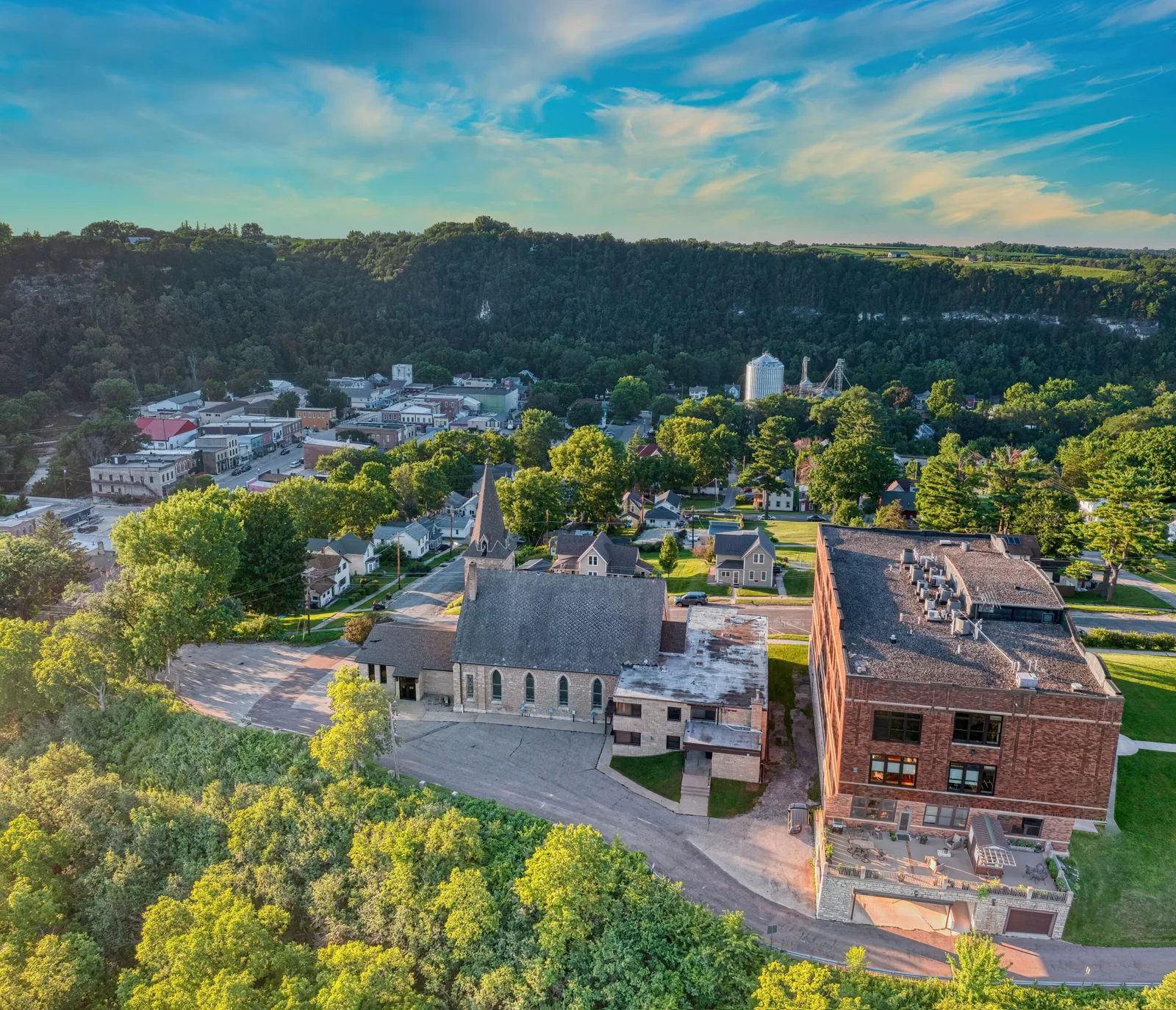
Wayne County sits atop some of the densest glacial till clay in Ohio - soil that can hold water like a bathtub liner long after the rain stops. That single geological detail explains why so many Wooster homeowners discover damp basement walls, musty crawl spaces, and seeping floor cracks each spring.
Restoration work here covers far more than pumping out water. A complete response addresses the moisture, the contamination, the odor, and the rebuild.
- Water Damage Restoration - extraction, structural drying, and moisture mapping after burst pipes, appliance failures, or roof leaks.
- Flooded Basement Cleanup - removal of standing water, saturated drywall, insulation, and flooring below grade.
- Sewage Cleanup - containment and sanitizing after backups from floor drains, septic systems, or municipal line surcharges.
- Fire Damage Restoration - securing the structure, removing charred materials, and coordinating reconstruction.
- Smoke Damage Restoration - soot removal from surfaces, contents, and HVAC systems plus odor neutralization.
- Mold Removal - containment barriers, controlled removal of colonized materials, and correction of the moisture source.
Benefits for Wooster residents include faster drying that limits secondary mold growth, documentation that supports insurance claims, and one team handling both mitigation and repairs so the home returns to normal without juggling multiple contractors.
Common Damage Restoration Issues in Wooster, Ohio
Water damage remains the most frequent call we receive in Wooster, driven largely by spring rains and mid-winter thaws. Saturated clay soil creates hydrostatic pressure that forces moisture through foundation walls, cove joints, and hairline floor cracks.
Local Causes We See Repeatedly
- Sump pump failure or discharge lines frozen shut during January and February thaws
- Downspouts emptying directly against foundations in older neighborhoods near the downtown core
- Cast iron and clay sewer laterals in pre-1960 homes that crack or fill with tree roots
- Septic system saturation on rural properties surrounding the city where drainage fields stay wet
- Space heaters, wood stoves, and chimney flues used heavily through long Ohio winters
- Kitchen grease fires that spread soot through return air ducts within minutes
Warning Signs Worth Acting On
- A persistent earthy or musty smell in the basement, even when floors look dry
- White chalky efflorescence or bubbling paint on block foundation walls
- Floor drains that gurgle when the washing machine empties
- Cupping or darkening at the edges of hardwood planks near exterior walls
- Yellow-brown staining on ceilings below bathrooms or attic spaces
- Lingering smoke odor that returns on humid days after a small fire was cleaned up
Catching any of these early usually means drying and sanitizing rather than tearing out and rebuilding.
Neighborhoods We Serve in Wooster
Our crews respond throughout the city and across Wayne County, adjusting the approach to each area's housing stock and drainage conditions.
- Downtown and the Historic District - century homes with stone foundations and original plaster
- The College of Wooster area - rentals and multi-family properties needing fast turnaround between tenants
- Christmas Run and Oak Hill - established neighborhoods with mature trees and aging sewer laterals
- Melrose and Highland Park - mid-century ranches with finished lower levels
- Northwest and Burbank Road corridors - newer subdivisions with poured foundations and sump systems
- Madison Hill and Cleveland Road - mixed residential and commercial properties
We also serve surrounding communities including Orrville, Smithville, Apple Creek, Shreve, Rittman, Doylestown, Creston, Marshallville, Kidron, Dalton, Fredericksburg, and the rural townships in between where septic and well systems add another layer to sewage and water response.
Seasonal Damage Patterns in Wooster
Each season brings a different mix of restoration work to Wayne County homes.
- January - February: Frozen and burst supply lines in exterior walls, crawl spaces, and unheated garages. Heating equipment and chimney fires peak, bringing smoke damage calls. Mid-winter thaws over frozen ground send meltwater straight into basements.
- March - May: The heaviest stretch for water damage and flooded basements. Saturated clay soil, snowmelt, and steady spring rain overwhelm sump pumps and surcharge sanitary lines, triggering sewage backups through floor drains.
- June - August: Humidity climbs and mold growth accelerates in basements, crawl spaces, and behind bathroom tile. Severe thunderstorms bring wind-driven rain, roof leaks, and lightning-related fires.
- September - October: Falling leaves clog gutters and downspouts, redirecting roof runoff to foundations. First furnace startups produce puff-back soot when oil and gas systems have not been serviced.
- November - December: Holiday cooking fires, candles, and decorative lighting increase fire and smoke calls. Early freezes catch outdoor spigots and irrigation lines that were never drained.
Housing Characteristics & Restoration Considerations
Wooster's housing mix spans more than 150 years of construction, and each era responds to water, fire, and mold differently.
Older Homes (pre-1940)
- Sandstone or rubble foundations that wick groundwater through porous mortar joints
- Lath and plaster walls that hold moisture behind the surface long after paint looks dry
- Balloon framing that lets smoke and fire travel vertically between floors without firestops
- Potential asbestos in pipe wrap and vinyl tile, and lead paint requiring careful handling during removal
Mid-Century Homes (1940s - 1970s)
- Concrete block basements prone to seepage at the cove joint where wall meets floor
- Finished lower levels with paneling and carpet over slab - materials that trap moisture and feed mold
- Original galvanized supply lines that corrode and fail at joints
- Clay sewer laterals vulnerable to root intrusion from mature street trees
Newer Construction (1980s - present)
- Poured walls with interior drain tile and sump systems that fail when pumps or backup power give out
- Tighter building envelopes that hold humidity and concentrate smoke odor
- Engineered flooring and OSB subfloor that swell permanently once saturated
- Second-floor laundry rooms where a failed supply hose can damage three levels at once
Knowing the building type up front tells us where to place moisture meters, how aggressively to dry, and which materials can be saved rather than replaced.
Environmental Conditions & Damage Implications
Wooster's climate and geology work together to make moisture problems persistent rather than occasional.
Climate Factors
- Roughly 38 - 40 inches of annual precipitation, spread fairly evenly across the year
- Summer relative humidity that regularly sits above 70 percent, well past the 60 percent threshold where mold thrives
- Repeated freeze-thaw cycles that widen foundation cracks and stress supply lines
- Lake-effect influence bringing prolonged cloudy, damp stretches that slow natural drying
Soil and Groundwater
- Dense, clay-heavy glacial till that drains slowly and holds water against foundations
- Hydrostatic pressure that pushes moisture through block walls, cove joints, and slab cracks
- Shallow water tables in low-lying areas near Killbuck Creek and Apple Creek tributaries
- Expansive clay that shifts seasonally, opening new pathways for seepage
Water and Air Quality Impacts
- Hard, mineral-rich groundwater that scales fixtures and shortens water heater life
- Rural septic systems that struggle when drainage fields stay saturated, raising the risk of category three contamination
- Agricultural dust and pollen that settle in ductwork and combine with soot to intensify post-fire odor
- Below-grade living spaces where poor air exchange lets mold spores and smoke residue linger
Because of these conditions, drying alone is rarely enough. Controlling humidity and correcting the water pathway are what keep the problem from returning next spring.
From Emergency Response to Finished Repairs in Wayne County
The gap between mitigation and reconstruction is where most Wooster homeowners get stuck. Water gets extracted, drywall gets cut, and then the house sits open for weeks while a separate contractor is lined up. Handling both phases under one roof removes that delay.
How the Process Unfolds
- Emergency contact and dispatch - crews respond around the clock to Wooster and the surrounding townships.
- Inspection and documentation - moisture meters, thermal imaging, and photo records establish the full extent of damage for the insurance file.
- Source control and containment - the water is stopped, contaminated zones are isolated with negative air, and sewage or soot is kept from spreading.
- Extraction and removal - standing water is pumped out, unsalvageable materials are removed, and charred or mold-colonized surfaces are taken back to sound substrate.
- Drying and dehumidification - air movers and commercial dehumidifiers run until daily moisture readings confirm structural materials have returned to normal levels.
- Cleaning and deodorizing - antimicrobial treatment for sewage and mold, soot cleaning for smoke, and odor neutralization including HVAC and duct treatment.
- Reconstruction - drywall, trim, paint, flooring, cabinetry, and finish carpentry that match the original home.
What Homeowners Gain
- A single point of contact from the first phone call through the final walkthrough
- Insurance-ready documentation and direct communication with adjusters
- Certified technicians trained in IICRC water, fire, and mold standards
- Attention to the underlying cause - grading, downspouts, sump discharge, or sewer laterals - so the same damage does not repeat
- Craftsmanship on the rebuild that respects the character of older Wooster homes
The result is a property that is dry, sanitized, odor-free, and fully restored - not simply stabilized and left waiting.





