
Damage Restoration in Rittman, OH
- Damage Restoration Services Overview
- Common Damage Restoration Issues in Rittman, Ohio
- Neighborhoods We Serve in Rittman
- Seasonal Damage Patterns in Rittman
- Housing Characteristics & Restoration Considerations
- Environmental Conditions & Damage Implications
- Moisture Mapping and Verified Drying in Rittman Basements
Damage Restoration Services Overview
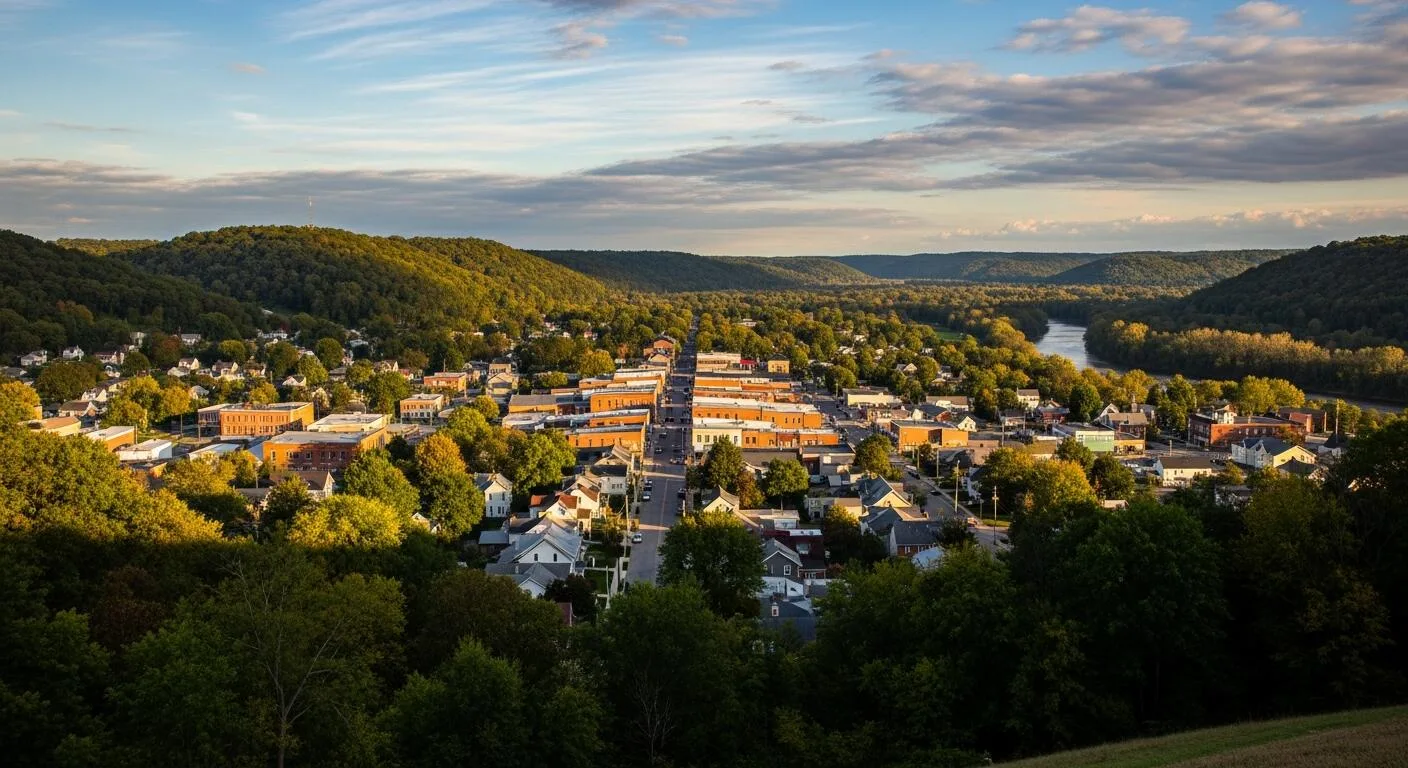
Water spreading across a finished basement, smoke settling into drywall after a kitchen fire, or a sewage backup in a floor drain - each of these problems worsens by the hour. In Rittman, where many homes sit on aging sewer laterals and near the Chippewa Creek floodplain, the window between a manageable cleanup and a full reconstruction project can be remarkably short.
Restoration work in Wayne County typically spans six connected service categories:
- Water Damage Restoration - extraction, structural drying, and moisture mapping after supply line breaks, appliance failures, and roof leaks
- Flooded Basement - pumping standing water, drying block foundations, and salvaging contents from below-grade spaces
- Sewage Cleanup - containment and disinfection of Category 3 water containing bacteria and pathogens
- Fire Damage Restoration - debris removal, soot cleaning, structural stabilization, and rebuild coordination
- Smoke Damage Restoration - odor neutralization, HVAC decontamination, and treatment of porous surfaces
- Mold Removal - containment barriers, HEPA filtration, and removal of colonized building materials
Acting quickly protects more than the structure. Fast response limits secondary damage to hardwood floors and framing, reduces the volume of material that must be discarded, supports a cleaner insurance claim, and keeps indoor air breathable for families and employees throughout the process.
Common Damage Restoration Issues in Rittman, Ohio
Rittman's mix of century-old housing stock, mid-century ranches, and newer subdivisions creates a wide range of failure points. Add clay-heavy soils and a drainage system that shares capacity during heavy rain, and certain problems repeat year after year.
Frequent Local Causes
- Spring rain and snowmelt saturating lots along Chippewa Creek and low-lying streets, pushing groundwater through foundation cracks
- Sump pump failures during power outages tied to summer thunderstorms
- Sewer backups when combined stormwater volume exceeds line capacity, sending contaminated water into basement drains
- Frozen and burst supply lines in unheated crawl spaces, garages, and older additions during January cold snaps
- Kitchen grease fires, wood stove and fireplace mishaps, and space heater incidents during heating season
- Hidden mold behind paneling, under carpet padding, and inside wall cavities where moisture lingered unnoticed
Warning Signs Worth Investigating
- Musty odor that intensifies after rain or when the furnace runs
- Efflorescence - white chalky residue - on basement block walls
- Cupped or buckling hardwood, bubbling paint, or soft baseboards
- Gurgling floor drains or slow-draining fixtures on the lowest level
- Persistent smoke odor weeks after a small fire, signaling soot in ductwork
- Unexplained allergy symptoms that ease when occupants leave the house
Catching any of these early usually means drying and cleaning rather than demolition and rebuilding.
Neighborhoods We Serve in Rittman
Coverage extends across the full City of Rittman and into the surrounding Wayne and Medina County communities that share the same weather, soil, and infrastructure conditions.
- Downtown Rittman and the older residential blocks around Ohio Street and Main Street
- Neighborhoods near Rittman High School and the Rittman Recreation Center
- Residential areas along Metzger Avenue, Sunset Drive, and Milton Street
- Properties bordering Chippewa Creek and the surrounding low-lying parcels
- Rural homesteads and farm properties on the township roads outside city limits
Service also reaches nearby Doylestown, Sterling, Creston, Marshallville, Orrville, Burbank, Seville, Wooster, and West Salem. Familiarity with these areas matters - crews already know which streets drain slowly, where older clay sewer laterals are common, and how far a truck-mounted extraction hose needs to reach on properties with detached garages or long driveways.
Seasonal Damage Patterns in Rittman
Northeast Ohio's calendar produces predictable damage cycles, and knowing the pattern helps property owners prepare instead of react.
- January - February: Frozen pipe bursts peak. Ice damming forces meltwater under shingles into ceilings and wall cavities. Heating equipment and fireplace fires rise with sustained cold.
- March - April: Snowmelt combines with spring rain to saturate soil. Flooded basements, sump failures, and sewage backups cluster in this window.
- May - June: Warming temperatures activate mold in anything that stayed damp through spring. Severe thunderstorms bring wind-driven rain and roof leaks.
- July - August: Humidity keeps basements and crawl spaces above safe moisture thresholds. Air conditioning condensate line clogs cause slow, hidden water damage.
- September - October: Remnants of tropical systems occasionally deliver heavy rainfall. Furnaces fire up for the first time, releasing dust odors and revealing ventilation problems.
- November - December: Holiday cooking fires, candles, and overloaded circuits drive fire and smoke damage calls. Early freezes catch unwinterized outdoor spigots.
Housing Characteristics & Restoration Considerations
Rittman's housing stock spans more than a century, and the construction era of a home dictates how restoration is approached.
Common Construction Types
- Pre-1940 frame homes: Balloon framing, plaster and lath walls, stone or brick foundations, and original wood floors. Plaster holds moisture longer than drywall and requires extended drying with careful monitoring.
- 1950s - 1970s ranches: Concrete block basements, finished rec rooms, and wood paneling that traps moisture behind it - a frequent site of hidden mold growth.
- 1980s - 2000s two-stories: Poured foundations, carpeted lower levels, and forced-air systems that distribute smoke and mold spores building-wide if not addressed.
- Newer builds: Tighter envelopes that hold humidity in, meaning water intrusion dries more slowly without mechanical dehumidification.
How Age Affects the Work
- Pre-1980 homes may contain asbestos in floor tile, pipe wrap, and joint compound - testing precedes demolition
- Lead-based paint in older properties requires contained work practices during fire and water repairs
- Clay sewer laterals common in older Rittman neighborhoods are prone to root intrusion and backups
- Original knob-and-tube or aluminum wiring is evaluated after fire and water events before power is restored
- Finished basements with framed walls need cavity drying or partial removal rather than surface drying alone
Matching the drying and rebuild plan to the actual construction prevents trapped moisture and repeat damage.
Environmental Conditions & Damage Implications
Local climate and ground conditions shape how quickly damage develops and how aggressively it must be treated.
Climate and Moisture
- Roughly 38 - 40 inches of annual precipitation, distributed across all four seasons rather than concentrated in a wet season
- Lake Erie influence brings extended cloud cover and snowfall, slowing natural evaporation in winter and early spring
- Summer relative humidity regularly exceeds 70 percent, keeping basements near the threshold where mold colonizes within 24 - 48 hours
- Freeze-thaw cycling stresses foundation walls, creating new crack pathways for groundwater
Soil and Water Conditions
- Wayne County soils are largely silt loam over glacial till with high clay content - slow percolation means water pools against foundations after storms
- Seasonally high water tables push hydrostatic pressure against basement walls and floor joints
- Hard groundwater leaves mineral deposits that complicate cleaning of fixtures and surfaces after flooding
- Agricultural surroundings mean floodwater and sewage backups may carry additional organic and chemical contaminants requiring antimicrobial treatment
Air Quality Considerations
- Smoke particulate travels through return ducts and settles far from the fire origin, requiring whole-system cleaning
- Seasonal pollen and farm dust add load to HVAC systems already compromised by soot or spores
- Tight modern construction concentrates odors and mold VOCs indoors without dedicated filtration
Moisture Mapping and Verified Drying in Rittman Basements
The most expensive restoration outcome in Rittman is not the original flood - it is the mold discovered six months later behind a basement wall that looked dry. Below-grade spaces in this area dry slowly because clay soil holds water against the foundation long after the visible puddles are gone.
How Thorough Drying Is Verified
- Initial documentation: Moisture meters and thermal imaging map the full extent of migration, including wicking up drywall and travel under flooring into adjacent rooms.
- Category and class determination: Clean supply water, gray water from appliances, and Category 3 sewage each demand different protocols - sewage cleanup requires containment, PPE, and removal of porous materials rather than drying in place.
- Extraction before drying: Removing bulk water mechanically is faster and more effective than evaporating it with equipment alone.
- Controlled drying environment: Air movers paired with dehumidifiers sized to the cubic footage, with wall cavities opened or vented where framing has absorbed moisture.
- Daily readings: Moisture content in framing, subfloor, and masonry is logged against dry standards taken from unaffected areas of the same building.
- Clearance before rebuild: Reconstruction begins only after readings hold at dry standard, preventing mold sealed inside finished walls.
Why Documentation Matters for Claims
- Daily moisture logs and photographs support the scope submitted to your insurance carrier
- Written category classification justifies material removal decisions for sewage and contaminated water losses
- Equipment placement records and atmospheric readings demonstrate that drying followed accepted industry standards
- Clear before-and-after documentation reduces back-and-forth with adjusters and keeps the rebuild moving
The same discipline applies to fire and smoke work - testing surfaces for residue, cleaning ductwork, and treating odor at the source rather than masking it. Detailed verification is what separates a property that is genuinely restored from one that simply looks finished.





