
Damage Restoration in Marietta, OH
- Damage Restoration Services Overview
- Common Damage Restoration Issues in Marietta, Ohio
- Neighborhoods We Serve in Marietta
- Seasonal Damage Patterns in Marietta
- Housing Characteristics & Restoration Considerations
- Environmental Conditions & Damage Implications
- Flood Response Along the Ohio and Muskingum Rivers
Damage Restoration Services Overview
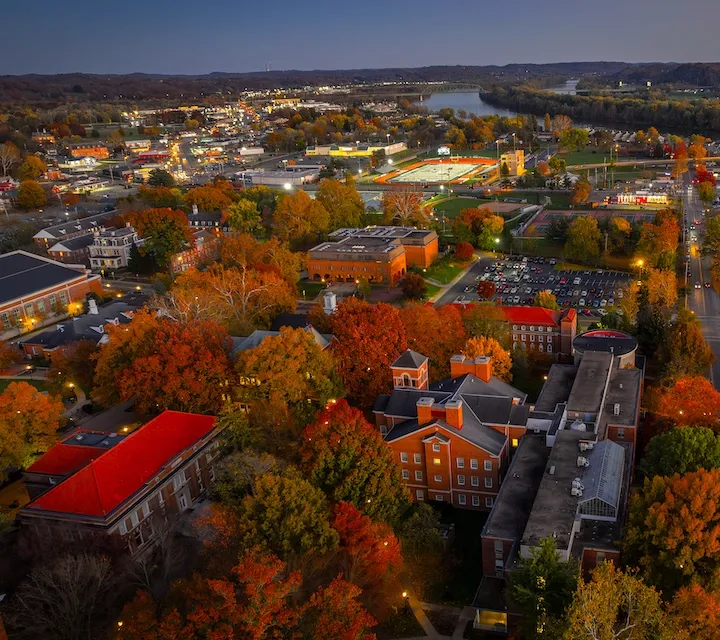
Marietta sits at the confluence of the Ohio and Muskingum Rivers - two waterways that shaped the city's history and still shape its risk profile. Ohio's oldest permanent settlement has weathered record floods in 1913, 1937, 2004 and 2005, and that legacy lives on in basements, crawl spaces and century-old foundations across Washington County.
Property damage rarely announces itself politely. A failed sump pump on Front Street, a grease fire in a Devola kitchen, or a slow supply-line leak behind a laundry wall can each escalate within hours.
- Water Damage Restoration - extraction, structural drying, moisture mapping and monitoring until materials reach dry standard.
- Flooded Basement - pump-out, contents handling, sanitizing and dehumidification of below-grade spaces.
- Sewage Cleanup - removal of contaminated materials, antimicrobial treatment and safe disposal of Category 3 waste.
- Fire Damage Restoration - debris removal, board-up, structural cleaning and rebuild coordination.
- Smoke Damage Restoration - soot removal from surfaces and HVAC, plus odor neutralization at the molecular level.
- Mold Removal - containment, filtration, removal of affected materials and correction of the moisture source.
The benefit for Marietta homeowners and business operators is simple: faster stabilization means fewer materials lost, lower reconstruction scope, and a clearer path through the insurance process.
Common Damage Restoration Issues in Marietta, Ohio
Geography drives most of the calls here. River-adjacent neighborhoods deal with backwater and groundwater pressure, while hillside properties in the Harmar and Norwood areas contend with runoff funneled down steep grades toward foundations.
What Causes Damage Locally
- Ohio and Muskingum River rises after regional rainfall, pushing groundwater into basements even when streets stay dry.
- Combined and aging sanitary lines that surcharge during heavy storms, backing up through floor drains and basement fixtures.
- Clay and shale soils that hold water against block foundations, creating hydrostatic pressure and seepage at the cove joint.
- Freeze-thaw cycling that cracks supply lines in unheated crawl spaces and porch walls.
- Wood stoves, space heaters and older wiring in historic homes - common ignition sources during winter.
- Storm-driven roof and siding failures that let water travel inside wall cavities for weeks before staining appears.
Warning Signs Worth Acting On
- Musty odor in a basement or closet that returns after airing out - a reliable indicator of hidden mold growth.
- Efflorescence, chalky white residue, or peeling paint on foundation walls.
- Gurgling floor drains or slow fixtures during rainfall, often the first hint of sewer surcharge.
- Cupping hardwood, soft baseboards or nail-pop patterns on drywall.
- Yellow-brown soot ghosting above outlets, doorways and along ceiling joists after a small fire.
- Lingering smoke odor that intensifies when humidity rises or the furnace kicks on.
Catching any of these early usually keeps a project in mitigation territory rather than full reconstruction.
Neighborhoods We Serve in Marietta
Coverage spans the city and the surrounding Washington County communities, including riverfront districts and outlying townships.
- Historic Downtown & Front Street - brick commercial buildings, upper-floor apartments and river-level basements.
- Harmar Village - older frame homes west of the Muskingum with frequent groundwater concerns.
- Norwood and Marietta Heights - hillside properties dealing with runoff and drainage failures.
- Devola - suburban homes along the Muskingum with septic and basement moisture issues.
- Oak Grove, Fort Harmar and the Third Street corridor.
- Reno, Lowell, Beverly, Whipple, Vincent and Little Hocking.
- Belpre and Williamstown-area properties just downriver.
Familiarity with local street grades, older sewer laterals and river gauge behavior lets crews stage equipment and prioritize the right work first.
Seasonal Damage Patterns in Marietta
Damage types follow a fairly predictable annual rhythm along the Ohio River valley.
- January - February: frozen and burst pipes, ice damming on north-facing roofs, chimney and heating-related fires, smoke damage from wood stoves and furnace puff-backs.
- March - April: peak river and snowmelt flooding, flooded basements, sewage backups when systems surcharge, sump pump failures.
- May - June: thunderstorm wind and hail damage, roof leaks, first wave of mold growth as humidity climbs.
- July - August: heaviest mold season - warm, humid air condensing in basements and crawl spaces; AC condensate line overflows.
- September - October: remnant tropical systems bringing heavy rain, gutter overflow and foundation seepage.
- November - December: heating system startup smoke odors, cooking fires, early freeze events on exterior spigots.
Knowing the pattern allows preventive scheduling - sump testing before spring, dehumidifier checks before July, and chimney or dryer vent attention before the heating season begins.
Housing Characteristics & Restoration Considerations
Marietta's building stock skews old. A large share of homes predate 1940, and many downtown structures date to the 1800s - beautiful, but restoration work here requires a different approach than a modern subdivision.
Construction Types and Their Implications
- Balloon-framed homes: open wall cavities allow water and smoke to travel between floors, so drying and soot inspection must extend well beyond visible damage.
- Stone and brick foundations: porous masonry absorbs floodwater and holds moisture long after standing water is removed, requiring extended dehumidification.
- Plaster over wood lath: retains moisture differently than drywall and often can be dried and saved when addressed quickly.
- Knob-and-tube or updated-in-stages wiring: demands careful power isolation before extraction begins.
- Unconditioned crawl spaces: common in Harmar and Devola, and a frequent source of mold that migrates upward through the stack effect.
- Finished basements with carpet and paneling: among the most vulnerable assemblies during sewage backups, since porous materials in Category 3 water cannot be salvaged.
How That Shapes the Work
- Moisture mapping with meters and thermal imaging before any demolition, so removal stays surgical.
- Selective material removal that preserves original trim, flooring and millwork wherever readings allow.
- Containment barriers to keep soot, spores and odor out of unaffected rooms.
- Documented daily readings until every substrate meets a defined dry standard.
Environmental Conditions & Damage Implications
The humid continental climate of southeastern Ohio delivers roughly 40-plus inches of annual precipitation, hot muggy summers and freeze-thaw winters. Each factor pushes restoration work in a specific direction.
Local Conditions That Matter
- Summer dew points: frequently high enough to condense on cool basement walls and slab floors, feeding mold without any leak present.
- River valley fog and stagnant air: slows natural drying, making mechanical dehumidification necessary rather than optional.
- Clay-heavy and alluvial soils: drain slowly, hold water against foundations and shift with moisture cycles, opening seepage paths.
- High groundwater table near both rivers: keeps below-grade spaces damp and makes sump systems load-bearing infrastructure.
- Hard, mineral-rich water: accelerates scaling and pinhole corrosion in older copper supply lines.
- Valley air inversions: trap smoke and combustion odors indoors longer after a fire event.
Practical Effects on Restoration
- Drying plans are built around actual grain-depth readings in masonry and framing, not surface appearance.
- Negative-air machines with HEPA filtration control spore and soot migration in tight valley homes.
- Sewage cleanup includes full antimicrobial application, given how quickly bacteria multiply in warm, humid conditions.
- Odor work often requires hydroxyl or thermal treatment plus HVAC cleaning, because valley humidity reactivates residual smoke compounds.
Flood Response Along the Ohio and Muskingum Rivers
Few Ohio communities know river flooding like Marietta. When the National Weather Service gauge at Marietta approaches flood stage, water reaches downtown streets, Harmar basements and Muskingum-side properties in Devola - sometimes with little warning after upstream rainfall.
The Problem With Delayed Response
- River floodwater is Category 3 - it carries sewage, agricultural runoff, fuel and silt.
- Silt deposits hold moisture against framing long after water recedes, extending drying time.
- Mold colonization can begin within 24 to 48 hours in warm conditions.
- Saturated block foundations wick moisture upward into sill plates and subfloor.
- Electrical and mechanical systems submerged in contaminated water need evaluation before reuse.
How a Thorough Flood Project Proceeds
- Safety assessment - utilities isolated, structural stability confirmed, containment established.
- Standing water extraction with truck-mounted and portable pumps sized to the volume.
- Silt and debris removal, followed by pressure cleaning of hard surfaces.
- Removal of unsalvageable porous materials - carpet, pad, insulation, particleboard and saturated drywall cut above the waterline.
- Antimicrobial application to all affected framing and masonry.
- Structural drying with dehumidifiers and directed airflow, documented with daily moisture readings.
- Post-drying verification, then coordination of rebuild and finish work.
Attention to detail matters most in the parts nobody sees - behind stair stringers, under sill plates, inside wall cavities and beneath mechanical platforms. Skipping those areas is exactly how a flooded basement becomes a mold removal project six weeks later. Thorough documentation also gives Marietta property owners the record their insurance carrier needs, which keeps claims moving and gets families and businesses back to normal sooner.





