
Damage Restoration in Youngstown, OH
- Damage Restoration Services Overview
- Common Damage Restoration Issues in Youngstown, Ohio
- Neighborhoods We Serve in Youngstown
- Seasonal Damage Patterns in Youngstown
- Housing Characteristics & Restoration Considerations
- Environmental Conditions & Damage Implications
- Industrial Legacy and Modern Restoration Challenges
Damage Restoration Services Overview
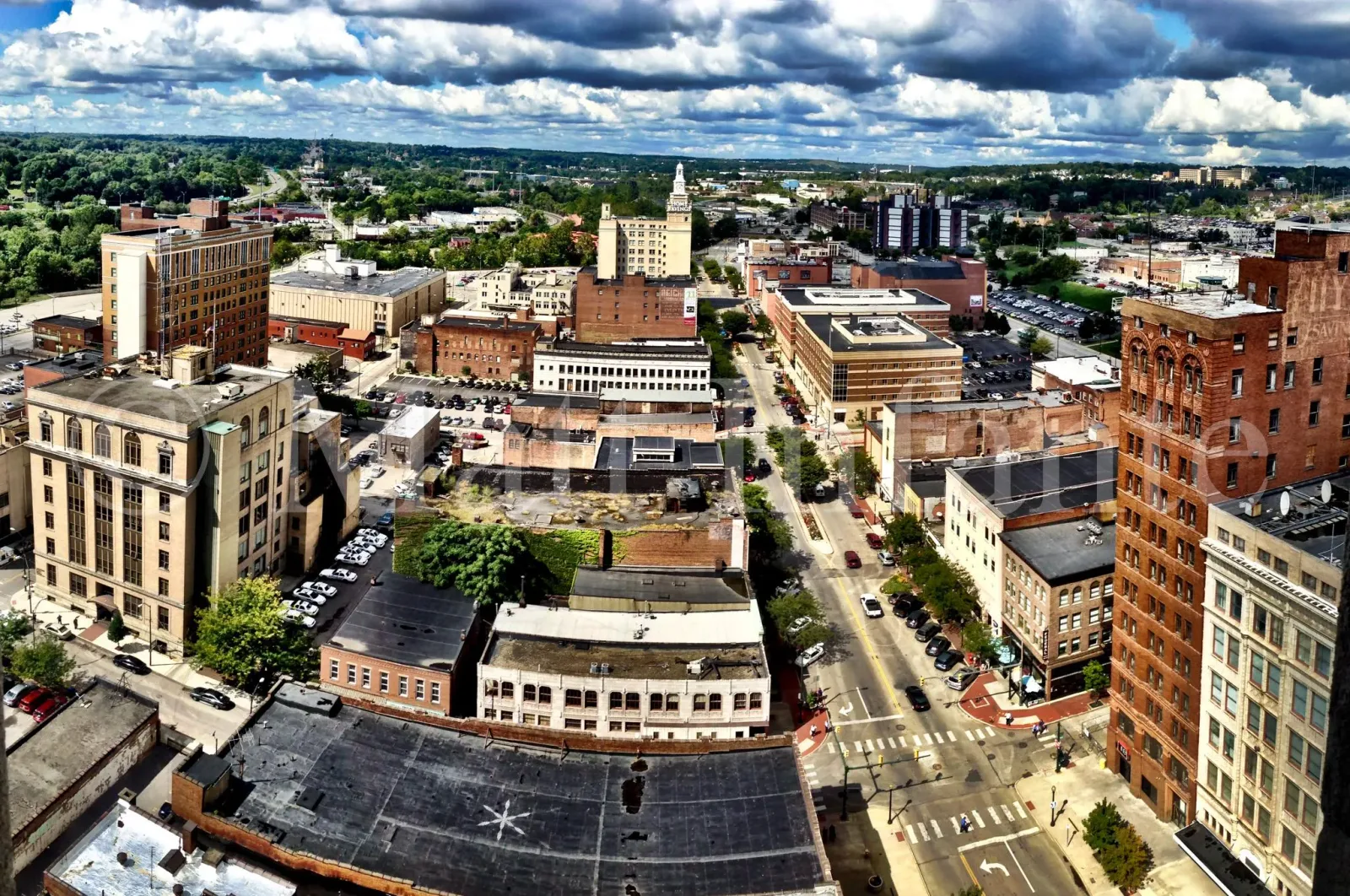
Property damage from water, fire, storms, or sewage creates immediate stress and long-term concerns for homeowners in Youngstown, Ohio. Professional restoration services address these emergencies quickly to prevent further deterioration and health hazards.
Our comprehensive restoration services include:
- Water Damage Restoration - Extracting standing water, drying structural materials, and preventing secondary damage
- Flooded Basement - Specialized basement water removal with proper drainage and moisture control
- Sewage Cleanup - Safe removal and sanitization of contaminated water and affected materials
- Fire Damage Restoration - Structural cleaning, debris removal, and rebuilding fire-damaged areas
- Smoke Damage Restoration - Odor elimination, soot removal, and air quality restoration
- Mold Removal - Professional remediation to eliminate mold colonies and prevent regrowth
These services protect your property value while ensuring safe living conditions. Quick response prevents minor damage from becoming major reconstruction projects, saving both time and money for Youngstown residents.
Common Damage Restoration Issues in Youngstown, Ohio
Youngstown's location in the Mahoning Valley creates specific challenges for property owners. The area's industrial history and aging infrastructure contribute to various damage scenarios requiring professional restoration.
Frequent damage causes in Youngstown include:
- Burst pipes during harsh winters leading to water damage and flooded basements
- Spring flooding from snowmelt and heavy rains affecting lower-level areas
- Aging sewer systems causing sewage backups in older neighborhoods
- Electrical fires in older homes with outdated wiring systems
- Furnace malfunctions creating smoke damage during heating season
- High humidity promoting mold growth in basements and crawl spaces
Warning signs requiring immediate attention:
- Standing water or dampness in basements after storms
- Musty odors indicating hidden mold growth
- Discolored walls or ceilings suggesting water intrusion
- Persistent smoke smells after fires
- Sewage odors from drains or basement areas
- Warped flooring or peeling paint from moisture exposure
Early intervention prevents these issues from escalating into major restoration projects that disrupt daily life and strain budgets.
Neighborhoods We Serve in Youngstown
Our restoration teams serve all areas of Youngstown and surrounding communities throughout Mahoning County. We respond quickly to damage emergencies across diverse neighborhoods with varying restoration needs.
Service areas include:
- Downtown Youngstown - Historic buildings requiring specialized fire and water damage restoration
- Wick Park - Older homes needing basement flooding and mold removal services
- Oak Hill Collaborative - Residential properties with water damage and sewage cleanup needs
- McGuffey Center - Mixed-use properties requiring comprehensive smoke damage restoration
- Hazelton - Family homes needing water extraction and structural drying
- Boardman - Suburban properties with basement flooding and mold issues
- Austintown - Newer developments requiring fire damage restoration services
- Canfield - Rural properties needing sewage cleanup and water damage repair
Seasonal Damage Patterns in Youngstown
Youngstown's four-season climate creates predictable patterns of property damage throughout the year. Understanding these seasonal risks helps property owners prepare for potential restoration needs.
Winter (December - February):
- Frozen pipe bursts causing water damage and flooded basements
- Ice dam formation leading to roof leaks and interior water damage
- Furnace failures creating smoke damage from overheating
Spring (March - May):
- Snowmelt flooding affecting basements and lower levels
- Heavy rains overwhelming drainage systems
- Increased mold growth from winter moisture accumulation
Summer (June - August):
- Severe thunderstorms causing water damage and power outages
- High humidity promoting mold growth in poorly ventilated areas
- Air conditioning failures leading to moisture problems
Fall (September - November):
- Heating system startups revealing smoke damage issues
- Leaf-clogged gutters causing water overflow and damage
- Early freeze events bursting exposed pipes
Housing Characteristics & Restoration Considerations
Youngstown's housing stock reflects over a century of construction, with many homes built between 1900 and 1950. This age diversity creates unique restoration challenges requiring specialized approaches for different construction types.
Common housing characteristics affecting restoration:
- Brick and stone construction - Requires careful water extraction to prevent structural damage
- Plaster walls - Need specialized drying techniques during water damage restoration
- Hardwood flooring - Demands immediate water removal to prevent warping and replacement
- Basement foundations - Prone to flooding and require comprehensive moisture control
- Older electrical systems - Increase fire risk and complicate smoke damage restoration
- Cast iron plumbing - Subject to corrosion leading to sewage backup issues
Restoration considerations by home age:
- Pre-1940 homes - Often require lead-safe work practices during fire damage restoration
- 1940-1980 homes - May contain asbestos materials requiring specialized removal during restoration
- Post-1980 homes - Generally easier to restore but may have moisture barrier issues
- Modern homes - Feature better drainage but complex HVAC systems requiring specialized smoke damage cleanup
Understanding these characteristics allows restoration professionals to develop appropriate strategies for each property type, ensuring effective water damage restoration, mold removal, and fire damage repair.
Environmental Conditions & Damage Implications
Youngstown's continental climate and industrial history create specific environmental conditions that influence property damage patterns and restoration requirements. The area receives approximately 38 inches of annual precipitation, with humidity levels varying significantly by season.
Climate factors affecting restoration needs:
- High humidity summers - Promote rapid mold growth requiring immediate removal services
- Freeze-thaw cycles - Cause foundation settling and pipe bursts leading to water damage
- Heavy snow loads - Stress roofing systems and create ice dam water damage
- Temperature fluctuations - Expand and contract building materials, creating entry points for water
Soil and water conditions impacting restoration:
- Clay-rich soil - Poor drainage increases basement flooding risks
- High water table - Creates persistent moisture issues requiring ongoing mold prevention
- Industrial contamination legacy - May complicate sewage cleanup and soil remediation
- Aging municipal systems - Increase sewage backup frequency in older neighborhoods
Air quality considerations:
- Industrial emissions can accelerate smoke damage adhesion to surfaces
- Seasonal pollen increases respiratory concerns during fire damage restoration
- Winter heating creates indoor air quality issues requiring specialized filtration
- Humidity variations affect drying times for water damage restoration projects
These environmental factors require restoration professionals to adapt their techniques, using specialized equipment for effective water extraction, mold remediation, and smoke damage elimination in Youngstown's unique conditions.
Industrial Legacy and Modern Restoration Challenges
Youngstown's industrial heritage significantly influences modern property restoration needs. The city's steel production history left behind aging infrastructure and unique building materials that require specialized restoration approaches for water damage, fire damage, and mold removal projects.
Industrial-era building challenges include:
- Heavy timber construction - Requires advanced drying systems for water damage restoration
- Multi-wythe brick walls - Trap moisture and complicate mold removal efforts
- Steam heating systems - Create condensation issues leading to water damage
- Coal residue contamination - Complicates fire damage restoration in older structures
- Lead paint and asbestos - Require specialized handling during smoke damage cleanup
Modern restoration techniques address these challenges using:
- Thermal imaging technology - Locates hidden moisture in thick masonry walls
- Industrial-grade dehumidifiers - Handle high-volume water extraction in large spaces
- HEPA filtration systems - Remove contaminated particles during mold removal
- Hydroxyl generators - Eliminate smoke odors without harmful ozone production
- Structural drying mats - Extract moisture from hardwood floors without removal
- Antimicrobial treatments - Prevent mold regrowth in high-humidity environments
The combination of historical building knowledge and advanced restoration equipment allows professionals to effectively handle complex projects. Whether addressing flooded basements in century-old homes, sewage cleanup in buildings with outdated plumbing, or fire damage restoration in structures with unique materials, modern techniques preserve Youngstown's architectural heritage while ensuring safe, healthy living spaces.





