
Damage Restoration in Jackson, OH
- Damage Restoration Services Overview
- Common Damage Restoration Issues in Jackson, Ohio
- Neighborhoods We Serve in Jackson
- Seasonal Damage Patterns in Jackson
- Housing Characteristics & Restoration Considerations
- Environmental Conditions & Damage Implications
- Emergency Response Timelines for Jackson County Properties
Damage Restoration Services Overview
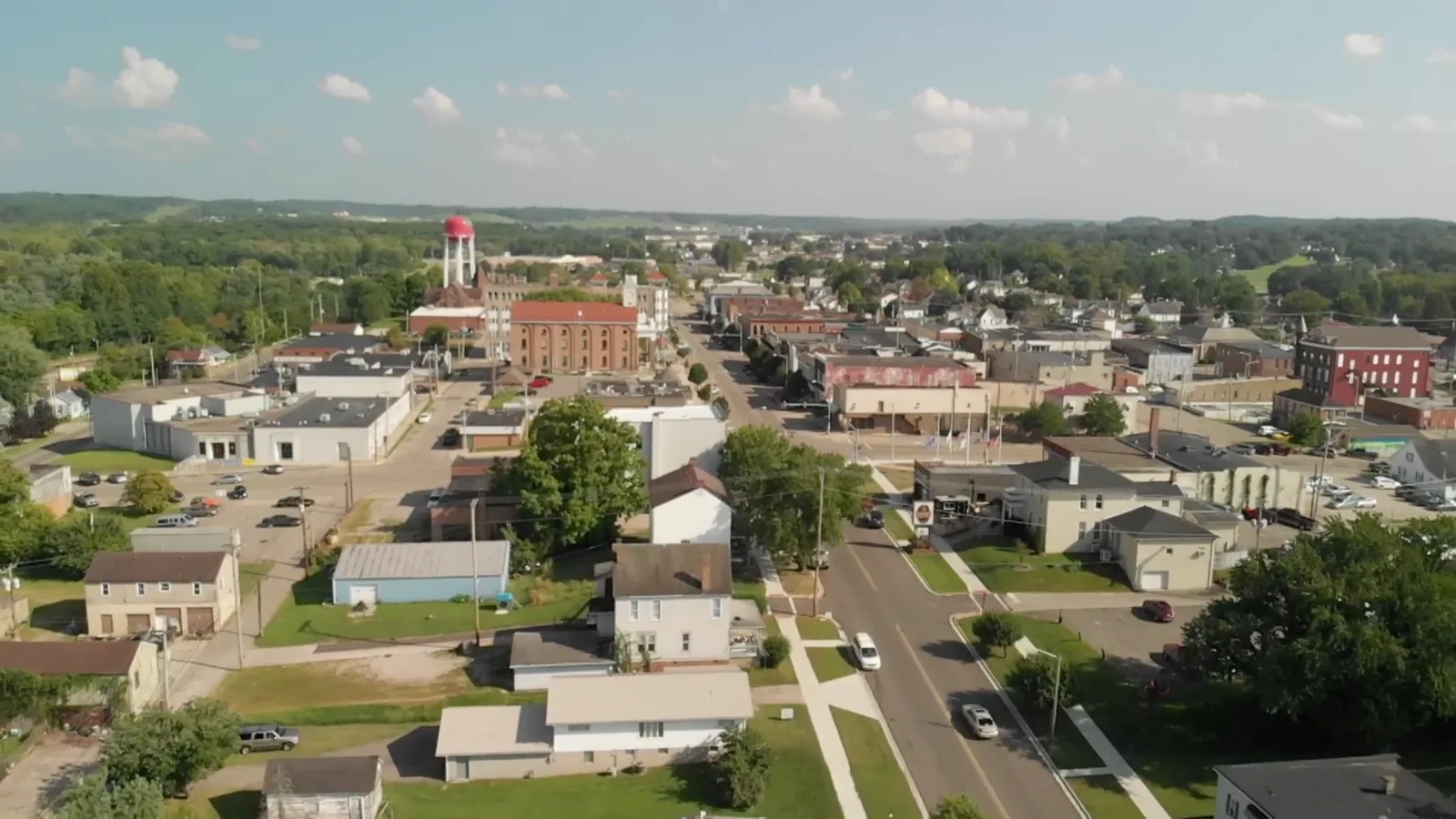
What would you do if you walked into your basement at 2 a.m. and found three inches of water rising around the water heater? In Jackson, Ohio, that scenario plays out more often than most homeowners expect - and the response in the first few hours shapes everything that follows.
Restoration work in Jackson County covers a broad spectrum of emergencies, each requiring different equipment, containment methods, and drying science:
- Water Damage Restoration - burst supply lines, failed sump pumps, appliance leaks, and roof intrusion from Ohio Valley storms
- Flooded Basement cleanup - extraction, structural drying, and moisture mapping in below-grade spaces common to older Jackson homes
- Sewage Cleanup - Category 3 contamination from backed-up main lines, septic failures, and municipal surcharge events
- Fire Damage Restoration - structural stabilization, debris removal, and contents recovery after kitchen, chimney, or electrical fires
- Smoke Damage Restoration - soot removal, thermal fogging, HVAC decontamination, and odor neutralization
- Mold Removal - containment barriers, negative air machines, and antimicrobial treatment of affected assemblies
The benefit for Jackson residents is simple: coordinated mitigation stops secondary damage before it multiplies. Firms serving the region, including Paul Davis Restoration of Eastern Ohio and other IICRC-trained providers, handle documentation for insurance claims alongside the physical work, so property owners are not managing two separate battles at once.
Common Damage Restoration Issues in Jackson, Ohio
Jackson sits in the Appalachian foothills where heavy clay soils, rolling terrain, and aging infrastructure combine to push water toward foundations rather than away from them.
Local Factors Behind Most Losses
- Clay-heavy soil that holds water against foundation walls and creates hydrostatic pressure on block basements
- Hillside lots and hollows along Salt Creek and the surrounding drainages that funnel runoff toward lower-lying structures
- Older combined and clay-tile sewer laterals prone to root intrusion, collapse, and backup during downpours
- Septic systems on rural parcels outside city limits that surcharge when the water table rises
- Wood stoves, fireplaces, and supplemental heaters used widely through southern Ohio winters, a persistent ignition source
Warning Signs Jackson Homeowners Should Not Ignore
- Efflorescence - white chalky residue - on basement block walls
- Musty odor that intensifies after rain or when the HVAC blower runs
- Floor tile or vinyl plank lifting at the seams in a finished lower level
- Slow floor drains or gurgling fixtures, an early sign of a failing lateral
- Yellow-brown staining on ceilings below bathrooms or around chimney chases
- Lingering smoke odor that returns on humid days after a small kitchen fire
Left alone, a minor water intrusion becomes a mold problem within days, and a sewage backup becomes a health hazard almost immediately. Rapid extraction and controlled drying keep a Category 1 loss from escalating into Category 3 territory.
Neighborhoods We Serve in Jackson
Emergency crews cover the city of Jackson and the wider Jackson County area, including:
- Downtown Jackson and the Broadway/Main Street historic corridor
- Neighborhoods surrounding Hammertown Lake and Jackson City Park
- Residential streets off Portsmouth Street, Bridge Street, and State Route 93
- Areas near Lake Katharine State Nature Preserve and the outlying rural hollows
- Wellston, Oak Hill, Coalton, Jackson Center, Ray, and Byer
- Properties along the US 35 and State Route 32 corridors
- Neighboring communities in Vinton, Gallia, Pike, and Ross counties
Coverage extends to single-family homes, farmhouses, rental properties, churches, storefronts, and small commercial buildings. Crews familiar with local road access, seasonal creek crossings, and rural driveway conditions can stage equipment quickly even when weather has already made travel difficult.
Seasonal Damage Patterns in Jackson
Southern Ohio's calendar produces predictable spikes in different loss types, and knowing the pattern helps homeowners prepare before the phone call becomes urgent.
- December through February - frozen and burst pipes in crawl spaces, unheated additions, and exterior walls; peak season for chimney, wood stove, and space heater fires; smoke damage from furnace puff-backs
- March and April - snowmelt combined with spring rain saturates clay soil, driving flooded basements, sump pump failures, and sewer backups
- May and June - severe thunderstorms bring wind-driven rain, roof damage, and lightning-related electrical fires
- July and August - high humidity fuels rapid mold growth in basements, crawl spaces, and behind vinyl wall coverings; air conditioning condensate line clogs cause ceiling leaks
- September and October - remnants of tropical systems track through the Ohio Valley, producing flash flooding in low-lying and creekside properties
- November - first heating cycle of the season exposes dirty furnaces and creosote-lined flues, a common source of smoke odor complaints
Mold remediation calls trail water events by roughly two to four weeks, which is why post-storm moisture verification matters as much as the initial extraction.
Housing Characteristics & Restoration Considerations
Jackson's housing stock skews older than the Ohio average, with a large share of homes built before 1970 and a meaningful number dating to the coal and iron boom of the late 1800s and early 1900s. That age directly changes how restoration is performed.
Construction Types Common in Jackson
- Stone and hand-laid block foundations - porous, prone to seepage, and difficult to dry without cavity drying equipment
- Balloon-framed older homes - open wall cavities that allow smoke, soot, and water to travel between floors unchecked
- Plaster-and-lath walls - absorbent and slow to release moisture, often requiring injectidry systems rather than demolition
- Mid-century ranches with finished basements - carpet, pad, and paneling that must be removed quickly after any Category 2 or 3 loss
- Manufactured and modular homes - vulnerable underbelly insulation that traps water and breeds mold
- Rural farmhouses with crawl spaces - dirt floors and limited vapor barriers that sustain chronic humidity
How Age Affects the Work
- Homes built before 1980 may contain asbestos in floor tile, mastic, and pipe wrap, requiring testing before demolition
- Pre-1978 painted surfaces call for lead-safe work practices during fire and water repairs
- Knob-and-tube or aging cloth-insulated wiring raises fire risk and complicates post-loss electrical clearance
- Original clay sewer laterals increase the likelihood of repeat sewage backups until the line is replaced
- Historic trim, doors, and hardwood flooring often justify restoration in place rather than replacement
Environmental Conditions & Damage Implications
Jackson's humid continental climate produces roughly 42 to 45 inches of annual precipitation with warm, sticky summers - conditions that favor microbial growth any time a building envelope is breached.
Climate and Moisture
- Summer dew points regularly reach the upper 60s, meaning outside air alone cannot dry a wet basement
- Winter freeze-thaw cycles crack mortar joints and foundation parging, opening new water entry paths
- Extended cloudy stretches slow natural evaporation, making mechanical dehumidification necessary
Soil and Groundwater
- Silty clay subsoils over sandstone and shale bedrock drain slowly and hold water at the footer
- Hillside seeps and perched water tables push moisture through block walls even during dry spells
- Former mining and quarry ground in parts of the county can create irregular drainage and settlement
Air and Water Quality
- Smoke residues bond aggressively to cold surfaces and travel through ductwork, so HVAC cleaning is standard after any structure fire
- Iron and mineral content in some well water leaves staining that must be distinguished from active leaks during inspection
- Septic-served properties face higher contamination risk when floodwater and wastewater mix
Each of these factors shapes the drying plan - equipment placement, dehumidifier sizing, containment design, and how long moisture readings are monitored before rebuilding begins.
Emergency Response Timelines for Jackson County Properties
The clock starts the moment water, smoke, or sewage enters a structure. In Jackson, where rural addresses and hillside roads can slow arrival, having a plan already in place makes the difference between drying a floor and replacing one.
What Happens on the Damage Timeline
- First minutes - clean water spreads across floors, wicks into drywall, and saturates carpet pad and subfloor
- First hours - furniture finishes bleed onto carpet, particleboard swells, and soot begins etching glass, chrome, and appliance finishes
- First 24 to 48 hours - drywall softens, odors set in, metal corrodes, and mold spores activate in warm humid conditions
- Beyond 72 hours - visible microbial growth appears, hardwood cups, structural members absorb moisture, and Category 1 water reclassifies to Category 2
- Beyond one week - remediation scope widens sharply, contents become unsalvageable, and reconstruction costs climb
Steps to Take Before Crews Arrive
- Shut off the water main or affected supply valve if the source is plumbing
- Cut power to affected areas at the breaker only if the panel can be reached safely and dry
- Stay out of any space with standing sewage - Category 3 water carries bacteria and requires PPE
- Do not attempt to wipe soot from walls; improper cleaning drives residue deeper into surfaces
- Photograph damage from multiple angles and keep a written inventory for the insurance file
- Move undamaged contents and documents to a dry, conditioned area if it can be done safely
What Fast Mitigation Delivers
- Extraction and structural drying that preserve subfloor, framing, and salvageable flooring
- Containment and negative air pressure that keep spores and soot from migrating to clean rooms
- Antimicrobial application in sewage and flood losses to reduce contamination risk
- Documented moisture readings from start to finish, supporting a cleaner claim process
- A single coordinated path from emergency board-up through final reconstruction
Round-the-clock availability matters in a county where storms knock out power and roads at the same time. Crews that stage equipment locally and know the terrain around Jackson, Wellston, and Oak Hill can begin mitigation while conditions are still active - the point at which restoration outcomes are decided.





