
Damage Restoration in Ada, OH
- Damage Restoration Services Overview
- Common Damage Restoration Issues in Ada, Ohio
- Neighborhoods We Serve in Ada
- Seasonal Damage Patterns in Ada
- Housing Characteristics & Restoration Considerations
- Environmental Conditions & Damage Implications
- Protecting Ada Basements from Water, Sewage, and Mold
Damage Restoration Services Overview
When water pours through a basement wall or smoke settles into every room, knowing that trained restoration professionals are on the way changes everything. Ada property owners get a clear plan, documented work, and a home that returns to a safe, dry, breathable condition.
Restoration covers far more than mopping up. It combines structural drying, contamination control, odor neutralization, and rebuilding into one coordinated response.
- Water Damage Restoration - extraction, moisture mapping, and controlled drying of framing, subfloors, and drywall after pipe breaks, appliance failures, and roof leaks.
- Flooded Basement - pumping standing water, drying block and poured foundation walls, and addressing sump pump or drain tile failures.
- Sewage Cleanup - removal of contaminated material, antimicrobial treatment, and safe disposal following category three water losses.
- Fire Damage Restoration - debris removal, soot cleaning, content pack-out, and structural repair after kitchen, electrical, or heating fires.
- Smoke Damage Restoration - treating porous surfaces, HVAC systems, and textiles where residue and odor travel well beyond the burn area.
- Mold Removal - containment, source moisture correction, and removal of colonized building materials.
Key benefits for Ada residents include reduced secondary damage, insurance-ready documentation, and fewer surprises during reconstruction.
Common Damage Restoration Issues in Ada, Ohio
Ada sits in Hardin County on flat, slow-draining farmland along the Hog Creek watershed. That geography, combined with Ohio's humid continental climate, drives most local restoration calls.
Frequent Causes of Loss
- Spring downpours overwhelming yard drainage and pushing groundwater against foundation walls
- Sump pump failures during power outages from summer thunderstorms
- Frozen and burst supply lines in unheated crawl spaces, garages, and older basements
- Sanitary sewer backups when heavy rain infiltrates aging village lines and private laterals
- Kitchen grease fires, space heater incidents, and furnace puff-backs during the cold months
- Roof and flashing leaks on older homes near campus that go unnoticed above finished ceilings
Warning Signs Worth Acting On
- Musty odors in basements, closets, or near HVAC returns - often the first indicator of hidden mold
- Efflorescence, white chalky streaks, or blistering paint on foundation walls
- Buckled laminate, cupped hardwood, or soft spots in subflooring
- Slow floor drains or gurgling fixtures signaling a partial sewer blockage
- Soot film on light switches, ceilings, or vent covers after even a small fire
- Lingering smoke odor that intensifies when the furnace or air conditioning runs
Student rentals, farmhouses, and downtown mixed-use buildings each present different exposure levels, so early inspection matters as much as fast extraction.
Neighborhoods We Serve in Ada
Coverage extends across the village and into the surrounding rural townships of Hardin County and neighboring counties.
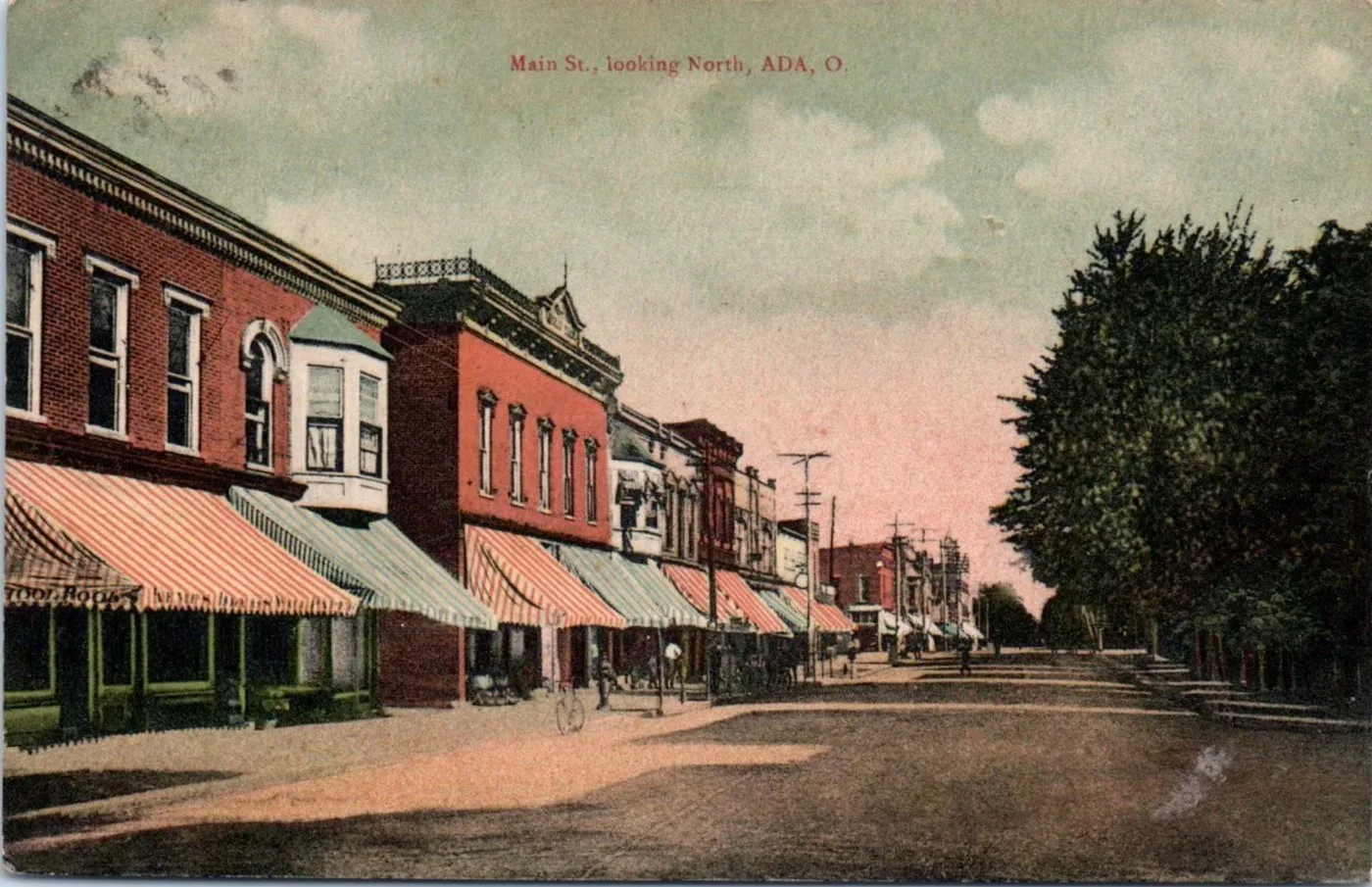
- Downtown Ada along Main Street, including apartments above storefronts
- The Ohio Northern University campus district and adjacent student rental housing
- Established residential streets near Ada Exempted Village Schools and Ada Memorial Park
- Newer subdivisions on the north and west edges of the village
- Rural properties along State Route 235, State Route 81, and County Road 40
- Liberty Township, Pleasant Township, and surrounding farmsteads
Nearby communities served include Kenton, Lima, Bluffton, Beaverdam, Alger, Dunkirk, Forest, Dola, and Mount Cory. Crews familiar with local road access, village utility layouts, and county permitting keep response times short whether the loss is a single flooded basement or a commercial fire near campus.
Seasonal Damage Patterns in Ada
Restoration needs in Ada shift predictably with the calendar. Planning around these patterns prevents many losses outright.
- January - February: Frozen pipe bursts peak during hard freezes. Heating equipment and space heaters drive fire and smoke damage calls.
- March - April: Snowmelt combined with spring rain saturates flat clay soils. Flooded basements, sump failures, and sewer backups cluster here.
- May - June: Severe thunderstorms bring wind-driven rain, roof leaks, and power outages that disable pumps.
- July - August: High humidity and dew points accelerate mold growth in basements and crawl spaces. Slow leaks become colonies quickly.
- September - October: Harvest season brings agricultural equipment and outbuilding fires. Furnace start-up causes puff-backs and soot distribution.
- November - December: Cooking fires rise around holidays. Early freezes catch unwinterized hose bibs and vacant student housing.
Vacant periods matter too - rentals empty over academic breaks are where small leaks turn into major water damage and mold before anyone notices.
Housing Characteristics & Restoration Considerations
Ada's housing stock spans more than a century, and building age directly shapes how a restoration project unfolds.
Common Construction Types
- Late 1800s to 1930s frame homes - balloon framing, plaster and lath walls, stone or brick foundations with dirt or partial floors
- Post-war ranches and Cape Cods - poured concrete or block basements, hardwood over plank subfloor
- Student rental conversions - subdivided interiors, added bathrooms, and plumbing runs that were never designed for the load
- Modern subdivisions - engineered floor trusses, OSB sheathing, and finished basements with carpet and drywall
- Rural farmhouses and outbuildings - crawl spaces, well systems, and detached structures with limited access
How Age Affects the Work
- Balloon framing lets smoke and fire travel vertically inside wall cavities, requiring careful inspection well above the origin point.
- Plaster holds moisture longer than drywall and needs targeted drying rather than automatic removal.
- Homes built before 1980 may contain asbestos in floor tile, mastic, or pipe insulation, and lead paint - testing precedes demolition.
- Stone and block foundations wick groundwater, so flooded basement drying often includes cavity drying and negative air.
- Finished basements with carpet pad and paper-faced drywall are prime mold candidates after any sewage or groundwater intrusion.
- Cast iron and clay laterals in older neighborhoods crack and root-intrude, raising sewage cleanup frequency.
Environmental Conditions & Damage Implications
Northwest Ohio's climate and soils create conditions that make drying slower and mold risk higher than in arid regions.
Climate and Moisture
- Roughly 38 inches of annual precipitation, concentrated in spring and early summer
- Summer relative humidity frequently above 70 percent, which limits natural evaporation
- Winter temperatures well below freezing, creating pipe rupture and ice dam conditions
- Freeze-thaw cycling that opens foundation cracks and mortar joints year after year
Soil and Groundwater
- Heavy glacial till and clay-rich soils with poor percolation hold water against foundations
- Flat terrain with minimal natural grade means surface water sits rather than draining away
- Shallow water tables in low areas increase hydrostatic pressure on basement walls and floor slabs
- Agricultural tile drainage nearby can shift water volumes onto adjacent residential lots
Air and Water Quality Factors
- Seasonal agricultural dust and pollen already burden indoor air, and smoke residue compounds respiratory irritation
- Hard water is common, leaving mineral scale that stresses supply lines and water heaters
- Rural properties on wells and septic systems face contamination risk during flooding, elevating sewage cleanup protocols
Because of this humidity load, professional drying relies on dehumidification and controlled airflow rather than open windows, which often makes conditions worse.
Protecting Ada Basements from Water, Sewage, and Mold
The basement is where most Ada restoration projects begin. Clay soil, flat ground, and aging drainage infrastructure combine to put water below grade more often than anywhere else in the home.
Why Basements Take the Hit
- Hydrostatic pressure forces groundwater through cold joints, cracks, and block cores
- Sump pumps run constantly in spring and fail without battery backup during storm outages
- Older sanitary laterals surcharge during heavy rain, pushing sewage back through floor drains
- Finished living space, storage, and mechanicals sit directly in the path of intrusion
What a Proper Response Looks Like
- Safety and source control - power isolation, water category determination, and stopping the intrusion
- Extraction - submersible pumps and truck-mounted units remove standing water and slurry
- Contaminated material removal - carpet pad, saturated drywall, and porous items are removed when sewage is involved
- Cleaning and disinfection - antimicrobial application to slabs, framing, and salvageable surfaces
- Structural drying - air movers plus commercial dehumidifiers, with daily moisture readings on wood, block, and concrete
- Mold prevention verification - confirming materials reach dry standard before any rebuild starts
- Reconstruction - replacing drywall, flooring, and trim once documented dry
Steps Homeowners Can Take Now
- Test the sump pump quarterly and add a battery or water-powered backup
- Install a backwater valve if your street has a history of sanitary backups
- Extend downspouts six feet or more from the foundation
- Regrade soil so it slopes away from walls, especially on flat lots
- Store belongings on shelving rather than directly on the slab
- Keep a dehumidifier running through humid summer months
Fast action limits how much material must be removed and how far mold or odor can spread into the rest of the home.





