
Damage Restoration in Pickerington, OH
- Damage Restoration Services Overview
- Common Damage Restoration Issues in Pickerington, Ohio
- Neighborhoods We Serve in Pickerington
- Seasonal Damage Patterns in Pickerington
- Seasonal Damage Patterns in Pickerington
- Housing Characteristics & Restoration Considerations
- Environmental Conditions & Damage Implications
- Sump Pumps, Backwater Valves, and Basement Protection in Pickerington
Damage Restoration Services Overview
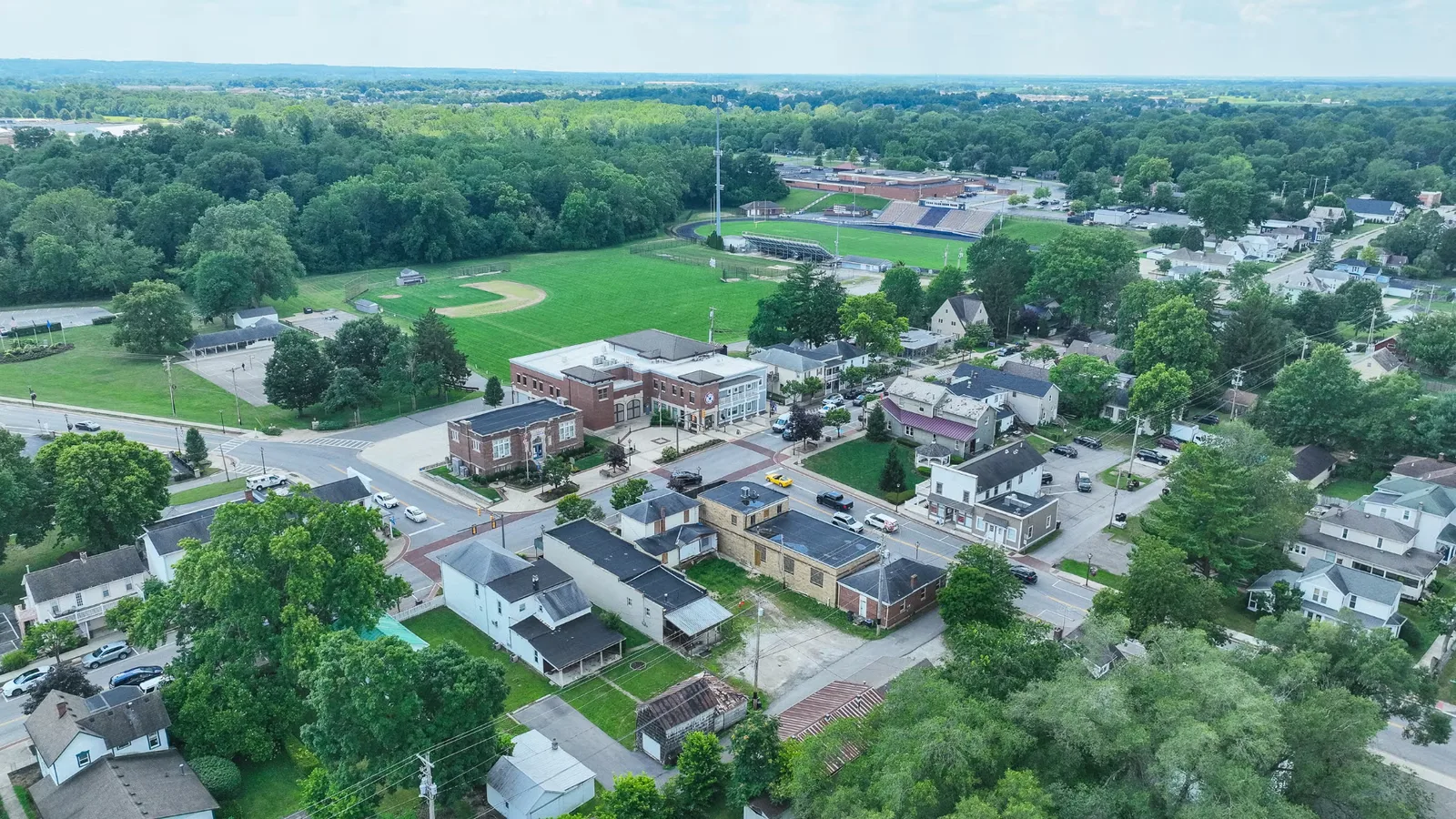
Pickerington grew from a village of a few thousand residents to a city of more than 23,000 in roughly three decades - and that building boom left behind a mix of 1970s ranches, 1990s tract homes, and brand-new construction, each with its own vulnerabilities to water, fire, and mold.
When a supply line bursts on Refugee Road or a storm overwhelms a Sycamore Creek basement, the clock starts immediately. Standing water begins saturating drywall and subfloor within hours, and microbial growth can follow within a day or two.
Local restoration providers offer a full range of emergency and remediation work:
- Water damage restoration - extraction, structural drying, and moisture mapping after pipe breaks, appliance failures, and roof leaks
- Flooded basement cleanup - sump pump failures, foundation seepage, and window well overflow
- Sewage cleanup - sanitizing Category 3 contamination from backups and lateral line failures
- Fire damage restoration - debris removal, structural stabilization, and content recovery
- Smoke damage restoration - soot removal, thermal fogging, and odor neutralization
- Mold removal - containment, HEPA filtration, and affected material removal
Benefits for local homeowners include faster insurance documentation, reduced secondary damage, and preserved property value in a competitive Fairfield County housing market. Many teams operate 24/7 for residential, commercial, and multi-family properties.
Common Damage Restoration Issues in Pickerington, Ohio
Pickerington sits in a flat-to-gently-rolling section of Fairfield and Franklin counties where clay-heavy soil drains slowly. That geology, combined with Ohio's freeze-thaw cycles, drives most local restoration calls.
Frequent Causes of Damage
- Frozen and burst supply lines in unheated garages, crawl spaces, and exterior walls
- Sump pump failures during multi-inch spring rain events near Sycamore Creek and Blacklick Creek tributaries
- Sanitary sewer surcharges that push wastewater back through basement floor drains
- Water heater tank ruptures in homes with units past their service life
- Kitchen fires, dryer lint fires, and electrical faults in older panels
- Chimney and fireplace flue issues that spread smoke through HVAC ductwork
Warning Signs Worth Acting On
- Efflorescence - a white, chalky residue - on basement block walls
- Musty odors that intensify when the furnace or AC cycles on
- Cupped or crowned hardwood on main-floor rooms above finished basements
- Discolored ceiling rings near bathrooms on second floors
- Gurgling floor drains or slow tub drainage, both early indicators of a sewer line problem
- Persistent smoke odor weeks after a small kitchen fire, signaling soot in the duct system
Homes in older sections of town with block foundations and original drain tile tend to show seepage first. Newer subdivisions more often see appliance-related water losses and construction-defect leaks around windows and roof penetrations.
Neighborhoods We Serve in Pickerington
Restoration crews respond throughout Pickerington and the surrounding Fairfield and Franklin county communities.
- Olde Pickerington Village - historic homes near Columbus Street with older plumbing and plaster walls
- Sycamore Creek and Sycamore Ridge - established subdivisions with finished basements
- Stonecreek and the Stonecreek Drive corridor
- Turnberry, Windmiller, and Preston Trails
- Hill Road North and South corridors
- Diley Road and Refugee Road residential areas
- Tussing Road and the western edge toward Blacklick
- Violet Township unincorporated areas
Service also extends to neighboring Canal Winchester, Reynoldsburg, Baltimore, Lancaster, Groveport, and eastern Columbus. Coverage includes single-family homes, condominium associations, apartment communities, retail spaces along State Route 256, and light-industrial buildings near the Diley Road commercial district.
Seasonal Damage Patterns in Pickerington
Seasonal Damage Patterns in Pickerington
- December through February - Frozen pipe breaks peak when overnight lows drop into the single digits. Ice damming along north-facing roof slopes pushes meltwater under shingles. Heating equipment and space heater fires rise sharply.
- March through May - Ohio's wettest stretch. Saturated clay soil forces hydrostatic pressure against foundations, producing flooded basements and sump pump overload. Sewer surcharges are common after back-to-back storm days.
- June through August - Humidity regularly exceeds 70 percent, feeding mold growth in crawl spaces, behind vinyl wallcoverings, and inside HVAC plenums. Severe thunderstorms bring wind-driven rain and lightning-strike fires.
- September through November - Remnants of tropical systems occasionally deliver heavy rainfall. First furnace startups release smoke odors and expose cracked heat exchangers. Fireplace season begins, raising chimney fire risk.
Mold remediation calls tend to cluster in late summer and again in early spring, when homeowners uncover damage that developed quietly over the prior season.
Housing Characteristics & Restoration Considerations
Pickerington's housing stock skews newer than the Ohio average, with a large share built between 1990 and 2010. Older pockets around Olde Pickerington Village date to the late 1800s and early 1900s.
Construction Types and Their Impact
- Poured concrete foundations (common in post-1995 builds) - resist seepage well but crack at cold joints and tie-rod penetrations, creating targeted water intrusion points
- Concrete block foundations (older homes) - hold water inside hollow cores, requiring drilled weep holes and extended drying
- Finished basements - carpet pad, drywall, and baseboard trap moisture; flood cuts are often necessary above the waterline
- Vinyl siding over OSB sheathing - hides wind-driven rain intrusion until interior staining appears
- Plaster and lath in village-area homes - absorbs smoke odor deeply and dries slower than modern drywall
- Engineered wood flooring - popular in newer builds, delaminates quickly and rarely dries in place
Practical Considerations
- Two-story homes with second-floor laundry rooms see damage travel through three levels
- Open floor plans allow smoke and soot to spread across large areas quickly
- Tight, energy-efficient building envelopes hold humidity, increasing mold risk after any water event
- Attached garages transmit smoke odor into living space through shared walls and attic bypasses
- Multi-family and condo properties require coordinated drying across shared walls and common areas
Environmental Conditions & Damage Implications
Pickerington receives roughly 39 to 42 inches of precipitation annually, spread fairly evenly but concentrated in spring convective storms. Summer dew points frequently sit in the upper 60s.
Local Conditions That Shape Restoration Work
- Clay-rich glacial till soil - low permeability keeps water perched against foundation walls long after rain stops
- High seasonal water table in low-lying areas near creek corridors - drives chronic basement seepage
- Freeze-thaw cycling - roughly 60 to 80 cycles per winter, widening foundation and driveway cracks each year
- Elevated summer humidity - keeps indoor relative humidity above the 60 percent threshold where mold thrives without dehumidification
- Hard municipal water - mineral scale shortens water heater and supply line lifespan
- Seasonal pollen and agricultural dust from surrounding Fairfield County farmland - compounds indoor air quality problems after smoke events
How This Affects Each Service
- Drying times run longer than manufacturer estimates during humid months, requiring larger dehumidification loads
- Mold remediation needs containment plus source correction - grading, downspout extensions, and sump discharge routing
- Sewage cleanup demands full removal of porous materials because clay soil slows infiltration and prolongs contact time
- Smoke odor lingers longer in tightly sealed homes with limited natural air exchange
- Post-fire moisture from suppression water combines with humidity, making mold a secondary risk after every fire loss
Sump Pumps, Backwater Valves, and Basement Protection in Pickerington
The single most common restoration call in Pickerington involves a basement - and most of those events trace back to one of three failure points.
Where Basement Protection Breaks Down
- Sump pump failure - float switches stick, impellers clog with iron bacteria, and pumps burn out during extended runtimes
- Power loss - the same storms that fill sump pits knock out electricity, leaving pumps useless without battery backup
- Discharge line issues - lines that freeze, disconnect, or dump too close to the foundation recirculate water right back into the pit
- Missing backwater valve - allows municipal sewer surcharge to reverse into floor drains and basement fixtures
Steps Homeowners Can Take Before a Loss
- Test the sump pump quarterly by pouring a bucket of water into the pit and confirming it cycles.
- Install a battery or water-powered backup pump on a separate circuit.
- Extend discharge lines at least ten feet from the foundation and pitch them away from the house.
- Clear gutters twice yearly and confirm downspouts carry water past the backfill zone.
- Ask a licensed plumber whether a backwater valve suits your lateral configuration.
- Keep stored items on shelving at least six inches off the slab.
- Photograph finished basement areas annually for insurance documentation.
What Happens After Water Enters
- Extraction begins first - removing standing water before it wicks further up drywall
- Moisture meters and thermal imaging map hidden saturation behind walls and under flooring
- Category determination decides whether materials can be dried or must be removed, especially with sewage involvement
- Air movers and dehumidifiers run until documented moisture readings return to dry standard
- Antimicrobial application reduces the chance of mold growth during and after drying
Acting within the first day dramatically narrows the scope of demolition needed - and often keeps a water loss from becoming a mold remediation project weeks later.





