
Damage Restoration in Lancaster, OH
- Damage Restoration Services Overview
- Common Damage Restoration Issues in Lancaster, Ohio
- Neighborhoods We Serve in Lancaster
- Seasonal Damage Patterns in Lancaster
- Housing Characteristics & Restoration Considerations
- Environmental Conditions & Damage Implications
- Basement Water and Sewer Backup Response in Lancaster
Damage Restoration Services Overview
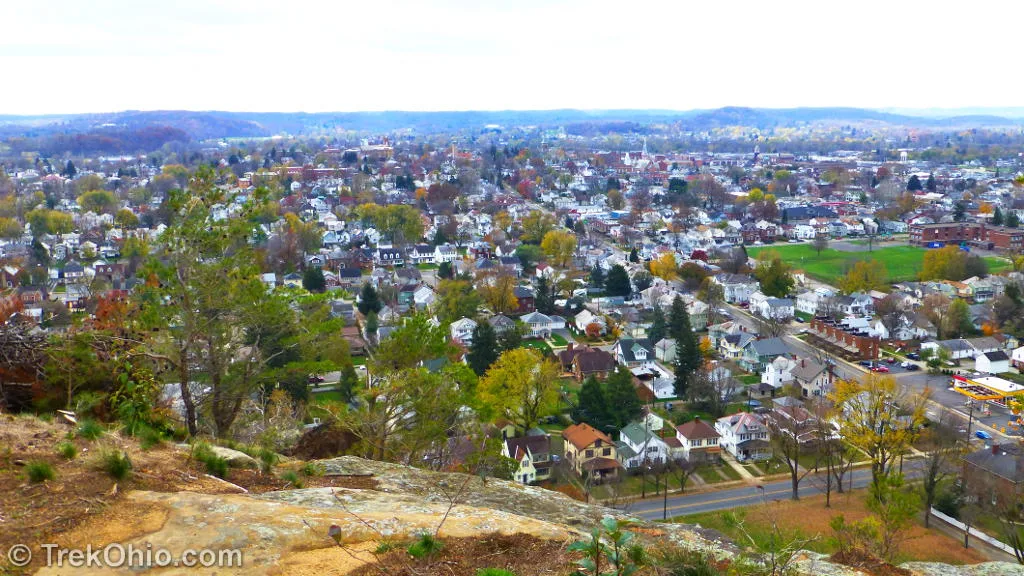
Lancaster sits in the Hocking River valley, where creek drainage, clay soils and a housing stock that spans two centuries create restoration situations you rarely see in newer suburbs. A basement below a Victorian on East Main Street responds to water very differently than a 1990s walkout in the hills near Rising Park.
Restoration crews serving Fairfield County handle a full range of property damage, and most jobs touch more than one category before they close out:
- Water damage restoration - extraction, structural drying to measured moisture readings, sanitizing and rebuild of what had to be removed
- Flooded basement cleanup - pump-out, removal of saturated storage and finished materials, drying of foundation walls and subfloor systems
- Sewage cleanup - contaminated water handled under Category 3 protocol, including floor drain backups and failed lateral lines
- Fire damage restoration - board-up, debris removal, structural cleaning and coordination with the rebuild
- Smoke damage restoration - soot removal from surfaces and contents, HVAC cleaning and odor neutralization
- Mold removal - containment, affected material removal and correction of the moisture source that fed the growth
The benefit for Lancaster homeowners is simple: fast stabilization limits secondary damage. Water that sits for days turns into a mold job. Soot left on surfaces etches metal and plastic permanently.
Common Damage Restoration Issues in Lancaster, Ohio
Local geography and building age drive most of the calls in Lancaster. The Hocking River and its tributaries carry runoff through town, and heavy rain overwhelms both storm drainage and older combined sewer sections.
What Causes Damage Here
- Spring and summer thunderstorm runoff pushing water against foundations on clay soil
- Floor drain and sewer lateral backups in older neighborhoods where clay tile lines have shifted or filled with roots
- Sump pump failures during extended power outages
- Frozen and burst supply lines in unheated crawl spaces and additions
- Water heater and washing machine hose failures on upper floors
- Kitchen fires, wood stove and fireplace incidents, and electrical faults in older wiring
- Roof and window leaks after wind events that go unnoticed inside wall cavities
Warning Signs Worth Acting On
- Musty odor in a basement or closet that returns after every rain
- Bubbling paint, cupping hardwood or soft spots in drywall near the floor line
- Efflorescence - white chalky residue - on block foundation walls
- Gurgling floor drains or slow drainage across multiple fixtures at once
- Persistent smoke smell weeks after a small fire, which usually means soot is still in the ductwork
- Visible dark staining at rim joists, under sinks or behind toilets
Clean, gray and black water each carry their own protocol. Anything that came up through a floor drain or across the ground is treated as contaminated regardless of how it looks.
Neighborhoods We Serve in Lancaster
Restoration crews cover Lancaster proper and the surrounding Fairfield County communities, including:
- Downtown Lancaster and the Square 13 historic district
- East Main Street, Broad Street and the Mount Pleasant area near Rising Park
- West side neighborhoods around Memorial Drive and Ety Road
- North Lancaster along Columbus-Lancaster Road and Cedar Hill
- Fairfield Beach, Millersport and the Buckeye Lake corridor
- Pleasantville, Baltimore, Carroll and Amanda
- Rushville, Bremen, Sugar Grove and Lithopolis
- Canal Winchester and the Fairfield County side of the Columbus outerbelt
Response covers the 43130 ZIP and neighboring codes throughout the county, with crews dispatched around the clock. Lakeside properties near Buckeye Lake carry their own water table concerns, while downtown structures often involve historic materials that need careful drying rather than quick demolition.
Seasonal Damage Patterns in Lancaster
Winter (December - February)
- Burst pipes in crawl spaces, garages and exterior walls during hard freezes
- Ice damming on low-slope roofs pushing meltwater into ceilings
- Heating equipment, space heater and chimney fires - the peak season for smoke damage
Spring (March - May)
- Snowmelt combined with saturated clay soil producing flooded basements
- Sump pumps running continuously and failing under load
- Sewer backups when heavy rain overwhelms lines
- Mold beginning to appear from winter leaks that were never dried
Summer (June - August)
- Severe thunderstorms, wind-driven rain and downed-limb roof punctures
- Power outages that shut down sump pumps and dehumidifiers
- Peak mold growth as humidity climbs and basements stay damp
- Condensation damage from undersized or failing air conditioning
Fall (September - November)
- Clogged gutters directing water to foundations
- First-use furnace and fireplace incidents producing smoke and soot
- Remnant tropical systems delivering multi-inch rainfall totals
Housing Characteristics & Restoration Considerations
Lancaster's housing is unusually varied for a city its size. The downtown core holds Federal, Greek Revival and Victorian homes dating to the early and mid-1800s, surrounded by early-twentieth-century bungalows and foursquares, then postwar ranches, and finally subdivisions built from the 1990s forward on the north and west edges.
How Building Age Shapes the Work
- Pre-1940 homes - plaster and lath hold water far longer than drywall and need extended drying with careful monitoring rather than immediate removal
- Stone and rubble foundations - porous, prone to seepage, and slow to release moisture after a flooded basement
- Balloon framing - open wall cavities let water travel down from an upper floor and smoke travel up, so damage often appears far from the source
- Knob-and-tube or early wiring - a recurring ignition source behind fire calls in older housing
- Clay tile sewer laterals - root intrusion and joint separation are the leading cause of sewage backups in established neighborhoods
- Postwar block basements - block cores hold water and need drilled drainage or targeted airflow to dry properly
- Newer subdivisions - finished basements with carpet, drywall and framing at floor level, which raises both the loss value and the mold risk
Material Cautions
- Asbestos in floor tile, mastic, pipe wrap and textured ceilings in homes built before the late 1970s
- Lead-based paint on trim and window sash in pre-1978 structures
- Original hardwood and millwork worth drying in place rather than replacing
Environmental Conditions & Damage Implications
Fairfield County sits at the edge of the Appalachian foothills, where glaciated till gives way to the unglaciated hill country to the south. That boundary shows up in every basement job.
Soil and Groundwater
- Heavy clay content drains slowly and holds water against foundation walls for days after a storm
- Clay shrinks in drought and swells when wet, opening cracks in block and poured walls
- Hillside properties around Mount Pleasant and the ridges see lateral water movement that no amount of grading fully stops
- Bottomland near the Hocking River and Fetters Run carries a high seasonal water table
Climate
- Roughly 40 inches of annual precipitation, with the heaviest totals in spring and early summer
- Summer dew points frequently in the upper 60s, keeping unconditioned basements above the humidity threshold where mold thrives
- Repeated freeze-thaw cycling each winter, which stresses foundations, mortar joints and exterior water lines
Implications for Restoration
- Drying targets must be verified with moisture meters, not guessed - clay-backed foundations rebound quickly if equipment leaves early
- Mold remediation without addressing the groundwater source is temporary work
- Sewage events on saturated ground spread further and require broader removal of porous materials
- Smoke odor lingers longer in humid conditions, making thorough deodorization and HVAC cleaning necessary after fire damage
Basement Water and Sewer Backup Response in Lancaster
Basements account for the largest share of restoration calls across Lancaster, and the response order matters more than the equipment used.
What Happens on a Flooded Basement Call
- Stop the source. If a supply line is still running or a drain is still backing up, plumbing repair comes first - drying an active leak accomplishes nothing.
- Classify the water. Clean supply water, gray appliance discharge and black sewage each carry different removal and disinfection requirements.
- Extract standing water. Pumps and truck-mounted extraction remove bulk water before drying begins.
- Remove unsalvageable materials. Saturated carpet pad, base trim, wet insulation and drywall cut above the water line come out, along with contaminated contents in sewage events.
- Clean and disinfect. Every surface the water touched is cleaned, with antimicrobial application on contaminated losses.
- Dry to measured readings. Air movers and dehumidifiers run until moisture meters confirm framing, subfloor and masonry have reached dry standard.
- Rebuild. Drywall, trim, flooring and paint restore what was removed.
Why Sewage Is Handled Differently
- Anything that came up a floor drain is treated as contaminated regardless of appearance
- Porous materials - carpet, pad, particleboard, upholstered items - are generally removed rather than cleaned
- Containment and negative air limit spread to the rest of the house
- Crews wear full protective equipment and dispose of waste under regulated procedures
Documentation and Insurance
Every stage is documented with photographs, moisture logs and daily drying readings. That record supports the claim file and shows the adjuster exactly what was affected, what was removed and why. Crews working in Lancaster are IICRC certified, licensed and insured, and available 24 hours a day throughout the year.





