
Damage Restoration in Canal Winchester, OH
- Damage Restoration Services Overview
- Common Damage Restoration Issues in Canal Winchester, Ohio
- Neighborhoods We Serve in Canal Winchester
- Seasonal Damage Patterns in Canal Winchester
- Seasonal Damage Patterns in Canal Winchester
- Housing Characteristics & Restoration Considerations
- Environmental Conditions & Damage Implications
- Sewage Backups and Category 3 Water: What Canal Winchester Homeowners Should Know
Damage Restoration Services Overview
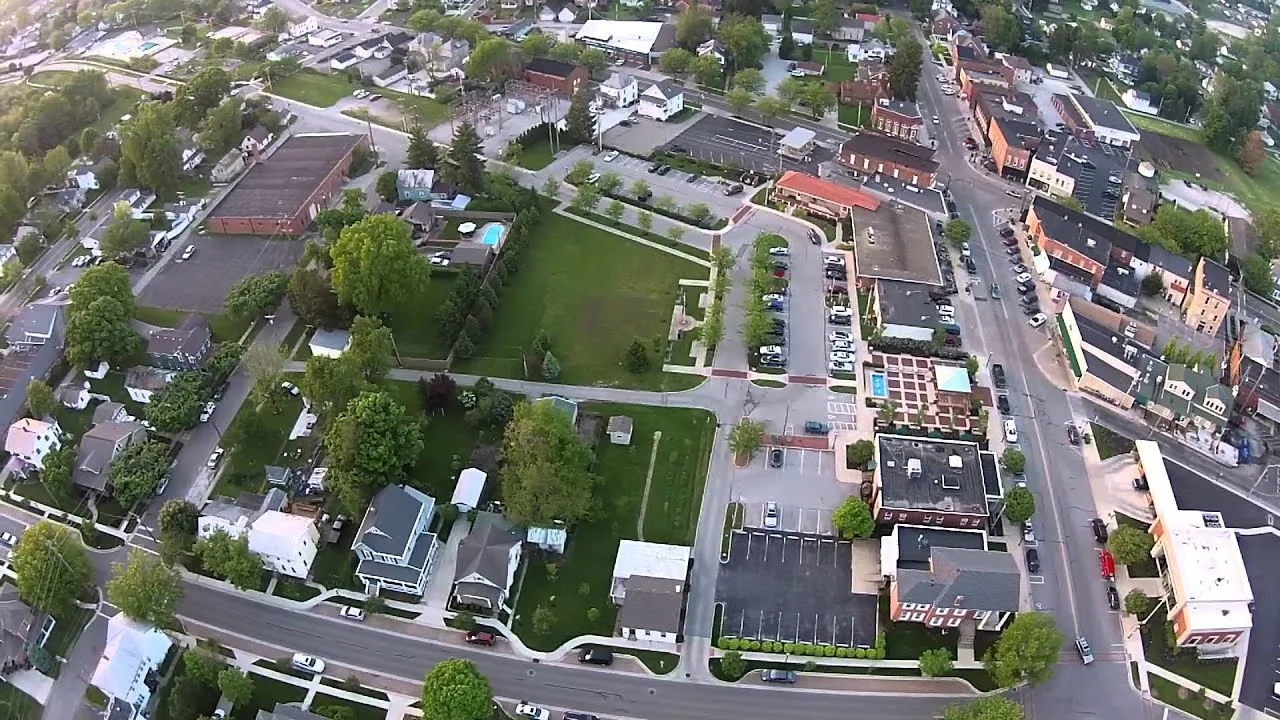
What would you do if you walked into your basement tomorrow morning and stepped into two inches of cold water? For Canal Winchester homeowners, property damage rarely announces itself in advance - a supply line splits behind a washing machine, a storm overwhelms a sump pump, or a kitchen fire fills a house with acrid smoke in minutes.
Restoration work covers the full arc of recovery, from the first extraction to the final coat of matching paint. Services available across the Canal Winchester area include:
- Water damage restoration - extraction, structural drying, and moisture mapping after pipe breaks, appliance failures, and roof leaks
- Flooded basement cleanup - pump-out, contents handling, and drying of below-grade spaces
- Sewage cleanup - containment and disinfection after toilet backups, main line failures, and floor drain overflows
- Fire damage restoration - debris removal, structural stabilization, and reconstruction
- Smoke damage restoration - soot removal, odor neutralization, and HVAC decontamination
- Mold removal - containment, controlled removal, and correction of the moisture source
The benefit of coordinated service is simple: one team carries the job from emergency response through reconstruction, matching existing finishes so repairs blend with undamaged portions of the home and meeting Ohio building codes throughout.
Common Damage Restoration Issues in Canal Winchester, Ohio
Canal Winchester sits in the Walnut Creek and Blacklick Creek drainage area southeast of Columbus, where flat farmland-turned-subdivision holds water after heavy rain. That geography shapes the damage calls that come in most often.
Frequent Causes of Loss
- Sump pump failure or discharge line freeze during winter thaws
- Foundation seepage through block walls in older Groveport Road and downtown-adjacent homes
- Sanitary and storm line surcharging that pushes sewage back through basement floor drains
- Burst supply lines in unheated crawl spaces and garage walls during January cold snaps
- Water heater and washing machine hose failures on finished lower levels
- Kitchen grease fires and space heater ignitions during heating season
- Chimney and flue issues in homes with wood-burning fireplaces
Warning Signs Worth Acting On
- Musty odor that grows stronger when the HVAC system runs
- Efflorescence, chalky white residue, or blistering paint on basement walls
- Ceiling stains that expand between rainfalls
- Buckling laminate, cupped hardwood, or carpet that stays cool underfoot
- Gurgling floor drains or slow-clearing lower-level fixtures
- Yellow-brown soot film on window glass and above outlets after a fire
- Recurring allergy symptoms that ease when you leave the house
Small signs escalate quickly. Mold colonizes damp drywall within days, and untreated smoke residues become acidic enough to etch metal and grout.
Neighborhoods We Serve in Canal Winchester
Response covers the full Canal Winchester footprint across both Franklin and Fairfield counties, along with nearby communities throughout Central Ohio.
- Historic downtown and the High Street corridor
- Winchester Lakes, Westchester Square, and Diley Farms
- Hunters Ridge, Chelsea Farms, and Ashbrook
- Villages at Westchester and Winchester Trails
- Waterloo Road, Gender Road, and Lithopolis Road corridors
- Neighboring Groveport, Pickerington, Lithopolis, Carroll, and Brice
- Southeast Columbus, Obetz, Reynoldsburg, and greater Franklin County
Commercial properties along Gender Road and the Canal Pointe business area receive the same coverage, including retail spaces, offices, churches, and multi-unit buildings where water intrusion or fire affects several tenants at once.
Seasonal Damage Patterns in Canal Winchester
Seasonal Damage Patterns in Canal Winchester
Central Ohio weather produces a predictable rhythm of restoration work through the year.
- December through February: Frozen and burst pipes lead the calls. Heating equipment, candles, and fireplaces drive fire and smoke damage. Ice dams push meltwater under shingles into upper-floor ceilings.
- March and April: Snowmelt combined with spring rain saturates soil, overwhelming sump pumps and flooding basements. Sewer surcharge backups spike during the heaviest storms.
- May and June: Severe thunderstorms bring wind-driven rain, roof damage, and tree strikes that open the building envelope to water.
- July and August: Humidity above 70 percent turns damp crawl spaces and basements into mold incubators. Air conditioning condensate line clogs flood utility closets and ceilings below.
- September and October: Remnants of tropical systems occasionally deliver several inches of rain in a day. Clogged gutters from early leaf fall redirect water toward foundations.
- November: Furnace startup circulates dormant mold spores and produces the season's first puffback and smoke incidents from neglected heating systems.
Housing Characteristics & Restoration Considerations
Canal Winchester holds an unusual mix - a 19th-century canal-town core surrounded by decades of suburban expansion. Each construction era carries its own restoration profile.
Older Homes Near Downtown
- Balloon framing that lets smoke and fire travel vertically through wall cavities
- Stone or unreinforced block foundations prone to seepage and lateral moisture
- Plaster and lath that holds water far longer than drywall and requires specialized drying
- Possible asbestos-containing materials and lead paint requiring careful handling during demolition
- Original trim, doors, and flooring worth restoring rather than replacing
1990s Through Present Subdivisions
- Poured concrete foundations with finished lower-level family rooms and bedrooms
- Engineered wood I-joists that lose load capacity fast under fire exposure
- Second-floor laundry rooms where a failed hose damages three levels
- Tight building envelopes that trap humidity and accelerate mold growth after a leak
- Vinyl plank and laminate flooring that traps subfloor moisture beneath the surface
Finished basements complicate every water loss. Carpet pad, drywall bottom plates, insulation, and baseboards frequently need controlled removal before drying equipment can reach the structure. Reconstruction then focuses on matching existing finishes - paint sheen, trim profile, flooring run direction - so completed repairs blend into the rest of the home rather than standing out as a patch.
Environmental Conditions & Damage Implications
Local soil, climate, and water conditions influence how quickly damage develops and how restoration is approached.
Soil and Groundwater
- Glacial till and dense clay soils common to Fairfield and Franklin counties drain slowly
- Clay expands when saturated, placing hydrostatic pressure against foundation walls
- Shrink-swell cycles open cracks in block and poured walls that later become seepage points
- Flat lots with minimal grade fall allow water to pond near the foundation
Climate and Humidity
- Roughly 39 inches of annual precipitation, spread across all four seasons
- Summer dew points regularly in the upper 60s, keeping indoor humidity elevated
- Freeze-thaw cycling that stresses plumbing, masonry, and roof flashing
- Long shoulder seasons when HVAC systems run little and interior moisture lingers
Water and Air Quality Factors
- Moderately hard water that scales water heaters and shortens supply line life
- Agricultural fields nearby contributing seasonal particulate and pollen loads
- Smoke residues combining with humidity to form corrosive films on metal and glass
- Septic systems in outlying township properties that can surcharge during wet periods
These conditions mean drying targets are set with local dew point in mind, dehumidification runs longer during humid months, and mold remediation always includes correcting the underlying moisture source rather than treating visible growth alone.
Sewage Backups and Category 3 Water: What Canal Winchester Homeowners Should Know
Not all water is equal. Industry standards classify water losses into three categories, and the response changes dramatically between them. Understanding the difference helps homeowners recognize when a mop and a fan are genuinely inadequate.
The Three Categories
- Category 1 - clean water: Supply line breaks, water heater failures, and overflowing sinks. Materials are often salvageable if drying begins quickly.
- Category 2 - gray water: Dishwasher and washing machine discharge, toilet overflow without solids, and aquarium spills. Contains contaminants that cause illness on contact.
- Category 3 - black water: Sewage backups, main line failures, and floodwater from creeks or storm systems. Carries bacteria, viruses, and parasites requiring full protective protocols.
Category 1 water degrades to Category 2 and then Category 3 as time passes and temperature rises. A clean water loss left for several days in a warm basement is no longer a clean water loss.
How Sewage Cleanup Proceeds
- Isolate the affected area with physical containment and negative air pressure
- Extract contaminated water and remove porous materials that cannot be disinfected - carpet, pad, insulation, drywall below the water line
- Clean and apply EPA-registered antimicrobials to all remaining surfaces
- Run HEPA air filtration through the work and drying phases
- Dry the structure to documented moisture content targets, verified with meters and hygrometers
- Rebuild affected areas to Ohio building code, matching surrounding finishes
Basement finishes complicate this further, since contaminated water wicks upward inside wall cavities well above the visible line. Documented moisture readings, photographs, and drying logs support the insurance claim and confirm the space is genuinely safe before reconstruction begins. When a backup happens, keeping people and pets out of the area and shutting off water use upstairs prevents the situation from spreading while help is on the way.





