
Damage Restoration in Salem, OH
- Damage Restoration Services Overview
- Common Damage Restoration Issues in Salem, Ohio
- Neighborhoods We Serve in Salem
- Seasonal Damage Patterns in Salem
- Housing Characteristics & Restoration Considerations
- Environmental Conditions & Damage Implications
- Insurance Claims and the IICRC Restoration Process in Columbiana County
Damage Restoration Services Overview
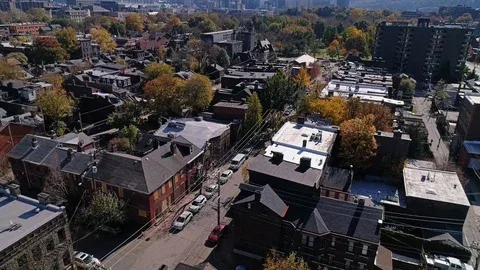
Finding water spreading across a basement floor or walking into a home filled with smoke ranks among the worst moments a property owner faces. In Salem, Ohio, damage rarely waits for business hours - and neither should the response.
Restoration work covers a wide span of emergencies, each with its own equipment, drying science, and safety protocols. Salem homeowners and business operators typically call for one or more of the following:
- Water Damage Restoration - extraction, structural drying, and moisture mapping after burst pipes, appliance failures, or roof leaks
- Flooded Basement Cleanup - sump pump failures, foundation seepage, and storm water intrusion below grade
- Sewage Cleanup - Category 3 contaminated water removal, disinfection, and disposal of porous materials
- Fire Damage Restoration - debris removal, structural stabilization, board-up, and content recovery
- Smoke Damage Restoration - soot removal, thermal fogging, HVAC cleaning, and odor neutralization
- Mold Removal - containment, air filtration, affected material removal, and moisture source correction
Providers serving the area - including SERVPRO, Roto-Rooter at 330-821-7611, and Paul Davis Restoration with IICRC certified crews - maintain 24/7 availability, 365 days a year. Fast arrival matters because water migrates within minutes, and mold colonies can begin forming in as little as a day or two under the right conditions.
Common Damage Restoration Issues in Salem, Ohio
Salem sits in Columbiana County at a relatively high elevation for the region, with rolling terrain, clay-heavy soils, and a housing stock that includes many pre-1950 structures. Those factors shape the kinds of damage calls that come in year after year.
Frequent Causes of Property Damage
- Frozen and burst supply lines in uninsulated crawl spaces, attics, and exterior walls during January and February cold snaps
- Sump pump failures during spring thaw and heavy rain events, leaving basements under several inches of water
- Aging cast iron and clay sewer laterals that crack, root-intrude, or collapse, causing backups into floor drains
- Roof and flashing failures on older two-story homes after summer thunderstorms and hail
- Kitchen fires, chimney and flue fires, and space heater incidents in heating season
- Hidden mold behind finished basement paneling, under carpet pad, and inside wall cavities
Warning Signs Worth Acting On
- A musty odor that intensifies when the furnace or air conditioner runs
- Efflorescence - white chalky residue - on block foundation walls
- Bubbling paint, cupped hardwood, or soft drywall near baseboards
- Gurgling floor drains or slow-draining basement fixtures, which often precede a sewage backup
- Yellow-brown staining on ceilings below bathrooms or attic spaces
- Lingering smoke odor weeks after a small fire, indicating soot residue in ductwork or insulation
Small warning signs frequently escalate. A slow supply-line drip behind a vanity can saturate a subfloor and seed a mold problem long before anyone sees standing water.
Neighborhoods We Serve in Salem
Coverage extends across the City of Salem and the surrounding townships and communities of Columbiana and Mahoning counties.
- Downtown Salem - East State Street and Broadway corridors, with older commercial buildings and upper-floor apartments
- North Salem - residential streets near Reilly Stadium and Salem High School
- South Salem - neighborhoods along South Lincoln Avenue and Depot Road
- Southeast Boulevard and Pershing Street areas - mid-century single-family homes with block foundations
- Perry Township and Salem Township - rural properties on well and septic systems
- Franklin Square, Damascus, and Winona - nearby villages and unincorporated communities
- Surrounding towns - Leetonia, Columbiana, Lisbon, Beloit, Sebring, Alliance, and Canfield
Rural properties outside city limits often face longer utility restoration times and rely on private septic systems, which changes how sewage cleanup and water extraction are handled.
Seasonal Damage Patterns in Salem
Northeast Ohio weather drives predictable cycles in restoration demand.
- December through February - frozen pipe bursts peak. Heating equipment, chimneys, holiday lighting, and space heaters push fire and smoke damage calls to their annual high.
- March and April - snowmelt combines with spring rain to saturate clay soils. Flooded basements, sump pump burnout, and foundation seepage dominate.
- May and June - severe thunderstorms bring wind-driven rain, roof damage, and sewer surcharges when municipal lines exceed capacity.
- July and August - heat and humidity accelerate mold growth in basements, crawl spaces, and attics. Air conditioning condensate line clogs cause ceiling and wall damage.
- September and October - remnants of tropical systems occasionally track through Ohio, producing multi-inch rainfall totals and widespread basement flooding.
- November - first hard freezes catch outdoor spigots and unwinterized lines. Furnace startup releases stored dust and, in some cases, puff-back soot from oil-fired systems.
Mold remediation requests spike roughly two to six weeks after major water events, once odors and visible growth appear.
Housing Characteristics & Restoration Considerations
Salem's housing stock skews older than the national average, with a large share of homes built before 1960 and a meaningful number dating to the late 1800s and early 1900s. That age profile directly influences restoration methods.
Construction Features That Affect Restoration
- Stone and hollow block foundations - porous, prone to lateral seepage, and slow to dry without targeted airflow and dehumidification
- Balloon-framed walls in Victorian-era homes, which let water and smoke travel vertically between floors without obvious entry points
- Plaster and lath - holds moisture longer than drywall and requires careful moisture metering to avoid unnecessary demolition
- Original hardwood flooring over plank subfloors, often salvageable with mat drying systems if addressed quickly
- Knob-and-tube or early wiring in unrenovated properties, requiring electrical safety checks before equipment placement
- Finished basements with paneling, carpet, and framed walls that trap moisture behind finishes
- Possible asbestos and lead in pre-1980 flooring adhesive, pipe wrap, and paint - testing precedes disturbance
What This Means for Your Property
- Drying plans should be built around actual moisture readings, not assumptions
- Smoke odor in older homes frequently requires HVAC duct cleaning and sealing of raw wood surfaces
- Sewage cleanup in unfinished basements with dirt floors or porous block calls for extended disinfection and monitoring
- Documentation with moisture logs and photos supports the insurance claim process
Environmental Conditions & Damage Implications
Salem receives roughly 40 inches of precipitation and a significant annual snowfall total, spread across a humid continental climate with cold winters and warm, muggy summers. Those conditions influence every stage of restoration work.
Local Environmental Factors
- Clay-rich glacial soils - drain slowly, hold water against foundation walls, and create hydrostatic pressure that pushes moisture through block joints
- Summer dew points in the 60s and 70s - outdoor air is too humid to dry a structure by ventilation alone, making mechanical dehumidification necessary
- Freeze-thaw cycling - repeated expansion and contraction opens mortar joints, foundation cracks, and roof seams
- Hard groundwater - mineral content affects cleaning agent selection and leaves scale that can mask ongoing leaks
- Aging combined and separate sewer infrastructure - heavy rainfall can surcharge lines and force wastewater back through basement drains
- Rural septic systems - saturated leach fields during wet seasons can back up into lower levels
Effects on Indoor Air and Materials
- Elevated indoor humidity supports Aspergillus, Penicillium, Cladosporium, and Stachybotrys growth on cellulose materials
- Soot particulate from fires binds to cool surfaces and migrates through return-air ducts
- Contaminated floodwater introduces bacteria that require antimicrobial application and removal of porous materials
- Long-term moisture weakens joists, sill plates, and subfloor adhesives
Containment barriers, negative air machines, and HEPA filtration keep contaminants from spreading into unaffected living space during any of this work.
Insurance Claims and the IICRC Restoration Process in Columbiana County
Most Salem property owners are handling a restoration claim for the first time. Knowing the sequence removes a lot of the guesswork.
How a Typical Restoration Project Proceeds
- Emergency call and dispatch - crews serving Salem operate around the clock, with response targets measured in minutes rather than days
- Safety assessment - electrical hazards, structural stability, contamination category, and air quality are evaluated before work begins
- Documentation - photos, video, moisture maps, and material inventories are captured for the insurance file
- Water extraction or debris removal - truck-mounted extractors, submersible pumps, and shoveling of fire debris
- Controlled demolition - unsalvageable drywall, insulation, carpet pad, and sewage-contaminated porous materials are removed
- Cleaning and disinfection - antimicrobial application, soot removal with dry sponges and solvents, and content cleaning
- Structural drying - air movers and low-grain refrigerant dehumidifiers run with daily moisture readings until materials reach dry standard
- Odor control - hydroxyl generators, ozone, or thermal fogging depending on smoke type and material
- Clearance and reconstruction - post-remediation verification where applicable, then rebuild
Standards and Certifications That Matter
- IICRC S500 - the reference standard for professional water damage restoration
- IICRC S520 - governs mold remediation containment and clearance practices
- IICRC S700 - covers fire and smoke damage restoration methodology
- Ohio contractor licensing and EPA RRP certification for lead-safe work in older Salem homes
Steps Property Owners Can Take Immediately
- Shut off water at the main valve or kill power to the affected area if safe to do so
- Photograph everything before moving or discarding items
- Avoid entering standing water that may be contaminated or electrified
- Notify your insurance carrier and request a claim number
- Do not run the HVAC system after a fire - it spreads soot throughout the structure
Reputable Salem-area providers work directly with adjusters, submit line-item estimates, and keep drying logs that substantiate the scope of work performed.





