
Damage Restoration in Martins Ferry, OH
- Damage Restoration Services Overview
- Common Damage Restoration Issues in Martins Ferry, Ohio
- Neighborhoods We Serve in Martins Ferry
- Seasonal Damage Patterns in Martins Ferry
- Housing Characteristics & Restoration Considerations
- Environmental Conditions & Damage Implications
- From Emergency Call to Final Repair: The Martins Ferry Restoration Process
Damage Restoration Services Overview
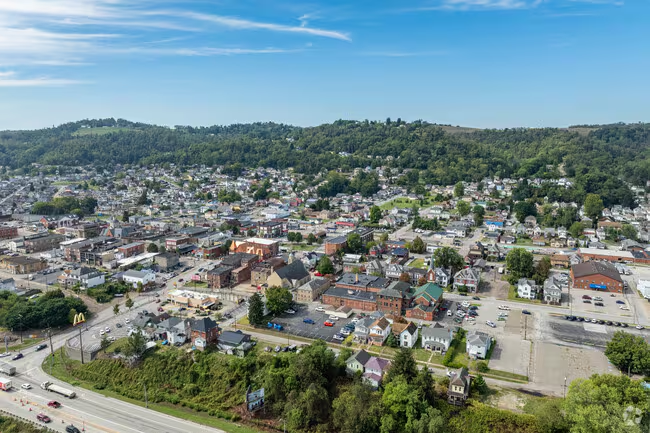
What would you do if you walked downstairs tomorrow morning and found three inches of water covering your basement floor? In Martins Ferry, where the Ohio River sits just beyond the floodwall and many homes date back generations, that scenario is far more common than most homeowners expect.
Property damage rarely stays contained. Water wicks into drywall within hours, smoke residues bond to surfaces as they cool, and mold colonies can establish themselves in a matter of days. Emergency response exists to stop that spread before it multiplies the repair scope.
Restoration coverage for Martins Ferry properties includes:
- Water Damage Restoration - extraction, structural drying, moisture mapping, and monitoring until materials return to dry standards
- Flooded Basement - pump-out, sump and drain evaluation, content removal, and dehumidification of below-grade spaces
- Sewage Cleanup - containment, removal of contaminated porous materials, disinfection, and deodorizing after sewer backups
- Fire Damage Restoration - debris removal, structural stabilization, soot cleaning, and reconstruction coordination
- Smoke Damage Restoration - residue removal from walls, HVAC systems, textiles, and hard surfaces plus odor neutralization
- Mold Removal - containment barriers, HEPA filtration, affected material removal, and correction of the moisture source
Crews serving Belmont County operate around the clock, work with Ohio Valley flooding patterns in mind, and bill insurance directly so recovery begins without delay.
Common Damage Restoration Issues in Martins Ferry, Ohio
Martins Ferry's position in the Ohio River valley shapes nearly every damage call in the area. Steep hillside runoff, aging municipal infrastructure, and the region's freeze-thaw cycles combine to create predictable failure points.
Local Causes We Encounter Most
- River and creek flooding - heavy upstream rainfall pushes water into low-lying streets and below-grade living space
- Hillside runoff - properties built into the valley slopes collect water against foundation walls during downpours
- Freeze-thaw pipe failures - uninsulated lines in older basements, crawl spaces, and unheated additions burst during January cold snaps
- Sewer and storm system backups - combined systems surcharge during intense rain, pushing wastewater through floor drains
- Sump pump failures - power outages during storms disable the one device holding back groundwater
- Heating-season fires - furnaces, space heaters, wood stoves, and chimney issues drive winter fire and smoke calls
- Kitchen grease fires - the most frequent residential ignition source, often leaving smoke damage throughout the home
Warning Signs Worth Acting On
- Persistent dampness in basements, closets, or along exterior walls
- A musty odor that returns even after cleaning
- Visible mold growth on framing, drywall, or stored belongings
- Discoloration or staining on walls and ceilings
- Peeling paint, bubbling wallpaper, or cupping floorboards
- Lingering smoke odor that intensifies when the furnace or air conditioning runs
- Efflorescence - white powdery deposits - on block foundation walls
Any one of these signals hidden moisture or contamination behind a finished surface. Professional moisture meters and thermal imaging confirm the extent before demolition begins.
Neighborhoods We Serve in Martins Ferry
Service covers Martins Ferry proper and the surrounding Ohio Valley communities on both sides of the river.
- Downtown Martins Ferry - Hanover Street corridor commercial buildings and adjacent residential blocks
- North End and Walnut Street area - established single-family neighborhoods with full basements
- Hillside and upper terrace streets - homes managing slope drainage and retaining wall seepage
- Riverfront and floodwall-adjacent properties - highest exposure to high-water events
- Bridgeport and Brookside - neighboring villages with similar housing stock and infrastructure age
- Bellaire, Yorkville, Tiltonsville, and Rayland - river communities along State Route 7
- Colerain, Dillonvale, and rural Belmont County - properties on well water and septic systems
- Wheeling and Warwood, West Virginia - just across the bridge
Local dispatch keeps response times short - typically under an hour for emergency water, sewage, and fire calls anywhere in the Martins Ferry service area.
Seasonal Damage Patterns in Martins Ferry
Each season brings its own dominant damage type. Knowing the pattern helps homeowners prepare before the call becomes an emergency.
- December through February - Frozen and burst pipes peak during Arctic outbreaks. Heating equipment, chimney, and space heater fires drive fire and smoke damage restoration volume. Ice damming pushes meltwater into upper-floor ceilings.
- March and April - Snowmelt combines with spring rain to produce the year's heaviest flooded basement season. Sewer backups spike as combined systems surcharge. Sump pumps run continuously and fail.
- May and June - Thunderstorm season brings roof leaks, wind-driven rain intrusion, and power-outage pump failures. Mold growth begins accelerating as humidity climbs.
- July and August - Peak mold removal season. Warm, humid valley air condenses in cool basements and crawl spaces. Air conditioning condensate line clogs cause slow, hidden water damage.
- September and October - Remnants of tropical systems produce flash flooding. Furnace startup releases accumulated dust and smoke odors, revealing unresolved combustion issues.
- November - First hard freezes catch unprotected hose bibs and crawl space plumbing. Fireplace and wood stove season begins.
Housing Characteristics & Restoration Considerations
Martins Ferry's housing stock is notably older than the national average, with a large share of homes built before 1950 and many dating to the early industrial era of the Ohio Valley. That age directly shapes restoration methods.
Construction Features That Affect Restoration
- Stone and unreinforced block foundations - porous and prone to seepage, requiring extended drying times and careful moisture verification
- Full basements with finished living space - paneling, carpet, and framing trap water behind surfaces after flooding
- Plaster and lath walls - hold moisture longer than drywall and demand controlled drying rather than automatic removal
- Balloon framing in pre-1930 homes - open wall cavities let water and smoke travel between floors quickly
- Cast iron and clay sewer laterals - cracked or root-invaded lines contribute to recurring sewage backups
- Knob-and-tube or early wiring - increases electrical fire risk and requires safety assessment after water exposure
- Narrow lots and shared walls - damage in one structure often affects the neighboring property
- Potential asbestos and lead paint - pre-1978 materials require testing before demolition during fire or water repairs
How Crews Adapt
- Thermal imaging and cavity drying to preserve original plaster and woodwork
- Negative-air containment when disturbing older materials during mold removal
- Injection drying for hardwood floors common in these homes
- HVAC duct cleaning after smoke events, since older gravity systems distribute soot widely
Environmental Conditions & Damage Implications
The valley environment around Martins Ferry creates conditions that both cause damage and complicate drying.
Climate and Humidity
- Roughly 40 inches of annual precipitation, distributed across every month
- Summer dew points regularly in the 60s, which slows evaporation and feeds mold
- Temperature inversions trap humid air in the valley, extending drying timelines
- Winter lows well below freezing produce repeated freeze-thaw stress on foundations and plumbing
Soil, Terrain, and Water
- Clay-heavy valley soils - drain slowly and hold water against foundation walls, creating hydrostatic pressure
- Steep hillsides - concentrate runoff toward homes on lower terraces
- Historic fill and mine-influenced ground - can channel groundwater unpredictably toward basements
- High river-adjacent water tables - keep sump systems working year-round
- Iron and mineral content in well water - leaves staining that must be distinguished from active leaks
Air Quality Implications
- Valley inversions concentrate smoke odor indoors longer after a fire, making HEPA filtration and thermal fogging important
- Damp basements raise whole-house humidity, worsening allergy and asthma symptoms
- Sewage backups introduce bacteria and airborne contaminants that require containment, not just cleaning
- Untreated moisture consistently leads to repeat mold growth within months
Correcting the environmental driver - grading, drainage, ventilation, or a failing lateral - is part of a complete restoration rather than an afterthought.
From Emergency Call to Final Repair: The Martins Ferry Restoration Process
Recovery works best when one team handles the entire sequence, from the first extraction hose to the last coat of paint. Handoffs between multiple contractors are where timelines stretch and details get lost.
How a Complete Restoration Unfolds
- 24/7 emergency contact - a live person gathers details on the water source, fire extent, or backup severity and dispatches a crew
- Rapid arrival and safety check - electrical hazards, structural concerns, and contamination category are evaluated before work starts
- Documentation for insurance - photos, moisture readings, and scope notes captured on arrival, with direct billing to your carrier
- Emergency mitigation - water extraction, board-up, tarping, or sewage containment to stop damage from spreading
- Controlled demolition - removal of unsalvageable drywall, insulation, carpet pad, and charred materials
- Cleaning and decontamination - antimicrobial application for sewage and mold, soot removal for fire and smoke events
- Structural drying - air movers, dehumidifiers, and daily moisture monitoring until materials meet dry standards
- Odor neutralization - HVAC cleaning, hydroxyl or ozone treatment, and sealing where smoke residues penetrated
- Contents handling - cleaning, deodorizing, and inventory of salvageable belongings
- Reconstruction - drywall, flooring, trim, paint, and cabinetry returning the space to pre-loss condition
- Prevention recommendations - backwater valves, sump backups, grading corrections, and pipe insulation to reduce repeat events
For Belmont County homeowners, this matters most during widespread events - a valley-wide storm or river rise generates dozens of simultaneous calls. Local crews familiar with Martins Ferry street drainage, sewer district contacts, and older housing construction move faster than out-of-area responders. Certified technicians follow industry drying and remediation standards, document every stage for adjusters, and stay on site through reconstruction so you deal with one point of contact from start to finish.





