
Damage Restoration in Wapakoneta, OH
- Damage Restoration Services Overview
- Common Damage Restoration Issues in Wapakoneta, Ohio
- Neighborhoods We Serve in Wapakoneta
- Seasonal Damage Patterns in Wapakoneta
- Housing Characteristics & Restoration Considerations
- Environmental Conditions & Damage Implications
- Start-to-Finish Restoration for Wapakoneta Homes and Businesses
Damage Restoration Services Overview
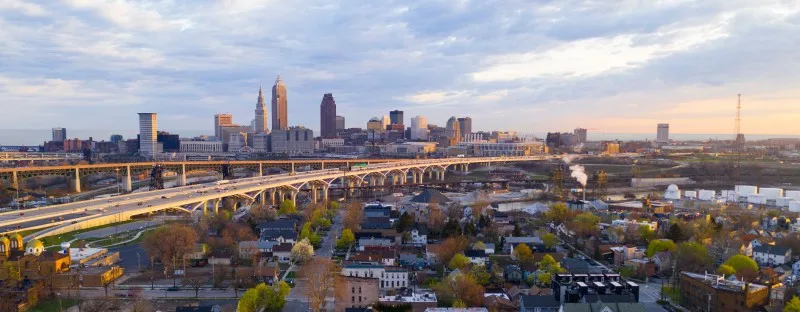
Wapakoneta sits in the Auglaize River watershed, and much of the older housing stock in Auglaize County predates modern basement waterproofing standards - meaning a single spring storm can send water into hundreds of basements across the city at once. When that happens, homeowners along Blackhoof Street and out toward Bellefontaine Street need help fast, not next week.
Restoration work in Wapakoneta covers a wide range of emergencies, and each one demands a different approach:
- Water Damage Restoration - extraction, structural drying, and moisture mapping after plumbing failures, appliance leaks, and roof intrusion
- Flooded Basement - pump-out, contents handling, and dehumidification for below-grade spaces
- Sewage Cleanup - containment and disinfection after backups from failed laterals or overwhelmed drains
- Fire Damage Restoration - debris removal, structural cleaning, and coordinated reconstruction
- Smoke Damage Restoration - soot removal from surfaces and HVAC systems plus odor neutralization
- Mold Removal - containment, controlled removal, and correction of the moisture source
Key benefits for local property owners include round-the-clock emergency response, documentation that supports insurance claims, and one team handling mitigation through repairs so nothing falls through the cracks between contractors.
Common Damage Restoration Issues in Wapakoneta, Ohio
West-central Ohio's flat terrain, heavy clay soils, and freeze-thaw cycles combine to create predictable problems for Wapakoneta homes and businesses.
Local Causes of Damage
- Spring rain events that saturate clay soil and push groundwater against foundation walls
- Auglaize River and tributary flooding affecting low-lying properties and outbuildings
- Frozen and burst supply lines in unheated crawl spaces, garages, and vacant rental units
- Sump pump failures during power outages caused by summer thunderstorms
- Aging clay or cast-iron sewer laterals invaded by tree roots, leading to backups
- Faulty appliances, overloaded circuits, and older wiring sparking house fires
- Space heaters, wood stoves, and fireplace flues creating winter fire and smoke incidents
- Kitchen grease fires that spread soot through the entire duct system
Warning Signs Worth Acting On
- Efflorescence, chalky white staining, or hairline cracks along basement block walls
- A musty smell that intensifies after rain - often the first clue of hidden mold
- Slow floor drains, gurgling toilets, or water surfacing near a basement drain
- Buckled hardwood, bubbling paint, or soft drywall at baseboard level
- Persistent smoke odor that returns during humid weather or when the furnace runs
- Discolored grout, peeling vinyl, or condensation on ductwork in finished basements
Catching these signs early usually keeps a water event from turning into a mold remediation project weeks later.
Neighborhoods We Serve in Wapakoneta
Crews respond throughout Wapakoneta and the surrounding Auglaize County countryside, including:
- Downtown and the Auglaize Street business corridor
- Older residential blocks near Blackhoof Street, Perry Street, and Willipie Street
- Neighborhoods surrounding Wapakoneta City Schools and Harmon Field
- Newer subdivisions on the north and west sides near Bellefontaine Street
- Properties along Glynwood Road, Santa Fe Line Road, and rural township routes
- Commercial and light industrial sites near the I-75 interchange and US 33
Service also extends to nearby communities such as Cridersville, New Knoxville, St. Johns, Buckland, Uniopolis, Waynesfield, and the Kossuth and Moulton township areas, plus points toward Lima, St. Marys, and Sidney.
Seasonal Damage Patterns in Wapakoneta
Winter (December - February)
- Burst pipes and supply-line failures during hard freezes
- Fire and smoke damage from heating equipment, chimneys, and holiday electrical loads
- Ice damming along older rooflines pushing water into upper walls
Spring (March - May)
- Peak season for flooded basements as snowmelt meets heavy rain
- Sewage backups when saturated ground and high flows overwhelm drain lines
- Sump pump burnout from continuous run cycles
Summer (June - August)
- Storm-driven water intrusion and power outages that disable pumps
- Rapid mold growth in humid, poorly ventilated basements and crawl spaces
- Air conditioning condensate line clogs causing ceiling and wall damage
Fall (September - November)
- Roof and gutter leaks revealed by autumn rain and clogged downspouts
- First-use furnace and wood stove incidents producing smoke damage
- Hidden summer moisture surfacing as visible mold once homes close up
Housing Characteristics & Restoration Considerations
Wapakoneta's housing mix leans older than the national average, with a substantial share of homes built before 1960 and a notable cluster of late-1800s and early-1900s properties near the historic core. That age shapes every restoration decision.
Construction Types Commonly Encountered
- Century-old frame homes - plaster and lath walls, balloon framing, and stone or brick foundations that wick moisture
- Mid-century ranches - concrete block basements, finished rec rooms, and original galvanized or copper plumbing
- 1970s - 1990s two-stories - drywall, carpeted basements, and larger duct runs that spread smoke quickly
- Recent builds - poured foundations, tighter envelopes that trap humidity, and engineered flooring sensitive to water
- Farmhouses and rural properties - crawl spaces, private wells, and septic systems
How Age Affects the Work
- Plaster holds water longer than drywall, requiring targeted drying rather than immediate removal
- Pre-1980 homes may contain asbestos-bearing materials and lead paint, so testing precedes demolition
- Knob-and-tube or aluminum wiring raises both fire risk and post-fire rebuild scope
- Block foundations transmit moisture laterally, making full moisture mapping essential before mold removal
- Unsealed crawl spaces under older additions become recurring mold sources without a vapor barrier
- Original cast-iron and clay sewer laterals fail without warning, turning clean-water jobs into sewage cleanup projects
Environmental Conditions & Damage Implications
West-central Ohio's humid continental climate delivers roughly 38 to 40 inches of precipitation annually, hot muggy summers, and winters that swing repeatedly across the freezing mark. Those conditions directly influence how damage develops and how drying must be managed.
Climate and Moisture
- Summer dew points regularly in the 60s and 70s keep indoor humidity high, accelerating mold growth after any water event
- Freeze-thaw cycling widens foundation cracks and mortar joints, creating new seepage paths each spring
- Low winter humidity means smoke odor may seem to fade, only to return when summer moisture reactivates soot residues
Soil and Groundwater
- Heavy glacial till and clay-rich soils drain slowly, holding hydrostatic pressure against basement walls
- Flat topography limits natural runoff, so grading and downspout extensions matter more here than in hilly regions
- Shallow water tables in low-lying areas keep crawl spaces damp year-round
Water and Air Quality Factors
- Hard water common to the region leaves mineral scale that stresses water heaters, valves, and supply lines
- Agricultural dust and pollen loads mean HVAC systems already carry debris that compounds smoke contamination
- Rural properties on wells and septic require careful sanitization protocols during sewage cleanup
Effective restoration accounts for all of these variables, using controlled dehumidification, containment, and post-drying verification rather than assuming surfaces are dry because they feel dry.
Start-to-Finish Restoration for Wapakoneta Homes and Businesses
Recovering from water, fire, or mold damage involves far more than drying a floor or hauling out debris. The most disruptive part for Wapakoneta property owners is usually the handoff problem - one company extracts the water, another handles demolition, and a third eventually rebuilds. A single team managing mitigation through reconstruction keeps the timeline tight and the accountability clear.
How a Complete Project Progresses
- Emergency call and dispatch - 24/7 response with crews staged locally in Auglaize County
- On-site assessment - moisture meters, thermal imaging, and air sampling establish the true scope, including hidden cavities
- Safety and containment - utilities addressed, contaminated zones sealed, negative air pressure established for sewage and mold work
- Extraction and stabilization - submersible pumps, truck-mounted extraction, and board-up or tarping where needed
- Controlled removal - unsalvageable drywall, insulation, flooring, and charred materials removed under containment
- Drying and cleaning - air movers, dehumidifiers, antimicrobial application, soot removal, HVAC cleaning, and thermal fogging for odor
- Contents care - pack-out, cleaning, and storage of furniture, documents, and personal belongings
- Verification - daily moisture readings and post-remediation clearance before closing the mitigation phase
- Reconstruction - framing, drywall, trim, paint, flooring, and cabinetry to return the space to pre-loss condition
What Local Property Owners Should Expect
- Photo and moisture documentation formatted for insurance adjusters
- Direct communication about which materials can be saved and which cannot
- Commercial scheduling that works around business hours to limit downtime for downtown shops, restaurants, offices, and manufacturing sites
- Recommendations to prevent recurrence - sump pump backups, backflow prevention, grading corrections, and crawl space encapsulation
Whether the call involves a few inches of water in a basement off Perry Street or a kitchen fire that smoked out an entire ranch home, the goal stays the same: stabilize quickly, remediate thoroughly, and rebuild so the property feels like itself again.





