
Damage Restoration in St. Marys, OH
- Damage Restoration Services Overview
- Common Damage Restoration Issues in St. Marys, Ohio
- Neighborhoods We Serve in St. Marys
- Seasonal Damage Patterns in St. Marys
- Housing Characteristics & Restoration Considerations
- Environmental Conditions & Damage Implications
- Insurance Documentation and IICRC Standards for St. Marys Claims
Damage Restoration Services Overview
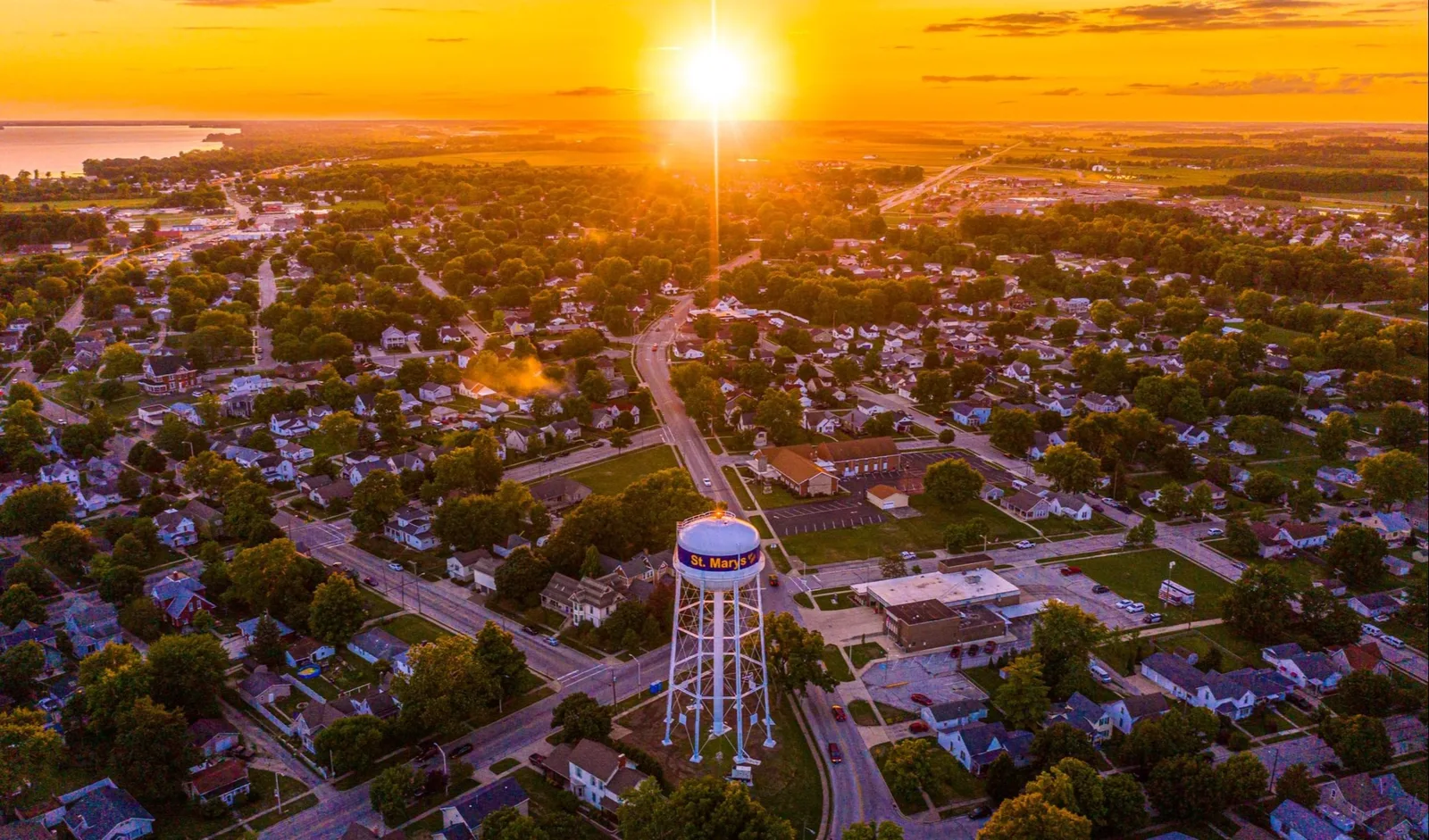
Water spreads through drywall, subfloor, and insulation within hours. Smoke residue turns acidic and begins etching surfaces almost as fast. In St. Marys, the first day after a loss often decides whether a home needs drying or full reconstruction.
Our restoration work covers the full range of property emergencies homeowners here face:
- Water Damage Restoration - mitigation, water extraction, structural drying and dehumidification, plus repairs and cleaning to fully return the home to pre-loss condition
- Flooded Basement - pump-out, saturated content removal, sanitizing of block and poured walls, and moisture mapping below grade
- Sewage Cleanup - containment, removal of contaminated porous materials, antimicrobial treatment, and odor control
- Fire Damage Restoration - emergency board-up, debris removal, soot cleaning, and rebuild coordination
- Smoke Damage Restoration - HVAC cleaning, thermal fogging, hydroxyl or ozone deodorizing, and surface-specific residue removal
- Mold Removal - containment barriers, HEPA filtration, removal of affected materials, and correction of the moisture source
Water damage restoration costs in St. Marys typically range from about $1,500 to $5,000 for minor to moderate damage, depending on how far the water traveled and how many materials absorbed it. Fast response keeps projects at the lower end of that range - and keeps mold from becoming a second, separate problem.
Common Damage Restoration Issues in St. Marys, Ohio
St. Marys sits beside Grand Lake St. Marys in a flat, clay-heavy part of Auglaize County. Drainage is slow, groundwater sits high, and older housing stock adds plumbing age to the equation.
Local Causes We See Most
- Spring and early-summer downpours overwhelming yard drainage and window wells
- Sump pump failures during multi-day rain events or power outages
- Sanitary sewer backups when combined stormwater loads spike
- Frozen and burst supply lines in unheated crawl spaces and garages
- Failed water heaters, washing machine hoses, and refrigerator supply lines
- Furnace, wood stove, and space heater fires during long Ohio winters
- Kitchen grease fires that push smoke through open floor plans and ductwork
- Chronic humidity in basements feeding hidden mold growth behind paneling
Warning Signs Worth Acting On
- Musty odor that intensifies when the HVAC system cycles on
- Efflorescence - white chalky residue - on basement block walls
- Cupping or crowning hardwood planks near exterior walls
- Tack strip staining or carpet that feels cool underfoot
- Soot film reappearing on walls after cleaning, a sign of untreated residue in ducts
- Gurgling floor drains or slow basement fixtures preceding a sewage backup
- Peeling paint or bubbling drywall tape along ceiling seams
Any of these deserve moisture testing before cosmetic repairs. Painting over a wet wall traps the problem inside the assembly.
Neighborhoods We Serve in St. Marys
We specialize in restoring homes in North Saint Marys and throughout the surrounding community after disasters, with mitigation methods matched to each property type.
- North Saint Marys and the neighborhoods off Spring Street
- Downtown and the historic districts near Main and Spruce
- East Side neighborhoods bordering Memorial Park
- Homes and cottages ringing Grand Lake St. Marys
- Villa Nova, Edgewater, and lakeside seasonal properties
- Rural properties along State Route 66, US 33, and Glynwood Road
- Nearby communities including Celina, New Bremen, Minster, Wapakoneta, Kossuth, and Montezuma
Crews stage equipment locally so drying units, air scrubbers, and extraction gear reach lake-area and rural addresses without long delays. Call us immediately at 419-775-7663 for emergency response anywhere in the St. Marys service area.
Seasonal Damage Patterns in St. Marys
Winter (December - February)
- Burst pipes in crawl spaces, exterior walls, and vacant lake properties
- Peak season for furnace, chimney, and space heater fire damage
- Smoke damage from closed-up homes with limited ventilation
- Ice dam backups staining upper-floor ceilings
Spring (March - May)
- Highest volume of flooded basements as snowmelt meets heavy rain
- Sump pump overloads and sewage backups during saturated ground conditions
- First mold colonies appearing from winter moisture left undried
Summer (June - August)
- Mold removal calls peak as humidity climbs and basements sweat
- Storm-driven water intrusion from wind-damaged roofs and siding
- Air conditioning condensate line clogs soaking ceilings and closets
- Grill and outdoor fire incidents affecting decks and exterior walls
Fall (September - November)
- Clogged gutters and downspouts redirecting water to foundations
- First-use furnace fires and puff-back soot events
- Ideal window for pre-winter pipe insulation and sump pump testing
Housing Characteristics & Restoration Considerations
St. Marys has a notably older housing stock, with a large share of homes built before 1960 and a meaningful number dating to the canal and early industrial eras. That age shapes every restoration plan.
Construction Types and What They Mean
- Full basements with block or stone foundations - porous, prone to seepage, and slow to dry without targeted dehumidification
- Plaster over wood lath - holds moisture longer than drywall and requires cavity drying rather than surface fans
- Balloon-framed older homes - open wall cavities let water and smoke travel between floors unseen
- Original hardwood over plank subfloor - salvageable with mat drying systems if addressed within a short window
- Knob-and-tube or updated-but-mixed wiring - demands careful electrical assessment after fire or flooding
- Post-1990 subdivisions - engineered joists and OSB that lose strength quickly when saturated
- Lake-area cottages and seasonal builds - crawl spaces, minimal insulation, and long unoccupied periods that hide leaks
Restoration Adjustments We Make
- Map moisture with thermal imaging and penetrating meters before opening any wall
- Test suspect materials in pre-1980 homes for asbestos and lead before demolition
- Use injection drying to preserve original plaster and trim where possible
- Seal and pressure-manage basements so drying air does not push contaminants upstairs
- Clean ductwork after smoke events, since older systems distribute soot house-wide
Environmental Conditions & Damage Implications
Western Ohio's climate and soils work against fast drying. Understanding both changes how equipment is sized and placed.
Climate and Humidity
- Roughly 38 - 40 inches of annual precipitation, spread across all seasons
- Summer dew points frequently in the upper 60s, slowing evaporation
- Freeze-thaw cycles that crack foundations and open new seepage paths
- Winter heating that dries interior air while wall cavities stay damp
Soil and Groundwater
- Heavy glacial clay that drains slowly and holds water against foundations
- Flat topography with limited natural runoff, especially near Grand Lake St. Marys
- High seasonal water tables that pressure basement floors and cove joints
- Hydrostatic pressure that can defeat sealants and force water through block cores
Water Quality and Air Considerations
- Nutrient-rich lake water and algae concerns mean lake-adjacent flooding is treated as contaminated
- Agricultural runoff can introduce fertilizer and bacteria into floodwater
- Sewage backups are handled as Category 3 water with full containment and disposal protocols
- Wildfire-free region, but agricultural burning and wood heat contribute seasonal particulate load
Practical effect: drying in St. Marys usually requires more dehumidification capacity and longer monitoring than a drier climate would. We document daily moisture readings until materials reach dry standard - not until surfaces simply feel dry.
Insurance Documentation and IICRC Standards for St. Marys Claims
Most restoration projects here involve an insurance claim, and claims succeed or fail on documentation. Our field process is built around the standards adjusters expect to see.
Standards We Work To
- IICRC S500 for water damage - water category, class of loss, and drying goals defined at the outset
- IICRC S520 for mold remediation - containment, negative pressure, HEPA filtration, and post-remediation verification
- IICRC S700 for fire and smoke - residue type identified before any cleaning method is chosen
- EPA guidance for lead-safe practices in pre-1978 St. Marys homes
- Local building code compliance on all reconstruction work
How We Document a Loss
- Photograph affected areas before any equipment is placed or material removed
- Record initial moisture readings on every affected material and unaffected control area
- Sketch affected rooms with measurements for accurate scope building
- Log daily temperature, relative humidity, and material moisture during drying
- Inventory and photograph damaged contents room by room
- Provide readings and scope directly to your adjuster in standard estimating format
- Verify dry standard or clearance before rebuild begins
What This Means for You
- Fewer disputes over what was actually damaged
- A clear paper trail if a supplemental claim becomes necessary
- Confidence that hidden moisture behind plaster or under hardwood was addressed
- Documented clearance you can hand to a future buyer
Our team handles water damage cleanup, sewage decontamination, mold removal, and smoke damage restoration under one project manager, so nothing falls between trades. Call 419-775-7663 for immediate response in St. Marys and surrounding Auglaize County communities.





