
Damage Restoration in Delphos, OH
- Damage Restoration Services Overview
- Common Damage Restoration Issues in Delphos, Ohio
- Neighborhoods We Serve in Delphos
- Seasonal Damage Patterns in Delphos
- Housing Characteristics & Restoration Considerations
- Environmental Conditions & Damage Implications
- Emergency Response and Insurance Documentation for Delphos Property Owners
Damage Restoration Services Overview
What would you do if you walked down your basement stairs tomorrow morning and stepped into three inches of standing water? For property owners in Delphos, Ohio, that scenario is far from hypothetical - and how quickly you respond shapes everything that follows.
Restoration work covers far more than drying a wet floor. It means stabilizing a structure, protecting indoor air quality, and returning a home or business to a genuinely livable condition.
Services available to Delphos residents include:
- Water Damage Restoration - extraction, structural drying, and moisture mapping after burst pipes, appliance failures, or roof leaks
- Flooded Basement Cleanup - pumping, sanitizing, and dehumidifying below-grade spaces common in older Delphos homes
- Sewage Cleanup - containment and biohazard remediation following backups from saturated municipal or private lines
- Fire Damage Restoration - debris removal, structural cleaning, and rebuilding of fire-affected areas
- Smoke Damage Restoration - odor neutralization, soot removal from surfaces, and HVAC decontamination
- Mold Removal - containment, source correction, and safe removal of colonized materials
Key benefits for local property owners include reduced secondary damage, thorough documentation for insurance claims, and protection against long-term health concerns tied to moisture and soot residue. Fire, water, wind, storm, vandalism, and vehicle impact damage all fall under the same restoration umbrella. Call (419) 331-1024 in Delphos for response.
Common Damage Restoration Issues in Delphos, Ohio
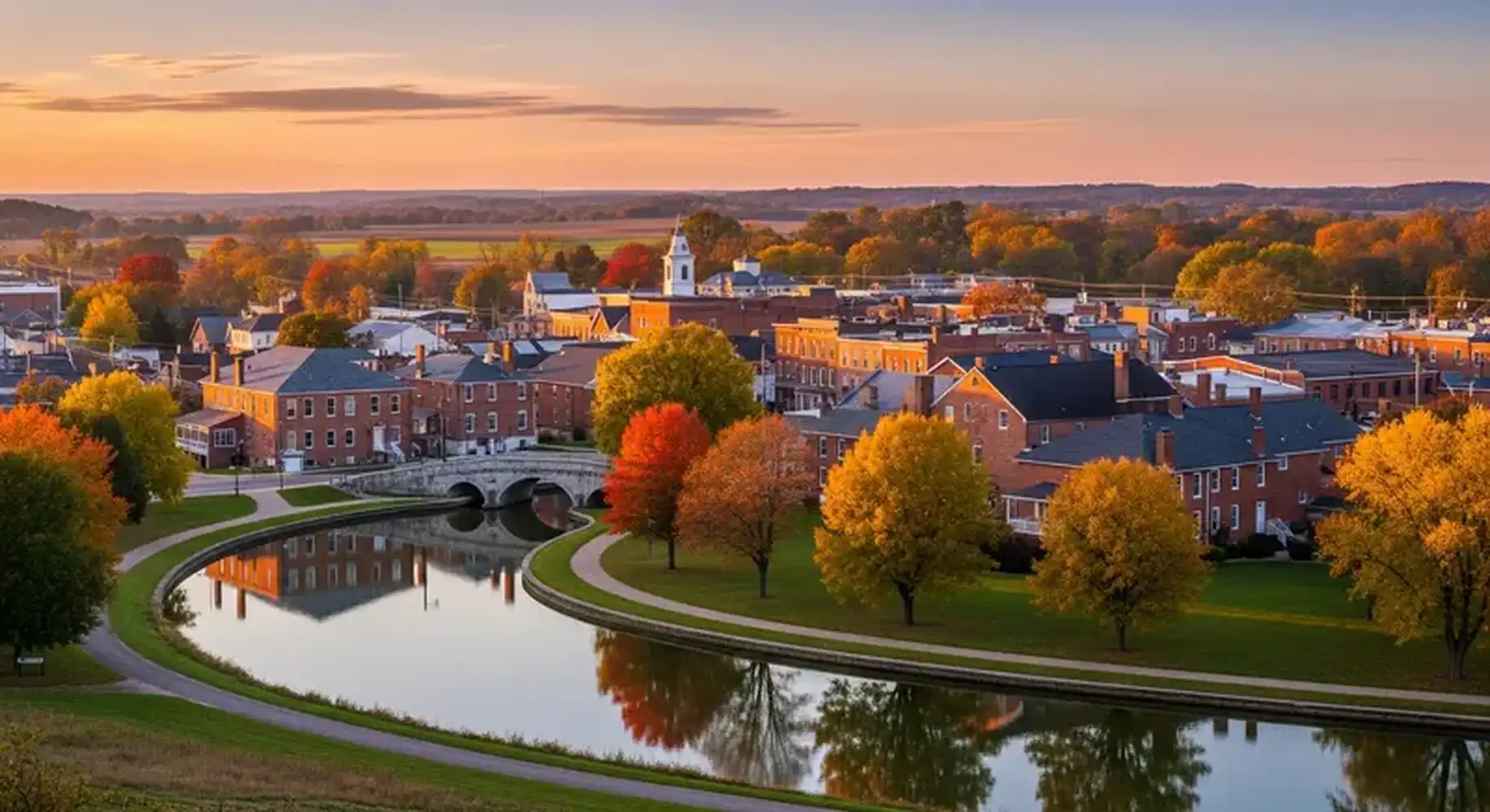
Delphos sits along the Auglaize River in the flat glacial plain of Allen and Van Wert counties. That landscape drains slowly, and slow drainage is the root of many local restoration calls.
Local Factors Driving Damage
- Heavy clay subsoil that holds water against foundation walls after storms
- Flat terrain with limited natural runoff, pushing groundwater toward basements
- Older combined and aging sanitary lines that surcharge during downpours, causing sewage backups
- Freeze-thaw cycling from December through March that cracks supply lines and foundation mortar
- Spring thunderstorm systems producing wind, hail, and lightning strikes that trigger structure fires
- Wood-burning stoves and space heaters used through cold months, a recurring smoke damage source
Warning Signs Worth Acting On
- Efflorescence - white chalky residue - on basement block walls
- A musty odor that intensifies when the HVAC system cycles on
- Floor drains that gurgle or back up during rainfall
- Peeling paint or bubbling drywall near baseboards
- Yellow-brown staining on ceilings below bathrooms or roof valleys
- Soot film on window glass or around register vents after a small kitchen fire
- Warped hardwood planks cupping upward at the seams
Mold rarely announces itself early. In Delphos homes, it typically develops behind finished basement walls, under carpet padding, and inside wall cavities where a slow leak went unnoticed for weeks. Sewage intrusion adds bacterial and viral risk, which is why porous materials touched by contaminated water generally cannot be salvaged.
Neighborhoods We Serve in Delphos
Coverage spans the full Delphos city limits and the surrounding rural townships on both sides of the Allen-Van Wert county line.
- Downtown Delphos - Main Street commercial buildings and historic upper-floor apartments
- North Delphos - established residential blocks near Fifth Street and Jefferson
- East Side - neighborhoods bordering the Auglaize River corridor
- South Delphos - postwar and mid-century subdivisions with full basements
- Marion and Washington Township rural properties, including farmsteads and outbuildings
- Elida, Spencerville, Fort Jennings, Ottoville, Middle Point, and Landeck - nearby communities
- Wider service reach into Lima, Van Wert, and Delphos-area industrial parks
Rural addresses often mean private septic systems and well water, both of which change how sewage cleanup and water damage restoration are approached. Farm structures with metal roofing and open framing also dry differently than insulated residential walls.
Seasonal Damage Patterns in Delphos
Winter (December - February)
- Frozen and burst supply lines in crawl spaces, garages, and exterior walls
- Ice dams forcing meltwater under shingles into ceilings
- Peak heating-season fires from furnaces, chimneys, and portable heaters
- Smoke damage from puff-backs when oil or gas furnaces misfire
Spring (March - May)
- Snowmelt plus saturated clay soil equals the year's highest flooded basement volume
- Sewage backups when heavy rain overwhelms sanitary capacity
- Sump pump failures during extended runtime
- Storm and lightning damage from severe weather systems
Summer (June - August)
- Mold growth accelerates as humidity climbs and basements stay damp
- Condensation damage around undersized or overworked air conditioning
- Wind-driven rain intrusion through compromised siding and window seals
Fall (September - November)
- Clogged gutters redirecting water toward foundations
- First-use furnace and fireplace incidents producing smoke residue
- Hidden summer moisture surfacing as visible mold once windows close
Housing Characteristics & Restoration Considerations
Delphos carries a housing stock notably older than the national median, with a large share of homes built before 1960 and a meaningful cluster of late-1800s and early-1900s structures near the downtown core.
Construction Types You'll Find Locally
- Victorian and early-century frame homes - balloon framing, plaster-and-lath walls, stone or brick foundations
- Postwar bungalows and ranches - poured or block basements, dimensional lumber framing
- Late-century subdivisions - drywall, fiberglass batt insulation, finished lower levels
- Farmhouses and outbuildings - additions layered over decades, mixed foundation types
How Age Shapes Restoration Work
- Balloon framing creates open vertical channels that let both smoke and fire travel between floors, widening the affected area beyond the visible burn zone.
- Plaster walls hold moisture longer than drywall and require slower, monitored drying rather than immediate demolition.
- Stone and mortar foundations are inherently permeable, making flooded basement recurrence likely without drainage correction.
- Pre-1980 materials may include asbestos-containing floor tile, mastic, or insulation that must be identified before demolition.
- Finished basements with carpet, paneling, and framed walls hide moisture and require selective removal for effective mold remediation.
- Cast iron and clay sewer laterals in older neighborhoods crack and root-intrude, raising sewage backup risk.
Documentation matters more in older homes, since insurers frequently ask for moisture readings and photographic records before approving structural repairs.
Environmental Conditions & Damage Implications
Northwest Ohio's humid continental climate delivers roughly 38 inches of annual precipitation, cold winters, and warm, sticky summers. Each of those conditions has restoration consequences.
Soil and Groundwater
- Dense lacustrine and glacial till clay soils with poor percolation
- Shallow water tables in low-lying areas near the Auglaize River and Miami-Erie Canal remnants
- Clay expansion and contraction that stresses foundation walls and opens seepage paths
- Persistent hydrostatic pressure against basement floors, driving water up through cracks and drain penetrations
Humidity and Mold Potential
- Summer indoor relative humidity often exceeds the 60 percent threshold where mold thrives
- Uninsulated basement walls stay below dew point, generating condensation year-round
- Effective mold removal requires dehumidification to sustained target levels, not just surface cleaning
Air Quality and Smoke Behavior
- Tight winter envelopes trap smoke particulate and odor inside HVAC ductwork
- Agricultural dust and seasonal pollen already burden filtration systems, compounding post-fire cleanup
- Soot is acidic and continues etching metal, grout, and finishes until neutralized
Water Chemistry
- Hard water is common regionally, leaving mineral scale that masks slow pipe leaks
- Well-served rural properties need water testing after any sewage or flood event
- Iron and sulfur content can permanently stain carpet and porous surfaces during flooding
Emergency Response and Insurance Documentation for Delphos Property Owners
Water damage doesn't schedule itself around business hours, and neither does a furnace puff-back at 2 a.m. Round-the-clock availability is what separates a contained loss from a rebuilt house.
What Happens After You Call
- Initial phone triage - guidance on shutting off water, power, or gas safely before crews arrive
- On-site inspection - moisture meters, thermal imaging, and containment assessment
- Source control - stopping active intrusion, whether that's a failed sump, a cracked lateral, or an open roof
- Extraction and stabilization - pumping standing water, removing unsalvageable porous materials, setting air movers and dehumidifiers
- Antimicrobial and biohazard treatment - required for any sewage-contaminated space
- Monitored drying - daily readings logged until materials reach dry standard
- Reconstruction - drywall, flooring, trim, and paint to return the space to pre-loss condition
Why Documentation Protects You
- Time-stamped photographs of pre-mitigation conditions support claim validity
- Written moisture logs demonstrate that drying met industry standards
- Itemized scopes reduce back-and-forth with adjusters
- Category classification of water - clean, gray, or black - justifies the removal decisions made
- Air quality and mold clearance records matter if you later sell the property
Local Advantage
Crews familiar with Delphos know which streets back up first, how the clay behaves after a three-inch rain, and what the older housing stock hides behind plaster. That familiarity shortens diagnosis time.
For fire, water, wind, storm, vandalism, or vehicle impact damage in Delphos and the surrounding townships, reach out at (419) 331-1024 or 419-692-2233 for an inspection or repair estimate.





