Damage Restoration in St. Lawrence County, NY
- Damage Restoration Services Overview
- Common Damage Restoration Issues in St. Lawrence County, New York
- Neighborhoods We Serve in St. Lawrence County
- Seasonal Damage Patterns in St. Lawrence County
- Housing Characteristics & Restoration Considerations
- Environmental Conditions & Damage Implications
- Flood Resiliency, Contaminated Water, and Restoration Standards Along the St. Lawrence
Damage Restoration Services Overview
Water that sits for a weekend in a Canton basement does not simply dry out and disappear. It wicks into sill plates, saturates subfloor adhesive, feeds mold colonies behind drywall, and quietly compromises framing that took decades to season. The same is true of smoke residues, which turn acidic within days and etch metal, glass, and finished wood permanently. Delay is what turns a repairable loss into a rebuild.
Property owners across St. Lawrence County rely on a connected set of restoration disciplines rather than a single fix:
- Water damage restoration - extraction, structural drying, moisture mapping, and controlled dehumidification
- Flooded basement recovery - pump-out, sump and drain evaluation, content triage, and foundation drying
- Sewage cleanup - Category 3 containment, removal of porous materials, and antimicrobial treatment
- Fire damage restoration - debris removal, structural stabilization, and salvage assessment
- Smoke damage restoration - soot removal, thermal fogging, HVAC cleaning, and odor neutralization
- Mold removal - containment barriers, HEPA filtration, source correction, and clearance verification
Reach a restoration coordinator at (315) 386-8144. Early response protects insurance documentation, limits secondary damage, and keeps families in their homes rather than in temporary housing through a North Country winter.
Common Damage Restoration Issues in St. Lawrence County, New York
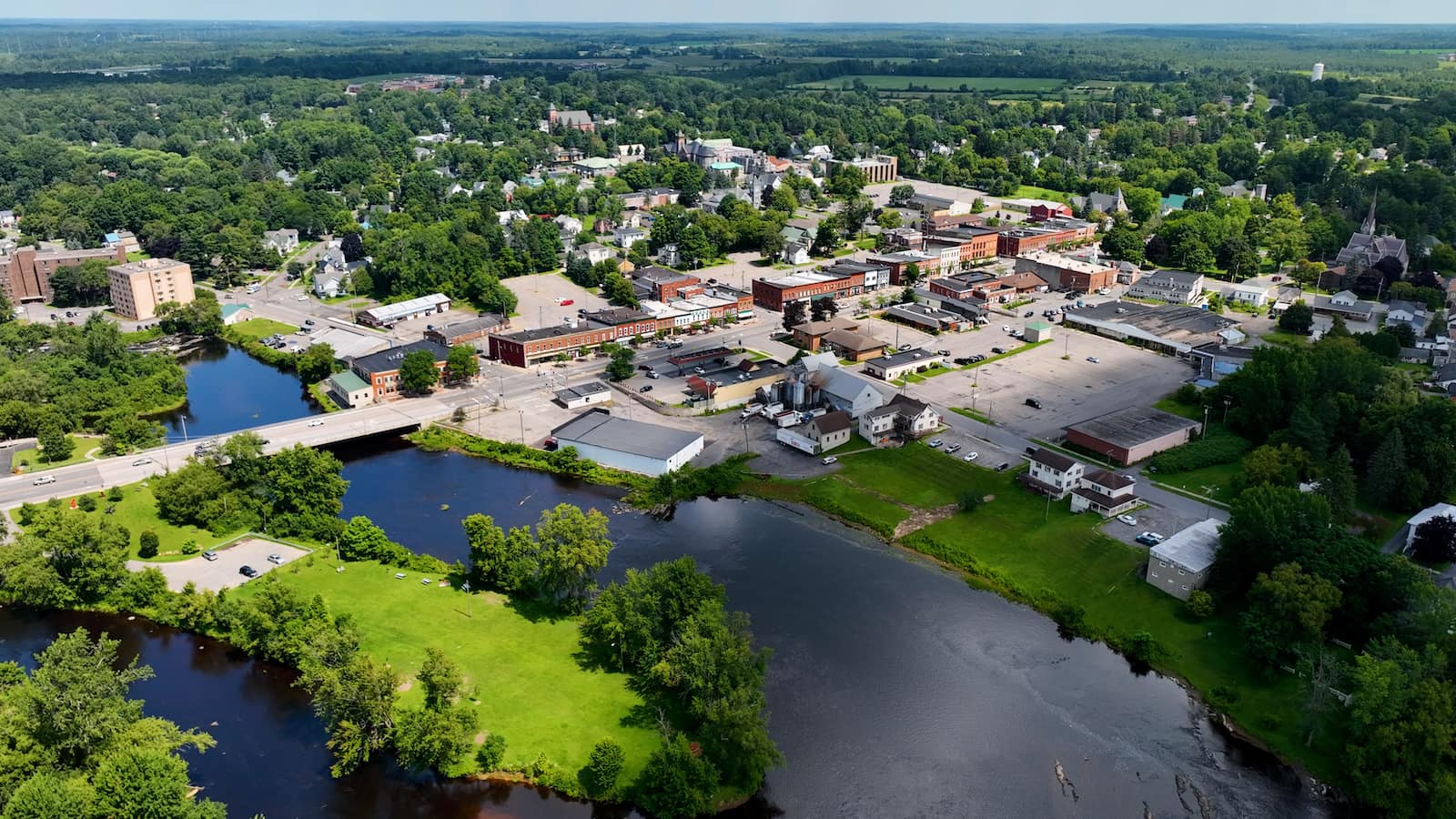
St. Lawrence County covers an enormous footprint, from the St. Lawrence River shoreline down into Adirondack foothills. That geographic spread produces very different loss patterns from one town to the next.
Frequent Causes of Damage
- River and tributary flooding - high-water events along the St. Lawrence and its feeder streams affect residents, business owners, and municipalities, with rapid runoff carrying sediment and contaminants into structures
- Severe convective storms - the National Weather Service attributed heavy damage to homes and farms in one St. Lawrence County town to a microburst, the kind of event that peels roofing and opens buildings to rain
- Extended outages - after major storms, power has been restored to thousands of members across northern St. Lawrence and Franklin counties, but sump pumps sit idle in the meantime and basements fill
- Frozen and burst supply lines - unheated crawlspaces and seasonal camps are especially vulnerable
- Wood stove and chimney fires - common in rural heating setups, producing both flame and heavy smoke loading
- Septic backups and municipal surcharge - saturated soils push wastewater back through floor drains
Warning Signs Worth Acting On
- Musty odor that intensifies during humid stretches or when the furnace runs
- Efflorescence, staining, or a chalky line on foundation walls
- Cupping hardwood, blistering paint, or drywall that feels cool to the touch
- Soot streaking above outlets, doorways, or ceiling registers after a small fire
- Recurring gnat or spring-tail activity near baseboards, a hidden-moisture indicator
- Slow floor drains or gurgling fixtures preceding a sewage backup
Neighborhoods We Serve in St. Lawrence County
Crews cover the county's villages, hamlets, farm country, and riverfront properties alike.
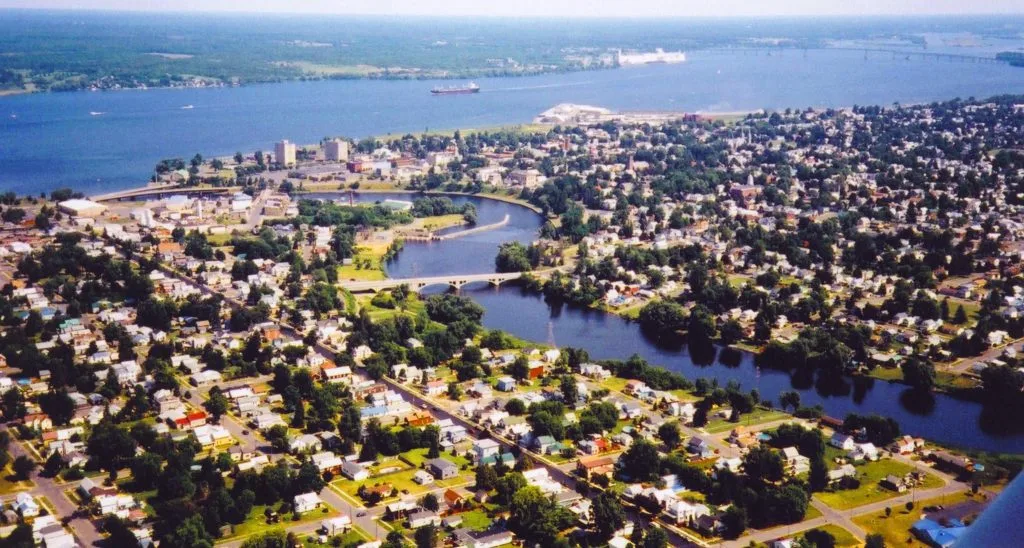
- Massena, Ogdensburg, and Waddington - riverfront homes, older village housing stock, and commercial blocks
- Potsdam and Canton - college-area rentals, historic residences, and municipal buildings
- Gouverneur, Hermon, and DeKalb Junction - rural properties on well and septic systems
- Norwood, Norfolk, and Brasher Falls - stream-adjacent neighborhoods prone to spring high water
- Louisville, Lisbon, and Morristown - shoreline communities where local planning has looked closely at flood resiliency
- Star Lake, Cranberry Lake, Colton, and Parishville - seasonal camps and Adirondack-edge homes
- Heuvelton, Rensselaer Falls, Richville, and Edwards - small villages with mixed-age construction
Surrounding coverage extends toward Franklin and Jefferson county lines for property owners near the borders.
Seasonal Damage Patterns in St. Lawrence County
- December through February - frozen pipes, ice damming along eaves, chimney and wood stove fires, and furnace puff-backs that spread soot through entire duct systems.
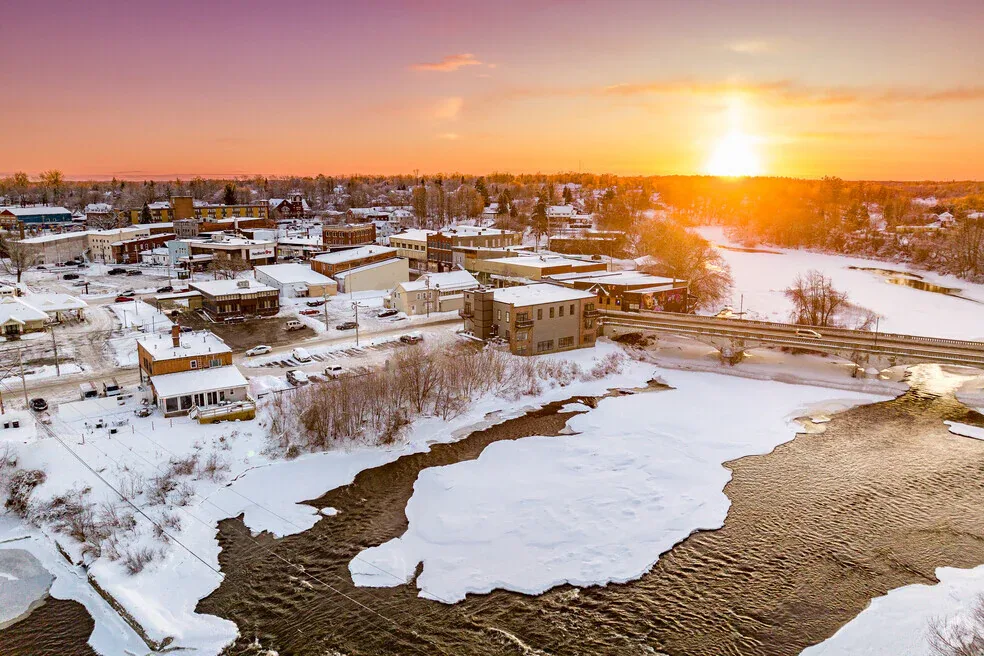
- March and April - snowmelt combined with frozen ground drives basement flooding and foundation seepage; ice jams on tributaries raise localized flood risk.
- May and June - saturated soils and heavy rain produce septic backups and sewage cleanup calls; warming temperatures activate mold in materials wetted during spring.
- July and August - thunderstorms, microbursts, and lightning strikes bring wind-driven rain intrusion, roof breaches, and structure fires; high humidity accelerates mold growth in crawlspaces.
- September and October - remnants of tropical systems track inland, and the first heating-season startups expose cracked heat exchangers and dirty burners.
- November - freeze-thaw cycles reopen foundation cracks; unwinterized camps and seasonal cottages sustain undetected water losses.
Documentation of the season a loss occurred often matters to insurers, so photographing conditions early helps every claim.
Housing Characteristics & Restoration Considerations
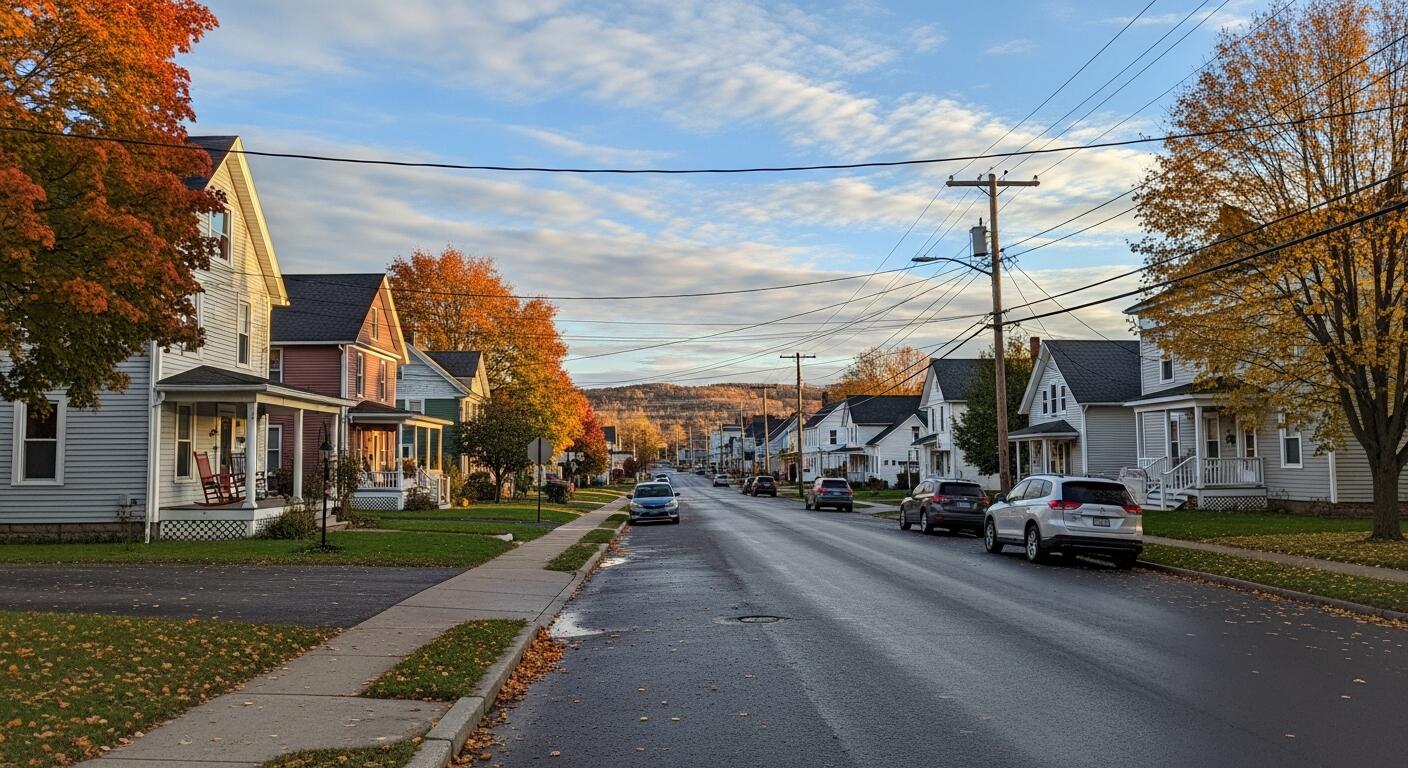
Much of the county's housing predates 1950, with a strong concentration of late-19th and early-20th-century farmhouses, village Victorians, and river cottages. Newer subdivisions exist near Potsdam, Canton, and Massena, but older construction dominates - and it drives restoration strategy.
Construction Types and What They Mean
- Fieldstone and rubble foundations - porous, irregular, and slow to dry; require extended dehumidification and often targeted mold treatment
- Balloon-framed walls - open cavities allow smoke, water, and fire to travel vertically between floors without visible signs
- Plaster over wood lath - holds moisture far longer than drywall and demands careful drying to avoid delamination
- Knob-and-tube or early wiring remnants - influence how aggressively wet cavities can be opened and dried
- Blown-in and batt insulation in attics - once wetted or soot-loaded, generally removed rather than dried
- Manufactured and modular homes - belly wrap traps water beneath floors, requiring specialized drying access
- Farm outbuildings and attached sheds - increase fire load and complicate containment
Practical Restoration Implications
- Older homes with layered flooring may need selective demolition to reach trapped moisture
- Homes on private septic require system evaluation before sewage cleanup is considered complete
- Historic trim and millwork are often cleaned and salvaged rather than replaced
- Asbestos and lead testing may apply in pre-1978 structures before demolition begins
Environmental Conditions & Damage Implications
The county's climate combines long, cold winters with humid summers - a pairing that stresses buildings from both directions.
Climate and Moisture Factors
- Heavy annual snowfall creates large melt volumes and prolonged soil saturation
- Summer dew points frequently exceed the threshold at which mold germinates on damp materials
- Deep frost lines contribute to foundation movement and hairline cracking
- Increased precipitation intensity produces rapid runoff, shoreline erosion, and sediment transport that carries contaminants into flooded structures
Soil, Water, and Air Considerations
- Clay and glacial till soils - drain slowly, hold hydrostatic pressure against basement walls, and extend drying timelines
- Shallow bedrock in southern towns - forces water laterally toward foundations instead of downward
- Private wells - flood or sewage events warrant water testing before household use resumes
- Floodwater from river and tributary events - treated as contaminated because of agricultural runoff and wastewater mixing
- Winter air quality indoors - tightly sealed homes concentrate smoke odor and mold spores when ventilation drops
These conditions shape equipment selection. Low-grain refrigerant dehumidifiers, negative-pressure containment, HEPA air scrubbers, and moisture meters calibrated for plaster and masonry all see regular use here because North Country materials simply do not release water quickly.
Flood Resiliency, Contaminated Water, and Restoration Standards Along the St. Lawrence
Communities including the Town and Village of Morristown have assessed ecosystem vulnerability and folded resiliency measures into local planning, while regional initiatives work to harden infrastructure against a changing flood pattern. Restoration work should follow that same logic - repair the damage, then reduce the odds of a repeat.
How Contaminated Water Losses Are Handled
- Categorization - river floodwater and sewage backups are classified as grossly contaminated, which dictates removal rather than drying of porous materials.
- Containment - negative air pressure and physical barriers keep contaminants from migrating into clean areas of the home.
- Bulk removal - standing water is extracted, and saturated carpet, pad, insulation, and lower drywall are cut out and disposed of properly.
- Cleaning and disinfection - hard surfaces are washed and treated with EPA-registered antimicrobials appropriate to the material.
- Structural drying - air movers and dehumidifiers run until documented moisture content returns to dry standard for that assembly.
- Verification - readings, photos, and drying logs are recorded for insurers and for the property owner's records.
Standards and Practices That Guide the Work
- IICRC S500 for water damage and S520 for mold remediation inform scope decisions
- NFPA-aligned practices guide fire scene safety and structural stabilization
- Soot is identified by type - protein, wet smoke, dry smoke, or fuel oil - because each responds to different cleaning agents
- Odor work addresses the source first; sealing and fogging come only after residues are removed
- Mold clearance depends on correcting the moisture source, not on treatment alone
Resiliency Steps Worth Taking Afterward
- Battery or water-powered backup sump systems for outage-prone areas
- Backflow prevention valves on sewer laterals
- Regraded lots, extended downspouts, and cleared culverts
- Elevated mechanicals and closed-cell insulation in flood-prone basements
- Annual chimney inspection and furnace servicing before heating season
Questions about a current loss or a preventive assessment can be directed to (315) 386-8144.