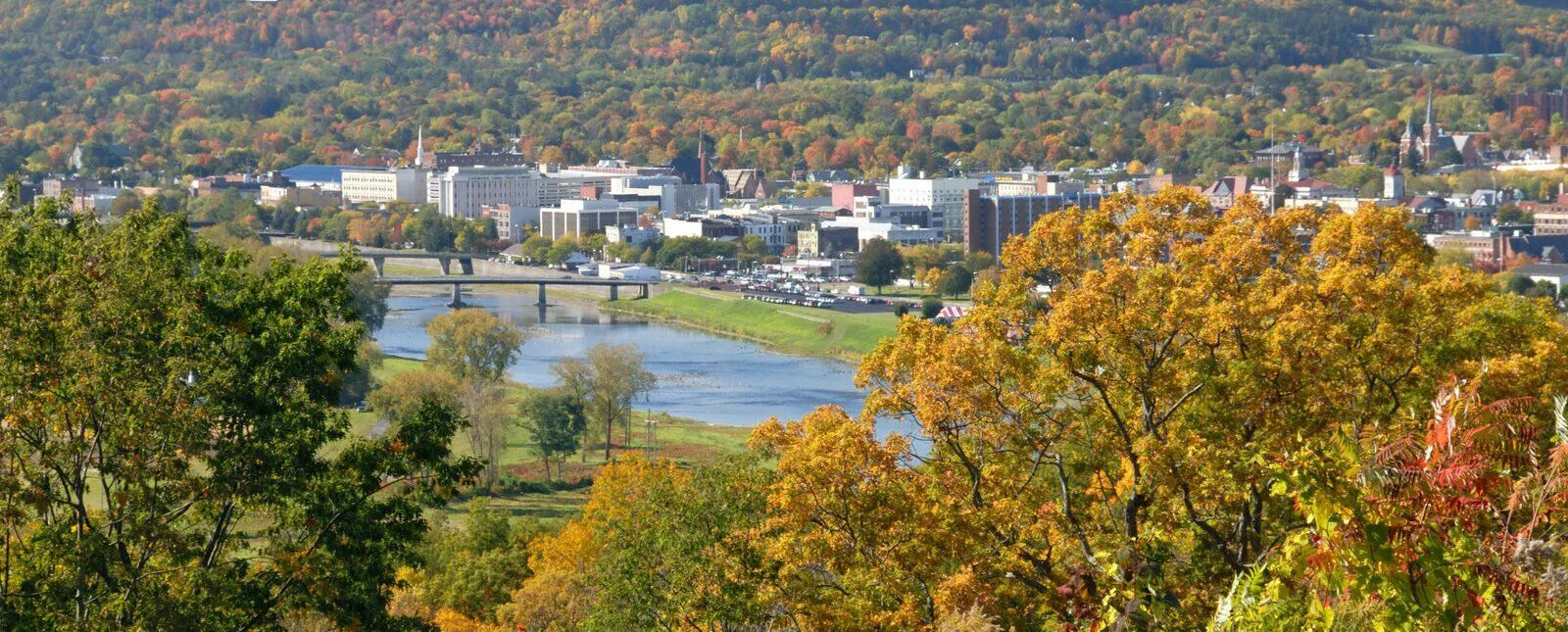
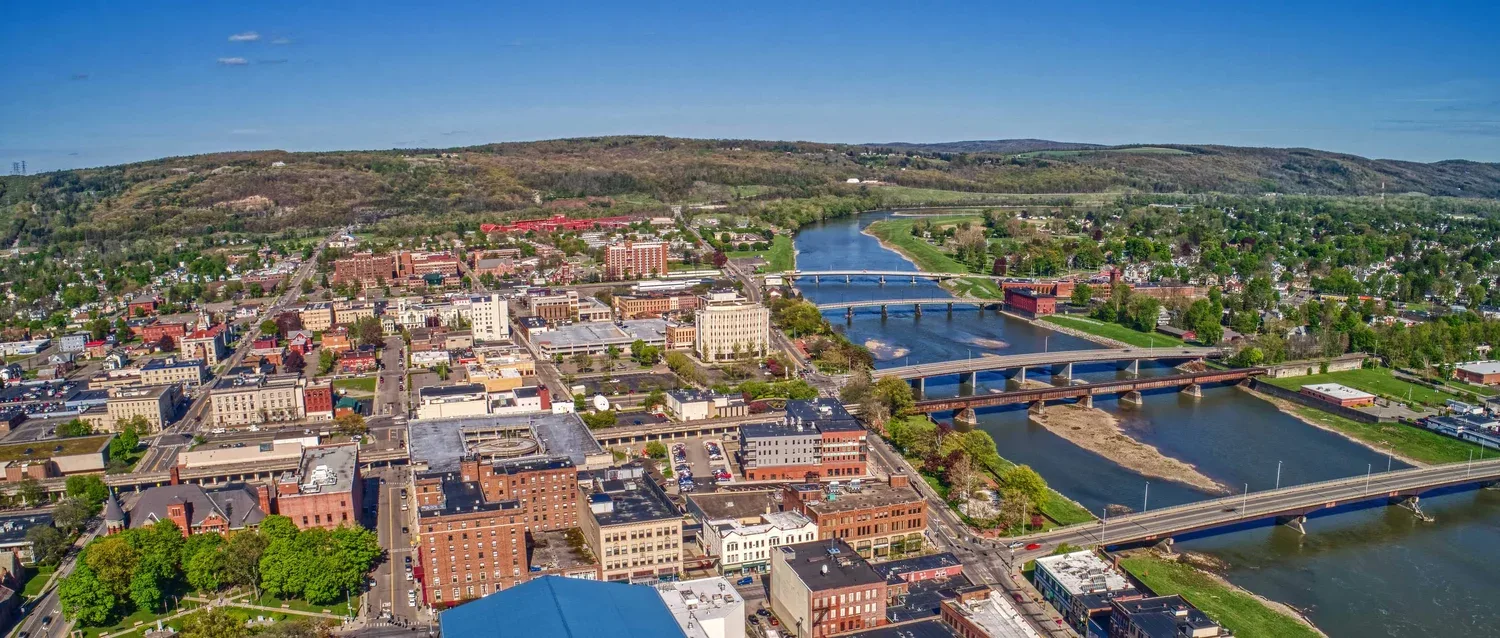
Damage Restoration in Chemung County, NY
- Damage Restoration Services Overview
- Common Damage Restoration Issues in Chemung County, New York
- Neighborhoods We Serve in Chemung County
- Seasonal Damage Patterns in Chemung County
- Housing Characteristics & Restoration Considerations
- Environmental Conditions & Damage Implications
- Emergency Response and Insurance Claim Support in Chemung County
Damage Restoration Services Overview
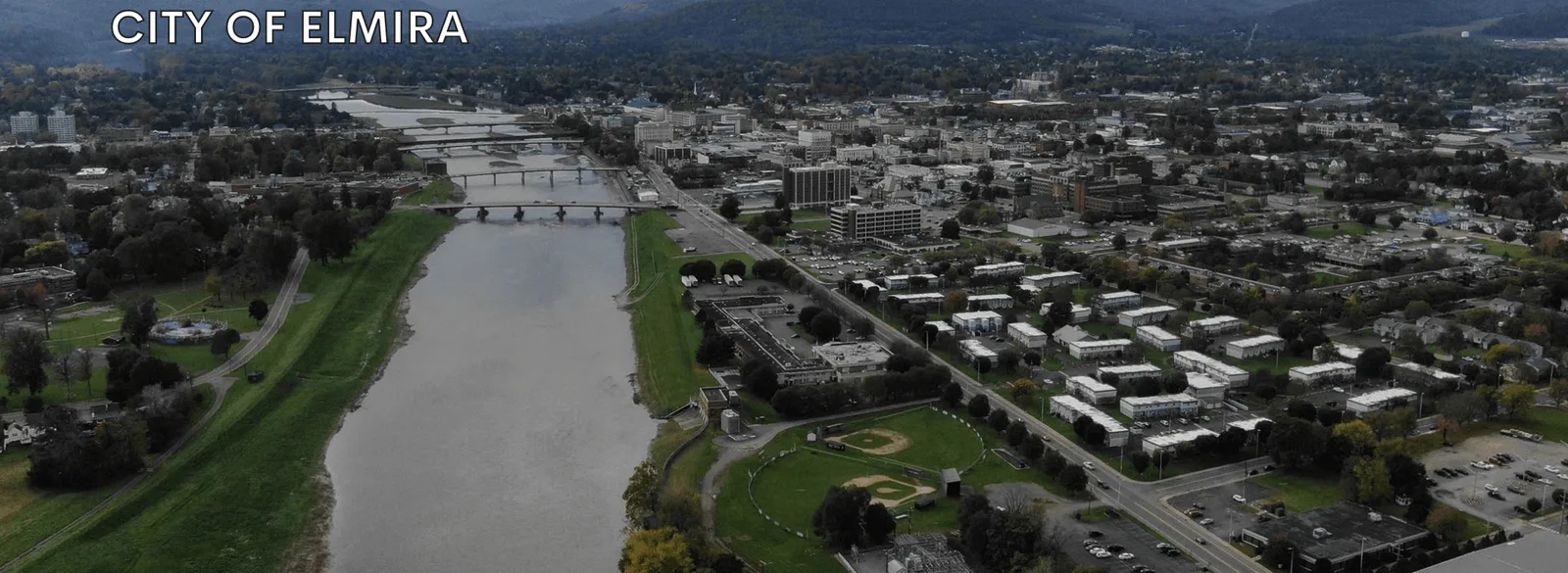
When water pours through a ceiling or smoke settles into every room, the fastest relief comes from knowing trained technicians are already on the way. Property owners across Chemung County rely on certified restoration crews to stabilize a building, document the loss, and rebuild what the disaster took.
Full-service response covers the damage types most common to the Southern Tier:
- Water Damage Restoration - extraction, structural drying, moisture mapping, and repair of saturated framing, drywall, and flooring.
- Flooded Basement cleanup - pump-out, content removal, sanitizing, and dehumidification of below-grade spaces.
- Sewage Cleanup - safe removal of Category 3 contamination, antimicrobial treatment, and disposal of unsalvageable porous materials.
- Fire Damage Restoration - emergency board-up, debris removal, structural cleaning, and reconstruction.
- Smoke Damage Restoration - soot removal from surfaces and HVAC systems, plus odor neutralization.
- Mold Removal - containment, air filtration, removal of colonized materials, and correction of the moisture source.
Key benefits for Chemung County residents include same-day emergency response, direct communication with insurance adjusters, and documentation that supports a claim from first photo to final walkthrough. One coordinated team handles mitigation and rebuild, so homeowners in Elmira, Horseheads, and Big Flats are not juggling separate contractors during an already stressful week.
Common Damage Restoration Issues in Chemung County, New York
Chemung County sits in a river valley where the Chemung River, Newtown Creek, and Seeley Creek shape drainage patterns - and flood risk. That geography, combined with older housing stock and cold winters, drives most local restoration calls.
Frequent Causes of Loss
- River and creek flooding during spring melt or after remnants of tropical systems track up the Susquehanna basin
- Frozen and burst supply lines in unheated crawl spaces, garages, and vacant rentals
- Sump pump failure or power loss during storms, leaving basements under several inches of water
- Sanitary sewer backups when combined lines surcharge during heavy rain
- Failed water heaters, washing machine hoses, and corroded galvanized plumbing in mid-century homes
- Heating equipment fires, chimney and wood stove fires, and kitchen grease fires during the winter months
- Roof leaks and ice dams that feed hidden mold growth in attics and wall cavities
Warning Signs Worth Acting On
- Musty odor in a basement or closet that lingers after ventilation
- Bubbling paint, cupping hardwood, or a soft spot in subfloor near a fixture
- Staining along the bottom of drywall or on foundation walls after rain
- Gurgling floor drains or slow basement fixtures - an early sewer backup signal
- Sooty film on window glass, lampshades, or return air vents after a small fire
- Unexplained allergy symptoms that ease when residents leave the house
Small signals rarely stay small in a humid valley climate. Moisture trapped behind a finished basement wall can support mold colonization within days.
Neighborhoods We Serve in Chemung County
Emergency crews cover the county from the Pennsylvania line north to the Schuyler County border, including:
- Elmira - Southside, Eastside, Northside, Elmira Heights, and the Near Westside historic district
- Horseheads - village center, Ridge Road corridor, and Breesport
- Big Flats - neighborhoods near the airport corridor and County Route 64
- West Elmira and Southport - riverfront and hillside properties
- Van Etten, Erin, Chemung, Wellsburg, Lowman, and Pine City - rural homes on wells and septic systems
- Millport, Golden Glow Heights, and North Chemung
Service also extends to surrounding communities in Steuben, Tioga, and Schuyler counties, along with nearby Corning, Waverly, and the Pennsylvania border towns. Commercial response covers downtown Elmira storefronts, Arnot Mall area businesses, warehouses, schools, and multi-unit rental properties.
Seasonal Damage Patterns in Chemung County
Restoration demand shifts predictably through the year in the Southern Tier.
- December through February - peak frozen pipe season. Burst supply lines flood finished basements and first floors. Heating system and chimney fires spike, producing widespread smoke damage that reaches every room through the ductwork.
- March and April - snowmelt plus rain raises the Chemung River and saturates soil. Groundwater intrusion, sump pump overload, and flooded basements dominate call volume.
- May through August - thunderstorms bring wind-driven rain, roof leaks, and sewer backups when downpours overwhelm municipal lines. Warm, humid air turns any lingering moisture into visible mold within days.
- September and October - remnants of tropical systems occasionally stall over the Susquehanna basin, repeating the flood scenarios residents remember from past river events.
- November - the first hard freeze catches unwinterized outdoor spigots, seasonal cabins, and vacant properties. Wood stoves and fireplaces return to service, raising fire and soot risk.
Mold remediation runs year-round because heated indoor air keeps hidden colonies active straight through winter.
Housing Characteristics & Restoration Considerations
Much of Chemung County's housing stock predates 1960, with large concentrations of late-1800s and early-1900s homes in Elmira's historic districts. Construction era directly shapes how a restoration project unfolds.
Older Homes (pre-1950)
- Stone or brick foundations with lime mortar wick groundwater, so flooded basement drying requires longer dehumidification cycles
- Balloon framing lets water and smoke travel vertically inside wall cavities, requiring inspection well above the visible damage line
- Plaster and wood lath holds moisture differently than drywall and may be salvaged with controlled drying rather than demolition
- Asbestos-containing floor tile, pipe wrap, and lead paint call for testing before any demolition begins
- Cast iron and clay sewer laterals crack and root-intrude, raising sewage backup risk
Mid-Century and Newer Construction
- Ranch homes with full basements and finished rec rooms - carpet, paneling, and stud-cavity insulation are the first materials affected by flooding
- Poured concrete foundations with perimeter drains that fail when the sump pump loses power
- Tighter modern envelopes in Big Flats and Horseheads subdivisions hold smoke odor and humidity longer, making air scrubbing and HVAC cleaning central to recovery
- Crawl space homes in rural towns where vapor barriers and ventilation determine whether mold takes hold
Technicians adjust drying plans, containment layouts, and reconstruction materials to match the building rather than applying one template to every address.
Environmental Conditions & Damage Implications
The county's humid continental climate produces roughly 35 inches of rain and substantial winter snowfall each year, with sharp temperature swings between seasons.
Climate and Moisture
- Summer dew points regularly climb high enough that indoor humidity supports mold growth without any active leak
- Winter freeze-thaw cycles crack foundation mortar and open pathways for water intrusion
- Valley fog and cool nights slow natural drying, so mechanical dehumidification is standard on nearly every water loss
Soil and Groundwater
- Alluvial valley soils along the Chemung River drain slowly once saturated, raising hydrostatic pressure against basement walls
- Hillside properties in Southport and Erin face surface runoff that overwhelms grading and window wells
- Shallow water tables near creeks keep sump systems working almost continuously in spring
Air and Water Quality
- Smoke particles from a fire bond aggressively to cold surfaces in winter, requiring specialized cleaning agents rather than general washing
- Rural properties on private wells and septic systems need water testing after flooding or sewage events
- Hard water and mineral deposits accelerate corrosion in aging supply lines, contributing to sudden pipe failures
Each of these conditions feeds into the mitigation plan - moisture readings, containment decisions, and clearance testing are all calibrated to local conditions rather than generic averages.
Emergency Response and Insurance Claim Support in Chemung County
The first 24 hours after a loss determine how much of a home can be saved. Clean water becomes contaminated, drywall wicks moisture upward, soot etches into metal and glass, and mold spores activate. Rapid, documented response protects both the structure and the claim.
What Happens After the Call
- Dispatch and arrival - crews mobilize with extraction units, air movers, dehumidifiers, and HEPA air scrubbers.
- Safety assessment - electrical hazards, structural concerns, and contamination levels are identified before work begins.
- Documentation - photos, moisture readings, thermal imaging, and a written scope create the record adjusters need.
- Stabilization - board-up, tarping, water extraction, or containment barriers stop the damage from spreading.
- Mitigation - controlled drying, soot removal, antimicrobial application, or removal of contaminated materials.
- Verification - daily moisture logs and, where appropriate, third-party clearance testing confirm the space is dry and safe.
- Reconstruction - drywall, flooring, trim, paint, and finish work return the property to pre-loss condition.
Working With Your Insurer
- Scope and estimates written in the formats carriers expect, reducing back-and-forth delays
- Direct communication with adjusters so homeowners are not translating technical terms
- Clear notes on which items are salvageable versus a total loss, supported by moisture and contamination data
- Guidance on standard flood exclusions - important for riverfront properties in Elmira, Wellsburg, and Chemung
Homeowners can help before crews arrive: shut off the water supply if a pipe has burst, cut power to affected areas at the breaker only if it is safe to reach, avoid walking through sewage-contaminated water, and photograph everything. Then let certified technicians handle the rest, 24 hours a day, across every town in the county.