
Damage Restoration in Horseheads, NY
- Damage Restoration Services Overview
- Common Damage Restoration Issues in Horseheads, New York
- Neighborhoods We Serve in Horseheads
- Seasonal Damage Patterns in Horseheads
- Housing Characteristics & Restoration Considerations
- Environmental Conditions & Damage Implications
- Emergency Response Timelines: Why the First 24 Hours Decide the Outcome in Horseheads
Damage Restoration Services Overview
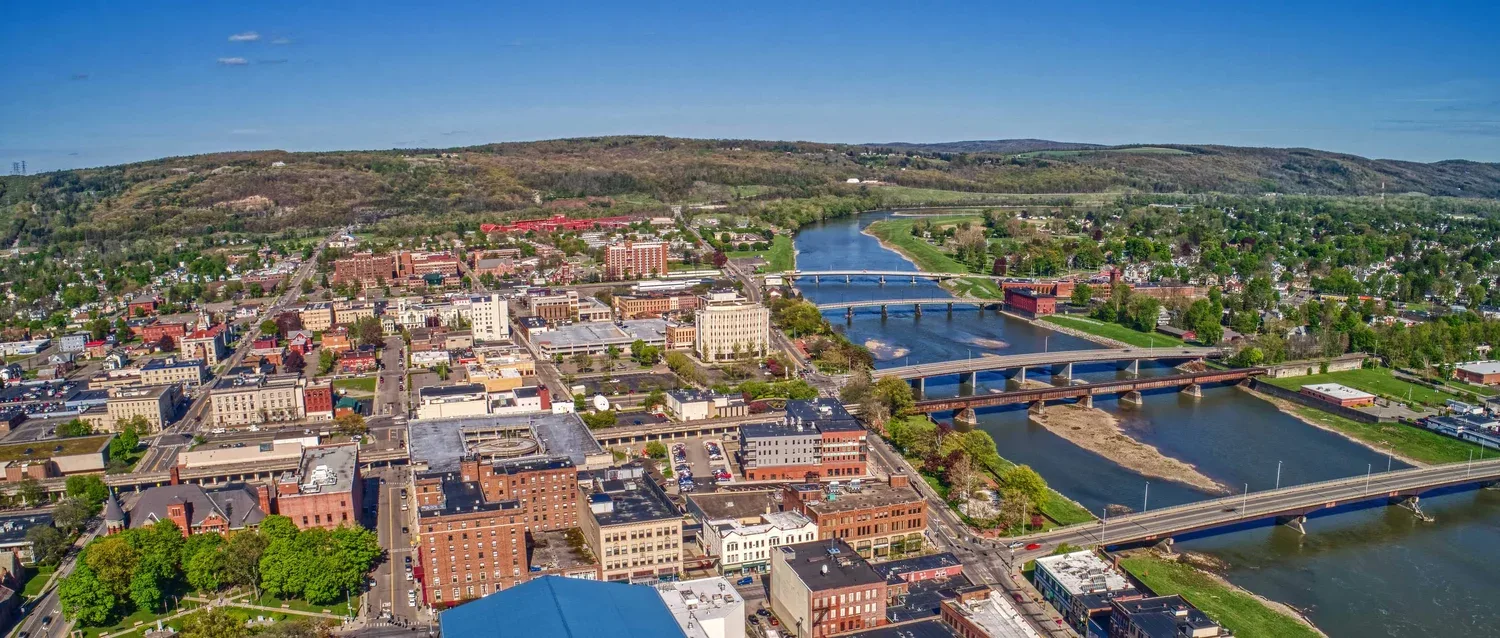
Horseheads sits in the Chemung River valley, where the confluence of Newtown Creek and the Chemung has shaped local flood history since the 1972 Agnes flood reshaped entire neighborhoods across the Southern Tier. That valley geography, combined with clay-heavy soils and a housing stock that spans two centuries, means property damage here rarely announces itself politely.
Full-service restoration for Horseheads homes and businesses covers the entire spectrum of sudden loss:
- Water damage restoration - burst supply lines, failed water heaters, roof leaks, and storm intrusion
- Flooded basement recovery - sump pump failures, foundation seepage, and hydrostatic pressure leaks
- Sewage cleanup - sanitary backups, septic overflow, and Category 3 contamination handled with containment protocols
- Fire damage restoration - structural stabilization, soot removal, contents pack-out, and rebuild coordination
- Smoke damage restoration - odor neutralization, HVAC decontamination, and surface deodorization
- Mold removal - containment, HEPA filtration, and remediation of musty crawlspaces and finished basements
The benefit of a single certified team handling all six is continuity. Water damage that goes untreated becomes mold. Fire suppression water becomes a flooded basement. One crew, one documented plan, and direct communication with your insurance carrier keeps the process moving instead of stalling between contractors.
Common Damage Restoration Issues in Horseheads, New York
Most emergency calls in Horseheads trace back to a handful of predictable causes rooted in local geography, weather, and building age.
Water and Basement Flooding Triggers
- Spring snowmelt combined with rain saturating clay soils around foundations
- Sump pump failure during multi-day storm events or power outages
- Frozen and burst pipes in uninsulated crawlspaces during January cold snaps
- Aging cast iron and clay lateral lines allowing root intrusion and backups
- Storm drainage overwhelmed along low-lying streets near Newtown Creek
Fire, Smoke, and Mold Warning Signs
- Persistent smoky odor returning after cleaning - a sign soot has entered ductwork and wall cavities
- Yellow-brown staining above baseboards or around outlets following a kitchen fire
- Musty smell in a finished basement, especially after carpet has been wet more than 48 hours
- Cupping hardwood, bubbling paint, or drywall that feels cool and soft to the touch
- Increased allergy symptoms indoors that improve when occupants leave the house
Sewage backups deserve separate attention. Gray or black water carries bacteria that porous materials absorb permanently, so carpet, pad, and saturated drywall are removed rather than dried. Homes on septic systems in the outlying areas toward Breesport and Erin face additional risk when saturated ground prevents leach fields from draining, pushing waste back toward the lowest fixture in the house.
The through-line: moisture that lingers past two days becomes a mold problem, and fire losses almost always include a water component from suppression efforts.
Neighborhoods We Serve in Horseheads
Response crews cover the Village of Horseheads, the Town of Horseheads, and the wider Chemung and Tioga County corridor.
- Village core and Hanover Square - older commercial buildings and historic homes with plaster and balloon framing
- Breesport, Erin, and Lowman - rural properties with wells, septic systems, and detached outbuildings
- Big Flats and Elmira - suburban subdivisions and slab-on-grade construction
- Pine City, Wellsburg, and Millport - valley properties near waterways with elevated flood exposure
- Corning, Painted Post, and Lindley - mixed residential and light commercial along the Chemung
- Watkins Glen, Montour Falls, Odessa, and Reading Center - lakeside and hillside properties with steep-grade runoff
- Ithaca, Lansing, Trumansburg, Newfield, and Freeville - northern service reach into Tompkins County
- Alpine, Beaver Dams, Cayuta, Van Etten, Spencer, Mecklenburg, Brooktondale, Slaterville Springs, Jacksonville, Pine Valley, and Willseyville
Local familiarity matters. Knowing which streets hold water, which neighborhoods run on septic, and which municipal offices to contact for permits shortens the timeline between the first call and the first piece of equipment running.
Seasonal Damage Patterns in Horseheads
Restoration demand in the Southern Tier follows a fairly reliable annual rhythm.
- December through February - Frozen pipe bursts peak during subzero stretches. Heating equipment, wood stoves, and space heaters drive the highest volume of fire and smoke damage calls of the year. Ice dams push meltwater under shingles and into ceilings.
- March through April - Snowmelt over still-frozen ground produces the season's worst flooded basements. Sump pumps run continuously and fail. Sewer laterals surcharge as groundwater infiltrates municipal lines.
- May through June - Heavy spring rain saturates clay soils. Foundation seepage and window well flooding increase. Mold growth accelerates as temperatures climb and basements stay damp.
- July through August - Humidity above 70 percent turns marginal moisture into visible mold. Thunderstorms bring wind-driven rain, roof damage, and lightning-related fires. Air conditioning condensate line clogs flood mechanical rooms.
- September through October - Remnants of tropical systems occasionally track through the Chemung valley, producing flash flooding. Chimney and furnace startup causes puffbacks and smoke damage.
- November - First hard freezes catch unwinterized outdoor spigots and vacant properties.
Housing Characteristics & Restoration Considerations
Horseheads housing spans everything from mid-1800s village homes to postwar ranches to modern subdivisions - and each construction era responds differently to water, fire, and mold.
Older Homes (pre-1950)
- Stone and block foundations with mortar joints that wick moisture from surrounding soil
- Plaster over wood lath, which holds water far longer than drywall and requires specialized drying
- Balloon framing that lets fire, smoke, and odor travel vertically between floors unchecked
- Knob-and-tube or early wiring that raises electrical fire risk
- Potential lead paint and asbestos in floor tile, plaster, and pipe insulation - requiring testing before demolition
Postwar and Mid-Century Homes
- Poured concrete basements, often finished later with paneling and carpet that trap moisture
- Cast iron drain lines nearing the end of service life, increasing sewage backup risk
- Limited attic ventilation contributing to condensation and roof-deck mold
Newer Construction (1990s onward)
- Tight building envelopes that hold humidity indoors and hide moisture behind vapor barriers
- Engineered lumber and OSB subfloor that swells quickly and loses structural integrity when saturated
- Open floor plans that allow smoke and soot to distribute across the entire main level in minutes
Restoration planning starts with identifying the building type. A plaster wall in a village Victorian may be dried and saved with injection systems and targeted airflow, while a saturated OSB subfloor in a newer build often requires removal. Moisture mapping and thermal imaging determine what stays and what goes before demolition begins.
Environmental Conditions & Damage Implications
Local climate and ground conditions shape how damage develops and how restoration is executed in Horseheads.
Climate Factors
- Roughly 35 inches of annual precipitation plus 60-plus inches of snow in a typical winter
- Summer relative humidity frequently exceeding 70 percent - above the 60 percent threshold where mold thrives
- Sharp freeze-thaw cycling that opens foundation cracks and mortar joints year after year
- Valley temperature inversions that trap smoke and particulates near ground level after a fire
Soil and Groundwater
- Glacial till and clay-rich soils that drain slowly and hold water against foundation walls
- Shallow water tables in valley-floor neighborhoods, creating year-round hydrostatic pressure on basement slabs
- Alluvial deposits near the Chemung River and Newtown Creek that transmit groundwater quickly during high-water events
What This Means for Restoration
- Drying takes longer in humid months - dehumidification capacity has to be sized for outdoor conditions, not just square footage
- Basements need vapor control and grading corrections, not just water extraction, to prevent repeat flooding
- Well water in rural service areas is tested when contamination from flooding or septic overflow is possible
- Smoke residue on cold winter surfaces bonds harder, requiring solvent-based cleaning and thermal fogging rather than simple wiping
- Mold clearance testing is more meaningful when performed after humidity is controlled, not during a damp stretch
Emergency Response Timelines: Why the First 24 Hours Decide the Outcome in Horseheads
Damage is not a fixed quantity. It grows on a clock, and in the Chemung valley that clock runs fast because of ambient humidity and slow-draining soils.
The Damage Timeline
- First few minutes - Water spreads across flooring, wicks up drywall, and saturates carpet pad. Soot begins settling on horizontal surfaces.
- First few hours - Furniture legs stain flooring. Acidic soot etches metal, marble, and appliance finishes permanently. Sewage bacteria multiply in standing water.
- 24 to 48 hours - Drywall swells, wood swells and cups, and mold spores begin colonizing damp organic material. Smoke odor bonds into porous surfaces.
- Day three onward - Visible mold appears, structural materials weaken, and salvageable contents move into the non-salvageable category. Costs and scope expand sharply.
What Fast Response Looks Like Locally
- 24/7 dispatch with crews staged to reach Horseheads, Elmira, Corning, and Ithaca without long transit
- Immediate source control - shutting off water, tarping roofs, boarding openings
- Extraction and containment before demolition decisions are made
- Commercial dehumidifiers, air movers, and HEPA scrubbers set the same visit
- Moisture readings documented daily and shared with your insurance adjuster
- Antimicrobial application on all Category 2 and Category 3 water losses
What Property Owners Can Do Before Crews Arrive
- Shut off water at the main and cut power to affected areas if it is safe to reach the panel
- Stay out of any space with standing sewage or post-fire structural damage
- Photograph everything for your claim before moving items
- Lift furniture off wet carpet using foil or wood blocks
- Do not run household HVAC after a fire - it circulates soot through every room
- Do not attempt to clean smoke residue with water, which can set staining permanently
Certified, insured, and bonded technicians handling water extraction, sewage decontamination, fire and smoke restoration, and mold remediation under one scope means fewer handoffs and a faster return to normal for Horseheads homes and businesses.





