Damage Restoration in Saratoga, NY
- Damage Restoration Services Overview
- Common Damage Restoration Issues in Saratoga, New York
- Neighborhoods We Serve in Saratoga
- Seasonal Damage Patterns in Saratoga
- Housing Characteristics & Restoration Considerations
- Environmental Conditions & Damage Implications
- Historic Preservation & Modern Restoration Techniques in Saratoga
Damage Restoration Services Overview
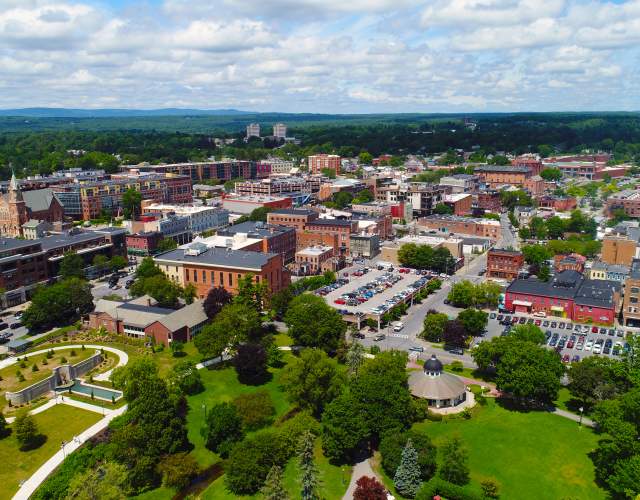
When disaster strikes your Saratoga home - whether from a burst pipe flooding your basement during a February freeze or smoke damage from a kitchen fire - professional restoration services can mean the difference between a quick recovery and months of ongoing problems. The historic charm of Saratoga Springs properties requires specialized expertise to restore them properly while preserving their character.
Our comprehensive damage restoration services address the full spectrum of emergencies that Saratoga homeowners face:
- Water Damage Restoration - From minor leaks to major flooding events
- Flooded Basement - Specialized basement water extraction and drying
- Sewage Cleanup - Safe removal and sanitization of contaminated water
- Fire Damage Restoration - Structural repair and content restoration
- Smoke Damage Restoration - Odor elimination and surface cleaning
- Mold Removal - Complete remediation and prevention strategies
The key benefits of professional restoration include rapid response times, proper equipment usage, and knowledge of insurance claim processes. Saratoga's unique climate conditions and housing stock require restoration professionals who understand how seasonal weather patterns, older home construction, and local soil conditions impact damage severity and recovery timelines.
Common Damage Restoration Issues in Saratoga, New York
Saratoga's location in the Capital Region creates specific challenges for property owners. The area's freeze-thaw cycles stress plumbing systems, while heavy spring snowmelt and summer thunderstorms can overwhelm drainage systems and cause basement flooding.
Local factors that frequently lead to damage include:
- Seasonal pipe bursts - Winter freezing temperatures cause water line failures
- Foundation water intrusion - Clay-heavy soils retain moisture against basement walls
- Storm-related flooding - Heavy rainfall overwhelms older storm water systems
- Heating system failures - Older homes with aging furnaces face fire and smoke risks
- Humidity-driven mold growth - Summer moisture combines with poor ventilation
- Sewage backups - Aging municipal systems struggle during peak usage periods
Warning signs Saratoga residents should watch for include:
- Water stains on basement walls or ceilings
- Musty odors indicating hidden moisture or mold
- Discolored or warped flooring materials
- Persistent smoke smells after cooking incidents
- Gurgling sounds from drains or toilets
- Unexplained increases in utility bills suggesting hidden leaks
Early detection and rapid response prevent minor issues from becoming major restoration projects that disrupt daily life and strain budgets.
Neighborhoods We Serve in Saratoga
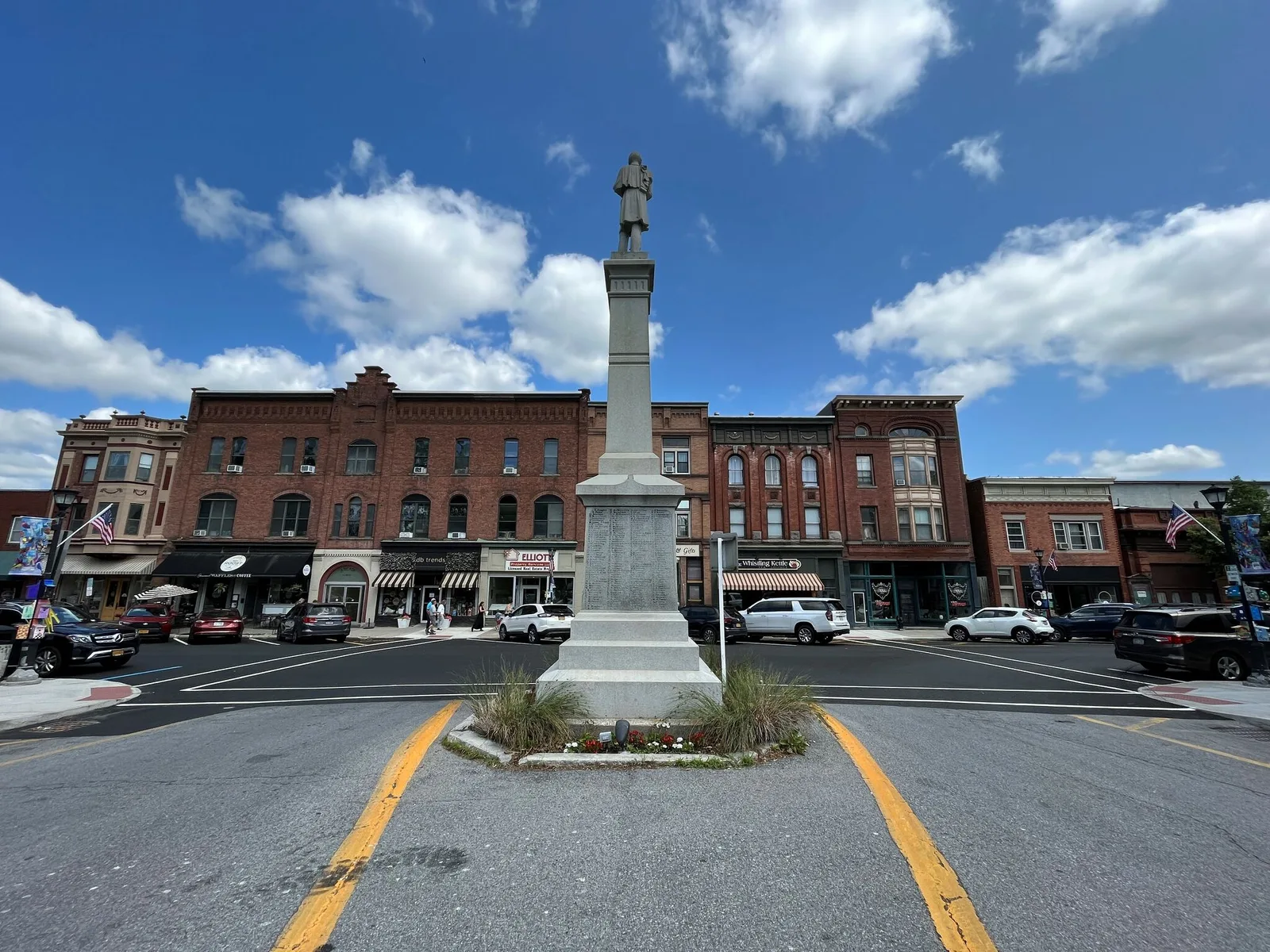
Our restoration services cover all areas of Saratoga Springs and the surrounding communities. We regularly respond to calls throughout the historic downtown district, where older buildings face unique restoration challenges, and the newer residential developments on the city's outskirts.
Service areas include:
- Downtown Saratoga Springs - Historic district and commercial areas
- East Side - Residential neighborhoods near Saratoga Lake
- West Side - Family neighborhoods and newer developments
- Greenfield - Rural properties and larger homes
- Wilton - Suburban communities and business districts
- Ballston Spa - Village center and surrounding residential areas
- Malta - Growing residential and commercial zones
- Clifton Park - Established neighborhoods and town center
Each area presents distinct challenges - from preserving historic architecture downtown to addressing modern construction issues in newer subdivisions. Our teams understand these local nuances and adapt restoration approaches accordingly.
Seasonal Damage Patterns in Saratoga
Saratoga's four-season climate creates predictable patterns of damage that property owners can anticipate and prepare for throughout the year.
Winter (December - February): Frozen pipe emergencies peak during cold snaps. Ice dams cause roof leaks and attic water damage. Heating system overuse increases fire and smoke damage risks.
Spring (March - May): Snowmelt and spring rains trigger basement flooding. Foundation water intrusion becomes apparent as ground thaws. Mold growth accelerates in damp conditions.
Summer (June - August): Severe thunderstorms cause flash flooding and wind damage. High humidity promotes mold growth in poorly ventilated spaces. Sewage backups increase during heavy rainfall events.
Fall (September - November): Heating system startups reveal maintenance issues. Leaf accumulation clogs gutters and drainage systems. Early freezes catch unprepared plumbing systems.
Understanding these seasonal patterns helps homeowners:
- Schedule preventive maintenance before peak damage seasons
- Recognize early warning signs specific to each time of year
- Prepare emergency response plans for likely scenarios
- Budget for seasonal restoration needs
Housing Characteristics & Restoration Considerations
Saratoga's housing stock reflects the area's rich history, with many homes dating back to the Victorian era alongside modern constructions. This diversity requires restoration professionals who understand different building materials, construction methods, and preservation requirements.
Typical housing characteristics affecting restoration include:
- Historic homes (pre-1940) - Plaster walls, hardwood floors, and original millwork require specialized restoration techniques
- Mid-century homes (1940-1980) - Basement recreation rooms and older electrical systems present unique challenges
- Modern construction (1980+) - Drywall, synthetic materials, and complex HVAC systems need different restoration approaches
Common construction features that impact restoration work:
- Stone and brick foundations - Require careful moisture management during water damage restoration
- Hardwood flooring - Can often be saved with proper drying techniques but may need refinishing
- Plaster walls - More susceptible to water damage but can be restored with specialized methods
- Original trim and molding - Valuable architectural details that require careful cleaning and restoration
- Older electrical systems - May need upgrading during fire damage restoration for safety compliance
Restoration professionals must balance modern techniques with preservation of historic character. This includes using appropriate materials, matching original finishes, and maintaining architectural integrity while incorporating necessary safety improvements.
Environmental Conditions & Damage Implications
Saratoga's environmental conditions significantly influence how damage occurs and spreads within properties. The region's humid continental climate, with average annual precipitation of 40 inches and humidity levels that fluctuate seasonally, creates specific challenges for restoration professionals.
Key environmental factors affecting damage restoration:
- Clay-heavy soil composition - Retains moisture against foundations, increasing basement water intrusion risks
- High water table - Contributes to persistent basement moisture issues and complicates sewage cleanup
- Seasonal humidity variations - Summer humidity promotes mold growth while winter dryness can cause material shrinkage
- Temperature extremes - Range from below zero to 90+ degrees affects material expansion and contraction
These conditions impact restoration processes in several ways:
- Extended drying times - High humidity slows water damage restoration, requiring specialized dehumidification
- Mold prevention protocols - Moisture-rich environment demands aggressive mold prevention during all restoration work
- Material selection - Replacement materials must withstand local climate conditions
- Ventilation requirements - Proper air circulation becomes critical for successful smoke damage restoration
- Seasonal timing - Some restoration work must account for weather windows and material curing times
Air quality considerations include seasonal allergens that can complicate respiratory issues during restoration. Water quality from local sources may contain minerals that affect cleaning processes and equipment selection for sewage cleanup and water damage restoration projects.
Historic Preservation & Modern Restoration Techniques in Saratoga
Saratoga Springs' designation as a National Historic Landmark District presents unique challenges for damage restoration professionals. The city's Victorian-era architecture, grand hotels, and historic homes require specialized knowledge to balance preservation requirements with modern restoration techniques.
Historic preservation considerations during restoration include:
- Material authenticity - Using period-appropriate materials for fire damage restoration while meeting current safety codes
- Architectural integrity - Preserving original details during water damage restoration of decorative plasterwork and millwork
- Documentation requirements - Photographing and recording historic elements before and during restoration processes
- Regulatory compliance - Working within Historic District Commission guidelines for exterior restoration work
Modern restoration techniques adapted for historic properties:
- Moisture detection technology - Non-invasive scanning to locate water damage without disturbing historic materials
- Specialized drying equipment - Low-heat systems that protect delicate finishes during water damage restoration
- Chemical-free cleaning - Gentle methods for smoke damage restoration that won't harm original surfaces
- Controlled demolition - Selective removal techniques that preserve salvageable historic elements
- Custom millwork reproduction - Recreating damaged architectural details using traditional joinery methods
The restoration process often involves collaboration with preservation specialists, local historians, and regulatory agencies. This ensures that properties maintain their historic character while receiving necessary modern improvements for safety and functionality. Insurance considerations for historic properties may also require specialized documentation and restoration approaches that standard policies don't typically cover.
Successful restoration of Saratoga's historic properties requires understanding both traditional building techniques and contemporary restoration science, ensuring these architectural treasures remain viable for future generations while meeting current habitability standards.