Damage Restoration in Fulton County, NY
- Damage Restoration Services Overview
- Common Damage Restoration Issues in Fulton County, New York
- Neighborhoods We Serve in Fulton County
- Seasonal Damage Patterns in Fulton County
- Housing Characteristics & Restoration Considerations
- Environmental Conditions & Damage Implications
- Protecting Seasonal Lake Homes and Camps Around Great Sacandaga
Damage Restoration Services Overview
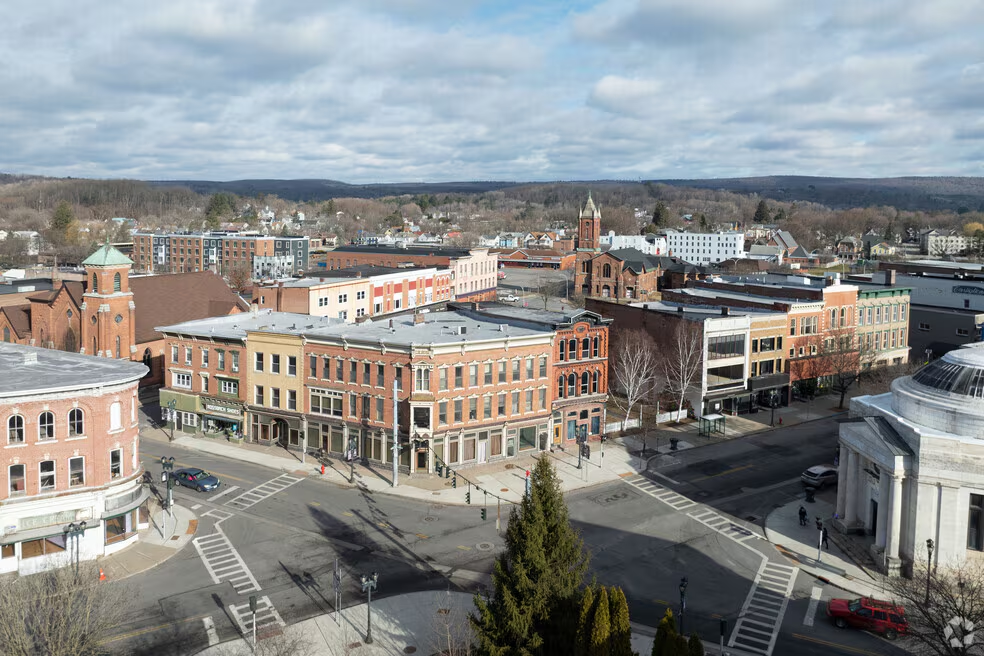
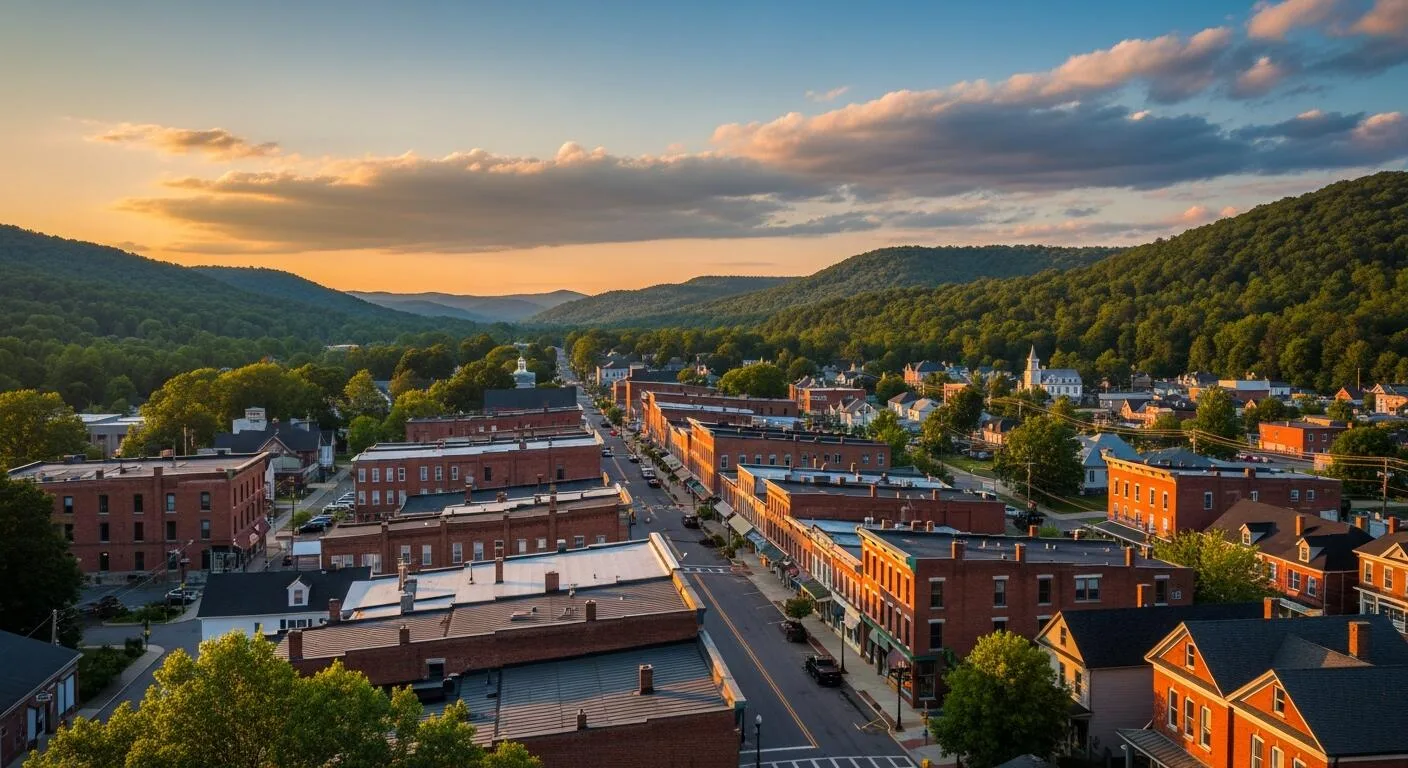
Fulton County sits where the Mohawk Valley meets the southern Adirondacks, and that geography shapes almost every restoration call in the region. Homes near Great Sacandaga Lake face shoreline flooding and high groundwater, while older housing stock in Gloversville and Johnstown brings aging plumbing, stone foundations, and knob-and-tube era wiring into the picture.
Property owners here rely on a full range of emergency and remediation work, including:
- Water damage restoration - burst supply lines, failed water heaters, ice dam leaks, and storm intrusion through roofs and windows
- Flooded basement recovery - sump pump failure, hydrostatic pressure through fieldstone walls, and snowmelt saturation
- Sewage cleanup - backed-up municipal lines, failed septic fields, and biohazard sanitizing in finished lower levels
- Fire damage restoration - structural stabilization, debris removal, and content recovery after wood stove, chimney, or electrical fires
- Smoke damage restoration - odor neutralization, soot removal from framing and HVAC systems, and surface cleaning
- Mold removal - containment, air scrubbing, and material removal in crawl spaces, attics, and damp basements
The benefit of coordinated restoration is simple: one crew documents the loss for your insurance carrier, dries the structure properly, and prevents the secondary mold growth that follows unfinished water work.
Common Damage Restoration Issues in Fulton County, New York
Cold winters, heavy lake-effect and Adirondack snowfall, and clay-heavy soils create a predictable pattern of property damage across the county.
What Causes Most Losses Here
- Frozen and burst pipes in unheated crawl spaces, garages, and older uninsulated exterior walls
- Ice dams that force meltwater under shingles and into ceilings and wall cavities
- Spring runoff from Adirondack snowpack raising water tables near the Sacandaga and its tributaries
- Sump pump failure during power outages caused by wind and ice storms
- Septic and sewer backups when saturated soil prevents leach field drainage
- Heating-related fires from wood stoves, pellet stoves, and chimney creosote buildup
- Chronic humidity in stone-walled basements feeding mold on joists and stored belongings
Warning Signs Worth Acting On
- Musty or earthy odors that intensify when the furnace or AC runs
- Efflorescence, white powdery staining, or crumbling mortar on basement walls
- Peeling paint, cupping hardwood, or soft spots in subflooring
- Slow floor drains, gurgling fixtures, or sewage odor near cleanouts
- Yellow or brown ceiling stains that reappear after storms
- Soot filming on windows, drapes, or above baseboard heat registers
- Allergy symptoms that improve when occupants leave the house
Water problems left alone rarely stay water problems. Mold colonization typically begins within a couple of days on damp drywall and framing, which is why early moisture mapping matters so much in this climate.
Neighborhoods We Serve in Fulton County
Crews respond throughout the county and into neighboring communities, covering both village centers and rural roads.
- Gloversville - dense older neighborhoods, former tannery-era homes, and multi-family properties
- Johnstown - historic downtown structures and surrounding residential streets
- Northville and Northampton - lakeside and seasonal properties along Great Sacandaga Lake
- Mayfield and Broadalbin - shoreline camps, year-round homes, and well-and-septic properties
- Caroga Lake and Bleecker - wooded, elevated parcels with limited winter access
- Perth, Ephratah, Oppenheim, and Stratford - farmsteads, barns, and outbuildings
- Dolgeville and Salisbury areas along the western county line
Service also extends toward Amsterdam, Fonda, and the Route 30 and Route 29 corridors, so seasonal homeowners who live out of the area can get emergency response and documentation while away.
Seasonal Damage Patterns in Fulton County
Winter (December - February)
- Frozen and burst pipes in vacant camps and seasonal cottages
- Ice dam leaks into upper-floor ceilings and exterior walls
- Chimney, wood stove, and space heater fires with heavy smoke residue
- Roof load stress on porches and older additions
Spring (March - May)
- Peak flooded basement season as snowmelt raises groundwater
- Sump pump overload and failure during sustained rain
- Septic backups in saturated leach fields
- First mold growth appearing from winter moisture intrusion
Summer (June - August)
- Thunderstorm wind damage, downed limbs, and roof punctures
- Humidity-driven mold in crawl spaces, attics, and closed-up lake homes
- Condensation and AC line leaks in finished basements
Fall (September - November)
- Remnant tropical storms bringing heavy rainfall and clogged gutters
- Heating system startup fires and puffback soot from oil furnaces
- Pre-winter mold inspections and dry-down before freeze-up
Housing Characteristics & Restoration Considerations
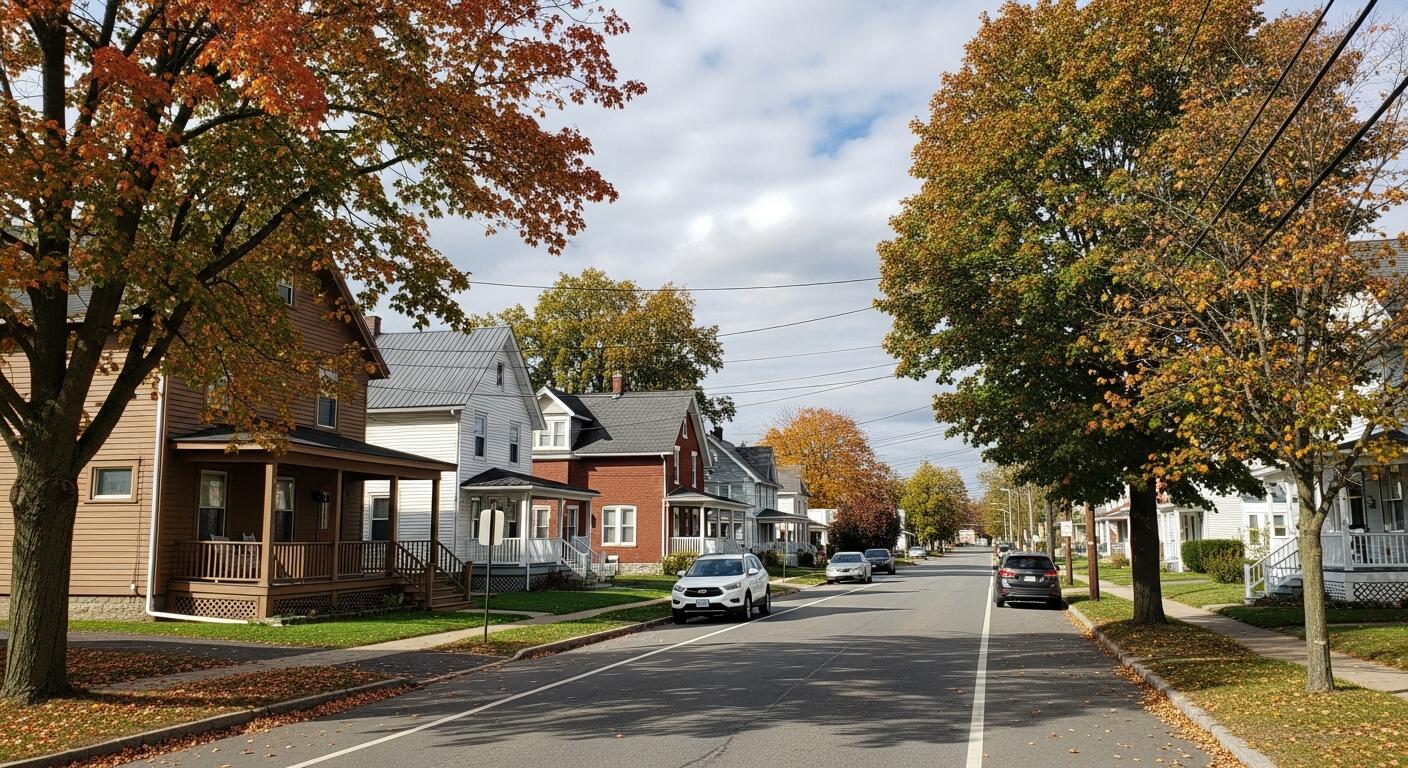
Fulton County housing skews older than the national average, with a large share of homes built before 1940 - especially in Gloversville and Johnstown, where glove-industry-era worker housing still lines many streets. That age changes how restoration is performed.
Construction Types and Their Impact
- Fieldstone and rubble foundations - porous, hard to seal, and prone to seepage that feeds basement mold
- Balloon-framed walls - allow water and smoke to travel vertically between floors, requiring cavity drying and inspection openings
- Plaster over wood lath - holds moisture longer than drywall and can be salvaged with controlled drying rather than demolition
- Horsehair plaster and older insulation - may contain asbestos, so testing precedes any demolition
- Lead-based paint in pre-1978 homes, requiring safe work practices during fire and water repairs
- Seasonal camps on piers or shallow slabs - vulnerable to frozen plumbing and ground moisture
- Finished basements added over decades - trap water behind paneling and inside stud bays
How That Shapes the Work
- Moisture mapping with meters and thermal imaging before anything is opened up
- Hazardous material screening in older structures prior to removal
- Targeted demolition that preserves original trim, flooring, and plaster where possible
- Cavity drying with injection systems for balloon framing and closed walls
- Antimicrobial application and clearance testing after mold removal
Environmental Conditions & Damage Implications
The county's climate and ground conditions directly influence how quickly damage spreads and how long drying takes.
Climate Factors
- Long, cold winters with deep frost penetration and repeated freeze-thaw cycles that crack foundations
- Annual snowfall well above national averages, feeding heavy spring runoff
- Warm, humid summers with indoor relative humidity that supports mold without dehumidification
- Wind and ice storms that cause outages and disable sump pumps
Soil, Water, and Air Conditions
- Glacial till and clay soils drain slowly, holding water against foundation walls
- High water tables near the Sacandaga, Mayfield Creek, and Cayadutta Creek corridors
- Private wells and septic systems in rural towns, where backups become contaminated water events requiring biohazard protocols
- Hard, mineral-rich water that shortens the life of water heaters and supply fittings
- Radon is a known concern across parts of upstate New York, and basement work is a sensible time to test
- Wood smoke from heating season adds particulate that lingers in HVAC systems and soft goods
Because of the clay and frost conditions, exterior grading, downspout extension, and drain tile evaluation are often part of a lasting basement solution rather than drying alone.
Protecting Seasonal Lake Homes and Camps Around Great Sacandaga
Great Sacandaga Lake draws thousands of seasonal owners, many of whom live in the Capital Region, downstate, or out of state. A camp closed from October through May can suffer a slow leak for months before anyone notices - and that is how a minor plumbing failure becomes a full gut of the floor system.
Why Seasonal Properties Are Higher Risk
- No occupant to hear running water, smell mustiness, or spot a ceiling stain
- Heat set low or off, increasing freeze risk in exterior walls and crawl spaces
- Reservoir drawdown and refill cycles shifting shoreline groundwater levels
- Rodents chewing supply lines and insulation during winter months
- Closed-up buildings with no ventilation, accelerating mold on furnishings
Steps That Reduce Loss
- Shut off the main water supply and drain the system before closing for the season
- Blow out lines and add antifreeze to traps and toilets
- Install a monitored low-temperature and water sensor alarm with cellular backup
- Keep a dehumidifier or air mover on a smart plug in the lower level
- Add a battery backup sump pump and test it before leaving
- Arrange a local check-in after major freeze events and heavy rain
- Photograph interiors and contents each fall to support any future claim
What Response Looks Like for Absentee Owners
Emergency access can be coordinated with a neighbor, caretaker, or lockbox. Crews document conditions with photos and moisture readings, extract and stabilize the structure, set containment if mold or sewage is present, and share progress remotely so owners can work with adjusters without driving up from out of town. Contents are inventoried, and items with smoke or water exposure are separated for cleaning or claim documentation before demolition begins.