Damage Restoration in Schenectady County, NY
- Damage Restoration Services Overview
- Common Damage Restoration Issues in Schenectady County, New York
- Neighborhoods We Serve in Schenectady County
- Seasonal Damage Patterns in Schenectady County
- Seasonal Damage Patterns in Schenectady County
- Housing Characteristics & Restoration Considerations
- Environmental Conditions & Damage Implications
- Insurance Claims and Emergency Response in the Capital Region
Damage Restoration Services Overview
Walking into a basement filled with water or a kitchen blackened by smoke ranks among the worst moments a homeowner can face. The clock starts ticking immediately - water spreads through subflooring within hours, and soot becomes acidic on contact with surfaces.
Schenectady County property owners have access to a full range of restoration disciplines, each addressing a different type of loss:
- Water Damage Restoration - extraction, structural drying, and moisture mapping after pipe breaks, appliance failures, or roof leaks
- Flooded Basement Cleanup - pumping standing water, drying foundation walls, and salvaging stored belongings
- Sewage Cleanup - contaminated water removal, antimicrobial treatment, and safe disposal of porous materials
- Fire Damage Restoration - debris removal, structural stabilization, and rebuilding of charred areas
- Smoke Damage Restoration - soot removal, thermal fogging, and odor neutralization in walls, ductwork, and contents
- Mold Removal - containment, HEPA filtration, affected material removal, and moisture source correction
The benefit of working with restoration professionals goes beyond cleanup. Documented moisture readings, itemized contents inventories, and photographic records support insurance claims. Rapid response limits secondary damage - the mold growth, warped hardwood, and lingering odors that turn a manageable loss into a gut renovation.
Common Damage Restoration Issues in Schenectady County, New York
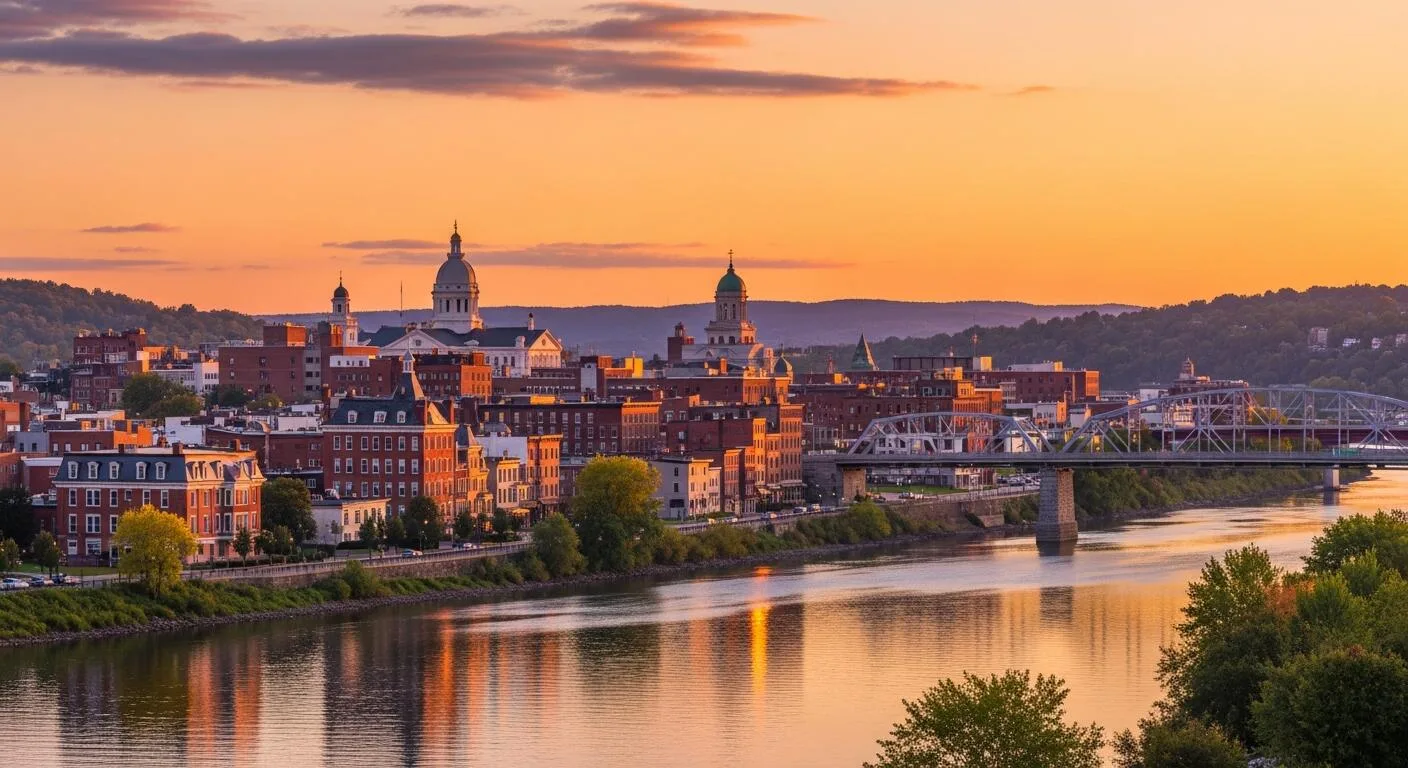
Schenectady County sits along the Mohawk River, and geography drives many of the losses seen here. Older housing stock in the city, aging municipal sewer infrastructure, and harsh Capital Region winters combine to create predictable damage patterns.
Frequent Causes of Loss
- Frozen and burst pipes - uninsulated lines in crawlspaces and unheated additions rupture during January cold snaps
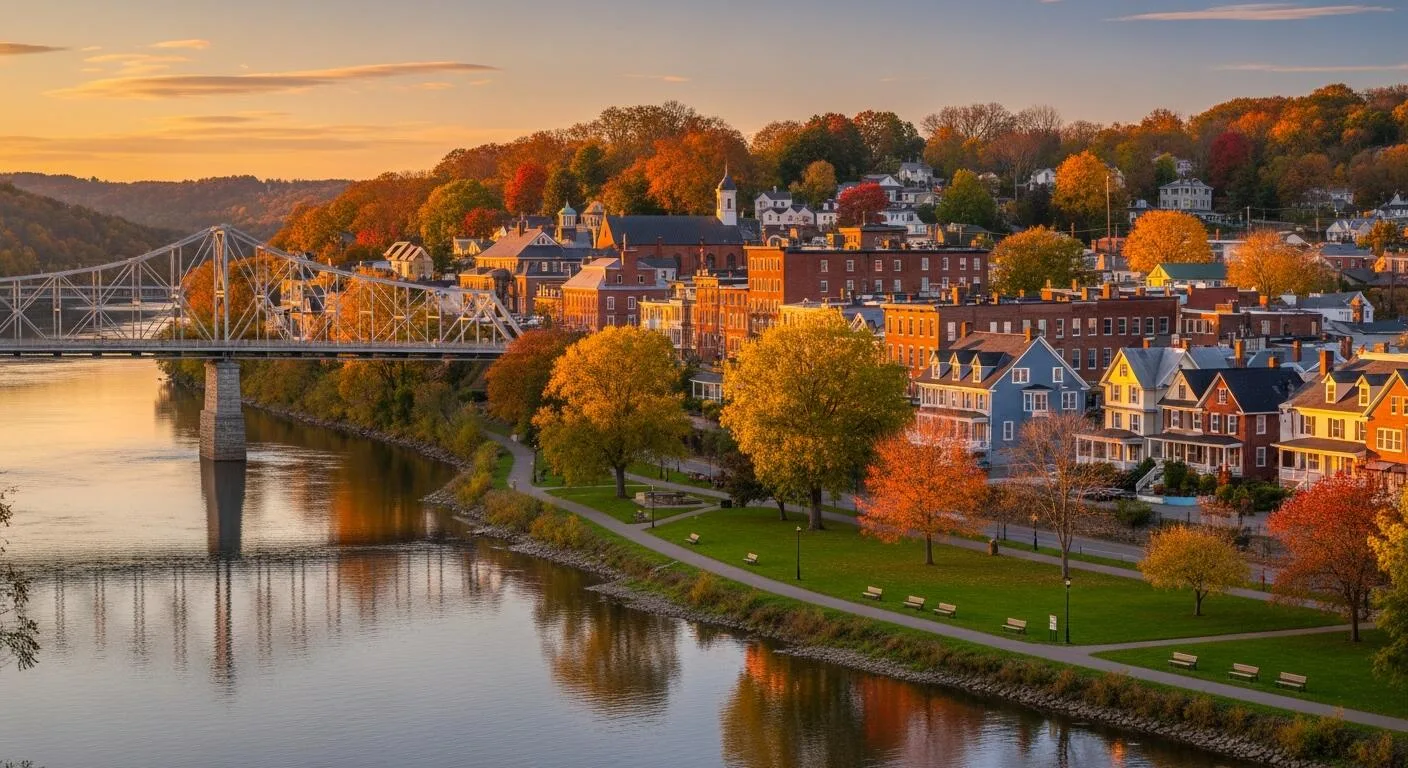
- Mohawk River and Binnekill flooding - ice jams and spring melt push water into low-lying neighborhoods like the Stockade
- Sump pump failure - power outages during storms leave basements defenseless
- Sewer backups - combined sewer systems in older sections surcharge during heavy rain
- Heating system fires - furnaces, wood stoves, and space heaters account for a large share of winter fire calls
- Kitchen grease fires - the leading residential ignition source year-round
- Chronic humidity - stone and block foundations wick moisture, feeding mold behind finished basement walls
Warning Signs Worth Acting On
- Musty odors that intensify after rain or when the HVAC runs
- Efflorescence - white chalky deposits - on basement masonry
- Bubbling paint, cupped hardwood, or soft spots in drywall near the floor line
- Slow floor drains or gurgling from fixtures when the washing machine empties
- Yellow-brown staining on ceilings below bathrooms or attics
- Persistent smoke smell weeks after a small fire, indicating soot in the ductwork
Neighborhoods We Serve in Schenectady County
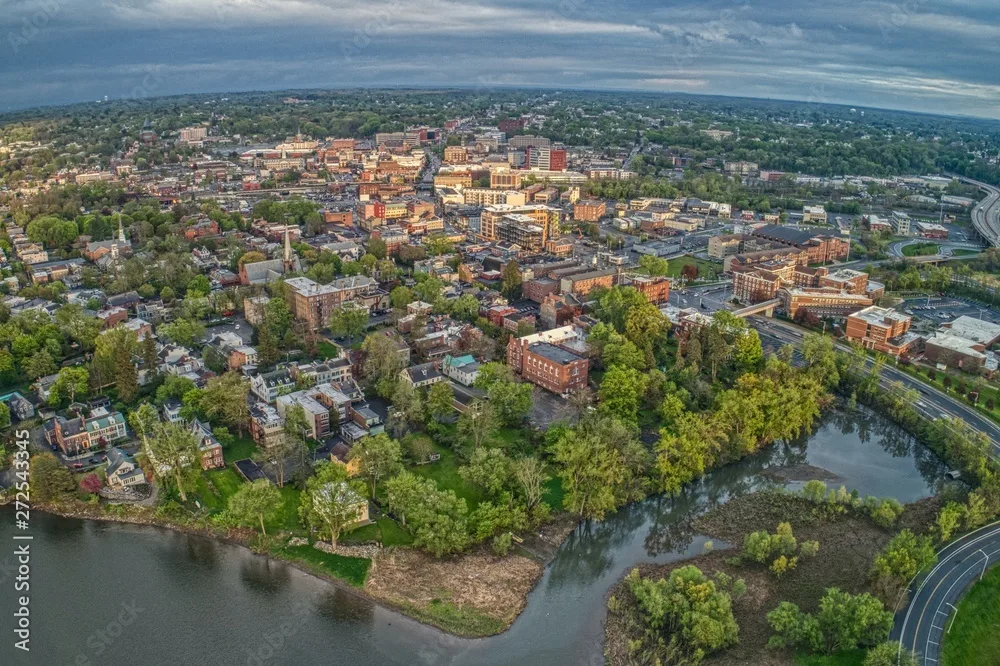
Coverage extends across the county, from dense urban blocks to rural township properties on private wells and septic systems.
- City of Schenectady - Stockade Historic District, Union Street, Bellevue, Mont Pleasant, Woodlawn, Central State Street, Hamilton Hill, Goose Hill
- Niskayuna - including River Road, Rosendale, and neighborhoods near the Mohawk
- Rotterdam - Rotterdam Junction, Pattersonville corridor, and Curry Road area
- Glenville - Alplaus, Scotia Glenville Industrial Park vicinity, and East Glenville
- Village of Scotia - Mohawk Avenue and Collins Park surroundings
- Duanesburg, Delanson, and Princetown - rural properties with well water and septic
- Town of Schenectady and adjacent Capital Region communities
ZIP codes served include 12302, 12303, 12304, 12305, 12306, 12307, 12308, 12309, and surrounding areas.
Seasonal Damage Patterns in Schenectady County
Seasonal Damage Patterns in Schenectady County
Each season brings its own signature emergency. Knowing the pattern helps homeowners prepare before the phone call becomes necessary.
- December through February - burst supply lines, ice dams forcing water under shingles, heating equipment fires, and chimney fires from creosote buildup
- March and April - the heaviest season for flooded basements as snowmelt saturates soil and ice jams raise the Mohawk; sump pumps run continuously and often fail
- May and June - mold colonies established during winter become active as indoor humidity climbs; hidden water damage from winter finally reveals itself
- July and August - thunderstorm downpours overwhelm combined sewers, triggering sewage backups; lightning strikes and electrical fires spike
- September and October - remnants of tropical systems bring flash flooding; the first furnace runs ignite dust and produce smoke damage
- November - early freezes catch outdoor spigots and unwinterized seasonal properties
Mold remediation requests, unlike the others, arrive year-round. Conditioned basements and finished lower levels hold enough moisture to sustain growth through every season in this climate.
Housing Characteristics & Restoration Considerations
Schenectady County contains some of the oldest continuously occupied housing in New York State. The Stockade District alone holds homes dating to the 18th century, while much of the city's residential fabric went up between 1890 and 1940 during the General Electric and American Locomotive boom.
How Construction Age Shapes the Work
- Balloon framing in pre-1930 homes creates open wall cavities that let water travel from attic to sill plate and let smoke spread vertically through the entire structure
- Stone and rubble foundations absorb and hold water, requiring extended drying and often dehumidification well past what block walls need
- Plaster over wood lath holds moisture differently than drywall - it may be salvageable with careful drying, but saturated lath breeds mold quickly
- Cast iron and galvanized drain lines corrode and crack, producing slow leaks and sewage backups behind walls
- Knob-and-tube or early wiring raises fire risk and complicates post-fire rebuilding to current code
- Asbestos and lead paint in pre-1978 homes require testing and controlled handling during demolition
Newer Construction Considerations
- Post-1970 subdivisions in Niskayuna, Glenville, and Rotterdam feature tighter envelopes that trap moisture when drying is incomplete
- Finished basements with carpet, foam insulation, and framed walls hide water intrusion until mold appears
- Engineered flooring and MDF trim swell irreversibly and typically need replacement rather than drying
Environmental Conditions & Damage Implications
The Capital Region's humid continental climate produces wide temperature swings and consistent precipitation - roughly 40 inches of rain and 60 inches of snow annually. Those numbers translate directly into restoration workload.
Climate Factors
- Freeze-thaw cycling - repeated expansion cracks foundation mortar and creates new water entry points each winter
- Summer dew points in the 60s and 70s - basements below dew point sweat, condensing moisture on cool masonry and duct surfaces
- Rapid spring warming - snowpack releases faster than soil can absorb, driving hydrostatic pressure against foundation walls
Soil and Water Table
- Mohawk Valley floodplain soils are silty and alluvial, draining slowly and holding water against foundations
- Glacial till in the uplands of Duanesburg and Princetown contains dense clay lenses that perch groundwater
- Seasonal high water tables in river-adjacent areas keep basement slabs damp for months
Implications for Restoration
- Structural drying often requires longer dehumidification cycles than manufacturer baselines suggest
- Mold remediation without correcting the exterior moisture source produces repeat growth within a season
- Sewage cleanup near the river must account for groundwater infiltration diluting - but not removing - contamination
- Smoke odor lingers longer in tightly sealed winter homes, making air scrubbing and duct cleaning central to fire recovery
Insurance Claims and Emergency Response in the Capital Region
Most Schenectady County restoration projects run through a homeowner's insurance carrier, and how the first 48 hours are handled often determines what gets covered.
What Happens in the First Hours
- Make the property safe - shut off water at the main, kill power to affected circuits, and leave the building if structural or electrical hazards exist
- Call for emergency response - 24/7 crews serving Schenectady, Rotterdam, Niskayuna, Glenville, and Scotia typically mobilize within the hour
- Document before anything moves - photograph standing water, soot lines, and damaged contents from multiple angles
- Notify the carrier - open the claim promptly and record the claim number and adjuster contact
- Begin mitigation - policies obligate homeowners to prevent further damage, so extraction and drying should not wait for the adjuster
- Track drying progress - daily moisture readings become the evidence that supports the scope of repairs
Coverage Realities Worth Knowing
- Standard homeowner policies generally cover sudden pipe bursts and fire, but not surface flooding from the Mohawk - that requires separate flood coverage
- Sewer and drain backup is usually an add-on endorsement, not automatic
- Mold coverage is frequently capped, which makes rapid drying financially significant
- Long-term seepage and maintenance-related leaks are commonly excluded
Working With Adjusters
- Keep receipts for temporary lodging, fans, and emergency supplies
- Ask restoration crews for written scopes, moisture logs, and contents inventories
- Do not discard damaged items until they have been documented and released
- Request a copy of any air quality or post-remediation verification testing
Local restoration companies familiar with Schenectady County housing - stone foundations, balloon framing, combined sewers - write scopes that reflect what these buildings actually require, which shortens the back-and-forth with carriers.