Damage Restoration in Oswego County, NY
- Damage Restoration Services Overview
- Common Damage Restoration Issues in Oswego County, New York
- Neighborhoods We Serve in Oswego County
- Seasonal Damage Patterns in Oswego County
- Housing Characteristics & Restoration Considerations
- Environmental Conditions & Damage Implications
- Emergency Response and Insurance Coordination for Oswego County Property Owners
Damage Restoration Services Overview
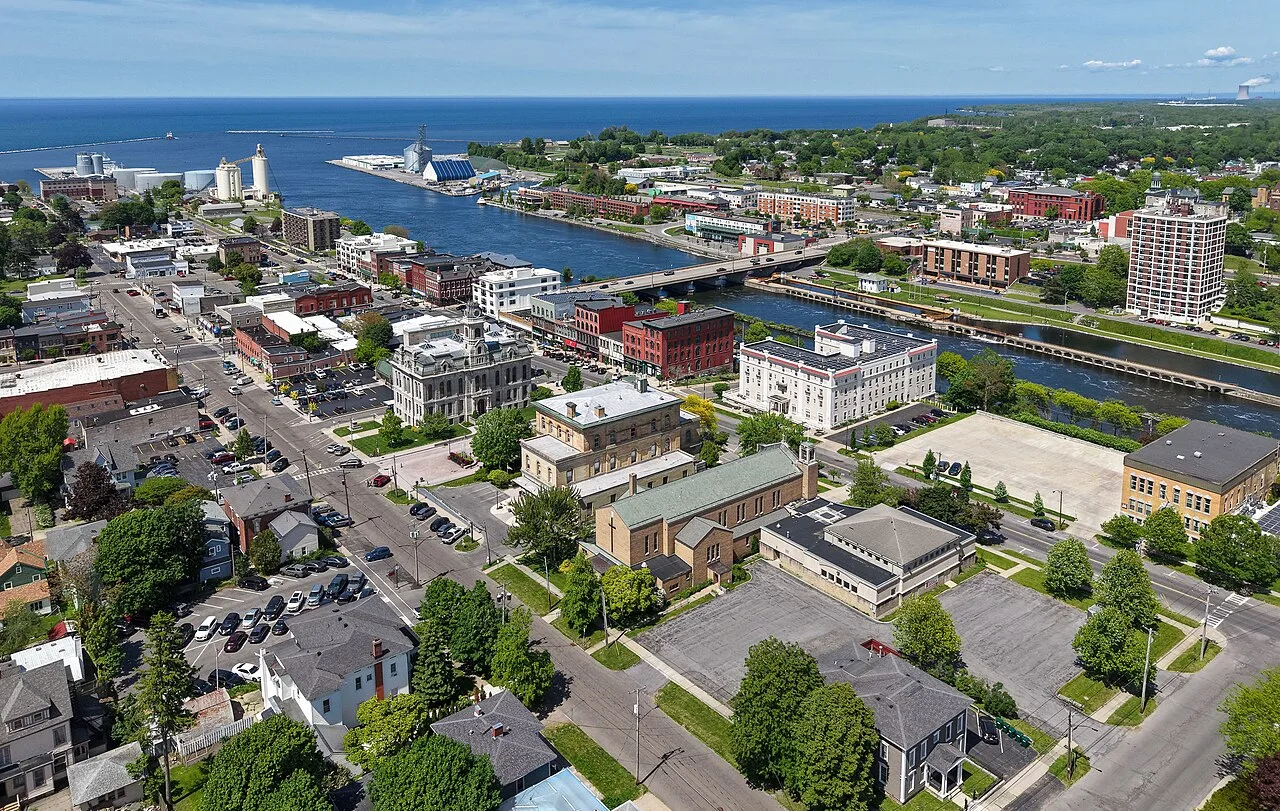
Oswego County sits on the eastern shore of Lake Ontario, where lake-effect snow totals rank among the highest in the continental United States. That single geographic fact shapes nearly every restoration call placed in Fulton, Oswego, Pulaski, and the rural towns in between - from ice dams pushing meltwater through roof decking to spring runoff overwhelming basement drain tile.
Property owners here rely on a full range of restoration disciplines, often more than one at a time:
- Water Damage Restoration - extraction, structural drying, and moisture mapping after pipe breaks, appliance failures, and roof leaks
- Flooded Basement cleanup - pump-out, contents handling, and drying of block and stone foundations
- Sewage Cleanup - containment and disinfection after backups from municipal lines or failed septic systems
- Fire Damage Restoration - stabilization, debris removal, and rebuild coordination
- Smoke Damage Restoration - soot removal from surfaces, HVAC systems, and porous contents plus odor neutralization
- Mold Removal - containment, source correction, and remediation of affected building materials
The benefit of working with crews familiar with local conditions is simple: they know what a lake-effect winter does to an older Oswego County home, and they plan drying and repairs accordingly rather than treating every loss the same way.
Common Damage Restoration Issues in Oswego County, New York
Damage in this county tends to follow predictable local patterns tied to snow load, water tables, and aging infrastructure.
Frequent Causes of Loss
- Frozen and burst supply lines in unheated crawl spaces, seasonal camps along the lake, and vacant properties
- Ice dams along eaves that force meltwater under shingles and into wall cavities
- Spring snowmelt combined with rain saturating soil around foundations, producing flooded basements
- Sump pump failure or power loss during storms rolling in off Lake Ontario
- Sewer backups where combined or older municipal lines surcharge during heavy runoff
- Septic system saturation in rural towns with high water tables
- Heating-season fires from wood stoves, chimneys, space heaters, and furnace malfunctions
- Smoke migration through ductwork that spreads odor far beyond the burn area
Warning Signs Worth Acting On
- Efflorescence, chalky white residue, or dark staining on basement block walls
- Musty odor that intensifies when the furnace or air handler runs
- Cupping hardwood, bubbling paint, or soft drywall near baseboards
- Gurgling floor drains or slow fixtures signaling a partial sewer obstruction
- Persistent smoke smell weeks after a small kitchen or chimney fire
- Condensation on windows and rusting metal fasteners in the basement
Ignoring early moisture indicators is how a modest water loss becomes a mold removal project spanning multiple rooms.
Neighborhoods We Serve in Oswego County
Coverage extends across the county's cities, villages, and rural townships, including:
- City of Oswego - including the harbor district, West Side, East Side, and neighborhoods near SUNY Oswego
- Fulton - riverfront properties along the Oswego River and surrounding residential streets
- Pulaski and Richland - Salmon River corridor homes and seasonal cottages
- Mexico, Parish, and Central Square
- Phoenix, Hannibal, and Hastings
- Sandy Creek, Lacona, and Altmar
- Constantia, Cleveland, and Bernhards Bay along Oneida Lake
- Volney, Scriba, Palermo, and Schroeppel township properties
Lakefront camps, farmhouses on gravel roads, and downtown mixed-use buildings each present different access and drying challenges, and local crews plan equipment staging with those differences in mind.
Seasonal Damage Patterns in Oswego County
- December through February - Peak season for frozen pipe breaks, ice dam water intrusion, and heating-related fire and smoke damage. Lake-effect snow bands off Lake Ontario add heavy roof loads.
- March and April - Snowmelt plus spring rain drives the year's highest volume of flooded basement calls, sump pump failures, and sewage backups as saturated ground overwhelms drainage.
- May and June - Delayed discovery of winter moisture becomes visible mold growth. Warming temperatures activate spores in wall cavities and crawl spaces.
- July and August - Humidity keeps basements damp; thunderstorms bring roof leaks, power outages, and pump failures. Air conditioning condensate line clogs cause hidden water damage.
- September and October - Remnant tropical systems and steady rain saturate soils again. Chimney and wood stove startups without cleaning lead to flue fires.
- November - First hard freezes catch unwinterized camps, outdoor spigots, and vacant properties, starting the cycle over.
Housing Characteristics & Restoration Considerations
Much of Oswego County's housing stock predates 1970, with a substantial share of homes built before 1940 in Oswego and Fulton. That age profile changes how restoration work is scoped.
Common Construction Types
- Stone and rubble foundations in century-old homes - porous, hard to seal, and prone to seepage during snowmelt
- Concrete block basements from mid-century construction - hollow cores trap water and require drilled drainage during flooded basement drying
- Balloon-framed walls in older houses - allow water and smoke to travel vertically between floors with no fire stops
- Plaster and lath interiors that dry more slowly than modern drywall
- Vented crawl spaces under additions and farmhouses, a frequent mold source
- Seasonal camps and cottages near the lake and Salmon River with minimal insulation and shallow plumbing runs
How Age Affects the Work
- Asbestos-containing floor tile, pipe wrap, and plaster may require testing before demolition in pre-1980 structures
- Lead paint protocols apply to many older interiors during fire and water repairs
- Knob-and-tube or aging wiring raises the stakes on any electrical fire assessment
- Undersized or absent vapor barriers make mold removal a repeat problem unless the moisture source is corrected
- Cast iron and clay sewer laterals in older neighborhoods crack and root-intrude, causing recurring sewage cleanup calls
Restoration plans that account for these realities produce durable results instead of repeat losses.
Environmental Conditions & Damage Implications
The county's environment is defined by proximity to Lake Ontario, glacial soils, and long, damp shoulder seasons.
Climate Factors
- Annual snowfall in the eastern county frequently exceeds 150 inches, with the Tug Hill fringe higher still
- Freeze-thaw cycles crack foundations and driveways, opening new water entry points each spring
- Summer relative humidity regularly holds above levels where mold colonizes untreated basements
- Persistent cloud cover slows natural drying, making mechanical dehumidification essential
Soil and Groundwater
- Clay-heavy and glacial till soils drain slowly, holding hydrostatic pressure against basement walls
- Sandy lakeshore soils shift and settle, stressing foundation joints and buried laterals
- Shallow water tables in low-lying towns keep sump pumps cycling much of the year
- Saturated ground reduces septic absorption, contributing to backups during wet stretches
Air and Water Quality Implications
- Tight winter envelopes trap smoke odor and combustion byproducts, requiring HVAC cleaning after fire events
- Hard water and mineral content accelerate appliance supply line and water heater failures
- Damp indoor air aggravates allergy and asthma symptoms when mold is present
- Post-loss air quality testing helps confirm that smoke residue and spore counts have returned to normal
Understanding these conditions guides equipment selection, drying targets, and whether containment is warranted before demolition begins.
Emergency Response and Insurance Coordination for Oswego County Property Owners
Winter storms that shut down roads and knock out power are the exact conditions that generate the heaviest restoration demand. Knowing what to do in the first hours - and who to call - limits the scope of the loss.
First Steps After Discovering Damage
- Address safety first - shut off electricity to affected areas and leave the structure if sewage, structural damage, or active fire conditions exist.
- Stop the source when you safely can, whether that means the main water shutoff or the fuel supply to an appliance.
- Call a 24/7 restoration provider. Local options include SERVPRO of Oswego at (315) 607-8549 and Paul Davis at (315) 676-4473.
- Photograph everything before moving items, including standing water depth, soot lines, and damaged contents.
- Notify your insurance carrier and open a claim number.
- Remove undamaged belongings to a dry area, but leave saturated or contaminated materials for the crew.
- Keep receipts for temporary lodging, pumps, tarps, and other out-of-pocket expenses.
What a Local Response Team Brings
- Truck-mounted extraction and portable pumps sized for deep basement water
- Commercial dehumidifiers and air movers matched to plaster, block, and hardwood drying loads
- Moisture meters and thermal imaging to find water behind finished walls
- Negative-air containment for sewage cleanup and mold removal
- Antimicrobial application and HEPA filtration
- Soot-specific cleaning agents and thermal fogging or hydroxyl treatment for smoke odor
- Documentation formatted for adjusters, including daily moisture readings
- Virtual consultations when weather or distance delays an on-site visit
Many Oswego County policies treat surface flooding differently from sudden internal water discharge, and sewer backup coverage is often a separate endorsement. Reviewing those details before storm season - and adding a battery backup sump pump - saves considerable frustration later.