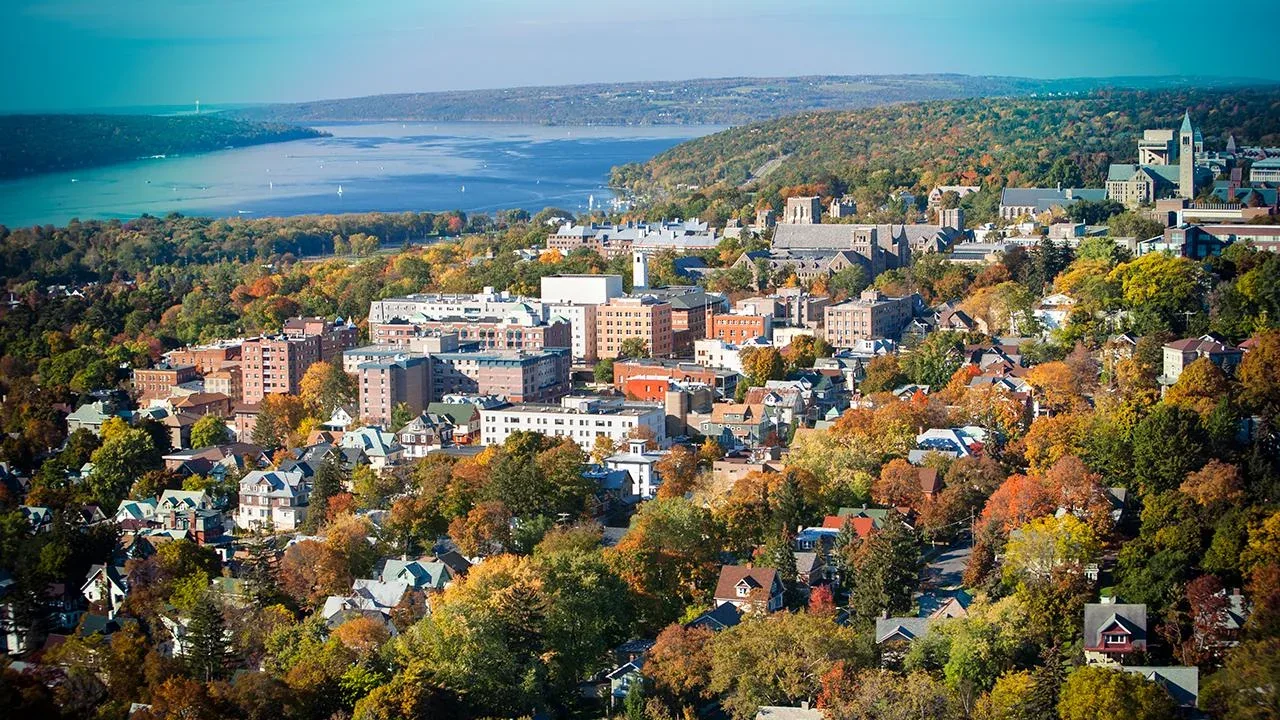
Damage Restoration in Tompkins County, NY
- Damage Restoration Services Overview
- Common Damage Restoration Issues in Tompkins County, New York
- Neighborhoods We Serve in Tompkins County
- Seasonal Damage Patterns in Tompkins County
- Housing Characteristics & Restoration Considerations
- Environmental Conditions & Damage Implications
- Storm Damage, Insurance Documentation, and What Happens Next
Damage Restoration Services Overview
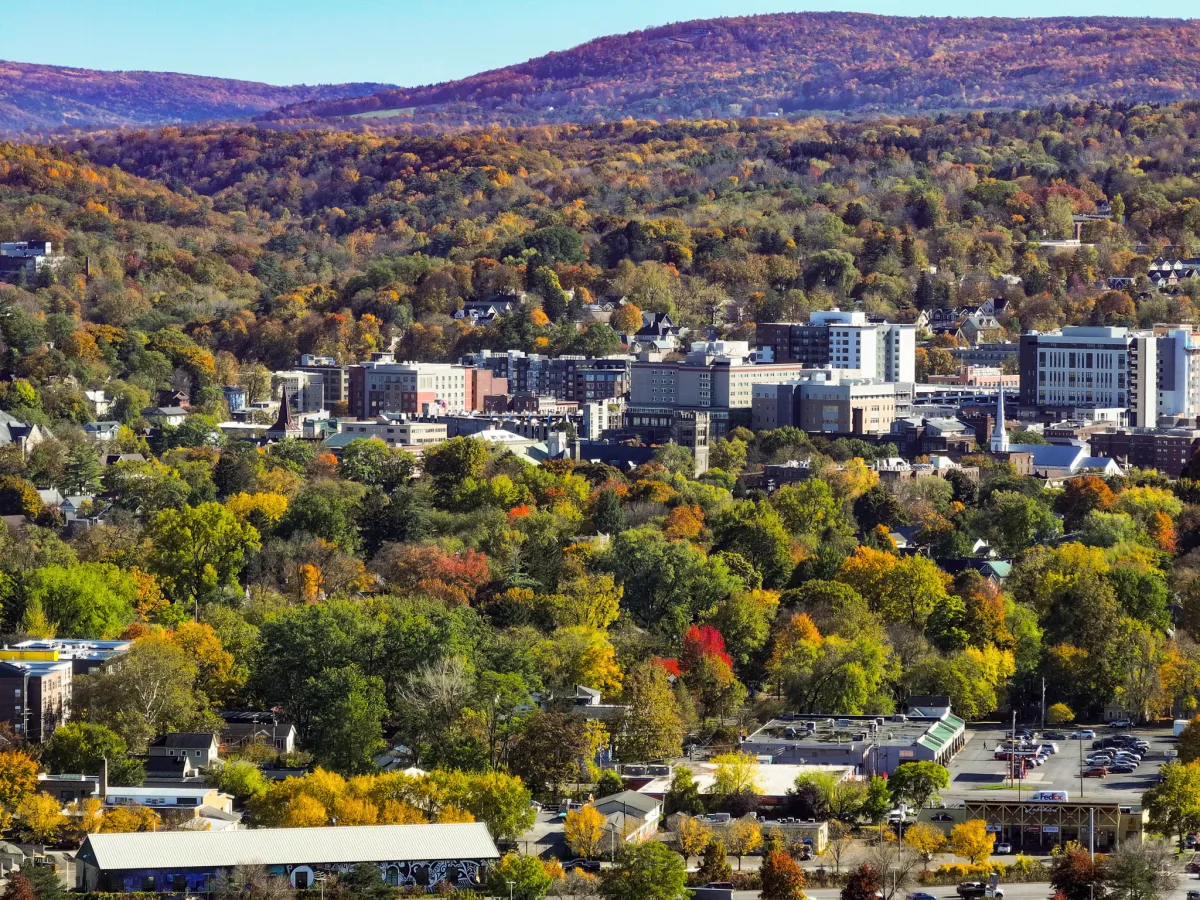
When water pours through a basement wall or smoke settles into every room of a Tompkins County home, the fastest path back to normal starts with a trained crew and the right equipment. Professional restoration turns a chaotic situation into a manageable, documented process.
Horizon Restoration & Remodeling handles the full spectrum of property damage recovery across Ithaca and the surrounding towns, with emergency response available around the clock and more than 15 years serving local homeowners.
- Water Damage Restoration - emergency extraction, structural drying, moisture mapping, and monitoring until materials reach dry standard.
- Flooded Basement Cleanup - pump-out, contents triage, sump and drainage evaluation, and dehumidification of below-grade spaces.
- Sewage Cleanup - containment, removal of contaminated porous materials, antimicrobial treatment, and safe disposal.
- Fire Damage Restoration - board-up, debris removal, structural cleaning, and coordination of rebuild work.
- Smoke Damage Restoration - soot removal from surfaces and HVAC systems, odor neutralization, and contents cleaning.
- Mold Removal - containment barriers, HEPA filtration, affected material removal, and correction of the moisture source.
Benefits for local residents include reduced secondary damage, thorough documentation for insurance claims, and one team that carries a project from emergency response through remodeling and reconstruction.
Common Damage Restoration Issues in Tompkins County, New York
The Finger Lakes region combines steep grades, clay-heavy soils, aging housing stock, and long freeze cycles - a mix that produces predictable damage patterns year after year.
Frequent Causes of Loss
- Frozen and burst supply lines in unheated crawl spaces, garages, and older additions.
- Hillside runoff from Ithaca's gorges and slopes pushing groundwater against foundation walls.
- Sump pump failure or power loss during spring thaw and heavy summer storms.
- Sanitary line backups in older village systems and root-intruded laterals on rural properties.
- Septic system saturation during wet seasons on properties outside municipal service areas.
- Kitchen fires, wood stove and chimney fires, and space heater incidents during long heating seasons.
- Ice dams forcing meltwater beneath shingles and into attic insulation and ceilings.
Warning Signs Worth Acting On
- Musty odor in basements, closets, or near baseboards that intensifies after rain.
- Efflorescence, chalky white staining, or hairline cracking on foundation walls.
- Buckling hardwood, cupped laminate, or soft spots in subfloor near appliances.
- Persistent smoke odor that returns on humid days after a small fire.
- Slow drains in multiple fixtures at once - often an early sign of a main line problem.
- Condensation on windows and rising indoor humidity through late summer.
Acting on early signals keeps a small water intrusion from becoming a full mold remediation project weeks later.
Neighborhoods We Serve in Tompkins County
Crews respond throughout the county, from lakefront properties to hilltop farmsteads.
- Ithaca - Downtown, Fall Creek, Northside, Southside, Belle Sherman, East Hill, South Hill, and Cayuga Heights.
- Village and hamlet communities - Lansing, Dryden, Freeville, Trumansburg, Groton, and Cayuga Heights.
- Town areas - Ulysses, Enfield, Newfield, Danby, Caroline, and the Town of Ithaca.
- Lakeside and rural corridors - properties along Route 89, Route 34B, Route 96B, and the Cayuga Lake shoreline.
- Surrounding regions - neighboring portions of Cortland, Seneca, Schuyler, and Tioga counties.
Rental properties near the Cornell and Ithaca College campuses, historic homes in the older village cores, and newer subdivisions in Lansing and Dryden all present different restoration challenges, and each gets an approach matched to its construction and occupancy.
Seasonal Damage Patterns in Tompkins County
- December through February - burst pipes lead the calls. Fire and smoke damage rises with wood stoves, chimneys, and supplemental heaters running nonstop. Ice dams begin forming on north-facing roofs.
- March and April - snowmelt plus saturated clay soil drives flooded basements, sump overloads, and sewer backups. Water damage restoration volume peaks.
- May and June - thunderstorms and rapid downpours overwhelm gutters, window wells, and older drain tile. Mold growth begins in basements that never fully dried out from spring.
- July and August - humidity above 60 percent indoors fuels mold removal work in crawl spaces, closets, and finished basements. Lightning strikes occasionally cause attic fires.
- September and October - remnants of tropical systems bring heavy rainfall. Septic saturation and sewage cleanup calls increase in rural areas.
- November - first hard freezes catch unwinterized hose bibs and seasonal properties. Heating equipment startup produces smoke and puffback damage from furnaces.
Housing Characteristics & Restoration Considerations
Tompkins County housing spans nineteenth-century farmhouses, dense pre-war city neighborhoods, mid-century ranches, student rentals, and modern energy-efficient builds. Each type changes how a restoration is planned.
Older Homes - Pre-1950
- Stone, rubble, and early poured foundations that wick moisture and complicate basement drying.
- Balloon framing that allows smoke and fire to travel between floors through open wall cavities.
- Plaster and lath that holds moisture longer than drywall and needs careful drying to avoid loss.
- Potential asbestos and lead-containing materials requiring proper testing before demolition.
- Cast iron and clay sewer laterals prone to cracking and root intrusion.
Mid-Century and Suburban Homes
- Block foundations with finished basement rec rooms - paneling and carpet trap water against walls.
- Original galvanized or early copper supply lines vulnerable to pinhole leaks.
- Ductwork in basements that distributes soot and mold spores throughout the house.
Newer and Tightly Sealed Construction
- Low air exchange rates concentrate smoke odor and elevate indoor humidity after a water loss.
- Engineered wood subfloor and I-joists that degrade quickly when saturated.
- Spray foam and dense insulation that hides moisture, requiring thermal imaging and probe readings.
Multi-unit student rentals add scheduling and occupancy considerations, since containment must protect neighboring units while work proceeds.
Environmental Conditions & Damage Implications
Local geography does much of the work in creating damage - understanding it shapes a better restoration plan.
Climate
- Roughly 35 to 40 inches of annual precipitation plus 60-plus inches of snow, producing sustained ground saturation.
- Well over 100 freeze-thaw cycles per season, opening foundation cracks and stressing plumbing.
- Humid summers with dew points that keep unconditioned basements near mold-supporting conditions for weeks.
- Lake-effect cloud cover and low winter sun that slow natural drying of building materials.
Soil and Terrain
- Glacial till and silty clay loam with poor percolation - water perches against foundation walls rather than draining away.
- Steep slopes above Cayuga Lake and along gorge corridors that channel runoff toward downhill structures.
- High seasonal water tables in valley floors and flats near Cayuga Inlet and Fall Creek.
- Shallow bedrock in some upland areas that limits drainage depth and forces surface flow.
Air and Water Quality
- Hard, mineral-rich groundwater in well-served areas that accelerates fixture and water heater failure.
- Radon-prone geology, meaning basement work should account for existing mitigation systems.
- Woodsmoke-heavy winter air in rural areas, which can mask early indoor smoke odor issues.
These conditions mean drying targets, dehumidifier sizing, and mold containment strategies are set for local realities, not generic averages.
Storm Damage, Insurance Documentation, and What Happens Next
After a major storm or a sudden loss, the hardest part for many homeowners is knowing what is actually damaged and what an insurer will want to see. We help homeowners understand what damage may be storm-related, what repairs may be needed, and how to move forward with confidence.
How a Typical Response Unfolds
- Emergency call - a crew is dispatched around the clock for active water intrusion, sewage backups, or fire scenes released by the fire department.
- Stabilization - water extraction, roof tarping, board-up, or utility shutoff to stop damage from spreading.
- Assessment and mapping - moisture meters, thermal imaging, and photo documentation of every affected room and material.
- Scope development - a written plan covering removal, drying, cleaning, and any remediation needed.
- Active drying or remediation - air movers, dehumidifiers, HEPA filtration, containment barriers, and daily readings recorded.
- Cleaning and odor control - soot removal, contents cleaning, HVAC treatment, and neutralization of embedded smoke odor.
- Reconstruction - drywall, flooring, cabinetry, trim, and finish work handled in-house through our remodeling division.
Documentation That Supports Your Claim
- Date-stamped photos of pre-existing conditions and every stage of work.
- Daily moisture and humidity logs showing progress toward dry standard.
- Itemized scope aligned with common insurance estimating formats.
- Material samples and disposal records for contaminated or affected building components.
- Direct communication with adjusters so homeowners are not translating technical details alone.
What Homeowners Can Do Before Crews Arrive
- Shut off water at the main valve if a supply line has failed.
- Stay out of standing water near electrical panels or outlets.
- Avoid contact with sewage-affected areas entirely.
- Photograph conditions from a safe distance.
- Move undamaged contents to a dry, ventilated space if it is safe to do so.
Every project is backed by a complete satisfaction guarantee, and one local team stays with the property from the first emergency call through the final coat of paint.