Damage Restoration in Suffolk, NY
- Damage Restoration Services Overview
- Common Damage Restoration Issues in Suffolk, New York
- Neighborhoods We Serve in Suffolk
- Seasonal Damage Patterns in Suffolk
- Housing Characteristics & Restoration Considerations
- Environmental Conditions & Damage Implications
- Storm Surge and Coastal Flooding Restoration Challenges
Damage Restoration Services Overview
Property damage can strike without warning, leaving Suffolk homeowners facing overwhelming cleanup and restoration challenges. Whether dealing with water intrusion from coastal storms, basement flooding, sewage backups, fire damage, lingering smoke odors, or mold growth, professional restoration services provide the expertise needed to restore your property safely and efficiently.
Our restoration experts use advanced equipment and techniques to perform property damage restoration in Suffolk, New York, and all the communities throughout the area. We offer complete restoration solutions including:
- Water damage restoration with rapid extraction and structural drying
- Flooded basement cleanup and waterproofing solutions
- Sewage cleanup with proper decontamination protocols
- Fire damage restoration including structural repairs
- Smoke damage restoration to eliminate odors and residue
- Mold removal with thorough remediation and prevention
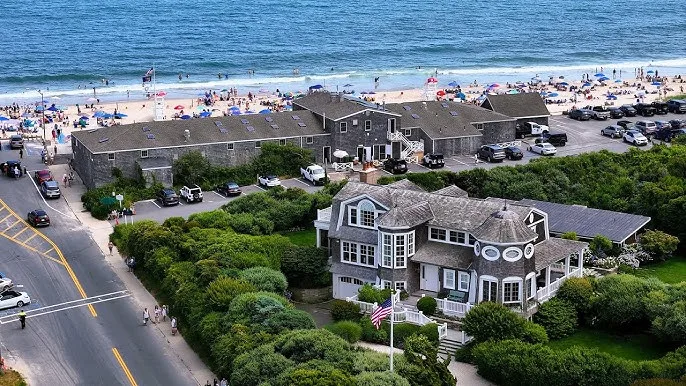
Suffolk County's unique coastal environment and diverse housing stock require specialized restoration approaches. From modest ranch homes in central Suffolk to high-value oceanfront properties in the Hamptons, each restoration project demands tailored solutions that address both immediate damage and long-term protection against future issues.
Common Damage Restoration Issues in Suffolk, New York
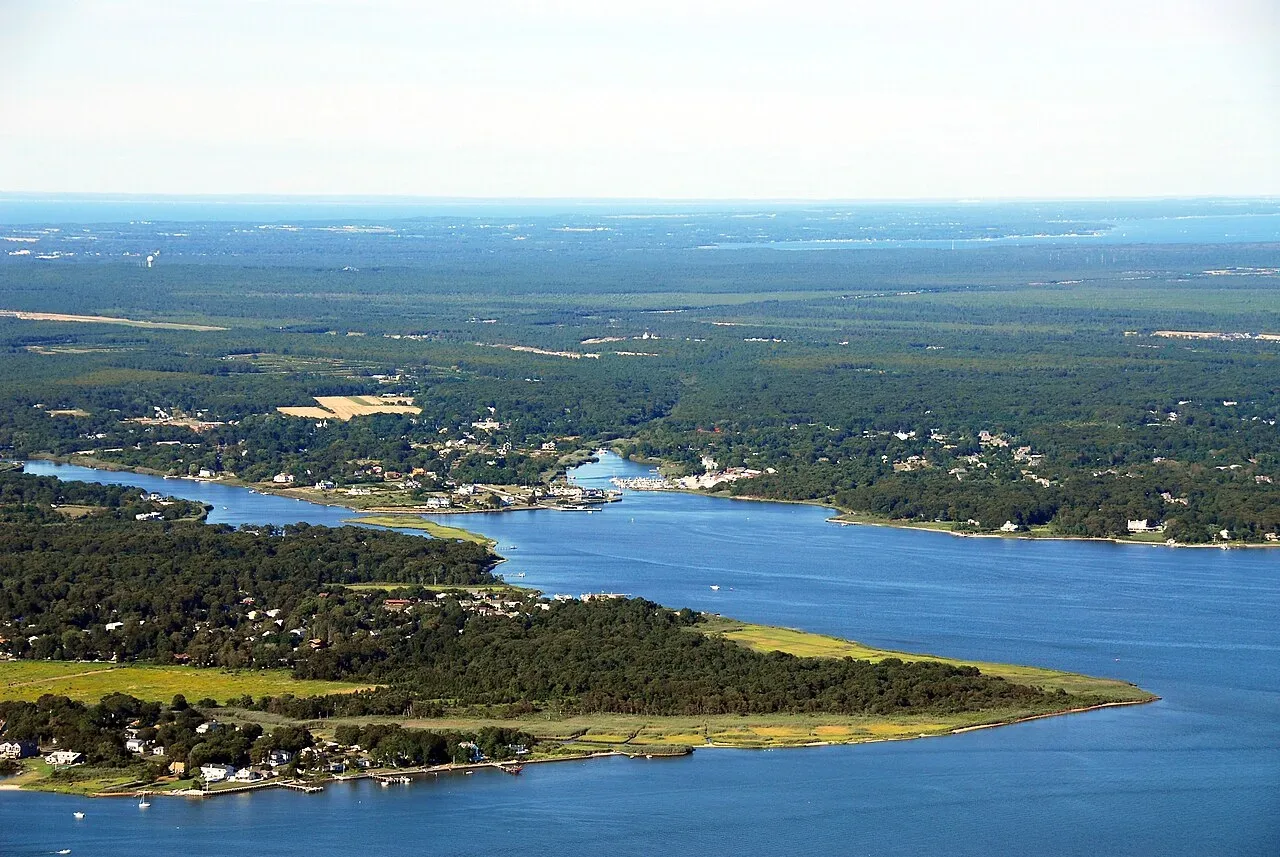
Suffolk County's location on Long Island creates specific vulnerabilities that lead to frequent property damage. The area's proximity to the Atlantic Ocean and Long Island Sound exposes homes to storm surge, coastal flooding, and high humidity conditions that promote mold growth.
Water damage incidents occur frequently due to:
- Storm surge and coastal flooding affecting South Shore communities
- Aging plumbing systems in pre-1980 ranch and Cape Cod homes
- Basement flooding from heavy rainfall and poor drainage
- Frozen pipes during harsh winter months
- Sewage backups during heavy storm events
Fire and smoke damage patterns include:
- Kitchen fires in older homes with outdated electrical systems
- Chimney fires during peak heating season
- Electrical fires from overloaded circuits in seasonal properties
- Wildfire smoke infiltration during dry summer periods
Mold issues commonly develop from:
- High humidity levels near coastal areas
- Poor ventilation in basements and crawl spaces
- Undetected leaks in vacation properties left unattended
- Condensation problems in homes with inadequate insulation
Early warning signs include musty odors, water stains, visible mold growth, smoke residue, and unexplained increases in utility bills indicating hidden water damage.
Neighborhoods We Serve in Suffolk
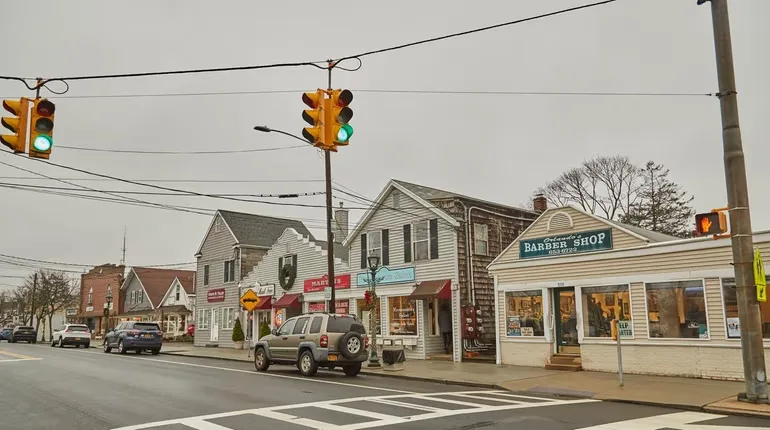
Our damage restoration services cover all Suffolk County communities, from the densely populated western areas to the exclusive East End estates. We serve major townships including Babylon, Huntington, Islip, Smithtown, and Brookhaven, along with incorporated villages throughout the county.
Key service areas include:
- South Shore communities - Bay Shore, Lindenhurst, West Islip, Sayville
- North Shore areas - Northport, Cold Spring Harbor, Stony Brook
- Central Suffolk - Commack, Hauppauge, Ronkonkoma, Medford
- East End locations - Hampton Bays, Southampton, East Hampton, Montauk
- Fire Island and barrier island communities
Each neighborhood presents unique restoration challenges, from flood-prone coastal areas requiring specialized water damage protocols to historic East End properties needing careful fire damage restoration that preserves architectural integrity while meeting modern safety standards.
Seasonal Damage Patterns in Suffolk
Suffolk County experiences distinct seasonal patterns that influence when different types of property damage occur most frequently. Understanding these cycles helps homeowners prepare and respond appropriately to potential threats.
Winter (December - February):
- Frozen pipe bursts causing extensive water damage
- Ice dam formation leading to roof leaks and water intrusion
- Heating system failures resulting in fire hazards
- Chimney fires from creosote buildup
Spring (March - May):
- Basement flooding from snowmelt and spring rains
- Mold growth in damp areas after winter moisture accumulation
- Sewage backups from overwhelmed storm drains
Summer (June - August):
- Hurricane and tropical storm water damage
- Electrical fires from air conditioning overload
- Mold proliferation in high humidity conditions
Fall (September - November):
- Nor'easter storm damage and coastal flooding
- Heating system startup fires
- Smoke damage from improperly maintained fireplaces
Housing Characteristics & Restoration Considerations
Suffolk County's diverse housing stock spans multiple decades and architectural styles, each presenting unique restoration challenges. The area features approximately 500,000 housing units ranging from modest post-war ranch homes to multimillion-dollar oceanfront estates.
Pre-1980 construction characteristics affecting restoration:
- Ranch and Cape Cod homes with concrete slab foundations prone to water infiltration
- Older electrical systems requiring careful fire damage assessment
- Asbestos-containing materials in homes built before 1978
- Lead paint concerns in pre-1978 properties
- Inadequate insulation contributing to condensation and mold issues
Modern construction features include:
- Improved moisture barriers and waterproofing systems
- Enhanced fire safety systems and materials
- Better ventilation reducing mold risk
- Advanced electrical systems with circuit protection
East End luxury properties require specialized restoration approaches:
- High-end finishes demanding expert fire and smoke damage restoration
- Custom millwork and architectural details requiring careful preservation
- Seasonal occupancy patterns affecting mold prevention strategies
- Insurance considerations for vacation properties during vacancy periods
Restoration costs vary significantly, with full flood restoration in South Shore communities ranging from $25,000 to $60,000 for typical pre-1980 homes, while East End properties can require $100,000 to $300,000+ for significant losses.
Environmental Conditions & Damage Implications
Suffolk County's coastal climate and environmental conditions significantly influence property damage patterns and restoration requirements. The area's humid subtropical climate, with average annual precipitation of 47 inches, creates persistent moisture challenges that affect all types of restoration work.
Climate factors impacting restoration needs:
- High humidity levels (average 70-75%) promoting rapid mold growth
- Salt air accelerating corrosion and material degradation
- Temperature fluctuations causing expansion and contraction damage
- Seasonal storm patterns bringing heavy rainfall and wind damage
Soil and water table considerations:
- Sandy soil in coastal areas providing poor drainage
- High water table levels increasing basement flooding risk
- Saltwater intrusion affecting groundwater quality
- Clay deposits in central areas causing foundation settling
Air quality impacts on restoration:
- Salt air requiring specialized cleaning methods for smoke damage
- Pollen and allergens complicating mold remediation
- Industrial emissions from nearby facilities affecting air filtration needs
Water quality factors include:
- Hard water deposits affecting cleanup equipment and processes
- Chlorinated municipal water requiring neutralization during restoration
- Well water contamination risks in rural areas
- Tidal influences affecting sewage system performance
These environmental conditions require restoration professionals to adapt techniques and materials specifically for Suffolk County's unique challenges, from using marine-grade materials in coastal fire restoration to implementing enhanced dehumidification protocols for mold prevention.
Storm Surge and Coastal Flooding Restoration Challenges
Suffolk County's extensive coastline along the Atlantic Ocean and Long Island Sound creates unique restoration challenges that require specialized expertise and equipment. Storm surge events can cause catastrophic damage that goes far beyond typical water damage scenarios, requiring comprehensive restoration approaches that address saltwater contamination, structural integrity, and long-term protection.
Saltwater damage restoration requires specialized protocols:
- Complete removal and replacement of drywall and insulation exposed to salt water
- Thorough cleaning of electrical systems with corrosion-resistant treatments
- HVAC system decontamination to prevent salt crystal buildup
- Structural steel inspection and treatment for corrosion damage
- Specialized cleaning agents designed for saltwater residue removal
Post-storm mold prevention becomes critical due to:
- Extended moisture exposure from flooding events
- Compromised building envelope allowing continued moisture intrusion
- Power outages preventing proper dehumidification during recovery
- Debris and organic matter providing mold food sources
Fire safety concerns increase after flooding because:
- Electrical systems may have hidden damage from water exposure
- Emergency heating sources create fire risks during power outages
- Damaged gas lines pose explosion hazards
- Compromised smoke detection systems fail to provide adequate protection
Insurance considerations for coastal properties include understanding flood insurance requirements separate from homeowner's policies, documentation needs for Federal Emergency Management Agency claims, and coverage limitations during vacancy periods for seasonal properties. Many East End properties face unique challenges with seasonal-use restrictions that can affect coverage during storm seasons.
Professional restoration teams use moisture detection equipment, industrial dehumidifiers, and antimicrobial treatments specifically designed for coastal environments to ensure complete remediation and prevent future damage from recurring moisture issues.