Damage Restoration in Warren County, NY
- Damage Restoration Services Overview
- Common Damage Restoration Issues in Warren County, New York
- Neighborhoods We Serve in Warren County
- Seasonal Damage Patterns in Warren County
- Housing Characteristics & Restoration Considerations
- Environmental Conditions & Damage Implications
- Protecting Seasonal Camps and Lakefront Properties in Warren County
Damage Restoration Services Overview
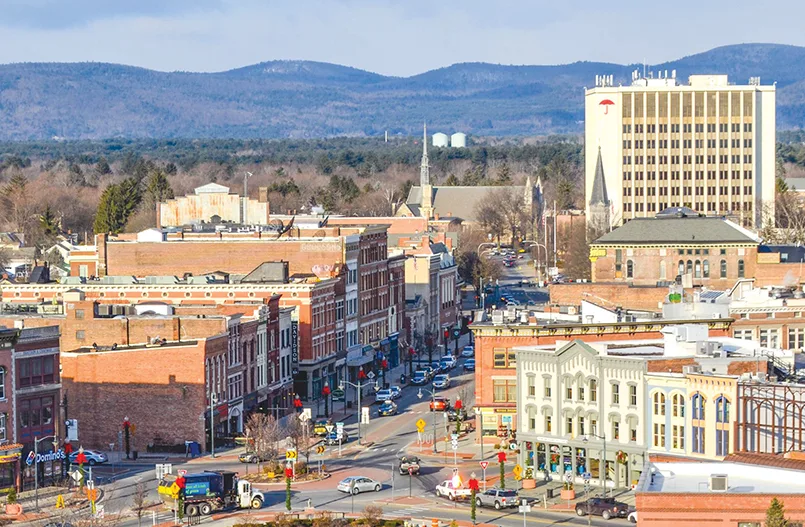
Warren County sits at the southeastern gateway to the Adirondack Park, where roughly two-thirds of the county's land is protected forest preserve and where annual snowfall in the higher elevations near Gore Mountain can exceed 100 inches. That combination of deep snowpack, steep terrain, and older lakeside housing stock creates a property damage profile unlike anywhere else in the Capital Region.
Restoration work here covers a wide spectrum of emergencies, and most homeowners encounter more than one type in the lifetime of a property:
- Water damage restoration - burst supply lines, failed water heaters, ice dam intrusion, and appliance leaks
- Flooded basement recovery - snowmelt saturation, high groundwater, sump pump failure, and foundation seepage
- Sewage cleanup - septic backups, sewer line blockages, and category three contamination requiring biohazard protocols
- Fire damage restoration - wood stove and chimney fires, electrical faults, and structural rebuild coordination
- Smoke damage restoration - soot removal, odor neutralization, HVAC and duct decontamination, contents cleaning
- Mold removal - containment, controlled demolition, HEPA filtration, and moisture source correction
The benefit of addressing these problems quickly is straightforward: water that sits becomes mold, smoke residue that sits becomes permanent staining, and sewage that sits becomes a health hazard. Trained technicians available around the clock shorten that window considerably for Warren County families and business owners.
Common Damage Restoration Issues in Warren County, New York
Local geography drives most of what property owners face. The Hudson and Schroon Rivers, Lake George, and dozens of smaller brooks respond quickly to rain-on-snow events, while granite bedrock and thin glacial till push runoff toward foundations instead of absorbing it.
Frequent Causes of Damage
- Frozen and burst pipes in seasonal camps and unheated crawl spaces along Lake George and Brant Lake
- Ice dams forcing meltwater under shingles and into wall cavities and ceilings
- Sump pump failures during March thaw and heavy spring rain
- Septic system backups in rural areas of Thurman, Stony Creek, and Johnsburg where leach fields saturate
- Wood stove, pellet stove, and chimney flue fires during long heating seasons
- Kitchen grease fires that spread soot through open floor plans within minutes
- Hidden mold behind knee walls, in stone basements, and under vinyl flooring
Warning Signs Worth Acting On
- Musty or earthy odors that intensify after rain or when the furnace runs
- Efflorescence, chalky white deposits, or dark staining on foundation walls
- Bubbling paint, cupping hardwood, or soft spots in subfloor near exterior walls
- Gurgling drains or slow toilets signaling a septic or sewer restriction
- Yellow-brown residue on windows and light switch plates after a small fire
- Persistent smoke odor returning on humid days, indicating residue in ductwork
Reporting these signs early keeps a water problem from turning into a mold remediation project.
Neighborhoods We Serve in Warren County
Coverage extends across the full county, from dense village blocks to remote camp roads reachable only by seasonal access.
- Glens Falls - historic downtown, South Street, and the Elm Street and Bay Street neighborhoods
- Queensbury - West Mountain, Aviation Road, Bay Ridge, Cleverdale, and Dunham's Bay
- Lake George Village and Diamond Point - shoreline homes, motels, and seasonal rentals
- Bolton Landing and Huletts area access - lakefront estates and boathouses
- Warrensburg, Thurman, and Stony Creek - rural properties on well and septic
- Chestertown, Brant Lake, Pottersville, and Horicon - Schroon River corridor
- North Creek, Johnsburg, Wevertown, and Bakers Mills - Gore Mountain ski country
- Lake Luzerne, Hadley border area, and Hague - riverfront and northern lakeshore
Surrounding Washington, Saratoga, and Essex County communities fall within reach as well, including Fort Edward, Moreau, and Ticonderoga.
Seasonal Damage Patterns in Warren County
Winter (December - February)
- Peak season for frozen and burst pipes, especially in unoccupied camps
- Ice dam water intrusion at eaves and valleys after freeze-thaw cycles
- Highest fire and smoke damage volume from heating appliances and chimneys
- Roof tarping and board-up needs following storm or fire loss
Spring (March - May)
- Flooded basements from snowmelt, saturated ground, and rain-on-snow events
- Sump pump overload and failure during sustained runoff
- Septic backups as leach fields sit in high groundwater
- First mold growth appearing from winter moisture that was never dried
Summer (June - August)
- Mold removal demand peaks with humidity in stone and block basements
- Thunderstorm downbursts causing tree strikes, roof breaches, and water damage
- Rental turnover reveals hidden odor and contamination issues
Fall (September - November)
- Clogged gutters and leaf-blocked drains redirecting water to foundations
- Early-season heating system startup fires and puff-back soot events
- Winterization mistakes that set up January pipe failures
Housing Characteristics & Restoration Considerations
Warren County's building stock spans nearly two centuries. Glens Falls carries a large inventory of homes built before 1940, while Queensbury expanded heavily through the 1960s to 1990s. Lakefront and Adirondack camp construction adds another layer entirely.
Construction Types and What They Mean for Restoration
- Pre-1940 Glens Falls homes - plaster and lath, balloon framing, and stone or rubble foundations. Water travels through wall cavities fast, and smoke residue embeds in porous plaster requiring specialized cleaning.
- Mid-century ranches and split levels - block foundations with finished basements, often carpeted. Flooded basement jobs here frequently require carpet and pad removal plus subfloor drying.
- Seasonal camps and cabins - post-and-pier or shallow foundations, exposed plumbing, and intermittent heat. Prime candidates for freeze breaks and undetected long-duration leaks.
- Lakefront homes - walkout lower levels, boathouses, and crawl spaces close to the water table where mold thrives.
- Newer Queensbury and North Creek builds - tight envelopes and engineered lumber that hold moisture and demand precise drying rather than aggressive demolition.
Common Complications
- Asbestos-containing floor tile, pipe wrap, or siding in older properties requiring testing before demolition
- Knob-and-tube or ungrounded wiring that must be isolated before drying equipment is placed
- Private wells and septic systems that change the sewage cleanup approach
- Multiple additions with mismatched framing that trap moisture at transitions
Environmental Conditions & Damage Implications
Climate and soil in this part of the Adirondack foothills work against drying and in favor of microbial growth for much of the year.
Climate Factors
- Cold winters with extended sub-freezing stretches that drive pipe failure risk
- Heavy lake-influenced snowfall in the northern and western towns
- Humid summers with dew points that keep basements above safe moisture thresholds
- Sharp freeze-thaw swings in March that stress foundations and roofing
Soil, Water, and Air Conditions
- Thin glacial soils over granite bedrock limit absorption and push water laterally toward foundations
- Clay pockets in valley areas hold hydrostatic pressure against basement walls
- Hard well water with iron and mineral content that accelerates plumbing corrosion and staining
- High seasonal groundwater near Lake George, Schroon Lake, and the Hudson River corridor
- Wood smoke from stoves contributing to particulate loading indoors during winter months
Direct Effects on Restoration Work
- Dehumidification loads run higher and longer than in drier climates
- Mold colonies establish quickly in stone basements where relative humidity stays elevated
- Sewage cleanup near shorelines requires care to prevent contaminated water reaching the lake
- Smoke odor lingers in tight winter homes until ductwork and contents are treated
Protecting Seasonal Camps and Lakefront Properties in Warren County
A large share of Warren County housing is used part of the year - Lake George camps, Brant Lake cottages, and ski-season places near Gore Mountain. Unoccupied properties account for a disproportionate share of severe losses, because a small leak in a heated, occupied home becomes a catastrophic loss when nobody is there for six weeks.
Why Vacant Properties Fail
- Heat systems shut down or run at minimums that do not protect exterior wall plumbing
- Water supply left on with no one to hear a running toilet or hissing line
- Sump pumps on tripped breakers during a March thaw
- Roof loads and ice dams that go uncleared through a heavy snow winter
- Rodent intrusion that damages wiring, insulation, and supply tubing
Off-Season Steps That Reduce Risk
- Shut the main water supply and drain lines fully before closing the property
- Add antifreeze to traps and drains where systems remain partially charged
- Install remote temperature, water sensor, and power-loss monitoring
- Arrange local checks after major storms, thaws, and extended cold snaps
- Service the chimney, flue, and heating appliance before the burning season
- Clear gutters, extend downspouts, and grade soil away from the foundation
What Happens When a Camp Loss Is Discovered
Response begins with a project manager assessing structural safety, electrical hazards, and contamination category. Thermal imaging and moisture meters map hidden saturation behind paneling and under flooring. Containment goes up, extraction and controlled demolition follow, and air movers with dehumidifiers bring materials back to dry standard.
Long-duration losses often cross into mold remediation and reconstruction, so documentation matters for insurance. Photographs, moisture logs, and a written scope give owners a clear record from the first day through final rebuild - including roof tarping, board-up, contents cleaning, document restoration, and odor removal when a fire or sewage event is involved.