Damage Restoration in New York County, NY
- Damage Restoration Services Overview
- Common Damage Restoration Issues in New York County, New York
- Neighborhoods We Serve in New York County
- Seasonal Damage Patterns in New York County
- Housing Characteristics & Restoration Considerations
- Environmental Conditions & Damage Implications
- Working Within Manhattan Buildings: Access, Compliance, and Multi-Unit Coordination
Damage Restoration Services Overview
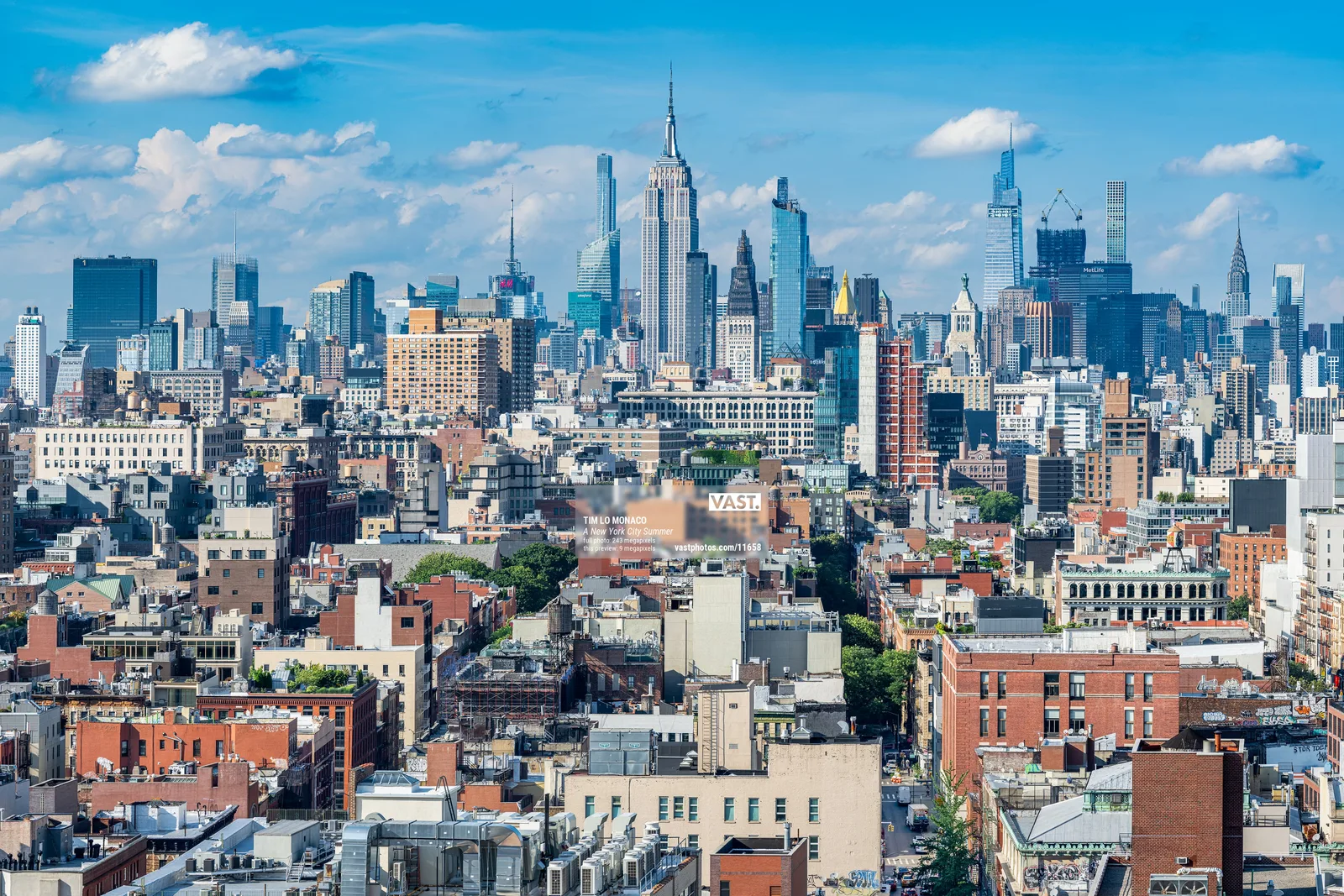
New York County - Manhattan - packs more than 1.6 million residents onto a 22.8-square-mile island where pre-war walk-ups, cast-iron loft buildings, and glass high-rises share the same aging water mains and combined sewer lines. Restoration work here rarely involves a single-family home with a driveway. It involves freight elevators, co-op boards, stacked units, and water that travels down six floors before anyone notices.
Our teams handle the full spectrum of loss response across the island:
- Water Damage Restoration - burst supply lines, failed roof drains, sprinkler discharge, and appliance overflows in multi-story buildings.
- Flooded Basement - cellar and sub-cellar pump-outs, storm surge intrusion, and groundwater infiltration below grade.
- Sewage Cleanup - Category 3 backups from combined sewer overflow, blocked building drains, and backflow through floor drains.
- Fire Damage Restoration - structural stabilization, emergency board-ups, debris removal, and reconstruction.
- Smoke Damage Restoration - odor control and surface cleaning in units adjacent to or above a fire, including shaft-borne contamination.
- Mold Removal - containment and remediation under IICRC S520 and New York State mold licensing requirements.
Fast mitigation limits secondary damage, protects tenants, and keeps insurance claims documented from hour one.
Common Damage Restoration Issues in New York County, New York
Manhattan's density and infrastructure age create loss patterns you won't see in suburban counties.
Leading Causes of Damage
- Combined sewer overflow - during heavy rain, the same pipes carrying stormwater and sanitary waste surcharge, pushing contaminated water back into cellars and ground-floor units.
- Aging riser and supply piping - galvanized and copper lines in pre-war buildings fail at joints, releasing water into wall cavities for hours.
- Roof drain and scupper blockage - flat roofs across the island pond water when drains clog with debris or ice.
- Sprinkler and standpipe discharge - a single activated head can release hundreds of gallons across multiple floors.
- Kitchen and electrical fires - high-density housing means smoke migrates through shafts, corridors, and shared HVAC.
- Storm surge - Lower Manhattan, Battery Park City, and the East River waterfront remain within FEMA-mapped flood zones.
Warning Signs Worth Acting On
- Bubbling or blistering paint on ceilings below bathrooms and kitchens
- A musty odor in closets, near radiator enclosures, or along exterior masonry walls
- Rust staining around floor drains or cellar slab cracks
- Efflorescence - white powdery deposits - on basement brick or block
- Persistent smoke odor that returns on humid days after a nearby fire
- Slow drains on lower floors, often the first hint of a main line obstruction
When floodwater intrusion passes 72 hours, both IICRC S500 and S520 apply, and the job shifts from drying to remediation with containment.
Neighborhoods We Serve in New York County
Crews respond island-wide, from the Battery to Inwood, including:
- Downtown - Financial District, Battery Park City, Tribeca, SoHo, Lower East Side, Chinatown, Two Bridges, Greenwich Village, West Village, East Village
- Midtown - Chelsea, Flatiron, Gramercy Park, Murray Hill, Kips Bay, Hell's Kitchen, Hudson Yards, Turtle Bay, Sutton Place
- Upper Manhattan - Upper East Side, Yorkville, Upper West Side, Lincoln Square, Morningside Heights, Manhattan Valley
- Northern Manhattan - Harlem, East Harlem, Hamilton Heights, Washington Heights, Inwood, Marble Hill
- Island communities - Roosevelt Island and Governors Island
We also coordinate with property managers across the surrounding metro area, including the Bronx, Brooklyn, Queens, and Hudson County waterfront properties when a portfolio spans multiple boroughs.
Seasonal Damage Patterns in New York County
Manhattan losses follow a fairly predictable annual rhythm.
- December through February - Frozen and burst pipes lead the calls, especially in unheated stairwells, vacant units, and exterior-wall risers. Space heater and holiday-related fires spike, driving fire and smoke damage restoration work.
- March through April - Thaw cycles expose winter cracking. Snowmelt plus spring rain overwhelms roof drains and sends water into flooded basements and cellars.
- May through June - Rising humidity activates dormant moisture. Mold removal requests climb sharply, particularly in below-grade storage and behind built-in millwork.
- July through August - Convective thunderstorms drop heavy rain in short bursts, surcharging combined sewers and triggering sewage cleanup emergencies. Condensate line failures from window and split AC units cause slow ceiling leaks.
- September through October - Peak tropical and nor'easter season. Storm surge risk along the East and Hudson River edges, coupled with wind-driven rain through facade breaches.
- November - Heating systems restart, and dormant boiler leaks, radiator valve failures, and flue-related smoke events surface.
Housing Characteristics & Restoration Considerations
Roughly three-quarters of Manhattan's housing stock predates 1960, and a large share was built before 1940. That age dictates nearly every restoration decision.
Common Construction Types
- Pre-war tenements and brownstones - wood joists, plaster over wood lath, brick party walls, and cellar spaces with rubble or unsealed slabs.
- Cast-iron and loft conversions - open floor plates where water spreads laterally and fast, with heavy timber that holds moisture.
- Post-war brick co-ops - concrete slabs, terrazzo, and concealed risers that make leak tracing difficult.
- Modern high-rises - curtain wall assemblies, sprinkler systems, and shared mechanical shafts that carry smoke and odor between floors.
How Age Affects the Work
- Plaster and lath retain water far longer than drywall, so drying plans need extended dehumidification and cavity injection.
- Buildings constructed before 1978 require lead-safe work practices; pre-1980 construction often calls for asbestos surveys before demolition of flooring, pipe insulation, or joint compound.
- Cellar slabs without vapor barriers wick groundwater continuously, making mold recurrence likely without moisture control.
- Smoke residue penetrates old horsehair plaster and unsealed wood, requiring encapsulation rather than surface cleaning alone.
- Access constraints - narrow stairs, small service elevators, limited street loading - shape equipment staging and debris removal timelines.
Co-op and condo work also involves board approval, insurance coordination between the building policy and unit-owner coverage, and documented protection of common areas.
Environmental Conditions & Damage Implications
Manhattan sits in a humid continental climate zone that receives roughly 45 to 50 inches of precipitation annually, spread fairly evenly across the year. Summer dew points regularly climb into the upper 60s and low 70s.
Climate Effects on Restoration
- High summer humidity means open-air drying is ineffective; psychrometric calculations and closed-drying systems with desiccant or refrigerant dehumidifiers are standard.
- Freeze-thaw cycling opens mortar joints and facade cracks, creating pathways for wind-driven rain.
- The urban heat island keeps building interiors warm year-round, sustaining mold growth in cellars even in winter.
Ground, Water, and Air Factors
- Soil and bedrock - Manhattan schist supports deep foundations, but landfill along the western and southern shorelines holds water and transmits hydrostatic pressure against cellar walls.
- Tidal influence - properties near the Hudson and East River experience groundwater fluctuation with the tide, complicating below-grade dewatering.
- Combined sewer system - about 60 percent of the city's sewer network is combined, so rainfall directly raises the probability of Category 3 sewage backups.
- Air quality - dense traffic and construction dust settle into HVAC systems, and wildfire smoke events in recent years have added another source of particulate loading that complicates post-fire odor assessment.
Each of these conditions gets factored into moisture mapping, containment design, and clearance testing before we call a job complete.
Working Within Manhattan Buildings: Access, Compliance, and Multi-Unit Coordination
A restoration project in New York County is as much a logistics exercise as a technical one. One leaking riser can affect a dozen units, three ownership interests, and two insurance carriers.
How a Multi-Unit Loss Is Handled
- Emergency stabilization - stop the source, extract standing water, and board or tarp any envelope breach after fire or storm damage.
- Moisture mapping across affected units - thermal imaging and penetrating meters trace migration through party walls, ceiling assemblies, and shafts, not just the room where water appeared.
- Category and condition classification - water is graded under IICRC S500; sewage and floodwater are treated as Category 3, requiring removal of porous materials and antimicrobial application.
- Containment and negative air - critical barriers and HEPA filtration protect corridors, lobbies, and unaffected apartments, which building management almost always requires.
- Structural drying - dehumidifiers and air movers sized by psychrometric calculation bring framing, plaster, concrete, and masonry back to documented dry standards.
- Remediation and clearance - mold work follows S520 with New York State licensed contractors and independent post-remediation verification where required.
- Reconstruction - lead and asbestos abatement, structural repair, finish restoration, and final cleaning.
Manhattan-Specific Considerations
- Off-hours work windows imposed by co-op and commercial building rules
- Freight elevator reservations and floor protection through shared spaces
- Limited curbside space for dumpsters, trailers, and desiccant units, often requiring permits
- Documentation packages built for adjusters, building engineers, and managing agents simultaneously
- NFIP claim support for properties in mapped flood zones downtown and along the waterfront
Handling those details well is what keeps a loss from becoming a months-long dispute between neighbors, boards, and carriers.